


Mitochondria: More Than Just Your Cells’ Powerhouses
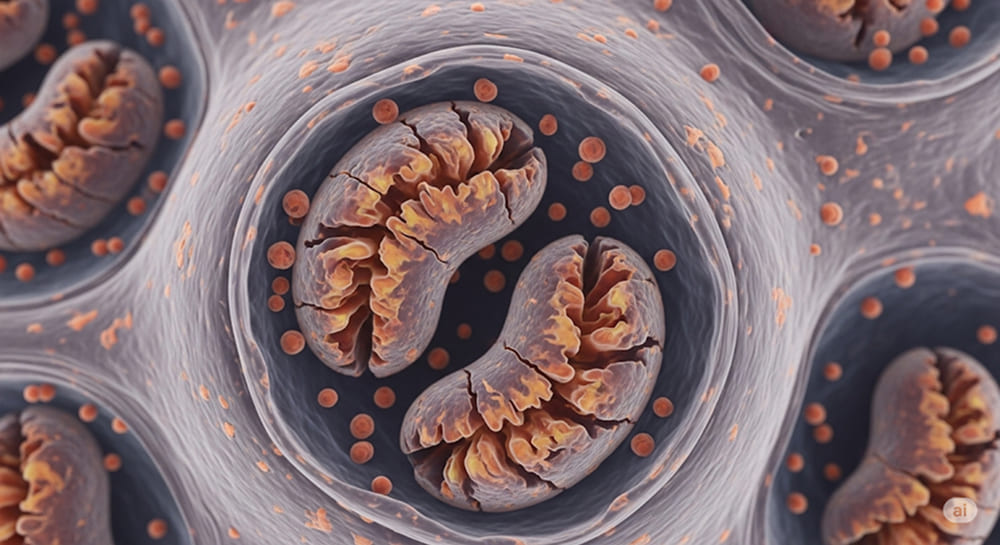
Why take care of Mitochondria: Role in Health and Longevity? Imagine microscopic power plants diligently humming away within every single cell of your body, from your fingertips to the intricate folds of your brain. These are mitochondria – tiny yet incredibly potent organelles responsible for producing adenosine triphosphate (ATP). ATP isn’t just energy; it’s the very fuel that allows your muscles to move, your brain to think, and your heart to beat. Every action, every thought – all demand ATP, and without the seamless operation of mitochondria, our bodies simply couldn’t function. This is a core aspect of why take care of mitochondria: role in health and longevity.
Therefore, when we talk about health, mitochondria take center stage. Their optimal functioning isn’t just about high energy levels; it’s the bedrock of a robust immune system, efficient metabolism, and even the body’s capacity for tissue regeneration. Conversely, if these “energy stations” falter, it can pave the way for a cascade of problems, ranging from chronic fatigue to serious diseases and accelerated aging. Understanding their critical role empowers us to proactively nurture them, investing in our long-term well-being and truly grasping why take care of mitochondria: role in health and longevity.
- Mitochondria produce ATP, the primary energy currency for all cellular processes.
- They are crucially important for metabolism, immunity, and tissue regeneration.
- Dysfunctions in their operation can lead to chronic diseases and accelerated aging, highlighting why take care of mitochondria: role in health and longevity.

Your Metabolism and Energy Levels: Hand in Hand with Mitochondria
Have you ever wondered why some people exude boundless energy while others constantly feel drained, even with adequate sleep? The answer often lies in the efficiency of their mitochondria. They are the conductors of metabolism, orchestrating the conversion of the food we eat – be it glucose or fats – into that vital energy. This complex process, known as cellular respiration, allows your body to efficiently utilize nutrients and maintain stable activity levels throughout the day. The healthier and more numerous your mitochondria, the better your body performs this task, preventing energy dips and fostering your peak performance. This underscores a key aspect of why take care of mitochondria: role in health and longevity.
When mitochondria begin to “slow down,” it immediately impacts metabolism. A sluggish metabolism can lead to difficulties with weight management, insulin resistance, and an overall decline in vitality. Furthermore, impaired energy metabolism affects the body’s ability to recover from exertion and its resilience to stress. This is precisely why take care of mitochondria: role in health and longevity through a thoughtful diet and an active lifestyle isn’t just a trend; it’s a fundamental strategy for maintaining high energy levels and efficient metabolism, directly enhancing your quality of life.
- Mitochondria convert food into energy, ensuring stable metabolism.
- Their efficiency directly influences energy levels and physical endurance.
- Mitochondrial dysfunction can lead to slowed metabolism and chronic fatigue, illustrating why take care of mitochondria: role in health and longevity.

The Enigma of Aging: Unraveling the Role of Mitochondria
Why do some individuals appear and feel younger than their chronological age, while others seem to age more rapidly? An increasing number of scientists agree that the answer lies in the state of our mitochondria. Over time, these cellular “batteries” can accumulate damage, a sort of cellular “wear and tear.” This not only diminishes energy production but also increases the generation of free radicals – aggressive molecules that cause oxidative stress.
Oxidative stress, in turn, acts like rust on our cells: it damages DNA, proteins, and lipids, accelerating cellular aging and opening the door to age-related diseases. Thus, if we aim to slow down time at the cellular level, nurturing our mitochondria becomes one of the most powerful strategies, answering why take care of mitochondria: role in health and longevity.
Research consistently shows that mitochondrial dysfunction is a hallmark of numerous age-related pathologies, whether neurodegenerative disorders, heart problems, or metabolic imbalances. By maintaining mitochondria in a healthy state, we not only decelerate cellular aging but also enhance the body’s capacity for self-repair and bolster its resilience to various stressors. This means that investing in mitochondrial health today is your insurance policy for an active and fulfilling life in the future, allowing you to savor every moment without the limitations typically associated with age, clearly demonstrating why take care of mitochondria: role in health and longevity.
- The accumulation of damage in mitochondria accelerates cellular aging.
- Mitochondrial dysfunction is linked to increased oxidative stress and cellular damage.
- Healthy mitochondria help slow aging and prevent age-related diseases, showcasing why take care of mitochondria: role in health and longevity.

Mitochondria and Your Immunity: A Shield Against Illness
Imagine your immune cells as an army constantly patrolling your body, protecting it from external threats. Like any army, they require energy to function effectively. This energy is supplied by mitochondria. But their role extends beyond mere power provision: they also participate in complex signaling pathways that regulate inflammation and even initiate programmed cell death (apoptosis) to eliminate damaged or infected cells. If mitochondria operate inefficiently, it can lead to chronic inflammation, a weakened immune response, and increased vulnerability to infections. It’s no surprise that their impaired function is linked to the development of autoimmune diseases and even oncology, as they influence genomic stability and cell proliferation. This further highlights why take care of mitochondria: role in health and longevity.
Optimal mitochondrial health is not just about defense; it’s a potent tool for the prevention and potentially even reversal of certain chronic diseases. By improving mitochondrial function, you can lower your risk of developing type 2 diabetes, cardiovascular diseases, and even complex neurodegenerative disorders such as Alzheimer’s and Parkinson’s. Supporting your mitochondria through conscious food choices, regular exercise, and, when appropriate, targeted supplements, is more than just health maintenance; it’s a strategic investment in your future well-being and long-term protection against pathologies, answering why take care of mitochondria: role in health and longevity.
- Mitochondria fuel immune cells and regulate inflammatory processes.
- Their dysfunction leads to chronic inflammation and a weakened immune system.
- Mitochondrial support helps prevent diabetes, cardiovascular, and neurodegenerative diseases, explaining why take care of mitochondria: role in health and longevity.

Fueling Your Mitochondria: Essential Nutrition for Health
Think of your mitochondria as high-performance engines that demand the best fuel to operate at full capacity. This “fuel” comes from a diet rich in antioxidants and key nutrients. Foods abundant in B vitamins, magnesium, zinc, and essential omega-3 fatty acids serve as the building blocks for mitochondrial function. And antioxidants, such as vitamins C and E, along with polyphenols generously found in berries, dark chocolate, and green tea, act as a “protective shield,” neutralizing the free radicals that can damage mitochondria and cause oxidative stress. It’s crucial to remember: the less processed your food, the more benefit it will bring to your mitochondria, a vital component of why take care of mitochondria: role in health and longevity.
Coenzyme Q10 (CoQ10) deserves special mention – it’s a pivotal component of the electron transport chain within mitochondria and indispensable for ATP production. You can find it in meat, fish, nuts, and certain vegetables. Don’t forget to also include foods rich in alpha-lipoic acid (spinach, broccoli, yeast) and resveratrol (red grapes), which also contribute to improved mitochondrial function. A balanced diet, overflowing with a variety of these nutritional superheroes, is the cornerstone for protecting and optimizing the performance of your mitochondria, addressing why take care of mitochondria: role in health and longevity.
- Include foods rich in B vitamins, magnesium, zinc, and omega-3 fatty acids.
- Prioritize antioxidants: vitamins C and E, polyphenols.
- Consume foods abundant in Coenzyme Q10, alpha-lipoic acid, and resveratrol, key for why take care of mitochondria: role in health and longevity.
Movement is Life: How Exercise Recharges Your Mitochondria
If you want your mitochondria to run like clockwork, get moving! Regular physical activity is one of the most potent stimuli for mitochondrial biogenesis – the process of creating new, healthy mitochondria. High-intensity interval training (HIIT) and endurance training are particularly effective here. When you exercise, cells demand more energy, prompting mitochondria to adapt: they become more numerous and work more efficiently. Furthermore, exercise activates autophagy – a kind of “cellular clean-up” where damaged or old mitochondria are removed, making way for new, more functional ones. This is a natural pathway to cellular renewal and enhanced overall energy efficiency, a testament to why take care of mitochondria: role in health and longevity.
However, as with everything, balance is key. Excessive training and overexertion can, conversely, induce oxidative stress and damage mitochondria. Therefore, the key to success lies in moderate but regular workouts that incorporate both cardio and strength training. For instance, short, intense bursts of activity alternated with periods of rest can be particularly beneficial. Remember: consistency in your training, combined with adequate recovery, allows you to unleash the full potential of your mitochondria and boost their resilience to various stressors, directly influencing why take care of mitochondria: role in health and longevity.
- Regular exercise stimulates biogenesis – the formation of new mitochondria.
- Workouts improve the process of autophagy, removing old and damaged mitochondria.
- For optimal results, combine cardio and strength training, avoiding overtraining, which is crucial for why take care of mitochondria: role in health and longevity.

Supplements for Mitochondrial Support: A Smart Approach
Beyond a balanced diet and regular exercise, the biohacking arsenal also includes specialized supplements that can specifically support mitochondrial function. One of the most well-known and researched is Coenzyme Q10 (CoQ10), which, as we’ve learned, plays a critical role in energy production within mitochondria. Other valuable allies can include alpha-lipoic acid – a powerful antioxidant involved in energy metabolism – and L-carnitine, which helps transport fatty acids directly into mitochondria for subsequent “burning” and energy generation. These supplements can be particularly beneficial for individuals with increased energy demands or certain conditions associated with mitochondrial dysfunction, underscoring why take care of mitochondria: role in health and longevity.
Modern research also draws attention to compounds like PQQ (pyrroloquinoline quinone) and resveratrol, which demonstrate the ability to stimulate mitochondrial biogenesis and protect against oxidative damage. Equally intriguing are nicotinamide riboside (NR) and nicotinamide mononucleotide (NMN) – precursors to NAD+, a vital coenzyme essential for healthy mitochondrial function and cellular metabolism. However, before incorporating any supplements into your regimen, always consult with a healthcare professional. This will help determine your individual needs and avoid any potential unwanted interactions, reinforcing why take care of mitochondria: role in health and longevity.
- Coenzyme Q10, alpha-lipoic acid, and L-carnitine support energy production in mitochondria.
- PQQ, resveratrol, along with NR and NMN, promote the creation of new mitochondria.
- Always consult a healthcare professional before taking any supplements, as part of understanding why take care of mitochondria: role in health and longevity.

A Holistic Lifestyle: Nurturing Your Mitochondria for Overall Well-being
Caring for your mitochondria extends beyond just diet and exercise. It’s a comprehensive approach to your lifestyle. For instance, sufficient and quality sleep isn’t merely rest; it’s a crucial period when the body actively regenerates, and cellular processes, including mitochondrial metabolism, are optimized. Conversely, chronic stress, as proven, can negatively impact mitochondria, increasing free radical production and diminishing their efficiency. Therefore, mastering stress management techniques – whether through meditation, yoga, or simply spending time in nature – becomes an integral part of a strategy for mitochondrial health, a significant reason why take care of mitochondria: role in health and longevity.
Furthermore, it’s critically important to minimize exposure to environmental toxins: heavy metals, pesticides, and polluted air, as these substances can directly damage mitochondria. Reducing alcohol consumption and completely quitting smoking will also significantly improve their functioning. Creating a healthy environment that supports your body’s natural rhythms and minimizes negative external factors is key to long-term mitochondrial health. And that, in turn, is the foundation for your overall well-being, high energy, and genuine longevity, making it clear why take care of mitochondria: role in health and longevity.
- Ensure sufficient and high-quality sleep for cellular regeneration and mitochondrial optimization.
- Effectively manage stress to minimize its negative impact on mitochondrial function.
- Avoid exposure to toxins and harmful habits to protect your mitochondria, a core answer to why take care of mitochondria: role in health and longevity.


