

Imagine your body as a complex machine with its own internal clock. The calendar age on your passport is just a number, but your biological age is a true reflection of the state of your “engine.” It can be younger than your years, or it can be older, depending on how you care for it. This is where biomarkers of aging come in—measurable indicators that show how effectively your body is functioning. By tracking these markers, you don’t just get numbers; you get a real-life user manual. This is your personal radar, showing which systems in your body need attention and where to focus your efforts to slow down the hands of time. It’s not about finding the fountain of youth; it’s about taking a proactive and informed approach to your longevity.
It’s time to stop seeing aging as an inevitability. It’s a process you can, and should, manage. Imagine feeling 30 at 40 because your body is functioning like a younger person’s. And, unfortunately, the opposite can also be true. Understanding these hidden processes is your superpower. It’s not about cheating nature; it’s about giving your body everything it needs to thrive. We’re shifting from passively waiting for diseases to actively maintaining health. Biohacking isn’t a myth—it’s a combination of science and common sense, and tracking these biomarkers of aging is the first step on the path to a long and high-quality life.
They are your tool for a personalized approach to health management.
- Why it’s crucial to track these biomarkers:
- Biomarkers of aging provide an objective health assessment, not just a number on a driver’s license.
- They help you see which lifestyle changes are actually working.

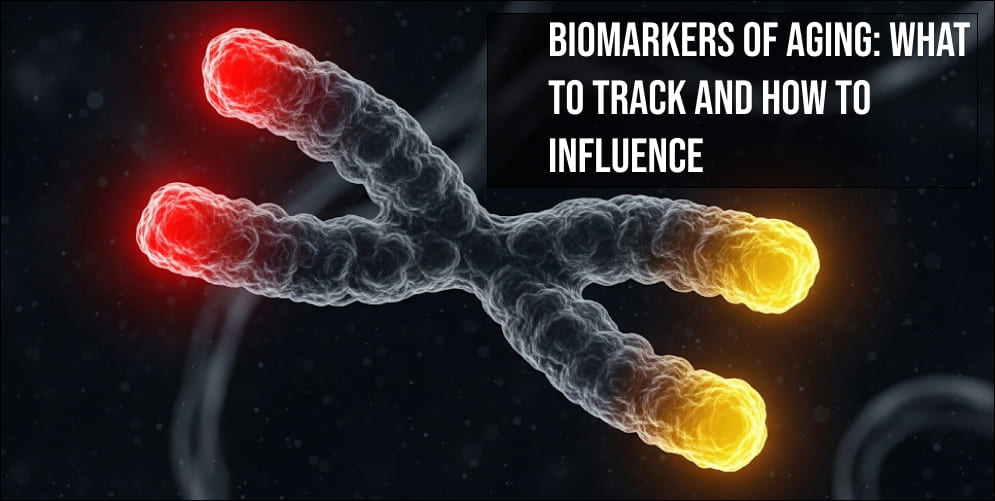
Telomere Length: The Guardians of Your Chromosomes
Think of each of your cells as a book, and on the end of each page, there are tiny bookmarks—these are your telomeres. They protect the valuable information inside, your DNA, from damage. With every cell division, these bookmarks get a little shorter, and at some point, they become so short that the cell can no longer divide and it dies. This is one of the fundamental mechanisms of aging. The faster your telomeres shorten, the faster your body wears out. Their length is like a mileage counter for your cells; it shows how much reserve you have left. Short telomeres aren’t a death sentence, but they’re a serious call to action.
Telomere shortening can be slowed down. It’s not magic, but a result of good habits. First and foremost, you need to tame stress. Chronic stress literally “burns” through your telomeres. So, meditation, yoga, and nature walks aren’t just for relaxation—they’re investments in your cellular health. Second, a diet rich in antioxidants is key. Berries, green vegetables, nuts, and green tea are your allies in the fight against free radicals, which damage cells. Antioxidants like Vitamin C, E, and resveratrol help combat oxidative stress. And finally, movement is life. Moderate but regular physical activity not only strengthens your muscles but also helps activate the enzyme telomerase, which can “repair” telomeres.
Engage in moderate but consistent physical activity.
- How to support telomere length:
- Manage stress using proven relaxation techniques to protect your biomarkers of aging.
- Fill your diet with antioxidants to shield cells from damage.
Glycated Hemoglobin (HbA1c): When a Sweet Life Ages You
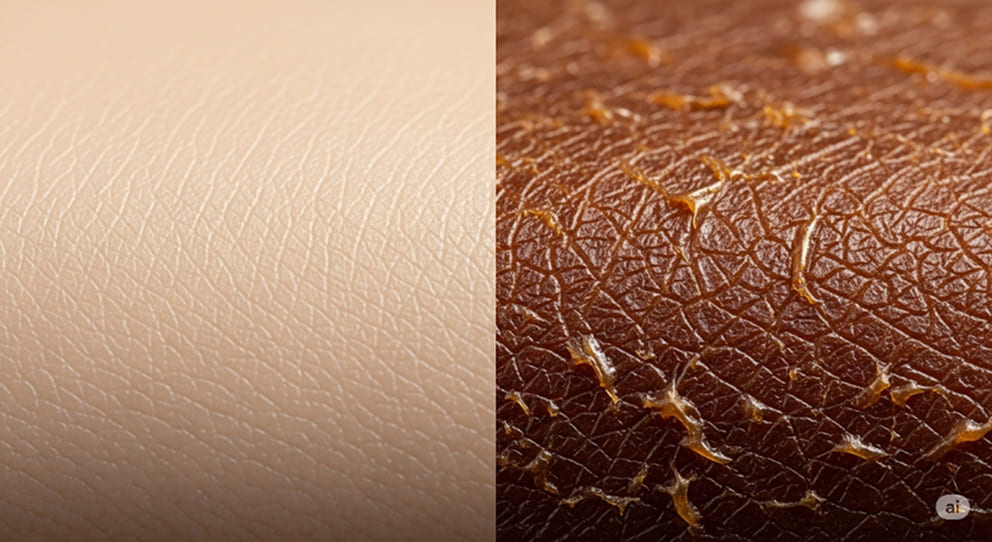
Have you ever heard that sugar is a “white poison”? It’s not just about extra pounds. An excess of sugar in the blood triggers a process called glycation. This is when sugar molecules “stick” to proteins in your body, turning them into stiff, inelastic structures. Imagine the collagen in your skin is a flexible spring, and glycation makes it rusty and brittle. This is why wrinkles appear and skin loses its elasticity. Glycated hemoglobin (HbA1c) is an indicator that shows how much sugar has “stuck” to your hemoglobin over the last 2-3 months. It’s like a ledger that shows how often your body has been in a state of “sugar shock.” This is one of the most powerful biomarkers of aging.
To get glycation under control, you need to do more than just give up candy; you need to re-evaluate your entire diet. First, reduce your intake of simple carbs and sugar. This includes sugary drinks, baked goods, white bread—anything that causes a sharp spike in blood glucose. Second, include fiber in every meal. Vegetables, legumes, and whole grains act like a sponge, slowing down sugar absorption and preventing it from “spiking.” And of course, move your body. Even a short walk after a meal helps your muscles use glucose as fuel, preventing it from lingering in your blood and triggering glycation.
Move after meals to help stabilize blood sugar levels.
- How to control glycation:
- Minimize consumption of refined sugar and simple carbohydrates.
- Make fiber (vegetables, whole grains) a cornerstone of your diet.
C-Reactive Protein (CRP): The Invisible Fire Within
When we talk about inflammation, we usually picture a swollen finger after a sprain. But there’s also chronic inflammation—a quiet, invisible process that slowly damages your body. It’s like a smoldering ember that gradually burns a hole. C-Reactive Protein (CRP) is one of the main markers of this “fire” in your body. A high CRP level is a signal that your body is in a constant state of alert, increasing the risk of cardiovascular diseases, diabetes, and neurodegenerative disorders. Monitoring this is essential when tracking your biomarkers of aging.
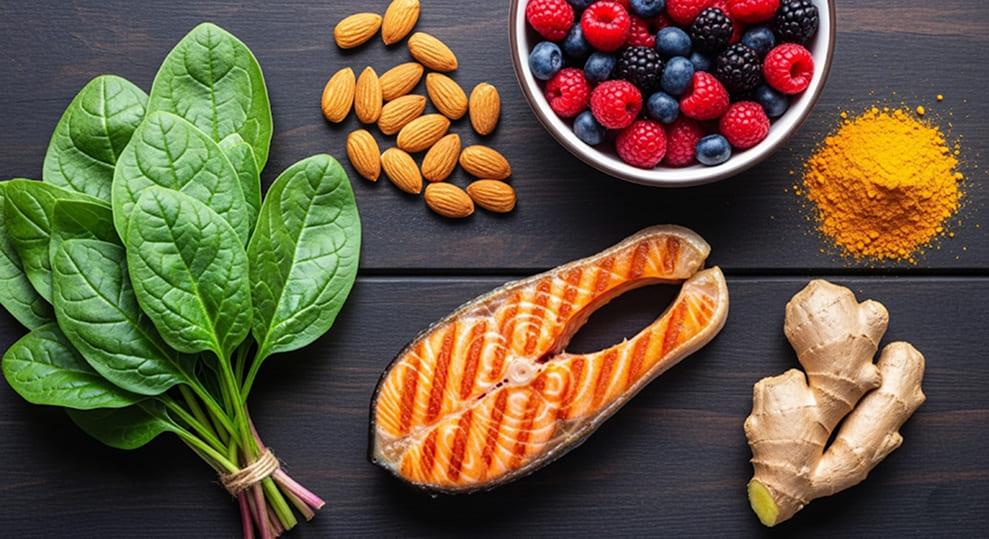
To put out this “invisible fire,” you need to change your lifestyle. Start with an anti-inflammatory diet. Add foods rich in omega-3s (fatty fish), spices like turmeric and ginger, and plenty of fresh vegetables. Avoid trans fats, industrial oils, and fast food, which contribute to inflammation. The second important step is maintaining a healthy weight. Fat tissue, especially around the abdomen, is a source of pro-inflammatory molecules. Losing weight is a direct path to reducing inflammation. And don’t forget about sleep. Lack of sleep is a direct route to higher CRP levels. Your body needs rest to recover, and there’s no negotiating that.
Ensure you get restful and high-quality sleep.
- How to “put out” inflammation:
- Follow an anti-inflammatory diet rich in omega-3s and antioxidants.
- Maintain a healthy weight to reduce the inflammatory load.

Vitamin D Levels: The Solar Battery for Your Body
We’re used to thinking of Vitamin D as something you need for bones. But in reality, it’s so much more. It’s a true hormone regulator that affects your immune system, mood, brain function, and even gene expression. It’s no surprise that a deficiency is an epidemic of the 21st century. A low level of Vitamin D isn’t just about weak bones; it’s about an increased risk of autoimmune diseases, infections, and even some cancers. Maintaining an optimal level of this “sunshine” hormone is a crucial aspect of tracking your biomarkers of aging.
To charge your “solar battery,” you need a few things. First, regular sun exposure. Even 15-20 minutes a day in the sun (without sunscreen) is enough to trigger Vitamin D synthesis. Second, enrich your diet. Fatty fish, mushrooms, and fortified foods can help, but they often aren’t enough. Third, consider supplements. In many parts of the world, especially during autumn and winter, it’s nearly impossible to get enough Vitamin D from food and sun alone. However, before you start taking supplements, be sure to get a blood test to determine the right dosage.
Take supplements if you have a deficiency, under a doctor’s supervision.
- How to maintain Vitamin D levels:
- Spend time in the sun when possible to support this key biomarker of aging.
- Add Vitamin D-rich foods like fatty fish and eggs to your diet.

Hormonal Balance: The Conductor of Your Health
Hormones are the conductors who direct the grand orchestra of your internal processes. With age, their levels begin to decline, and this “orchestra” can start to sound less harmonious. A drop in testosterone, estrogen, or growth hormone isn’t just a sign of aging—it’s a loss of energy, muscle mass, mood, and libido. Hormonal imbalance is a major reason why we feel old. But you can fine-tune this music.
To bring harmony back to your hormonal orchestra, you need to start with the basics. Strength training is your best friend. You don’t have to become a bodybuilder; just training with your own body weight is enough to stimulate the production of testosterone and growth hormone. The second key strategy is stress management. Chronic stress causes spikes in cortisol, which suppresses the production of other hormones. The third, and perhaps most important, thing is sleep. Most of your hormones are produced while you sleep, so a lack of it leads to hormonal chaos.
Ensure you get 7-9 hours of quality sleep every night.
- How to restore hormonal balance:
- Incorporate moderate strength training into your routine.
- Find effective ways to manage stress and lower cortisol.
Lipid Profile: The Health Report for Your Vessels
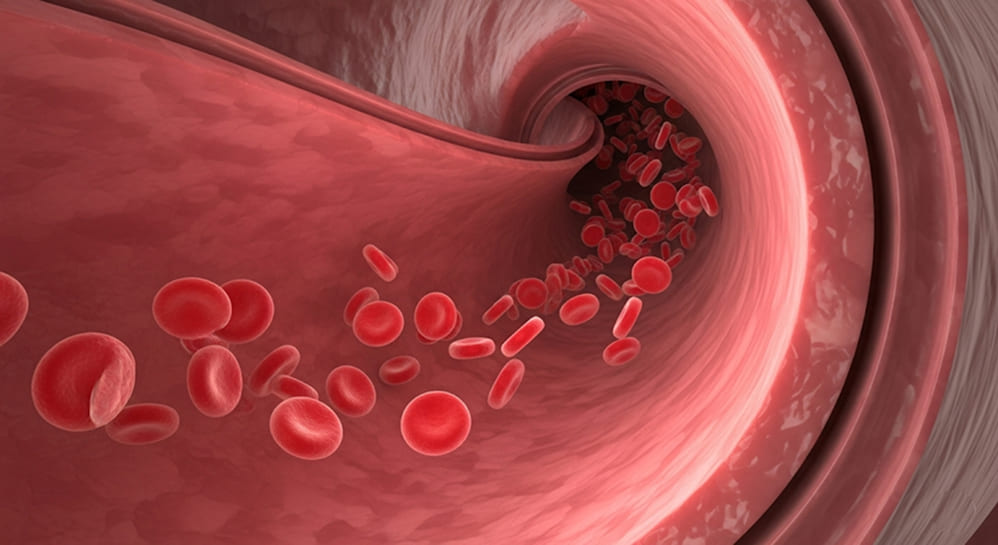
Your cardiovascular system is your internal “road network.” If traffic jams (plaque) start to form on these roads, it will eventually lead to a serious accident—a heart attack or stroke. Your lipid profile is like a health report for your blood vessels. It shows the level of “bad” cholesterol (LDL), which builds these traffic jams, and “good” cholesterol (HDL), which helps “clean them up.” A high LDL level is a direct call to action, regardless of your age. Tracking this is a crucial step when you monitor your biomarkers of aging.
To keep your “roads” in perfect condition, you need to re-evaluate your habits. First, balance your diet. Increase your intake of healthy fats from olive oil, avocados, and nuts, which help raise “good” cholesterol, as well as vegetables, fruits, and whole grains, which are rich in fiber. Second, do cardio. Running, swimming, or cycling isn’t just exercise; it’s “maintenance” for your roads that helps lower “bad” cholesterol. And finally, avoid “junk” food. Trans fats, processed foods, and fast food are a direct route to plaque formation.
- How to care for your blood vessels:
- Focus on healthy fats and whole foods to improve these biomarkers of aging.
- Include regular cardio workouts in your routine.
- Completely eliminate trans fats from your diet.

Starting Your Journey: How to Begin Tracking?
Your journey into the world of biohacking starts with one simple step—getting lab tests. You don’t need to run out and buy expensive tests right away. Start with the most informative and accessible ones that will give you a general picture. This is your starting point. The most important thing isn’t just looking at the numbers; it’s understanding what they mean and, more importantly, acting on them.
Start with a complete blood count and a comprehensive metabolic panel. This is the foundation that will show you where your key markers are: glucose, CRP, and lipid profile. Next, be sure to get a Vitamin D test. It’s one of the most common deficiencies that directly affects your longevity. And, of course, check your glycated hemoglobin (HbA1c). It’s an excellent marker for assessing your metabolic health. Once you have the results, you can consult with a professional who can help you create a personalized plan. Remember, every step forward is an investment in your future.