
In the quest for the fountain of youth and boundless energy, humanity inevitably turns to science. Today, two fascinating molecular precursors of NAD+ (nicotinamide adenine dinucleotide) are taking center stage: NMN or NR. These intriguing acronyms hold the key to hundreds of vital cellular processes, from energy production to the repair of our very DNA. As we age, NAD+ levels relentlessly decline, opening the door to various diseases and the inevitable march of time. This is precisely why understanding the nuances between NMN or NR becomes not just a curiosity, but a necessity for those striving for active longevity.
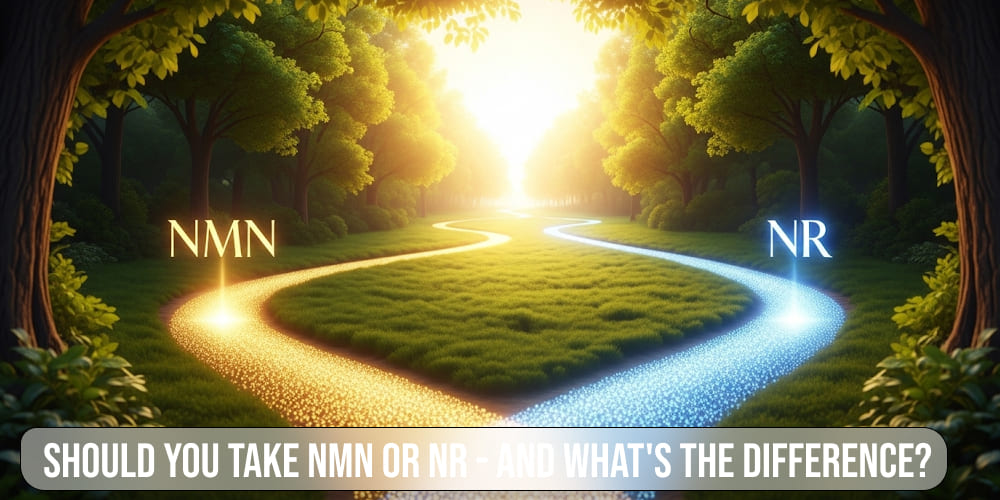
The choice between these two compounds is much like deciding between two routes that both lead to the same destination – increased NAD+ levels. Both promise improved metabolism, a surge of vitality, and mental clarity. However, just like any journey, there are subtleties. Differences in their absorption and conversion into NAD+ can influence how effectively NMN or NR will work for you. Let’s break it down to make a truly informed decision about NMN or NR.
- Both options are capable of significantly boosting NAD+ levels.
- NMN directly participates in the creation of NAD+ within our cells.
- NR requires an additional step, converting first into NMN and then into NAD+.
Behind the Scenes: How NMN or NR Transform into NAD+
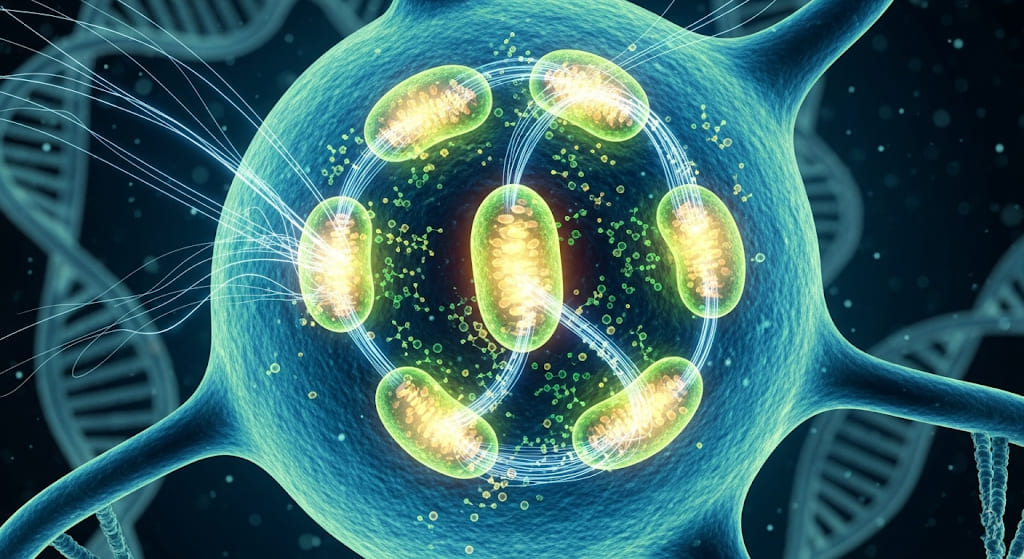
To grasp how these compounds function, let’s peek into the microscopic world of our cells. NMN (nicotinamide mononucleotide) is a true sprinter. It transforms into NAD+ almost instantaneously, thanks to the NMN-AT enzyme. Imagine a high-speed highway leading directly to the goal. Recent discoveries have even revealed that NMN has its own “private entrance” into the cell – a specialized transporter called SLC12A8, which explains its incredible efficiency and speed. This is a key differentiator when considering NMN or NR.
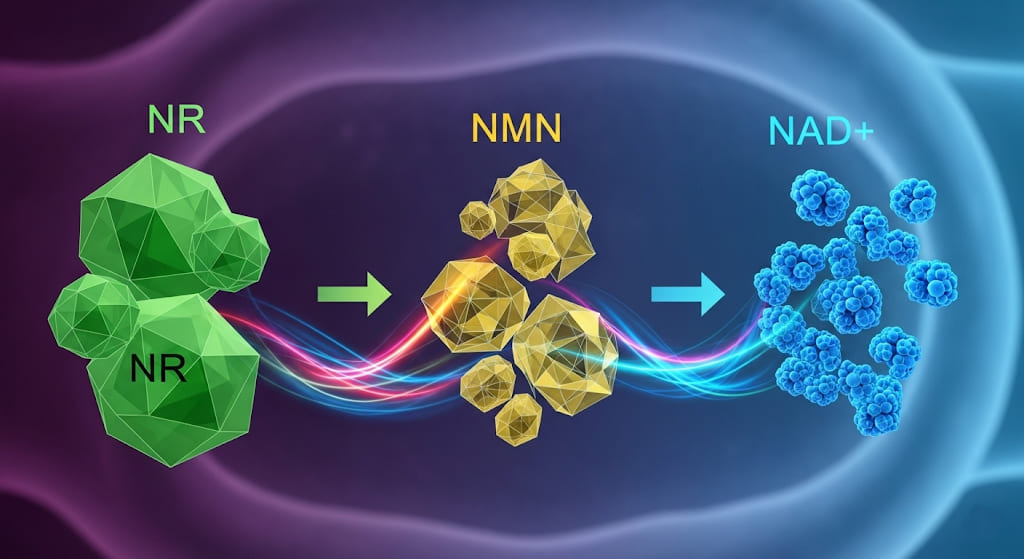
NR (nicotinamide riboside), on the other hand, is more like a relay runner. Before it can become NAD+, NR must undergo an intermediate step, converting into NMN with the help of NR-kinase enzymes. Only then can that NMN, in turn, transform into NAD+. It’s like a two-stage rocket instead of a single one. While NR’s path is slightly longer, it’s no less effective. Ultimately, both compounds achieve their goal, but their “journey” to NAD+ has unique characteristics that might be more suitable for individual needs when deciding between NMN or NR.
- NMN: A direct, fast route to NAD+ with a dedicated “transporter.”
- NR: A two-step process where NR first becomes NMN, then NAD+.
- Speed and effectiveness can vary individually when considering NMN or NR.
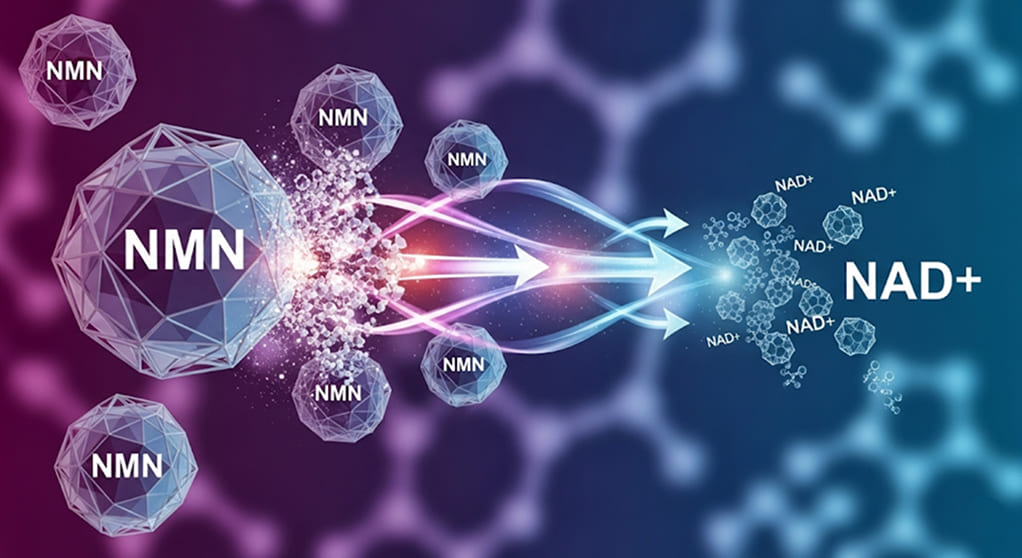
NMN: The Secret to Youth and Metabolic Harmony
The scientific community continues to marvel at the potential of NMN. One of its most intriguing aspects is its impact on the aging process. Imagine NMN being able to activate what are known as sirtuins – proteins often dubbed “guardians of youth.” They regulate cellular health, protect against damage, and help slow down aging, improving cognitive function and overall well-being. Numerous animal studies have already demonstrated that NMN can literally extend lifespan and significantly enhance quality of life in old age. This makes NMN or NR an exciting area of research for longevity.
But NMN isn’t just about fighting old age. It’s extensively researched as a powerful ally in maintaining metabolic health. Picture your body becoming more efficient at utilizing energy, insulin sensitivity improving, blood sugar levels stabilizing, and your lipid profile coming into balance. This makes NMN an invaluable aid for those dealing with type 2 diabetes or metabolic syndrome. NMN also supports the function of mitochondria – our cellular “powerhouses” – providing us with energy and maintaining overall vitality. These benefits highlight the appeal of NMN or NR for comprehensive well-being.
- Activates “longevity proteins” – sirtuins, slowing down aging.
- Improves metabolism, regulating sugar and insulin levels.
- Supports mitochondrial function, boosting energy.
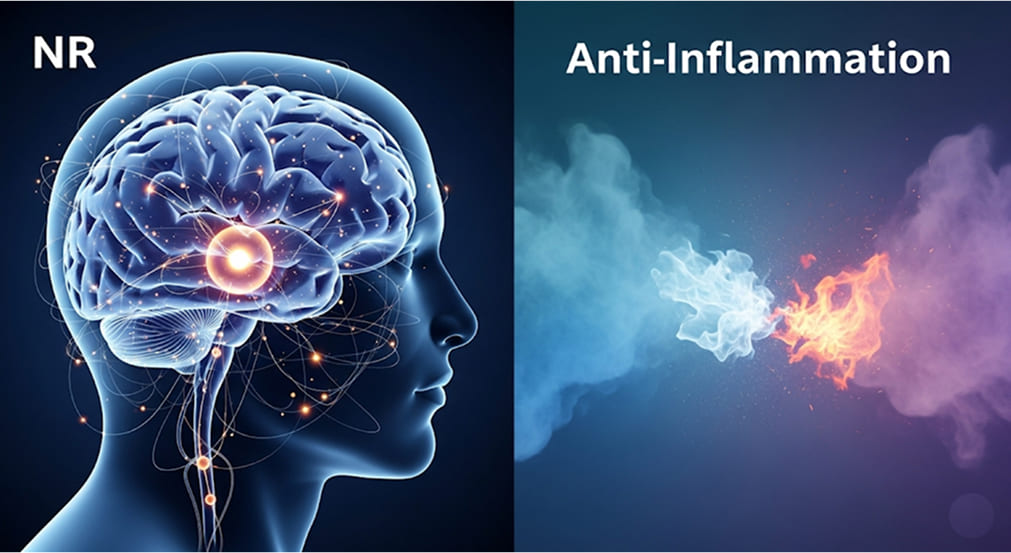
NR: A Guardian for Your Mind and a Shield Against Inflammation
Nicotinamide Riboside (NR) also boasts an impressive array of health benefits, some of which are particularly important for our brains. Imagine NR being able to cross the blood-brain barrier, like a secret agent, delivering NAD+ directly to our brain. This can significantly enhance cognitive function, memory, and protect neurons from damage. NR is emerging as a promising tool for individuals seeking to maintain sharp minds and reduce the risk of neurodegenerative diseases like Alzheimer’s. When considering brain health, the benefits of NMN or NR are both compelling.
But NR isn’t just for the brain. It’s actively studied for its anti-inflammatory properties. Chronic inflammation is a silent killer, contributing to aging and the development of many chronic diseases. Imagine NR being able to extinguish this “flame,” reducing markers of inflammation and protecting our cells from oxidative stress. This contributes to overall health improvement and reduces disease risk. Some studies even hint that NR might be more effective in certain tissues than NMN. Its versatility and potentially broader distribution in the body make it an attractive choice for comprehensive health support when comparing NMN or NR.
- Strengthens brain health, improving memory and cognitive function.
- Reduces inflammation and protects cells from oxidative stress.
- May exert specific effects on various tissues.

Absorption: Who Delivers NAD+ Faster?
When it comes to bioavailability – the body’s ability to absorb and utilize a substance – a long-standing debate existed between NMN or NR. For a long time, NMN, being a larger molecule, was thought to have difficulty entering cells directly. But science doesn’t stand still! The discovery of a specific NMN transporter (SLC12A8) was a real breakthrough. Imagine NMN having its own private, dedicated corridor directly into the cell. This completely revolutionized the understanding of its absorption, confirming its high efficiency. This discovery is a game-changer when evaluating NMN or NR.
NR, in contrast, has always been known for its excellent bioavailability. It easily enters cells and quickly converts first into NMN, and then into NAD+. Some studies even suggest that NR might be more stable in the digestive system. However, with the emergence of data on the NMN transporter, the difference in absorption between the two compounds might not be as dramatic as previously thought. Ultimately, the choice might depend on individual absorption and metabolic characteristics. It’s also crucial to consider the supplement’s form – for instance, liposomal forms can significantly enhance the bioavailability of both compounds, ensuring maximum absorption of NMN or NR.
- NMN has a “personal” transporter (SLC12A8) for direct absorption.
- NR is well-absorbed and quickly converts to NMN, then NAD+.
- Liposomal forms can significantly improve the bioavailability of both NMN or NR.
Dosage and Safety: The Sweet Spot for NMN or NR
Determining the right dosages for NMN or NR is crucial for their effective and safe use. While large-scale human studies are still ongoing, current data suggest that NMN doses ranging from 250 mg to 1000 mg per day are considered safe and sufficiently effective for raising NAD+ levels. Similarly, for NR, typical dosages range from 100 mg to 500 mg per day. It’s always advisable to start with the lowest dose and gradually increase it, carefully observing your body’s response. Dosage might vary depending on your personal goals, age, and overall health when deciding on NMN or NR.
Regarding safety, both NMN or NR have shown a good safety profile in most studies conducted so far. Side effects are rare and usually mild, such as minor digestive upset. However, as with any dietary supplement, it’s crucial to consult with a doctor before starting any regimen, especially if you have chronic health conditions or are taking other medications. Pregnant and breastfeeding women, as well as children, are not recommended to take these supplements without strict medical indications. Prioritizing safety is key when considering NMN or NR.
- NMN: Typically 250 to 1000 mg per day.
- NR: Typically 100 to 500 mg per day.
- Consult a doctor before starting any NMN or NR supplement.
Synergy or Singularity: Can You Take NMN or NR Together?
A question that many are curious about: can you take NMN or NR together? From a biochemical perspective, it makes perfect sense, as both molecules aim for the same goal – increasing NAD+ levels. Some experts even speculate that their combination might create a synergistic effect, much like two musicians playing in unison create a richer melody. Since NMN or NR utilize slightly different entry points into the cell and conversion pathways, taking them together might offer a more comprehensive and robust approach to optimizing NAD+ levels across various tissues.
However, let’s be realistic: there isn’t enough research yet to definitively confirm that taking them together provides significantly more benefits than taking each one individually at adequate dosages. Most scientific studies focus on examining each compound in isolation. If you do decide to take both NMN or NR, start with low dosages of each and carefully monitor your body’s response. Remember: “more” isn’t always “better.” Excessive dosages might not yield additional benefits but could simply increase costs. Ultimately, the choice – whether to take one, alternate, or combine NMN or NR – rests with you and your healthcare professional.
- Theoretically, combining NMN or NR is possible and may be beneficial.
- More research is needed to confirm the clear synergy of NMN or NR together.
- Start with low doses and listen to your body’s response to NMN or NR.

Making Your Choice: Which Path to Longevity is Right for You?
So, we arrive at the crucial question: NMN or NR – which one should you choose? The answer, as is often the case in biohacking, is individual. Both compounds are powerful allies in the fight for health and longevity, each with its unique advantages. If your goal is a direct and rapid increase in NAD+ levels with an emphasis on metabolic health and potential cellular anti-aging, NMN might be your ideal companion. Its direct pathway and specific transporter make it highly efficient.
On the other hand, if your priority is supporting nervous system health, improving cognitive function, and benefiting from anti-inflammatory properties, NR might be a more suitable option. Its ability to cross the blood-brain barrier and broader tissue distribution make it valuable for these purposes. Ultimately, the wisest step is to consult with a qualified specialist. Only they can assess your current health status and personal goals, providing personalized recommendations to help you choose your optimal path to active and healthy longevity with either NMN or NR.
- NMN is suited for metabolic health and cellular anti-aging.
- NR is an excellent choice for brain health and reducing inflammation.
- Always consult a healthcare professional for a personalized choice regarding NMN or NR.