

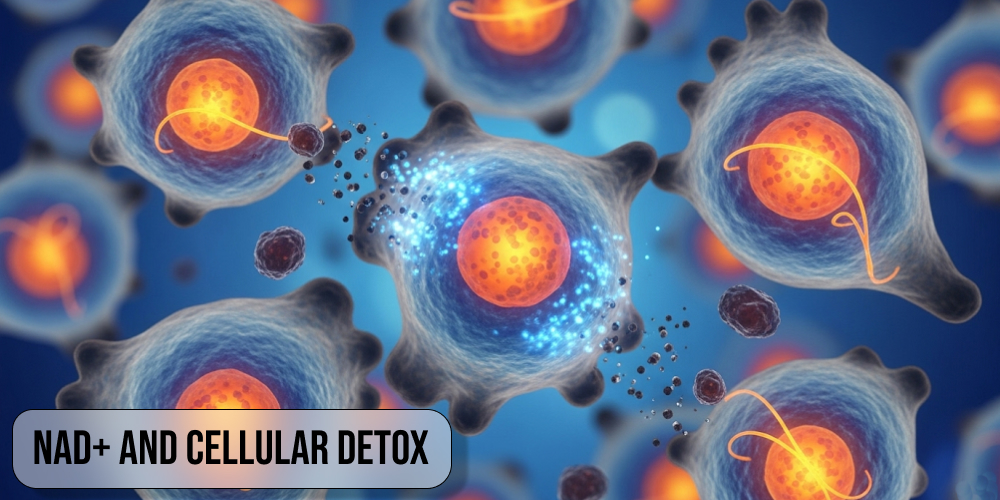
NAD+ and Cellular Detox. The relationship between NAD+ and Cellular Detox represents a cornerstone of modern health science, where molecular biology meets functional wellness. NAD+ (nicotinamide adenine dinucleotide) is a vital coenzyme present in every living cell, acting as a master regulator of energy production, DNA repair, and metabolic efficiency. It plays a critical role in processes that determine how cells function, recover, and adapt to stress.
Without sufficient NAD+, cells lose their ability to maintain optimal performance, leading to fatigue, slower recovery, and increased vulnerability to oxidative damage. On the other side, cellular detox refers to the body’s internal cleanup system — a network of processes that eliminate metabolic waste, neutralize harmful free radicals, and dismantle damaged proteins or organelles before they can cause harm.
When these two mechanisms intersect, the results can be profound. NAD+ fuels detox-related enzymes, such as sirtuins and PARPs, which not only repair genetic material but also optimize mitochondrial function — the powerhouse of the cell. An efficient mitochondrial system produces cleaner energy and fewer toxic byproducts, which in turn reduces the burden on detox pathways. This is why scientists now see NAD+ and Cellular Detox as synergistic rather than separate: each one amplifies the other’s benefits. Supporting both simultaneously may lead to improved energy levels, reduced inflammation, and better long-term cellular health.
Key takeaways:
- NAD+ drives enzymes critical for cellular repair and detox processes.
- Detox pathways keep cells free from damaging waste and toxins.
- Together, they form a powerful system for energy, resilience, and longevity.
NAD+, Detox, and Longevity
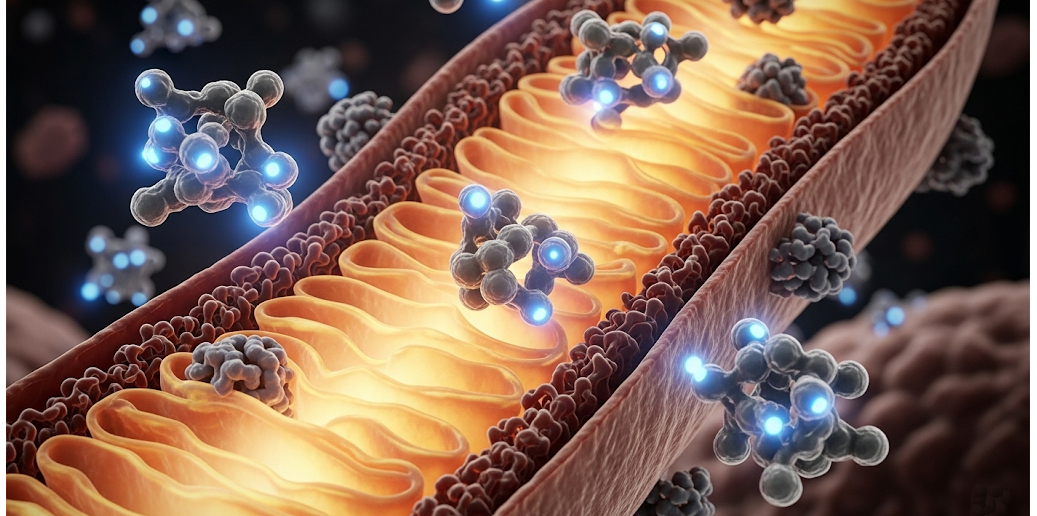
Longevity science is increasingly focused on preserving cellular function as the key to a longer, healthier life. NAD+ and Cellular Detox are central to this goal. When detox pathways remain efficient and NAD+ levels stay high, cells are less prone to molecular damage that drives aging. This means fewer dysfunctional mitochondria, less DNA damage, and a reduced risk of chronic diseases like neurodegeneration or cardiovascular decline.
The long-term benefits of optimizing NAD+ and detox systems go beyond lifespan — they enhance healthspan, the years lived in good health. People who maintain these systems often report higher daily energy, better stress resilience, and faster recovery from illness or exertion. With ongoing research, it’s likely that targeted NAD+ and detox protocols will become a mainstay in anti-aging medicine, providing tools for sustainable, cellular-level rejuvenation.
That’s how NAD+ and Cellular Detox help u be longevity:
- Reduced accumulation of cellular waste over decades.
- Greater resilience to age-related diseases.
- Sustained energy and cognitive performance into later life.

How NAD+ Powers the Body’s Natural Detox Pathways
The body’s natural detoxification systems operate on a cellular level, removing unwanted compounds and maintaining biochemical balance. This process isn’t just about the liver or kidneys; it’s about every cell having the capacity to clean itself from within. NAD+ and Cellular Detox are deeply intertwined in this process. NAD+ serves as an essential fuel for sirtuins, which regulate stress response genes, mitochondrial quality, and cellular survival mechanisms. Through these pathways, NAD+ indirectly influences the efficiency of autophagy — the self-cleaning mechanism that recycles damaged proteins and organelles, turning them into raw materials for new cell structures.
The higher the NAD+ levels, the more active these protective and regenerative systems can be. For example, NAD+ can enhance glutathione recycling — glutathione being one of the body’s most powerful antioxidants and detox agents. This means better protection against oxidative stress and more efficient neutralization of harmful compounds. Without adequate NAD+, detoxification slows down, waste builds up, and cellular efficiency drops. By focusing on NAD+ and Cellular Detox together, it becomes possible to maintain high-performance cellular systems that not only work efficiently but also adapt better to external stressors like pollution or intense physical exertion.
Key benefits:
- Increased activation of sirtuins for detox regulation.
- Enhanced antioxidant recycling via glutathione pathways.
- Improved autophagy for cellular waste removal.
The Link Between NAD+ Levels and Cellular Health
Cellular health depends on a balance between energy production, repair, and waste elimination. NAD+ is a central figure in this equation. As we age, NAD+ levels decline naturally, reducing the body’s ability to activate enzymes that govern detoxification and DNA repair. This leads to an accumulation of damaged molecules, dysfunctional mitochondria, and chronic low-grade inflammation. The connection between NAD+ and Cellular Detox becomes increasingly important here — higher NAD+ levels directly correlate with better detox performance, which in turn preserves cellular function over time.
Maintaining optimal NAD+ helps ensure that detox pathways, such as autophagy and phase II liver detoxification, remain active. This also means that oxidative stress, one of the main culprits in cellular aging, can be managed more effectively. In practical terms, people with healthy NAD+ levels may experience better energy, sharper cognitive function, and faster recovery from physical and environmental stress. When NAD+ is depleted, these benefits diminish, and cells become more vulnerable to cumulative damage. The science is clear: to protect and preserve cellular health, NAD+ and Cellular Detox must be supported together.
Core insights with NAD+ and Cellular Detox:
- Declining NAD+ levels hinder detox efficiency and repair.
- Sustaining NAD+ keeps waste-clearing systems active.
- Healthy NAD+ supports long-term vitality and cellular resilience.
How Boosting NAD+ Enhances Detox Efficiency
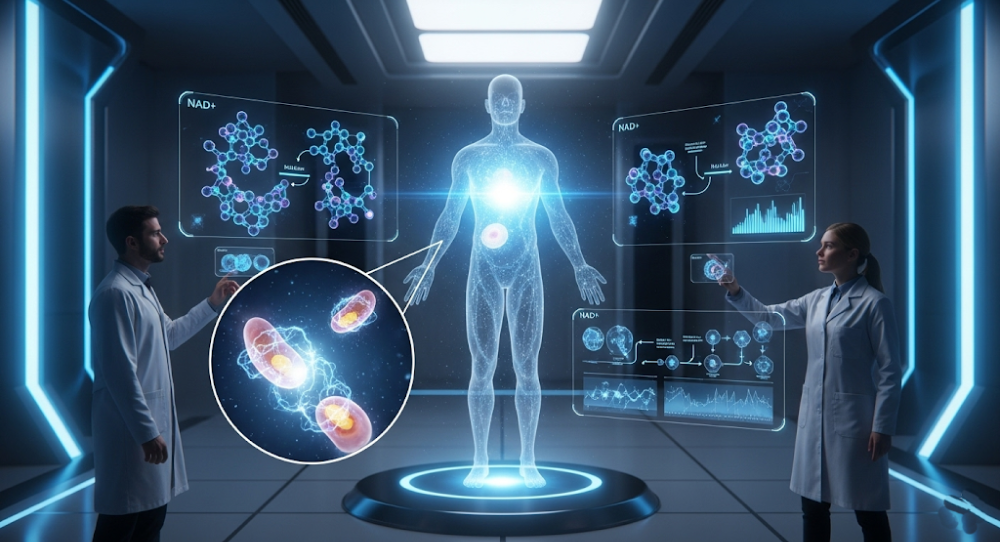
Elevating NAD+ levels is like upgrading the operating system of your cells. Higher NAD+ availability means more fuel for sirtuins, PARPs, and other enzymes involved in repair and detoxification. This leads to faster turnover of damaged proteins, better mitochondrial recycling (mitophagy), and reduced production of harmful reactive oxygen species. In the context of NAD+ and Cellular Detox, this results in a feedback loop: cleaner cells operate more efficiently, produce less waste, and thus place less strain on detox systems, allowing them to work even more effectively.
Emerging studies show that boosting NAD+ can also regulate inflammatory responses, further aiding detoxification. Chronic inflammation often clogs cellular systems and damages vital structures, increasing the need for cleanup. By lowering inflammation, NAD+ frees up the detox machinery to focus on its primary job — removing toxins and repairing damage. This is why NAD+ elevation is now being linked not just to improved energy and cognition but also to deeper, more lasting cellular purification.
Boosting NAD+ achieves:
- Stronger activation of detox and repair enzymes.
- Reduced inflammation and oxidative stress load.
- Greater efficiency in cellular recycling processes.
Lifestyle Habits That Support NAD+ and Cellular Detox
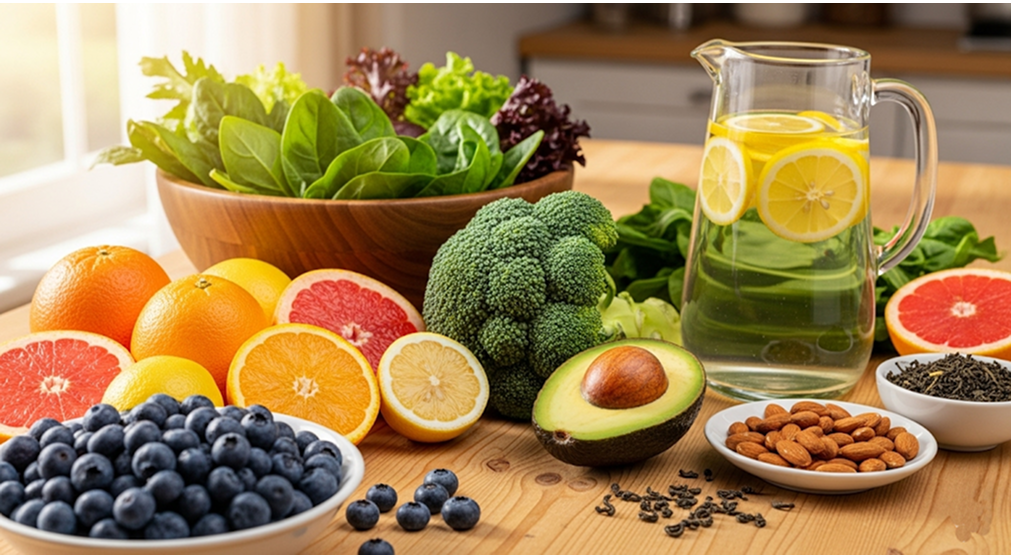
While supplements are powerful tools, everyday habits form the foundation of NAD+ and detox health. Regular physical activity stimulates NAD+ production naturally, as does intermittent fasting, which also activates autophagy. Quality sleep is equally critical, as many repair and detox processes are most active during deep rest. On the other hand, high sugar diets, excessive alcohol, and environmental toxin exposure can deplete NAD+ and overload detox pathways, accelerating cellular wear and tear.
Supporting NAD+ and Cellular Detox requires a holistic approach. Nutrient-rich foods, particularly those high in antioxidants, can complement NAD+ production by reducing the oxidative burden on cells. Hydration aids in flushing metabolic waste, while stress management techniques like meditation and breathwork prevent stress-induced NAD+ depletion. Building these habits into daily life ensures that both NAD+ levels and detox systems remain in sync, protecting cellular health over the long term.
Best practices include:
- Consistent exercise and periods of calorie restriction.
- Antioxidant-rich diet and proper hydration.
- Minimizing environmental and dietary toxins.
NAD+ Supplementation and Detox Performance
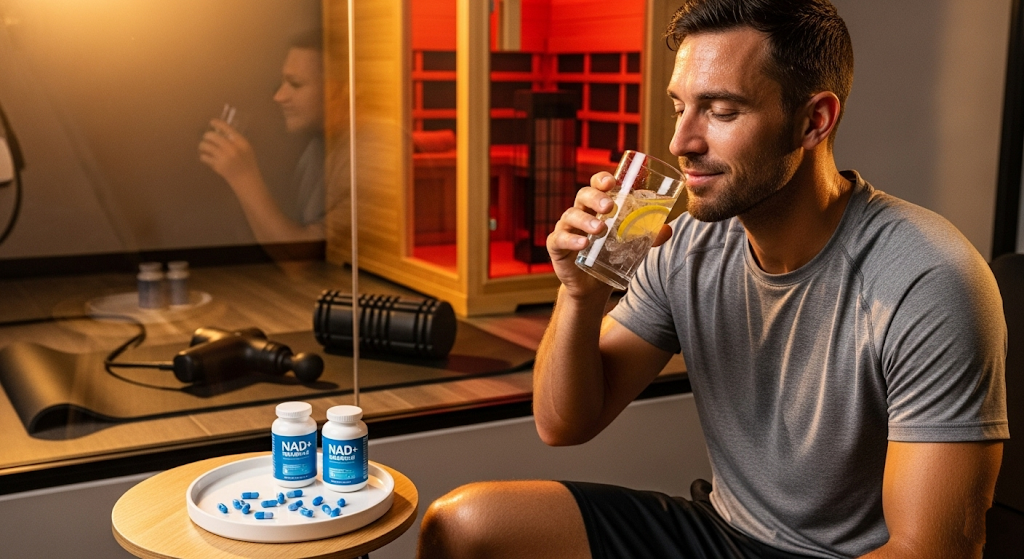
Supplementing with NAD+ precursors like NMN (nicotinamide mononucleotide) or NR (nicotinamide riboside) has become a popular way to restore NAD+ levels, especially as we age. These compounds are readily converted into NAD+ within cells, providing a direct boost to detox and repair systems. In the context of NAD+ and Cellular Detox, supplementation can help sustain mitochondrial health, speed up recovery from stress, and maintain optimal energy output.
However, supplementation works best when combined with a supportive lifestyle. A nutrient-dense diet ensures that the enzymes responsible for converting precursors into NAD+ have all the co-factors they need. Without these, even the best supplements may deliver suboptimal results. Pairing supplementation with regular detox-supportive practices — like sauna therapy, hydration, and antioxidant intake — creates an environment where elevated NAD+ can be fully utilized for cellular cleanup.
Effective supplementation strategy:
- Use bioavailable NAD+ precursors such as NMN or NR.
- Combine with nutrient-dense diet for optimal conversion.
- Pair with lifestyle detox practices for maximum benefit.
The Future of NAD+ and Cellular Detox Research
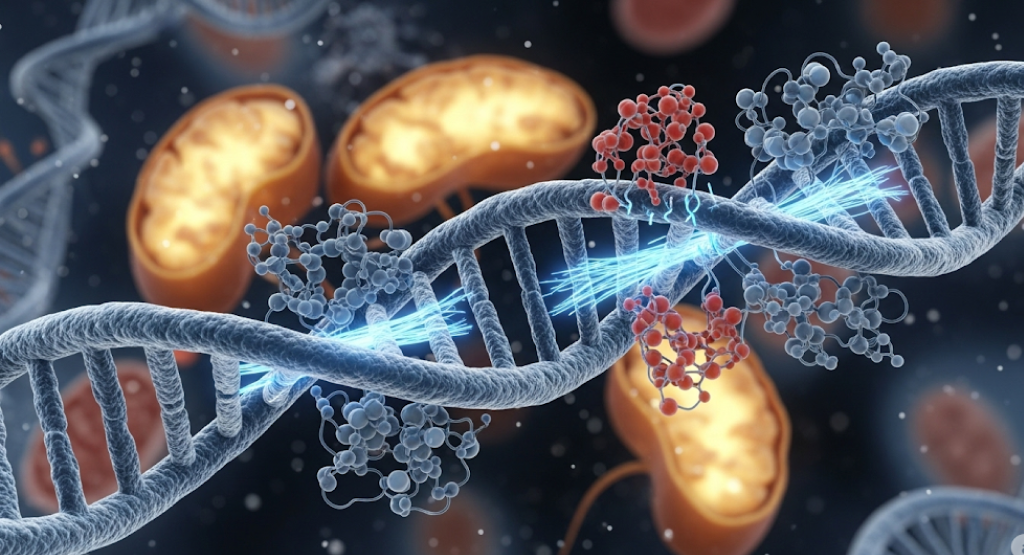
The field of NAD+ and Cellular Detox is rapidly evolving, driven by advancements in both molecular biology and nutritional science. Researchers are now uncovering the exact mechanisms by which NAD+ influences cellular cleanup processes, from activating sirtuins that regulate genetic stability to enhancing autophagy pathways that recycle damaged components. With the growing focus on longevity and preventive healthcare, NAD+ is no longer seen as just a coenzyme—it’s becoming a key target for therapies designed to optimize cellular performance.
Scientific teams are also working to develop innovative methods of boosting NAD+ levels, such as sustained-release supplements, NAD+ precursors with enhanced bioavailability, and even NAD+ infusions that can deliver results within hours rather than weeks. These innovations aim to make NAD+ optimization accessible to a broader audience, from athletes looking to speed recovery to individuals managing chronic fatigue or age-related decline.
In parallel, the concept of cellular detox is expanding beyond simply removing waste to include optimizing the biochemical environment in which cells operate. This means future protocols might combine NAD+ enhancement with targeted antioxidant therapy, personalized nutrition, and precision-based detox plans informed by genetic testing. The synergy between NAD+ and detox pathways could become a cornerstone of anti-aging and chronic disease prevention strategies worldwide.
We may soon see a shift where routine health check-ups include NAD+ level assessments, personalized supplementation plans, and detox monitoring as standard practice. The ultimate vision is to integrate NAD+ and Cellular Detox into everyday wellness—ensuring that everyone has the tools to keep their cells clean, energized, and functioning at their full potential for decades to come.
Key prospects for the future:
- Next-generation NAD+ supplements with higher bioavailability and sustained effects.
- Personalized detox programs integrating NAD+ enhancement with targeted nutrition.
- Mainstream adoption of NAD+ and detox monitoring as part of preventive healthcare.


