
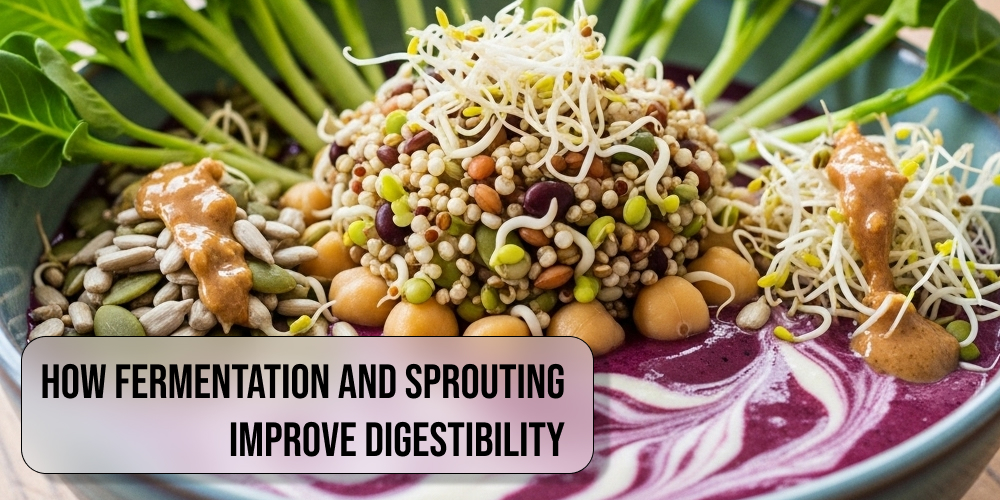
When exploring how fermentation and sprouting improve digestibility, it becomes clear that both processes reshape the nutritional value of foods. Fermentation uses beneficial microorganisms to break down complex carbohydrates, proteins, and antinutrients into simpler, more absorbable compounds. This transformation not only reduces digestive discomfort but also increases the bioavailability of vitamins and minerals. Sprouting, on the other hand, activates natural enzymes within seeds and legumes, converting stored starches into simpler sugars and enhancing amino acid profiles. Together, these methods make food easier on the stomach and more nutrient-dense, giving people a natural way to optimize their diet without artificial additives.
Understanding how fermentation and sprouting improve digestibility also highlights the importance of tradition meeting science. Ancient cultures worldwide relied on fermentation and sprouting long before modern nutrition research confirmed their value. Today, people rediscover these practices for their ability to reduce bloating, gas, and indigestion often caused by raw legumes, grains, or certain plant proteins. The processes eliminate antinutritional factors like phytic acid and lectins, which block mineral absorption and hinder digestion. By incorporating sprouted or fermented foods into a modern diet, individuals can take advantage of centuries-old wisdom now backed by research.
- Breaks down complex compounds and antinutrients.
- Activates enzymes that improve digestibility.
- Reduces bloating, gas, and indigestion.

Gut Health Benefits of Fermented and Sprouted Foods
One of the clearest examples of how fermentation and sprouting improve digestibility is their impact on gut health. Fermented foods such as kimchi, sauerkraut, and kefir introduce probiotics that balance the gut microbiome, supporting smoother digestion and reduced inflammation. These beneficial bacteria help break down food more effectively, alleviating common issues like constipation and bloating. Sprouted foods contribute by reducing fiber harshness and enhancing soluble fiber content, which promotes gentle digestion and supports healthy gut motility. The result is a more harmonious digestive process that benefits the entire body.
Additionally, when considering how fermentation and sprouting improve digestibility, the gut’s ability to absorb micronutrients plays a critical role. Sprouting increases vitamin C, B vitamins, and certain antioxidants, while fermentation enriches food with bioactive peptides and organic acids. Together, they help maximize nutrient uptake, ensuring that essential minerals like iron, calcium, and zinc are better absorbed. People who integrate sprouted and fermented foods into their diet often report improved energy levels and reduced digestive distress, making these foods powerful allies for anyone struggling with digestive sensitivities.
- Introduces probiotics that restore microbiome balance.
- Enhances micronutrient absorption for more energy.
- Improves gut motility and reduces discomfort.
Nutrient Bioavailability and Energy Release
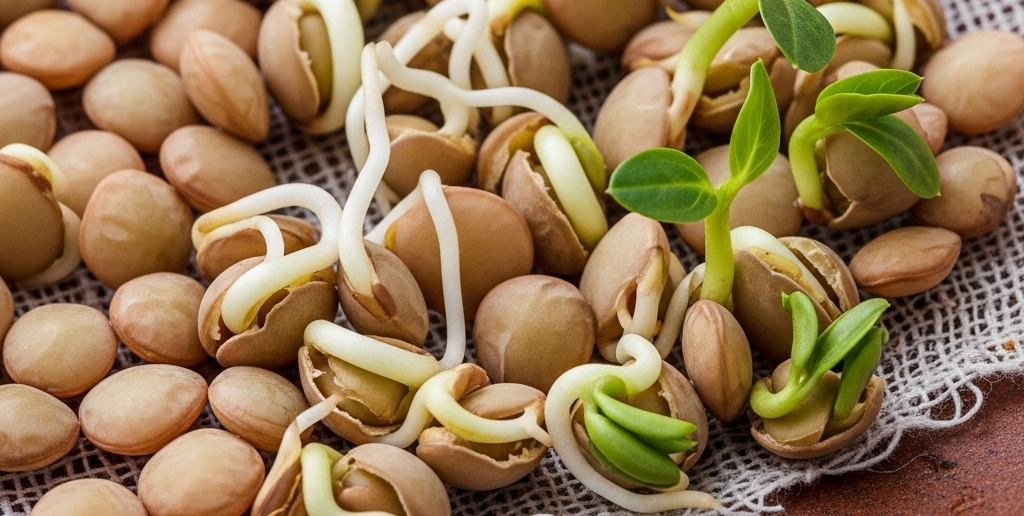
A crucial aspect of how fermentation and sprouting improve digestibility lies in nutrient bioavailability. Sprouted grains and legumes show a marked reduction in phytic acid, a compound known to block mineral absorption. This means nutrients like magnesium and zinc become easier for the body to utilize. Fermentation enhances this effect by predigesting proteins and complex starches, freeing up amino acids and simple sugars that fuel energy production. As a result, foods that once felt heavy or difficult to process become lighter, more energizing, and better tolerated.
Looking deeper into how fermentation and sprouting improve digestibility, the energy release is not just physical but also metabolic. Because sprouted and fermented foods break down into simpler compounds, the digestive system requires less effort to process them. This translates into smoother energy levels throughout the day, without the fatigue that often follows heavy meals. Athletes, busy professionals, and those with sensitive digestion can benefit significantly from these foods, as they deliver sustained fuel without triggering digestive strain.
- Reduces phytic acid and boosts mineral bioavailability.
- Provides sustained, smooth energy release.
- Makes food lighter and easier to digest.
Practical Applications in Modern Diets
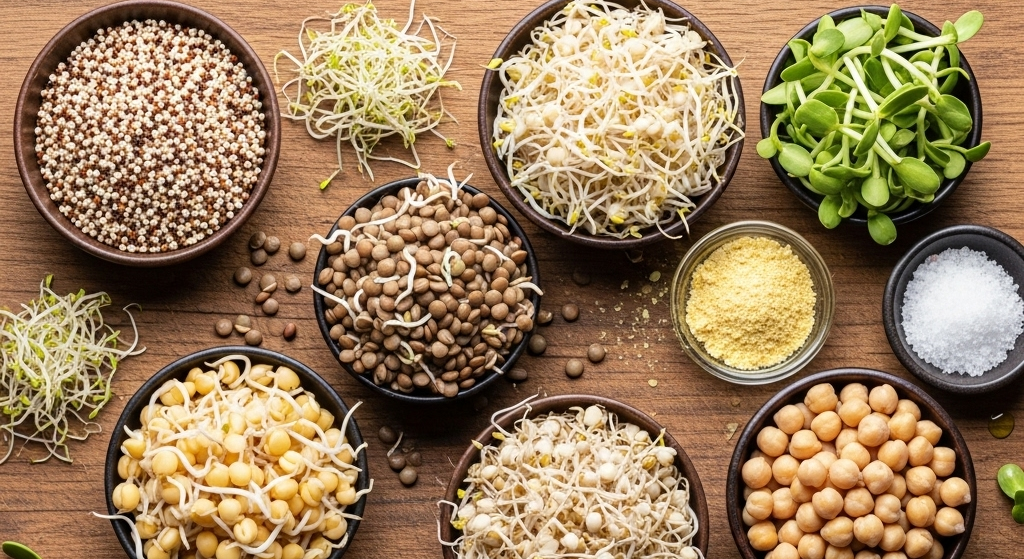
When thinking about how fermentation and sprouting improve digestibility, the practical applications are endless. Many people incorporate sprouted legumes into salads, smoothies, and baked goods, while fermented foods enhance savory dishes with tangy flavors. These foods can replace less digestible options in everyday meals, making plant-based diets more approachable and enjoyable. For example, sprouted lentils cook faster, while fermented sourdough bread offers more flavor and easier digestibility compared to conventional bread.
Another perspective on how fermentation and sprouting improve digestibility is the balance they bring to restrictive diets. Vegans and vegetarians, who often rely heavily on legumes and grains, can reduce discomfort by sprouting or fermenting their staples. Similarly, individuals with mild gluten sensitivity may find sourdough more tolerable than regular wheat bread. These methods are not just about making food healthier—they make food more accessible and enjoyable for people with diverse dietary needs.
- Adds variety and flavor to everyday meals.
- Supports plant-based and gluten-sensitive diets.
- Makes healthier eating sustainable and enjoyable.

Enzyme Activation and Protein Utilization
One key way how fermentation and sprouting improve digestibility is by activating enzymes that enhance protein utilization. During sprouting, endogenous enzymes such as amylase, protease, and phytase become active, breaking down complex carbohydrates and proteins into simpler, absorbable forms. This enzymatic activity makes plant-based proteins, like those in beans and lentils, easier to digest and more effective in supporting muscle repair and overall nutrition. Fermentation complements this by pre-digesting proteins with microbial enzymes, further reducing gastrointestinal strain and enhancing amino acid availability.
Moreover, understanding how fermentation and sprouting improve digestibility shows that these processes can help individuals struggling with digestive sensitivities. By breaking down proteins into smaller peptides, sprouted and fermented foods minimize the occurrence of bloating and gas commonly associated with legumes and whole grains. They also enhance the absorption of essential amino acids, contributing to overall nutritional efficiency and improving the body’s ability to utilize these proteins for energy, growth, and recovery.
- Activates natural enzymes for better nutrient breakdown.
- Enhances amino acid absorption and protein efficiency.
- Reduces gastrointestinal strain from plant-based foods.
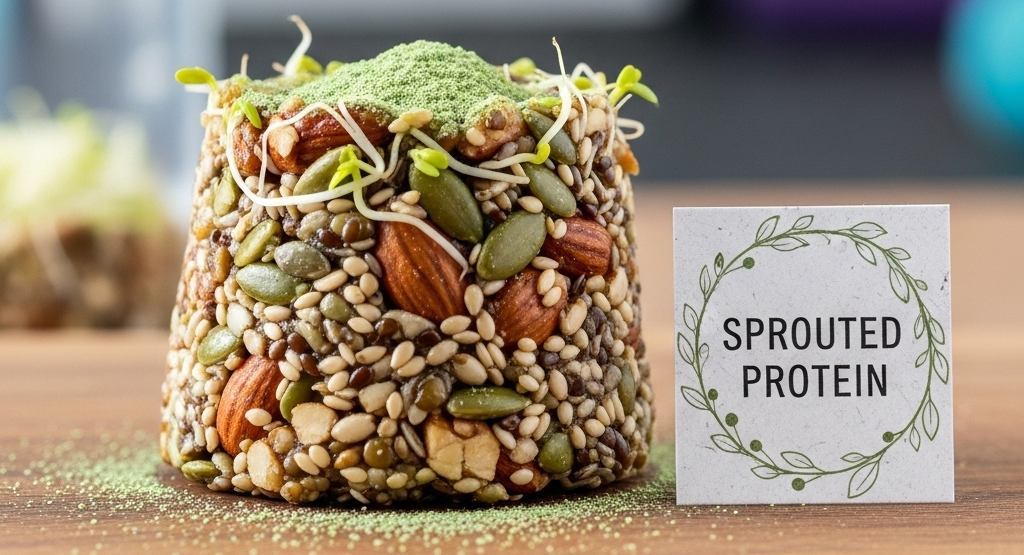
Antioxidant Boost and Reduced Inflammation
Another important benefit of how fermentation and sprouting improve digestibility lies in their antioxidant potential. Sprouting increases the levels of bioactive compounds, including vitamins C and E, flavonoids, and phenolic acids, which help combat oxidative stress in the body. Fermented foods contribute additional bioactive peptides and organic acids that have anti-inflammatory effects. Combined, these processes support gut health, reduce systemic inflammation, and help prevent chronic digestive discomfort.
Additionally, exploring how fermentation and sprouting improve digestibility demonstrates a link between these foods and overall immune support. A healthier gut microbiome supported by fermented foods strengthens immune function, while sprouted foods provide enhanced vitamins and minerals critical for immune regulation. For individuals with digestive issues or inflammation-related conditions, these foods offer a natural way to support health without relying on supplements or medications.
- Increases antioxidant content for cellular protection.
- Supports anti-inflammatory processes in the gut.
- Boosts immunity through enhanced nutrient absorption.

Integration Into Everyday Meals
Finally, practical application is key when considering how fermentation and sprouting improve digestibility. Incorporating sprouted grains, legumes, and seeds into daily meals can be as simple as adding sprouted lentils to salads or using sprouted flour in baked goods. Fermented products such as kimchi, yogurt, and miso can enhance the flavor, digestibility, and nutritional value of main dishes. These practices provide an easy way to enjoy improved digestion and nutrient uptake consistently.
Furthermore, exploring how fermentation and sprouting improve digestibility encourages people to diversify their diets. Sprouted and fermented foods are versatile, fitting seamlessly into plant-based, gluten-free, or high-protein diets. Regular inclusion of these foods can transform gut health, reduce bloating, and ensure more effective absorption of essential nutrients, making a balanced diet easier to maintain.
- Easily incorporated into a variety of meals.
- Suitable for diverse dietary preferences and restrictions.
- Promotes consistent gut health and nutrient absorption.

Final Thoughts
Understanding how fermentation and sprouting improve digestibility provides a comprehensive view of the benefits of sprouted and fermented proteins. These processes do more than simply make proteins easier to digest—they enhance the overall nutritional profile, improve amino acid bioavailability, and support gut health. For individuals struggling with digestive discomfort, incorporating sprouted legumes, grains, and seeds into meals can reduce bloating and gas, allowing for a smoother digestion experience. Fermentation adds another layer of benefits by introducing probiotics and bioactive compounds that regulate gut microbiota and further ease the digestive process.
Regular consumption of sprouted and fermented proteins ensures that your body receives maximum nutritional value from plant-based sources. The enzymatic activity triggered during sprouting breaks down anti-nutrients, freeing up essential minerals such as iron, zinc, and magnesium, which are often bound and less bioavailable in raw seeds and grains. Fermented proteins provide similar benefits, with microbial activity partially pre-digesting proteins and enhancing amino acid absorption. Together, these processes create a functional food experience that supports not only digestion but also metabolic efficiency, muscle recovery, and overall vitality.
Incorporating these foods into daily meals is easier than many expect. Sprouted lentils can be tossed into salads or soups, sprouted flours can be used in baking, and fermented products like miso, tempeh, or yogurt-based items can complement both main dishes and snacks. By consistently integrating these nutrient-dense foods, individuals can create a diet that naturally supports gut health, reduces gastrointestinal discomfort, and maximizes nutrient uptake. For those following plant-based, vegan, or high-protein diets, sprouted and fermented proteins are particularly valuable, providing all the essential amino acids while minimizing digestive issues.
Another key benefit is their impact on long-term wellness. How fermentation and sprouting improve digestibility is closely linked to gut microbiome health. A healthy gut not only facilitates better nutrient absorption but also contributes to immune function, reduced inflammation, and even mental well-being. By choosing sprouted and fermented proteins regularly, individuals are taking proactive steps toward maintaining a balanced microbiome, supporting both digestive and systemic health.
Finally, adopting sprouted and fermented proteins encourages a mindful approach to eating. These foods highlight the connection between food preparation, nutrient availability, and health outcomes. The combination of sprouted protein and fermented protein ensures that you receive both high bioavailability and functional benefits, making them superior alternatives to conventional protein powders or minimally processed plant proteins. Over time, this approach can lead to improved digestion, increased energy, and a stronger overall nutritional foundation.
Top 3 Takeaways:
- Sprouted and fermented proteins enhance nutrient bioavailability and amino acid absorption.
- They support gut health, reduce bloating, and improve overall digestive comfort.
- Regular consumption integrates seamlessly into daily meals while boosting long-term wellness.