
How Much Protein Do You Need: Complete Guide for Athletes and Non-Athletes. Protein is one of the most important nutrients that the human body requires for survival, growth, and optimal functioning. It is made up of amino acids, which serve as the building blocks for muscles, tissues, enzymes, and hormones. Proteins are essential for processes such as muscle growth, repairing damaged tissues, maintaining a healthy immune system, producing enzymes that regulate biochemical processes, and supporting metabolic functions. Without sufficient protein intake, the body cannot efficiently recover after physical activity or maintain stable energy levels. Protein is necessary not only for athletes but also for everyone who wants to maintain good health and prevent muscle loss, especially with age.
A deficiency in protein can lead to symptoms such as fatigue, poor recovery after exercise, loss of muscle mass, weakened immunity, and slower wound healing. Conversely, excessive protein consumption without a proper balance of other nutrients can overload the kidneys and liver, particularly in people with chronic illnesses. Therefore, understanding how much protein you need daily is critical.
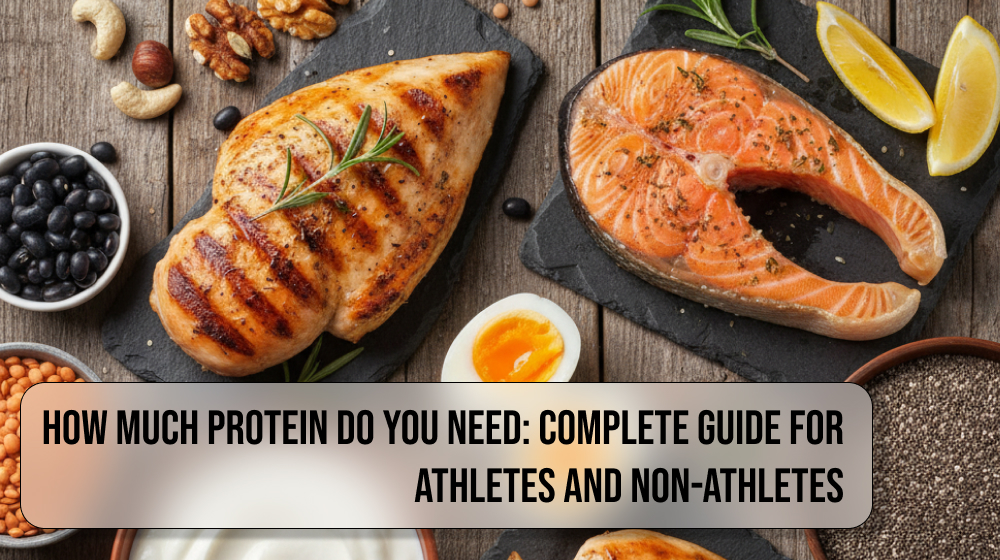
The main natural sources of protein include meat, fish, eggs, dairy products, legumes, nuts, and certain grains. Additionally, protein supplements such as powders or ready-made shakes can be used to fill nutritional gaps. The amount of protein a person requires depends on multiple factors, including age, gender, activity level, health condition, and fitness goals. A balanced protein intake supports metabolism, strengthens the body, improves recovery, and can even positively impact mental health.
Key protein functions:
- Muscle growth and tissue repair
- Immune system support
- Energy stabilization and metabolism regulation

Recommended Protein Intake for an Average Person
For people who lead an average lifestyle without intense physical activity, general recommendations suggest consuming about 0.8–1.0 grams of protein per kilogram of body weight per day. This amount is generally sufficient to meet the body’s basic needs for growth, repair, and metabolic maintenance. For example, a person weighing 70 kg should aim to consume roughly 56–70 g of protein daily. This ensures that the body receives enough amino acids for normal functioning while avoiding unnecessary strain on the digestive system.
When calculating protein needs, it is important to consider lifestyle factors. People with sedentary lifestyles who spend most of the day sitting require less protein compared to those who walk, stand, or perform light physical work. Those engaged in moderate physical activity should aim for protein consumption closer to the upper range of recommendations. Tracking protein intake throughout the day is important, as it ensures your body gets a steady supply of amino acids for repair and energy.
High-quality protein sources include meat, fish, eggs, dairy products, legumes, and whole grains. Combining different sources of protein can enhance nutrient absorption and ensure a full profile of essential amino acids. Balanced protein intake also contributes to sustained energy levels, mental clarity, and healthier skin and hair.

Protein Needs for Athletes: Why Higher Intake Is Necessary
Athletes and people engaged in regular, high-intensity physical training need a significantly higher amount of protein compared to sedentary individuals. Physical activity, especially strength training or endurance exercises, causes microdamage to muscle fibers. Protein is essential for repairing these fibers and facilitating muscle growth and adaptation. Protein intake for athletes is typically in the range of 1.6–2.2 g per kilogram of body weight per day. This ensures adequate amino acids are available for recovery and muscle synthesis.
For an athlete weighing 80 kg, this means approximately 128–176 g of protein daily. It is not only the quantity but also the timing of protein intake that matters. Consuming protein evenly throughout the day — ideally every 3–4 hours — maximizes muscle protein synthesis. After intense training, protein combined with carbohydrates helps replenish energy stores and repair muscle tissue more effectively. Inadequate protein intake slows recovery, reduces endurance, and increases the risk of injuries, while excessive protein without proper training may be stored as fat rather than being used for muscle growth. Therefore, a balanced diet with sufficient protein is essential for achieving peak performance.
Key benefits of sufficient protein for athletes:
- Faster muscle recovery
- Reduced injury risk
- Improved strength and endurance

Age and Health Conditions Affecting Protein Needs
Protein needs change with age and health status. As people grow older, muscle mass naturally decreases — a condition known as sarcopenia. To slow this process and maintain strength and mobility, older adults require a higher protein intake than younger individuals. Experts recommend 1.2–1.5 g of protein per kilogram of body weight per day for people over 60 years old. This helps preserve muscle mass, strengthen bones, and support the immune system. Protein also plays a role in maintaining skin elasticity, hair health, and overall vitality.
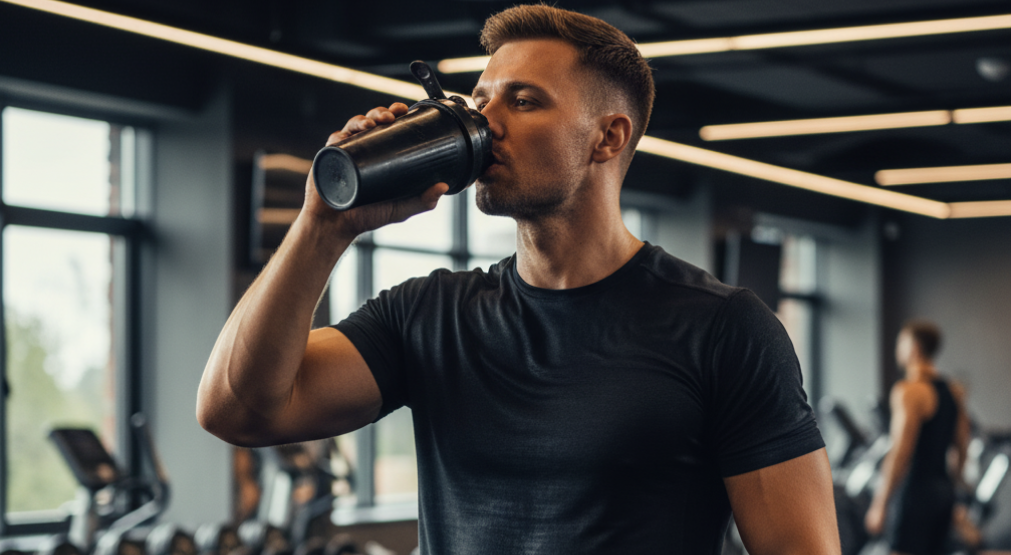
Chronic illnesses, injuries, or recovery after surgery can also increase protein requirements. In such cases, protein needs should be calculated individually with a nutritionist or healthcare provider. Easily digestible protein sources are especially important for older adults or those with digestive sensitivity. Protein powders, shakes, and supplements are convenient options for those who find it difficult to consume enough protein from food alone. Proper protein intake in these cases can speed up recovery, improve immune defense, and enhance quality of life. Choosing the right sources and amounts of protein is therefore crucial for long-term health.

How to Calculate Your Daily Protein Requirement
Calculating your daily protein requirement is an important step toward optimizing health and performance. Start by determining your body weight and activity level. The formula is simple: multiply your body weight in kilograms by the recommended grams of protein per kilogram depending on activity level. For example, for a moderately active person, use 1.0 g per kg, and for an athlete, use 1.8 g per kg.
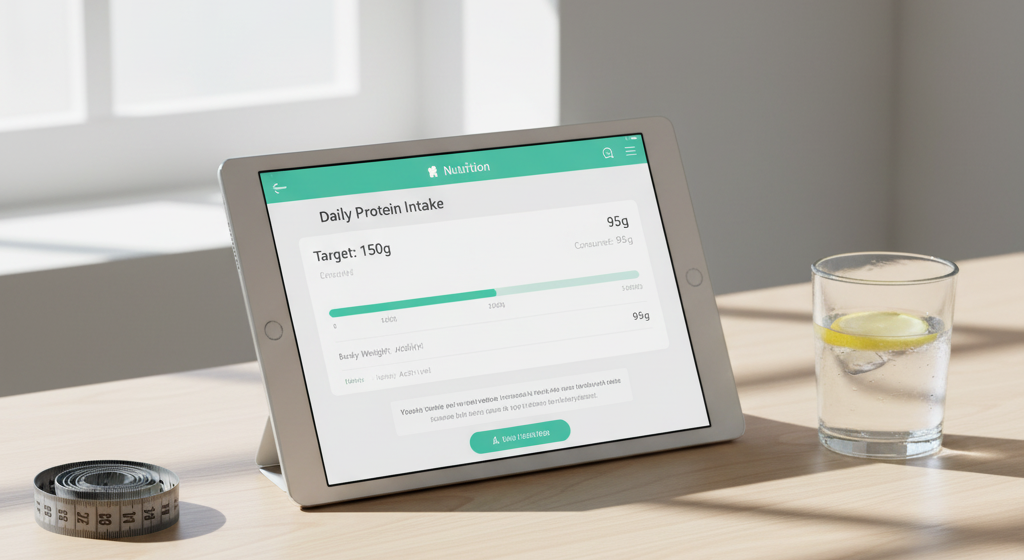
Protein should account for approximately 15–25% of total daily calorie intake. Using online tools or a food diary can help track protein consumption and ensure you are meeting your goals without exceeding your needs. Balanced protein intake supports metabolism, muscle repair, and general health. It also contributes to stable energy throughout the day and helps prevent overeating by promoting satiety. The quality of protein sources also matters — complete proteins contain all essential amino acids, while incomplete proteins require combinations of foods for optimal results. Maintaining this balance is vital for achieving your health and fitness objectives.
Three steps to calculate protein needs:
- Determine body weight
- Assess activity level
- Multiply weight by recommended protein intake
Protein Sources and Digestibility
Protein sources vary widely in their composition and digestibility. Animal proteins — such as meat, fish, eggs, and dairy — are complete proteins, containing all essential amino acids and being more readily absorbed by the body. Plant proteins — from legumes, nuts, seeds, and grains — often lack one or more essential amino acids, so they should be consumed in combination to achieve a complete amino acid profile. For athletes and those with higher protein requirements, high-quality protein sources are essential for supporting performance and recovery.
The protein content of foods varies significantly. For example, 100 g of chicken breast contains about 31 g of protein, while 100 g of cooked lentils contains about 9 g of protein. The method of cooking also affects digestibility, as some proteins may lose nutrients when exposed to high heat for prolonged periods. Combining protein with carbohydrates after exercise improves nutrient absorption and speeds recovery. Additionally, plant-based proteins can offer extra nutrients such as fiber, antioxidants, and healthy fats, contributing to overall health.

Final Thoughts: How Much Protein Do You Need: Complete Guide for Athletes and Non-Athletes
Understanding how much protein you need daily is essential for maintaining health, achieving fitness goals, and supporting overall well-being. Protein is not just a macronutrient; it is the foundation for muscle repair, immune function, hormone production, and many other vital processes. Whether you are a sedentary individual, an active person, or a professional athlete, your protein intake should be tailored to your lifestyle, body weight, age, and health condition. There is no “one size fits all” approach — a thoughtful, balanced calculation of protein needs will ensure you get enough to fuel your body without overloading your system.
For most healthy adults with a moderate lifestyle, consuming 0.8–1.0 g of protein per kilogram of body weight is generally enough. However, athletes and those engaged in high-intensity training often require significantly more — typically between 1.6–2.2 g per kilogram of body weight. Older adults, people recovering from injury, or those with certain health conditions may also need higher protein intake to maintain muscle mass and overall health. Calculating your exact needs can be done using your weight and activity level, and tracking intake through a food diary or nutrition app is an effective way to ensure consistency.
It is equally important to choose high-quality protein sources. Animal-based proteins like lean meats, fish, eggs, and dairy provide complete amino acid profiles and are generally more digestible. Plant-based proteins such as legumes, nuts, seeds, and whole grains can also meet protein needs, especially when combined strategically to ensure a complete amino acid profile. Including a variety of protein sources in your diet not only supports muscle growth and repair but also delivers other vital nutrients such as vitamins, minerals, and antioxidants.
Balancing protein intake with carbohydrates and healthy fats ensures optimal energy levels, better recovery after exercise, and stronger immunity. Over time, maintaining the right protein balance supports healthy aging, preserves muscle mass, and improves metabolic efficiency. Conversely, both insufficient and excessive protein intake can lead to health issues. Deficiency may cause muscle loss, fatigue, and slower recovery, while excess protein without adequate activity can strain the kidneys and liver.
Ultimately, the goal is not just to meet daily protein requirements, but to integrate protein into a balanced diet that supports your personal health and lifestyle goals. Whether through whole foods or high-quality supplements, consistent and balanced protein intake is a powerful tool for achieving better health, enhanced performance, and a more vibrant life.
Key takeaway:
- Calculate your protein needs based on your body weight and activity level
- Choose diverse and high-quality protein sources
- Maintain balance with other macronutrients for optimal health