

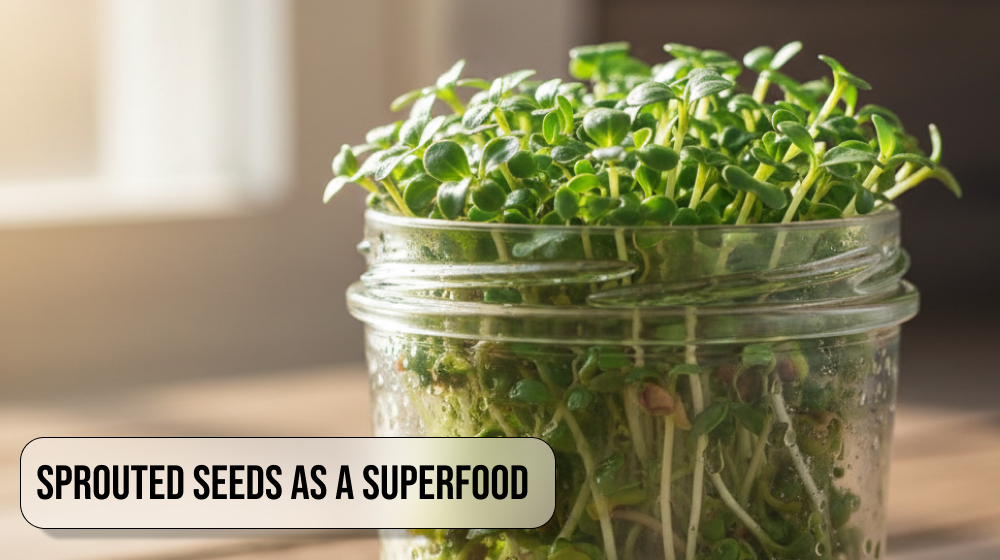
Sprouted Seeds as a Superfood. Sprouted seeds have earned recognition as one of the most potent natural superfoods available today. The sprouting process, which transforms raw seeds into nutrient-rich sprouts, changes their nutritional profile in ways that significantly improve their value for human health. Through germination, stored nutrients in seeds become more bioavailable, enzymes activate to aid digestion, and antinutritional factors decrease. As a result, sprouted seeds contain notably higher concentrations of vitamins — particularly vitamin C and the full range of B-complex vitamins — as well as essential minerals like magnesium, iron, zinc, and calcium. These nutrients are vital for maintaining healthy metabolism, enhancing immune function, and supporting cellular repair.
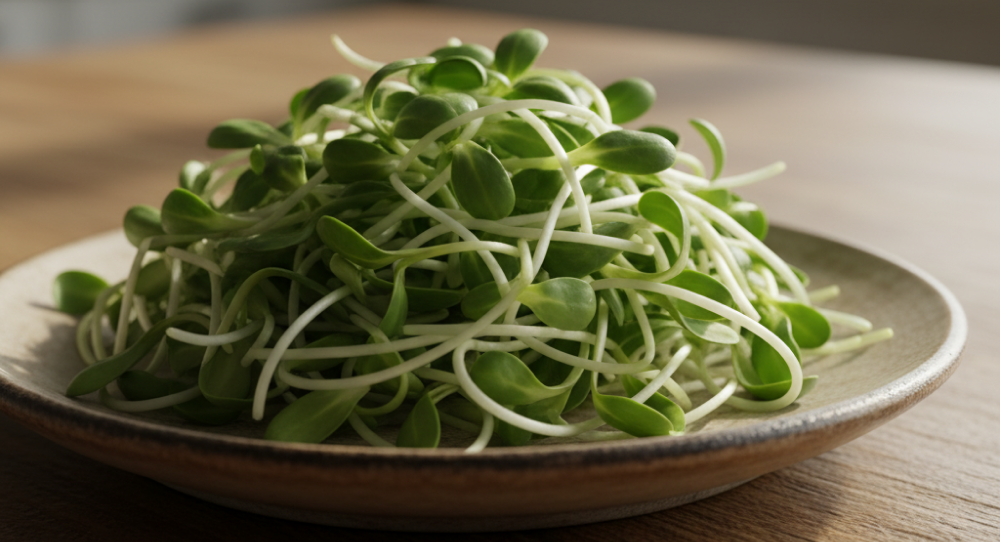
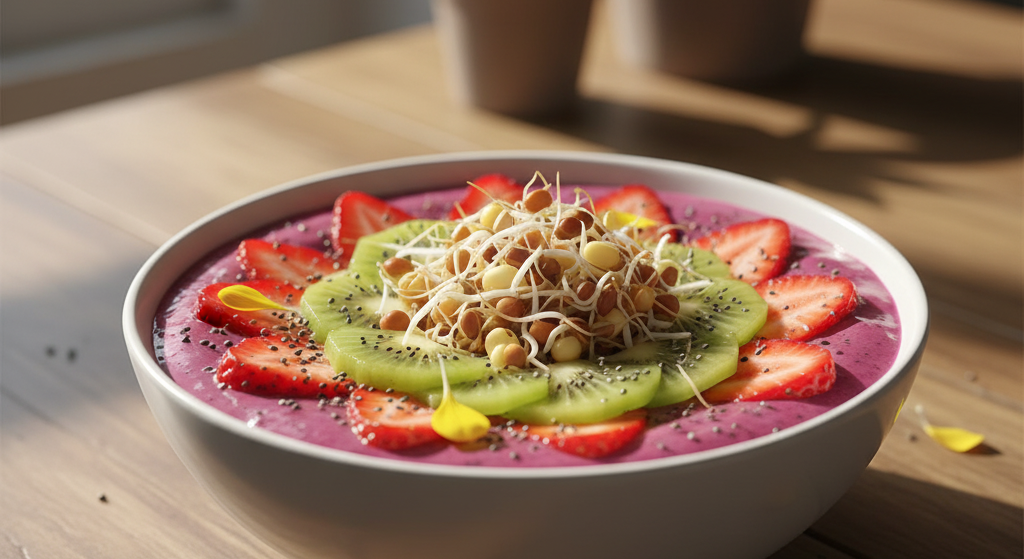
For people who value healthy eating and a nutrient-rich diet, incorporating sprouted seeds is a practical and effective choice. They are a powerful source of plant-based nutrition, providing high-quality protein and substantial amounts of dietary fiber, which promote satiety and digestive health. The dietary fiber in sprouts helps regulate bowel movements, support gut health, and reduce the risk of chronic illnesses such as type 2 diabetes and cardiovascular disease. In addition, the increased antioxidant content found in sprouts helps fight oxidative stress and inflammation, making them a natural addition for overall wellbeing. Easy to prepare and versatile in use, sprouted seeds can be enjoyed raw, added to salads, blended into smoothies, or included in soups and grain bowls.
Key benefits of sprouted seeds:
- Enhanced nutrient absorption and bioavailability.
- Rich in dietary fiber for gut health and digestion.
- High-quality, plant-based protein for overall wellness.
How Sprouting Benefits Nutrition
The process of sprouting is a remarkable natural transformation that dramatically enhances the nutritional value of seeds. During germination, enzymes activate to break down starches into simpler sugars, making sprouts easier to digest while increasing their energy content. Protein structures change into more digestible amino acids, and vitamin levels, especially vitamins C and B, increase significantly. Additionally, sprouting reduces the levels of antinutrients such as phytic acid and tannins, which can interfere with mineral absorption. This makes the nutrients in sprouted seeds not only more abundant but also easier for the body to utilize efficiently.
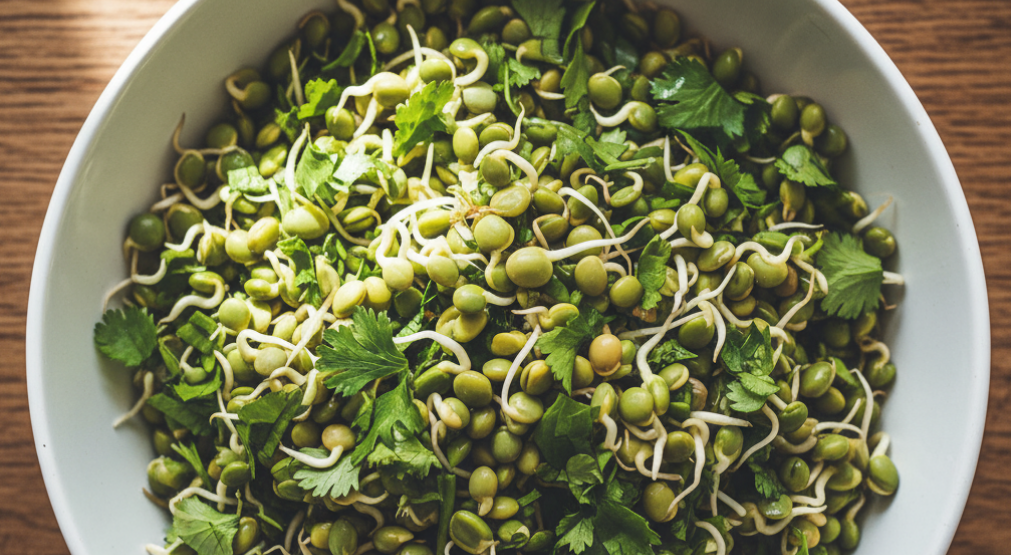
Different seeds offer distinct nutritional benefits when sprouted. Broccoli sprouts, for example, are rich in sulforaphane, a powerful antioxidant linked to anti-inflammatory effects and cellular protection. Mung bean sprouts are a concentrated source of folate, vitamin C, and magnesium, essential nutrients for energy production and immune system support. Lentil sprouts provide high levels of protein and iron, aiding muscle repair and oxygen transport in the blood. For anyone seeking healthy eating, adding a variety of sprouts to the diet can create a nutrient-dense base that supports both short-term energy and long-term health. The sprouting benefits extend beyond nutrition — they also improve taste, texture, and digestibility, making sprouts a versatile addition to everyday meals.
Varieties of Sprouted Seeds and Their Benefits
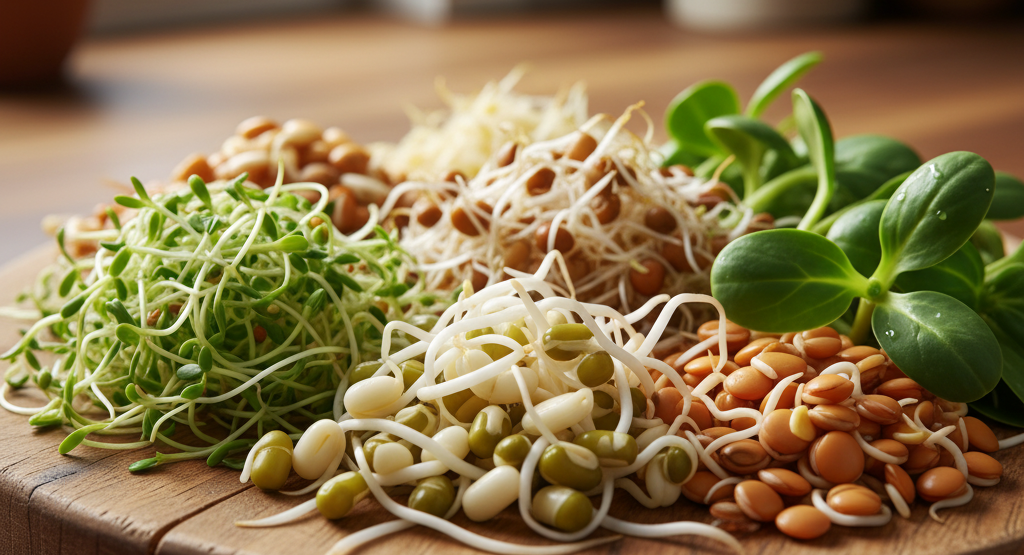
A wide variety of seeds can be sprouted, each offering unique nutritional profiles and health benefits. Popular choices include broccoli, mung bean, alfalfa, lentil, radish, and sunflower seeds. Each type provides different vitamins, minerals, and plant compounds, making them valuable additions to a healthy eating routine. Incorporating a variety of sprouts can ensure a more complete nutritional intake.
Broccoli sprouts are especially valued for their sulforaphane content, a compound with antioxidant and detoxifying properties. Mung bean sprouts are nutrient powerhouses, rich in folate, magnesium, and vitamin C, essential for energy metabolism and immune health. Alfalfa sprouts provide phytoestrogens that may benefit hormonal balance and cardiovascular health. Lentil sprouts are a rich source of protein and iron, while sunflower sprouts offer vitamin E and beneficial fatty acids.
Beyond their nutritional value, sprouts are easy to grow and inexpensive, making them accessible to most people. Growing sprouted seeds at home ensures freshness and allows control over quality, avoiding pesticides or additives. For those committed to healthy eating, home sprouting is a practical and rewarding habit.
Varieties and benefits:
- Broccoli sprouts — rich in antioxidants and sulforaphane.
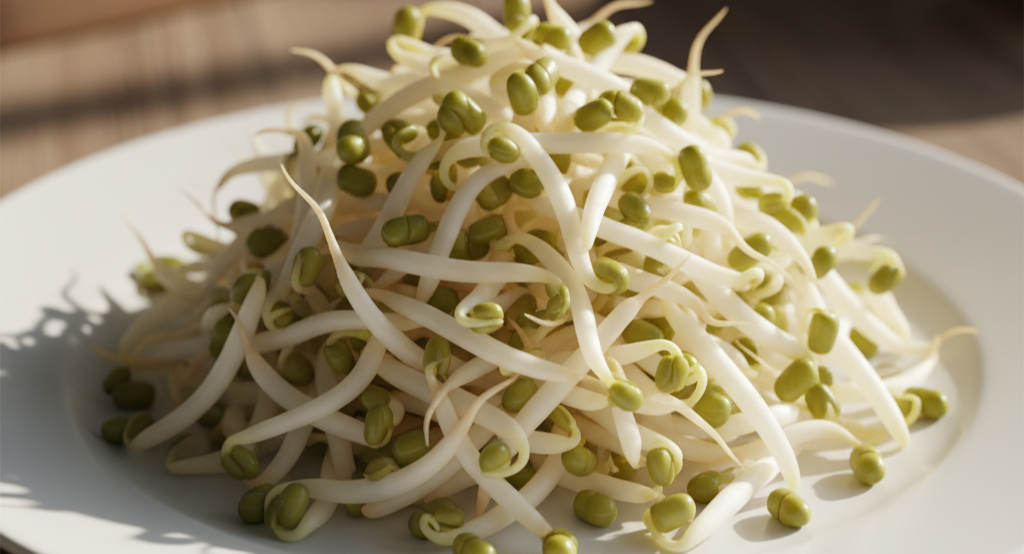
- Mung bean sprouts — high in folate and vitamin C.
- Lentil sprouts — protein-rich and iron-dense.
How to Incorporate Sprouted Seeds into Daily Diet
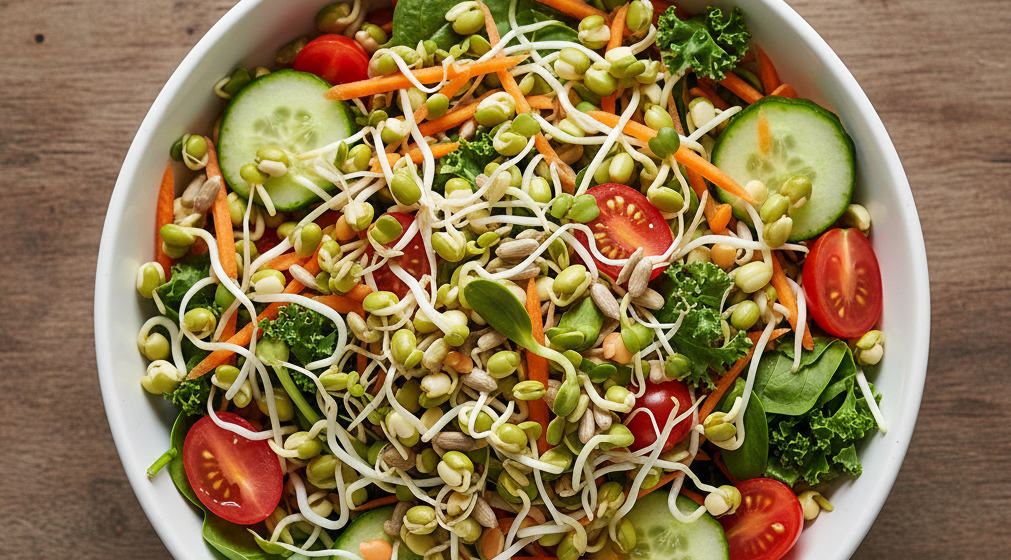
Including sprouted seeds in everyday meals is simple and versatile. They can be eaten raw, lightly steamed, or blended into a variety of dishes, making them a convenient option for boosting nutrition. Salads, sandwiches, smoothies, soups, and grain bowls are perfect vehicles for sprouts. Their texture and flavor add freshness and nutritional density to almost any dish.
For breakfast, add sprouts to avocado toast or omelets for an extra nutrient boost. Lunch ideas include mixing sprouts into salads, wraps, or grain bowls. For dinner, sprouted seeds can be added to stir-fries, pasta dishes, or soups. Smoothies benefit from sprouts as well, blending easily with fruits and vegetables for a powerful nutrient blend. Sprouts also make a nutritious snack when paired with hummus or yogurt.
For those practicing healthy eating, variety is key. Rotating different types of sprouts provides a wide array of nutrients and keeps meals exciting. Keeping a jar of ready-to-eat sprouts in the refrigerator makes it easy to add them to meals daily, maximizing their nutrition benefits without extra effort.

The Role of Sprouted Seeds in Plant-Based Nutrition
For people following a plant-based diet, sprouted seeds are a powerhouse of plant-based nutrition. They provide essential amino acids, vitamins, minerals, and dietary fiber often lacking in plant-based diets. This makes sprouts an important addition for maintaining balanced nutrition. They also support digestive health and overall wellbeing through their high fiber and antioxidant content.
Sprouts are also naturally low in calories but nutrient-dense, making them ideal for maintaining energy levels without excess caloric intake. They offer a natural, whole-food source of protein that is easy to digest, making them beneficial for muscle repair and energy production. Moreover, sprouts contribute to the diversity of plant-based diets, introducing flavors, textures, and nutritional profiles that enhance meal planning.
Beyond protein and fiber, sprouts contain a range of phytochemicals that support immunity and reduce inflammation. They are especially useful for those who want to increase micronutrient intake without relying on processed supplements. Sprouted seeds deliver nutrients in a form the body can absorb efficiently, making them an ideal choice for anyone looking to improve dietary quality naturally.
Key roles in plant-based nutrition:
- Provide essential amino acids and micronutrients.
- High in dietary fiber for digestive health.
- Offer antioxidant and anti-inflammatory benefits.
Potential Health Benefits of Regular Consumption
Regular consumption of sprouted seeds can provide long-term health benefits beyond basic nutrition. Studies show that sprouts may contribute to improved digestion, better immune function, enhanced energy metabolism, and reduced inflammation. These effects are linked to the concentration of vitamins, minerals, antioxidants, and enzymes in sprouts.
Sprouted seeds are particularly beneficial for digestive health due to their high dietary fiber content. Fiber improves bowel regularity and supports beneficial gut bacteria, which are essential for immune health. Sprouts also contain bioactive compounds that may reduce oxidative stress and support cardiovascular health. Additionally, sprouts’ ability to enhance nutrient absorption supports overall body function and long-term wellness.
For those pursuing healthy eating, sprouts can be a small yet powerful addition to the diet. Over time, incorporating sprouted seeds regularly can improve nutrient intake, digestive health, and metabolic balance. They are a simple, natural way to add variety and nutrition to meals without relying on artificial supplements.
Final Thoughts: Sprouted Seeds as a Superfood
Sprouted seeds are one of the most remarkable and accessible superfoods available today. They offer a natural and powerful way to enhance your nutrition without relying on processed foods or supplements. Through the simple process of sprouting, ordinary seeds transform into living foods packed with essential vitamins, minerals, antioxidants, enzymes, and high-quality plant-based protein. This makes them not only nutrient-dense but also highly digestible, giving your body the best chance to absorb and use those nutrients efficiently.
One of the greatest strengths of sprouts lies in their versatility. They can be incorporated into almost any meal — from fresh salads and crunchy sandwiches to nutrient-rich smoothies and hearty soups. Their delicate texture and fresh taste make them enjoyable additions to daily eating routines, while their nutritional profile ensures they add significant value to your diet. Regular consumption of sprouted seeds provides a sustained source of energy, supports digestive health through dietary fiber, strengthens the immune system, and may reduce inflammation due to their high antioxidant content.
The variety of sprouts available — including broccoli, mung bean, lentil, sunflower, and alfalfa — means you can tailor your diet to your nutritional needs and preferences. Each type offers unique benefits, allowing you to create a diverse and nutrient-rich eating plan. Incorporating multiple kinds of sprouts ensures a broad spectrum of vitamins, minerals, and plant compounds, supporting overall health and wellbeing.
Growing sprouts at home is another advantage. It’s simple, inexpensive, and sustainable, requiring minimal space and equipment. Home sprouting ensures freshness, avoids pesticides, and gives you complete control over your food source. This makes sprouts not just a healthy choice, but also an environmentally conscious one.
Ultimately, sprouted seeds represent more than just a food trend — they are a practical, affordable, and powerful superfood that can enhance your diet and lifestyle. Whether you are seeking better nutrition, digestive health, or simply a convenient way to enrich meals, sprouts offer a solution that is both delicious and nutritionally dense. By making sprouted seeds a regular part of your eating habits, you can take a meaningful step toward improved health, greater energy, and sustained wellness.
Sprouts are small but mighty — a perfect example of how simple, natural foods can deliver profound health benefits and support a balanced, wholesome diet.