
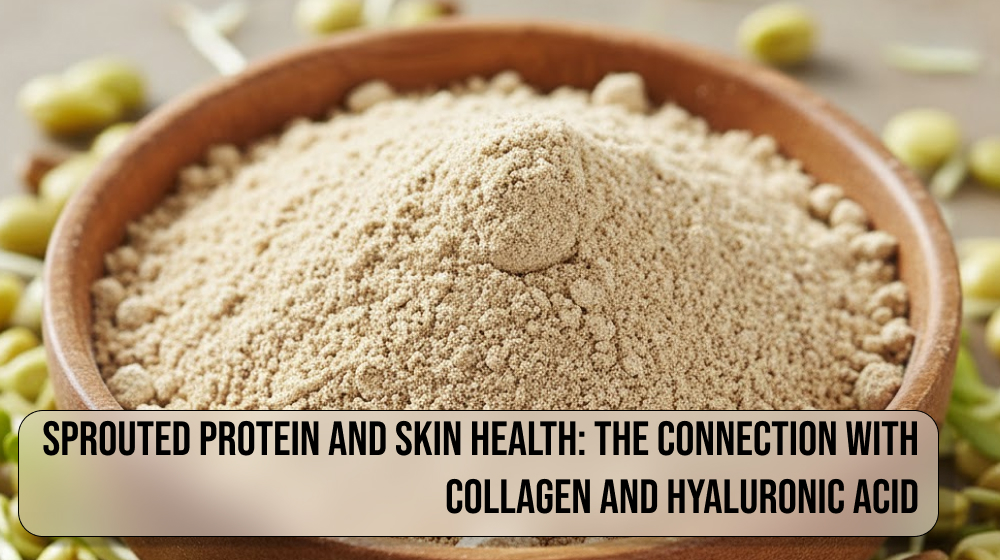
Sprouted Protein and Skin Health. Sprouted protein for skin is an exceptionally bioavailable source of amino acids, vitamins, minerals, and antioxidants essential for skin health from within. Unlike conventional protein sources, sprouted protein undergoes germination that activates enzymes, reduces antinutrients, and improves absorption. This allows the body to efficiently utilize amino acids like glycine, proline, and lysine, which are critical for synthesizing structural proteins such as collagen and hyaluronic acid. Collagen provides strength and elasticity, while hyaluronic acid attracts and retains moisture, keeping the skin hydrated and plump.

Consuming sprouted protein for skin regularly accelerates cell regeneration, improves hydration, reduces inflammation, and supports healthy dermal function. The B vitamins, magnesium, and zinc in sprouted protein enhance enzymatic processes involved in collagen production and overall skin repair. Over time, this combination strengthens the skin’s structural framework, improves texture, and gives the skin a healthy glow, all without relying solely on topical treatments or cosmetic procedures.
Key benefits of sprouted protein for skin:
- Enhances collagen and hyaluronic acid synthesis for firmer skin
- Supports natural hydration and radiance
- Protects skin from inflammation and free radical damage
Collagen and Sprouted Protein: The Foundation of Firm Skin
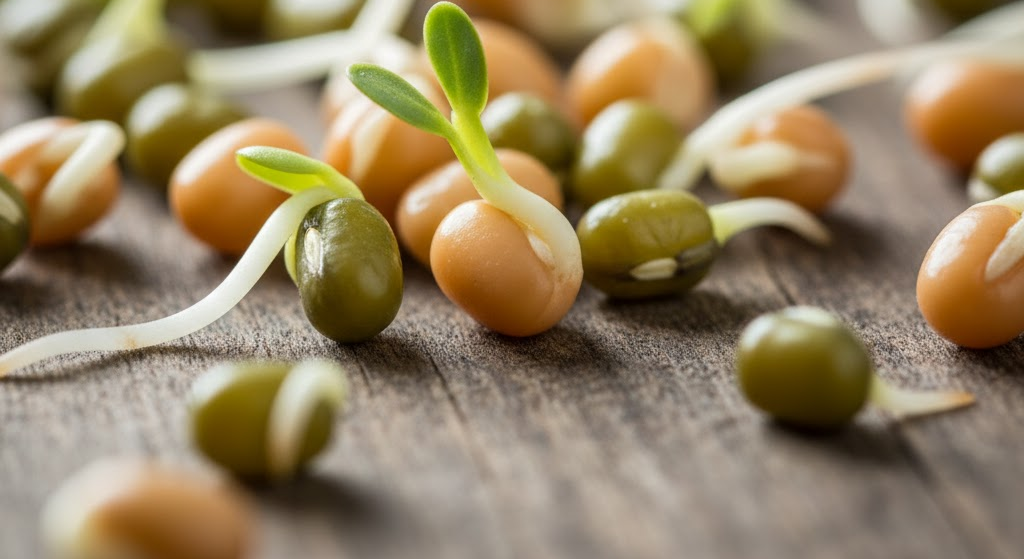
Collagen is the main structural protein of connective tissue, forming the skin’s scaffolding. The body cannot produce collagen effectively without adequate amino acids from dietary sources, making sprouted protein particularly valuable. Sprouted protein supplies glycine, proline, lysine, and other amino acids in a highly bioavailable form, providing essential building blocks for collagen synthesis. These amino acids support the formation of strong collagen fibers, improving skin firmness, reducing sagging, and maintaining structural integrity.
Beyond amino acids, sprouted protein contains antioxidants and micronutrients such as B vitamins, magnesium, and zinc, which enhance enzymatic activity for collagen synthesis and protect existing collagen from oxidative stress. By combining amino acids and protective nutrients, sprouted protein for collagen and hyaluronic acid maintains dermal structure and prevents premature aging, fine lines, and wrinkles.
Hyaluronic Acid and Deep Hydration with Sprouted Protein
Hyaluronic acid retains water in the skin, ensuring deep hydration and plumpness. Its synthesis in the dermis requires specific amino acids, notably lysine and arginine, which are abundant in sprouted protein. Adequate intake allows the body to maintain optimal moisture levels, preventing dryness, flakiness, and fine lines.
Sprouted protein also indirectly supports hyaluronic acid production through gut health. Beneficial gut bacteria enhance nutrient absorption and stimulate connective tissue synthesis, which includes both collagen and hyaluronic acid. Regular consumption of sprouted protein for facial skin ensures hydration, elasticity, and a youthful glow, strengthening the skin from within.
Benefits of sprouted protein for hyaluronic acid:
- Stimulates hyaluronic acid production for deep hydration
- Supports elasticity and reduces dryness
- Enhances skin health through gut microbiome support
Antioxidant Protection and Skin Health
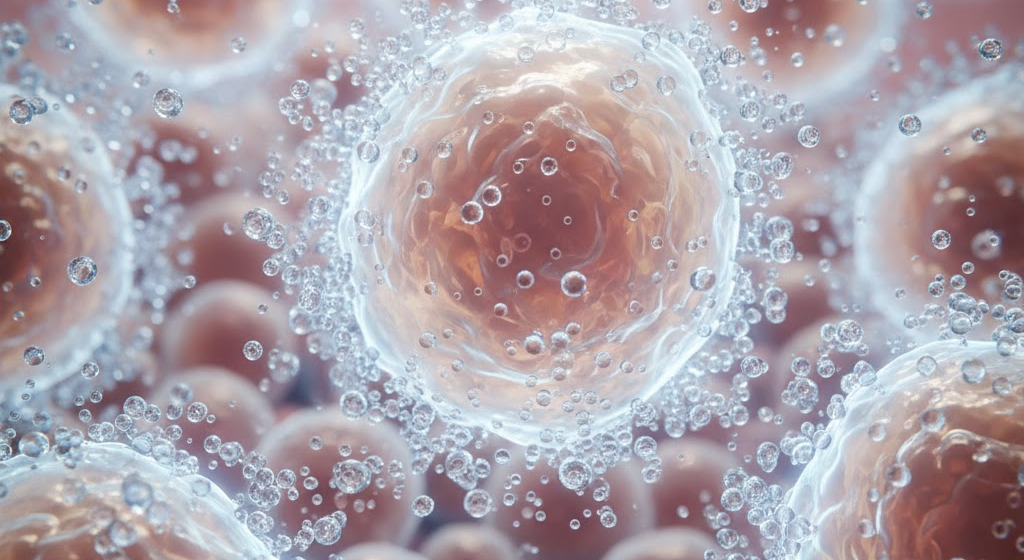
Free radicals generated by UV exposure, pollution, and metabolic activity are one of the leading causes of collagen breakdown, hyaluronic acid degradation, and premature skin aging. Sprouted protein for skin provides a rich array of antioxidants, including vitamins C and E, flavonoids, and polyphenols, which neutralize reactive molecules before they damage skin cells. This protection is critical because oxidative stress not only weakens collagen fibers but also impairs the skin’s ability to retain moisture, leading to sagging, dullness, and fine lines. By incorporating sprouted protein for skin into the diet, the skin receives continuous antioxidant support, preserving its structural proteins and enhancing natural defenses.
Moreover, sprouted protein for skin reduces inflammation in the skin, which is often triggered by oxidative stress and environmental factors. Amino acids in sprouted protein support tissue repair and regeneration by acting as substrates for enzymatic reactions that rebuild collagen and extracellular matrix components. Trace minerals such as zinc and magnesium contribute to the activation of detoxifying enzymes, further enhancing the skin’s ability to repair itself. Over time, sprouted protein for skin strengthens the dermal layer, improves texture, and restores the skin’s natural glow, making it more resilient to environmental stressors.
In addition to protecting structural proteins, sprouted protein for skin’s antioxidant and anti-inflammatory properties work synergistically with hyaluronic acid to maintain hydration and plumpness. By preventing oxidative damage to hyaluronic acid molecules, the skin can better retain water, reducing dryness, flakiness, and the appearance of fine lines. This holistic support ensures that both collagen and hyaluronic acid remain functional, preserving elasticity, smoothness, and resilience against environmental stressors.
Dermal Health and Sprouted Protein
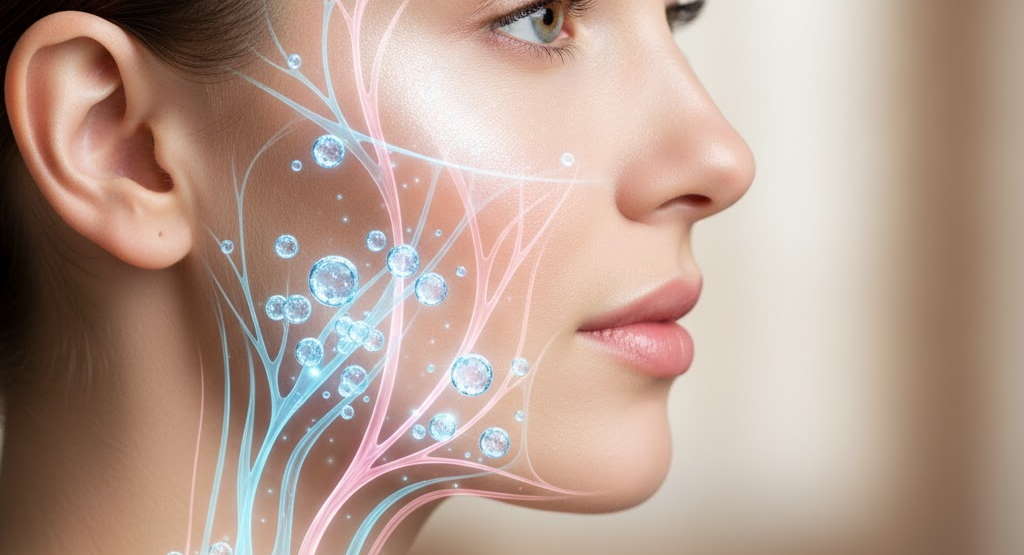
The dermis, located beneath the epidermis, is the skin’s main structural layer, containing most of the collagen fibers, hyaluronic acid, and elastin. This layer provides strength, elasticity, and cushioning, making it essential for maintaining youthful, resilient skin. Sprouted protein for skin delivers highly bioavailable amino acids that strengthen the dermal matrix from within. Glycine, proline, and lysine act as fundamental building blocks for collagen synthesis, while other amino acids contribute to hyaluronic acid production, enhancing the skin’s moisture retention and elasticity. By nourishing the dermis, sprouted protein for skin helps prevent sagging, reduces fine lines, and maintains overall skin integrity.
In addition to amino acids, sprouted protein for skin contains essential micronutrients such as magnesium, zinc, and B vitamins, which enhance enzymatic processes involved in collagen and hyaluronic acid synthesis. These minerals not only support the production of structural proteins but also aid in detoxification and cellular repair, ensuring the dermis remains healthy and resilient. Over time, consistent intake of sprouted protein for skin contributes to improved skin density, firmness, and elasticity, while supporting regenerative processes that slow down the natural aging of the skin.
Effects on dermal health:
- Strengthens the dermal layer, increasing firmness and structural integrity
- Enhances cell regeneration and repair mechanisms
- Maintains hydration, elasticity, and resilience of the skin
Practical Tips for Consuming Sprouted Protein
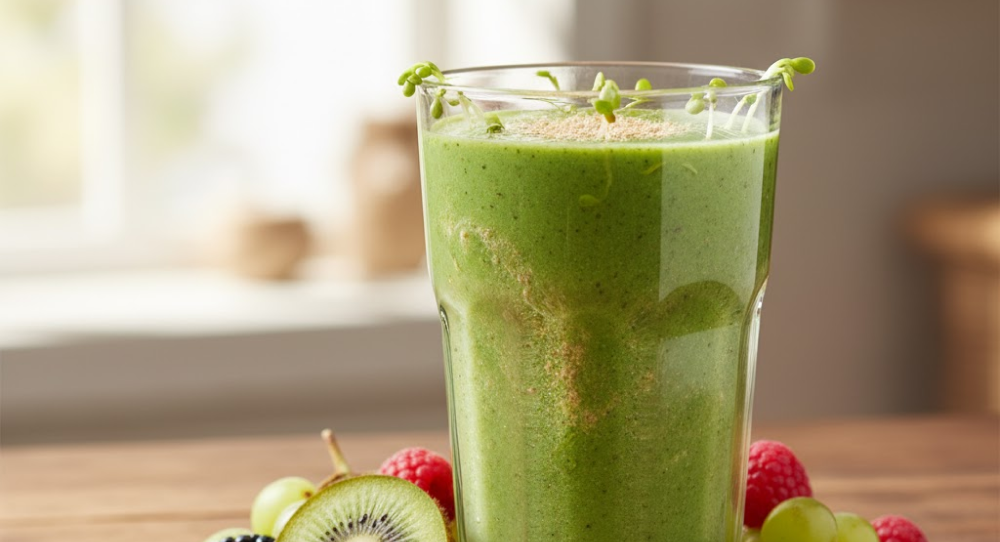
Incorporating sprouted protein for skin into your daily routine is simple and versatile. It can be added to smoothies, oatmeal, soups, or salads, and is available in convenient powder form. The recommended daily intake of 20–30 grams ensures sufficient amino acids for collagen and hyaluronic acid synthesis, supporting dermal health and skin hydration. For best results, sprouted protein should be consumed consistently over time, as collagen and hyaluronic acid production require ongoing nutritional support.
Choosing high-quality organic sprouted protein without additives or preservatives is essential to maximize bioavailability and nutrient absorption. Pairing sprouted protein with a diet rich in vitamins, minerals, and antioxidants enhances its effectiveness, ensuring that structural proteins in the skin remain strong, hydrated, and resilient. This combination creates a holistic internal skincare routine, improving firmness, texture, and elasticity while slowing the visible signs of aging.

Conclusion: Sprouted Protein and Skin Health: The Connection with Collagen and Hyaluronic Acid
Maintaining healthy, youthful skin requires more than topical treatments; it relies on proper nutrition and internal support. Sprouted protein for skin provides essential amino acids such as glycine, proline, lysine, and arginine, which are necessary for the synthesis of collagen and hyaluronic acid. Collagen forms the skin’s primary structural framework, supporting firmness and elasticity, while hyaluronic acid retains water, ensuring deep hydration and plumpness. Regular intake of sprouted protein for skin helps maintain these vital proteins, preventing early signs of aging, including sagging and fine lines.
Antioxidants found in sprouted protein for skin, including vitamins C and E, flavonoids, and polyphenols, protect the skin from oxidative stress caused by UV exposure, pollution, and normal metabolic processes. These antioxidants prevent the breakdown of collagen and hyaluronic acid, while reducing inflammation and improving overall skin health. Trace minerals like zinc, magnesium, and selenium further support enzymatic reactions involved in tissue repair, collagen synthesis, and cellular regeneration, enhancing the skin’s natural defense system and resilience.
The high bioavailability of sprouted protein for skin ensures that amino acids and micronutrients are efficiently absorbed and utilized for dermal regeneration. This internal support promotes collagen production, boosts hyaluronic acid levels, and accelerates tissue repair, resulting in firmer, more elastic skin, improved hydration, and a radiant complexion over time. By nourishing the dermis from within, sprouted protein for skin helps maintain skin elasticity, smoothness, and resilience.
In practical application, sprouted protein for skin can be incorporated into smoothies, soups, salads, or consumed as a high-quality powder. Consistency is key, as collagen and hyaluronic acid synthesis require ongoing support. Combining sprouted protein for skin with nutrients such as vitamin C, omega-3 fatty acids, zinc, magnesium, and antioxidants enhances its effects on dermal regeneration, hydration, and elasticity, creating a comprehensive internal skincare strategy.
Overall, focusing on internal nutrition through sprouted protein for skin provides a scientifically supported method to maintain skin health long-term. By supporting collagen and hyaluronic acid production, protecting against oxidative stress, reducing inflammation, and promoting dermal regeneration, the skin stays firm, hydrated, and resilient. This approach ensures that texture, tone, and radiance are preserved while visible signs of aging are minimized.
In conclusion, incorporating sprouted protein for skin into daily nutrition is an effective and natural strategy for achieving healthy, radiant, and resilient skin. Its combined effects on collagen, hyaluronic acid, hydration, elasticity, and dermal regeneration make it an essential component of internal skincare, ensuring long-lasting benefits for overall skin health.
Key takeaways of sprouted protein for skin:
- Stimulates collagen and hyaluronic acid production for firmer, plump, and hydrated skin
- Protects against oxidative stress and environmental damage
- Supports comprehensive dermal regeneration, elasticity, and skin radiance