
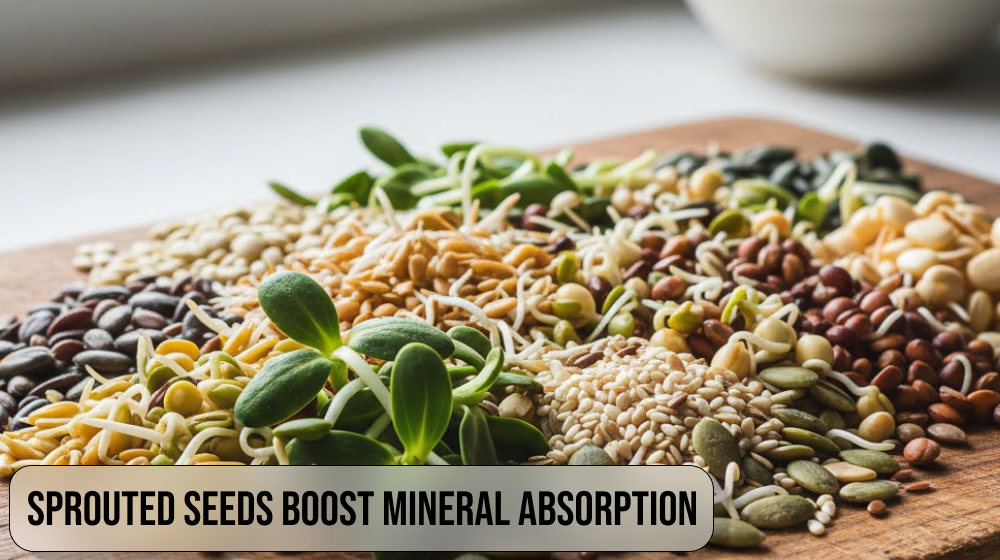
Sprouted seeds boost mineral absorption. Sprouted seeds have become a hot topic in the world of biohacking and healthy nutrition. The process of sprouting activates enzymes that “wake up” the seed, triggering natural biochemical reactions. These changes transform the nutrient structure: proteins become more digestible, vitamins more stable, and minerals more bioavailable. When the seed begins to grow, it reduces anti-nutrients such as phytic acid, which binds zinc, iron, and magnesium, blocking their absorption.
This means sprouted seeds aren’t just a trendy food — they’re a real way to increase nutrient efficiency. They improve mineral absorption, support gut health, and optimize metabolism. In biohacking, sprouted seeds are a key tool for strengthening health at the cellular level.
Key benefits of sprouted seeds:
- Increase mineral absorption by reducing phytates
- Contain more enzymes that aid digestion
- Improve gut health and metabolism

How Sprouting Enhances Mineral Bioavailability
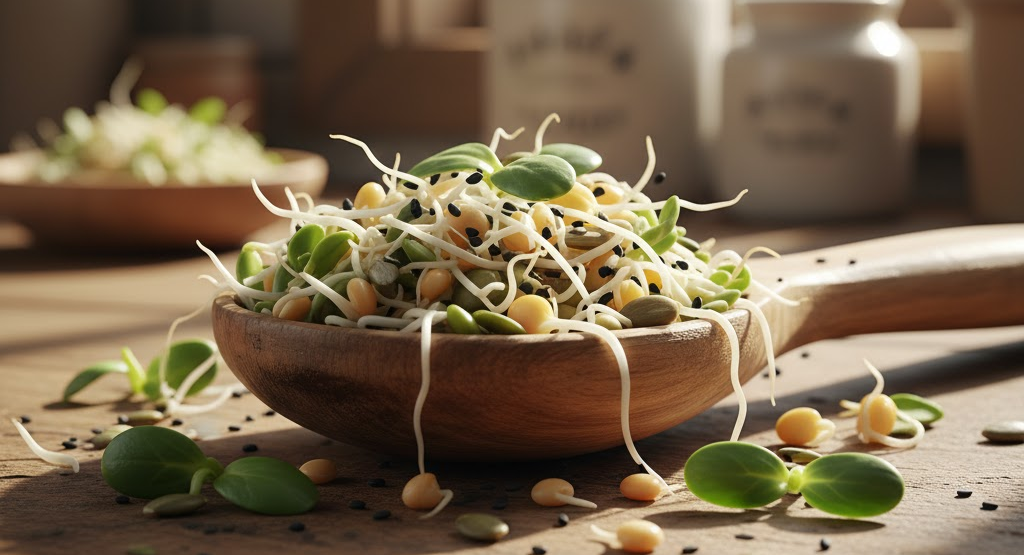
During the process of sprouting, water and oxygen penetrate the seed coat, activating enzymes that begin breaking down starches, proteins, and antinutrients. The most important transformation is the activation of phytase, an enzyme that breaks down phytic acid — the main compound responsible for blocking mineral absorption. When phytate levels drop, essential minerals like zinc, calcium, and magnesium are released in a more bioavailable form, ready to be absorbed through the intestinal wall.
Beyond that, sprouting increases the seed’s enzymatic activity and alters its pH balance, creating a friendlier environment for digestive enzymes and beneficial gut bacteria. This cascade of biochemical reactions turns ordinary seeds into nutrient-rich, easily digestible foods. For those focused on biohacking performance and recovery, sprouted seeds are a way to maximize nutrient efficiency without synthetic supplements.
Which Minerals Are Better Absorbed from Sprouted Seeds
Scientific studies consistently show that sprouted seeds dramatically improve the absorption of key minerals such as zinc, iron, and magnesium. These nutrients are essential for countless biological processes — from hormone regulation to oxygen transport and muscle contraction. Zinc supports immune function and protein synthesis, iron is necessary for hemoglobin production and energy metabolism, and magnesium helps regulate the nervous system and sleep quality.
In regular, unsprouted seeds, much of these minerals remain trapped by antinutrients, limiting their nutritional value. Sprouting effectively releases them, enhancing both the concentration and usability of minerals. For people seeking optimal nutrient efficiency, especially in plant-based diets, sprouted seeds provide a superior source of minerals that the body can actually use.
Most bioavailable minerals in sprouted seeds:
- Zinc — strengthens immunity and hormonal balance
- Iron — supports energy and oxygen distribution
- Magnesium — improves muscle recovery and stress resilience
How Sprouted Seeds Support Digestion and the Microbiome
The digestive system is one of the most critical factors in overall health, and sprouted seeds have a profound impact on digestion and the gut microbiome. During sprouting, complex carbohydrates are broken down into simpler sugars, and proteins are partially pre-digested, making them easier for the body to absorb. This process not only improves mineral bioavailability but also reduces digestive strain, helping the stomach process meals more efficiently. In addition, the increase in soluble fiber feeds beneficial gut bacteria, promoting microbial diversity and supporting a balanced intestinal ecosystem.
Regular consumption of sprouted seeds helps optimize the gut environment by stabilizing acidity, stimulating enzyme production, and improving nutrient uptake. The enhanced presence of enzymes like amylase and protease in sprouts aids the breakdown of starches and proteins, allowing the body to extract more energy and nutrients from all foods consumed. For biohackers and health-conscious individuals, this dual effect — better digestion and improved microbiome health — supports sustained energy, sharper cognitive function, and reduced inflammation. Furthermore, sprouted seeds can act as prebiotics, nurturing beneficial bacteria like Lactobacillus and Bifidobacterium, which play a key role in immune modulation and metabolic regulation.
Best Sprouted Seeds
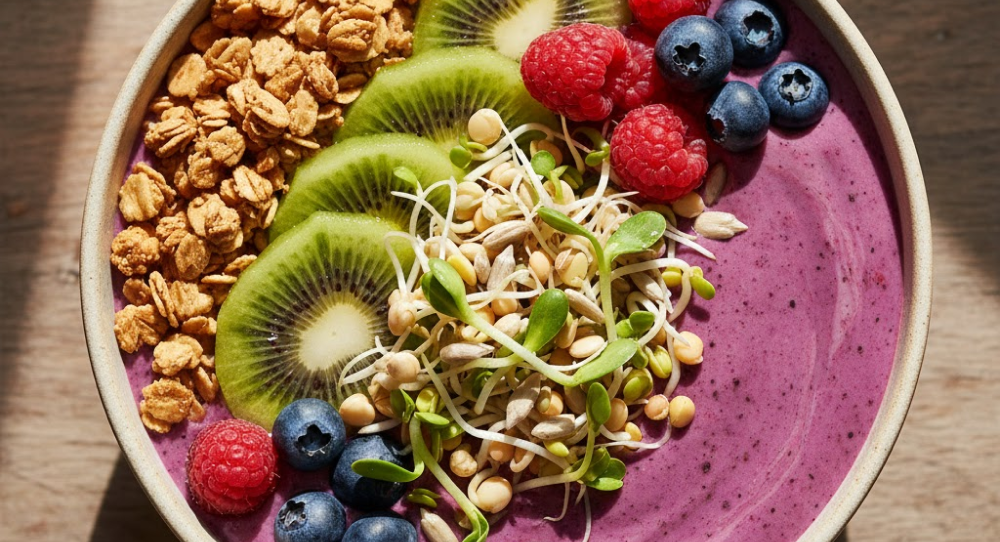
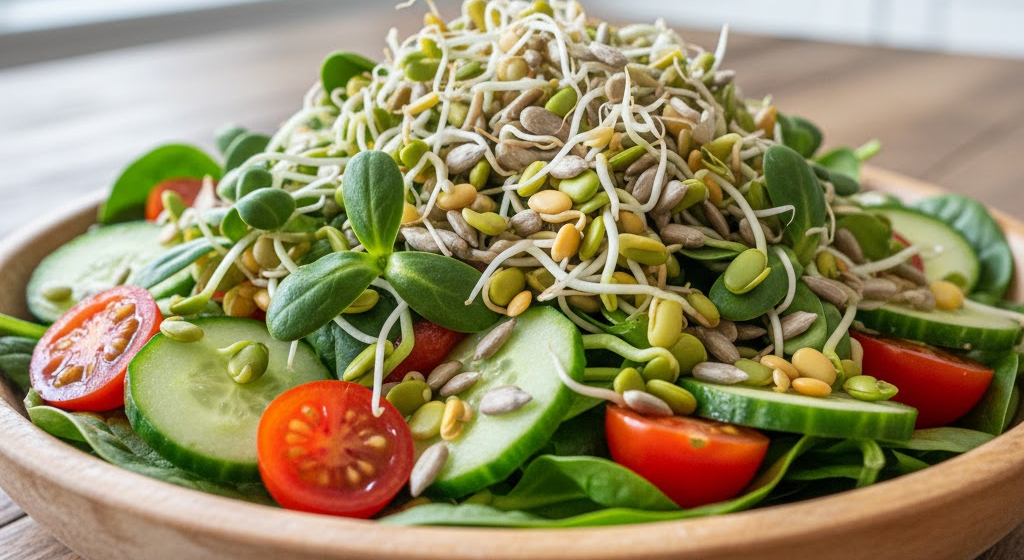
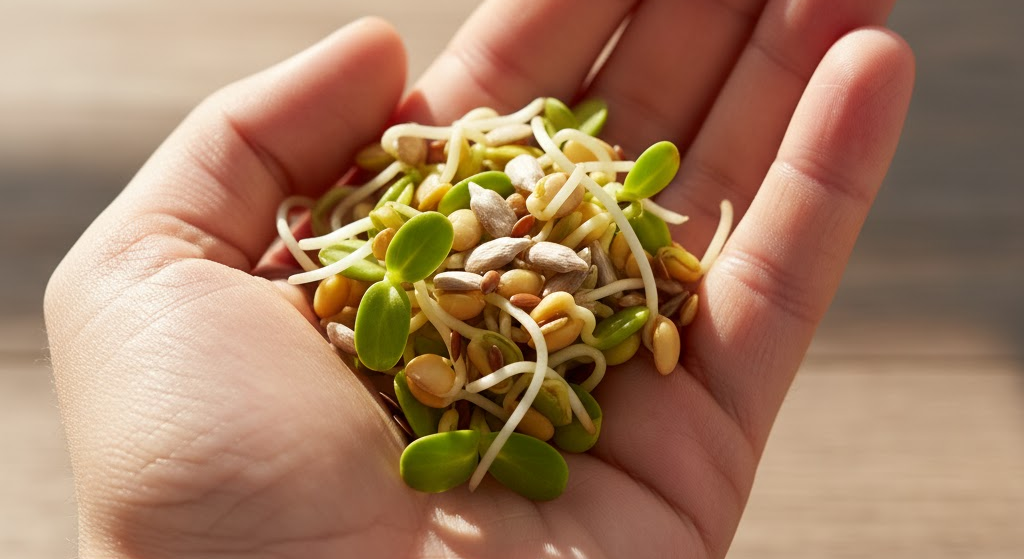
Not all seeds respond equally well to sprouting, and choosing the right ones can make a significant difference in nutrient yield and digestibility. The most popular options for sprouting include sunflower, flax, sesame, pumpkin, and lentil seeds, each offering a unique profile of minerals, enzymes, and healthy fats. These seeds are easy to germinate and provide a concentrated source of nutrients that are otherwise less bioavailable in their unsprouted form. Their versatility also makes them ideal for everyday meals, whether added to smoothies, salads, or breakfast bowls.
Pumpkin seeds, for example, are loaded with magnesium and zinc, supporting muscle function, hormone regulation, and immune defense. They are also high in antioxidants, which help combat oxidative stress and inflammation. Flax seeds are a rich source of omega-3 fatty acids, essential for cardiovascular and brain health, and contain lignans that act as phytoestrogens, supporting hormonal balance. Sesame seeds are particularly high in calcium, making them excellent for bone health, and also provide iron and copper, which contribute to energy metabolism. Sprouted seeds like sunflower bring additional vitamin E and B-vitamins, while lentil sprouts provide high-quality plant protein and complex carbohydrates, aiding in sustained energy release.
By combining different sprouted seeds, you can maximize the spectrum of nutrients and minerals consumed in a single meal. For example, a mix of pumpkin, flax, and sesame sprouts offers magnesium, calcium, zinc, omega-3s, and antioxidants — a well-rounded blend that supports energy, cognitive function, and overall health. Storing pre-sprouted seed mixes in airtight containers in the refrigerator helps maintain freshness and nutrient integrity, making it easy to incorporate them into meals throughout the week.
Recommended sprouted seeds:
- Pumpkin seeds — magnesium and zinc for muscles and hormones
- Flax seeds — omega-3s and lignans for heart and hormone support
- Sesame seeds — calcium, iron, and copper for bones and energy

How to Add Sprouted Seeds to Your Diet
Incorporating sprouted seeds into your daily meals is not only simple but also highly versatile, making it easy to get consistent nutrient benefits. They can be added to a wide variety of dishes, including salads, smoothies, breakfast bowls, porridges, and yogurt. Their subtle flavor allows them to blend seamlessly without overpowering the taste, while their texture adds a pleasant crunch or chewiness. For best results, it’s important to consume them raw or lightly warmed — high heat can destroy active enzymes and reduce their overall nutritional impact, particularly the bioavailable minerals that are the main advantage of sprouting.
In addition to enhancing flavor and texture, sprouted seeds act as nutrient boosters, increasing protein, healthy fats, fiber, and key minerals in your meals. A small handful can significantly enrich a smoothie or salad, giving you the benefits of improved mineral absorption and digestive support without adding excessive calories. For biohackers and health-conscious individuals, incorporating sprouted seeds strategically throughout the day can support sustained energy, better digestion, and optimal nutrient uptake.

Final Thoughts on Sprouted Seeds Boost Mineral Absorption
Sprouted seeds are one of the most effective, natural tools to enhance nutrient intake, particularly when it comes to improving mineral absorption. While regular seeds already contain vitamins, minerals, and healthy fats, much of their nutritional potential is locked away by compounds such as phytic acid. Through the process of sprouting, these antinutrients are reduced, and essential minerals like zinc, magnesium, iron, and calcium become more bioavailable, meaning the body can absorb and utilize them efficiently. This simple biochemical transformation makes sprouted seeds a valuable addition to any diet focused on optimizing health and performance.
Beyond increasing mineral bioavailability, sprouted seeds bring a range of benefits that support overall well-being. They enhance digestive efficiency thanks to their natural enzymes, partially pre-digested proteins, and soluble fiber content. This not only eases the workload of the stomach and small intestine but also feeds beneficial gut bacteria, supporting a healthy microbiome. A balanced microbiome improves nutrient absorption, strengthens immunity, and contributes to mental clarity and stable energy levels. Regular consumption of sprouted seeds helps create a nutrient-rich environment in the gut, allowing the body to get the most from all foods consumed.
The versatility of sprouted seeds makes them incredibly practical for everyday use. They can be added to smoothies, salads, porridges, yogurts, or eaten as a standalone snack, providing a concentrated source of minerals, protein, and fiber without excessive calories. Using a mix of seeds, such as pumpkin, flax, sesame, sunflower, and lentil, ensures a wide spectrum of nutrients, covering both macronutrients and trace minerals that support cellular function, bone health, and energy metabolism. For those following plant-based or functional diets, sprouted seeds are particularly valuable, as they maximize nutrient intake without the need for supplements or complex food preparations.
For biohackers and health enthusiasts, the consistent inclusion of sprouted seeds in daily meals represents a simple yet powerful optimization strategy. They offer a natural, science-backed method to improve mineral absorption, support digestion, enhance microbiome health, and maintain stable energy throughout the day. By making these small seeds a regular part of your diet, you’re not just consuming more nutrients — you’re ensuring that your body can actually use them, turning every meal into an opportunity for better health.
In conclusion, sprouted seeds are a practical, natural, and effective tool for anyone looking to optimize nutrient absorption, boost digestive health, and support long-term wellness. Their impact extends from cellular metabolism to cognitive function, demonstrating that small dietary changes can produce substantial health benefits. Adding sprouted seeds to your diet is a simple, sustainable step toward a more resilient, energized, and nutrient-efficient body.