

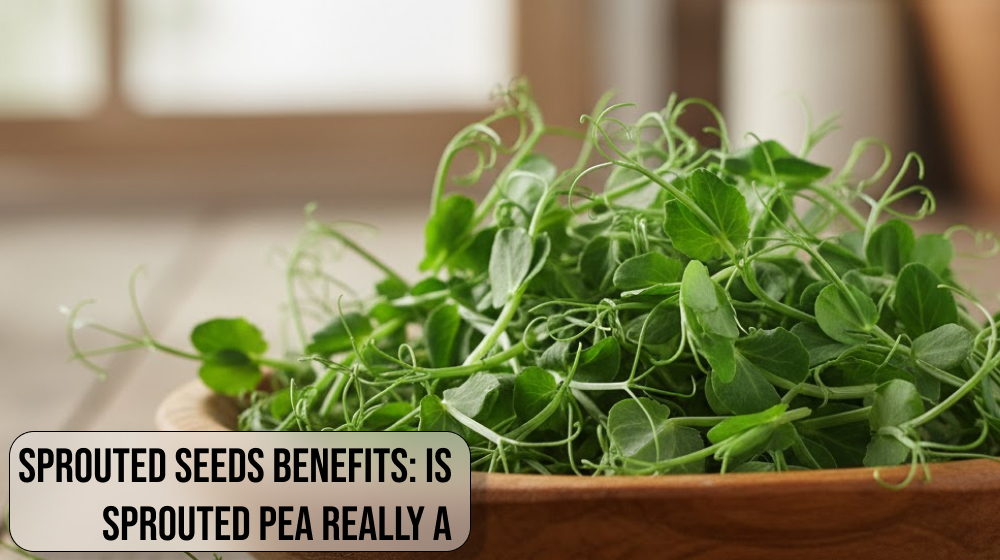
Sprouted seeds are regular seeds that have begun germinating under carefully controlled conditions — moisture, warmth, and air circulation. During this short process, which usually takes one to three days, complex starches begin to convert into simpler sugars, proteins break down into free amino acids, and essential vitamins like C and B-group rise significantly. This natural transformation enhances the digestibility and nutrient density of the seeds, giving them a reputation as one of the most concentrated forms of plant nutrition available.
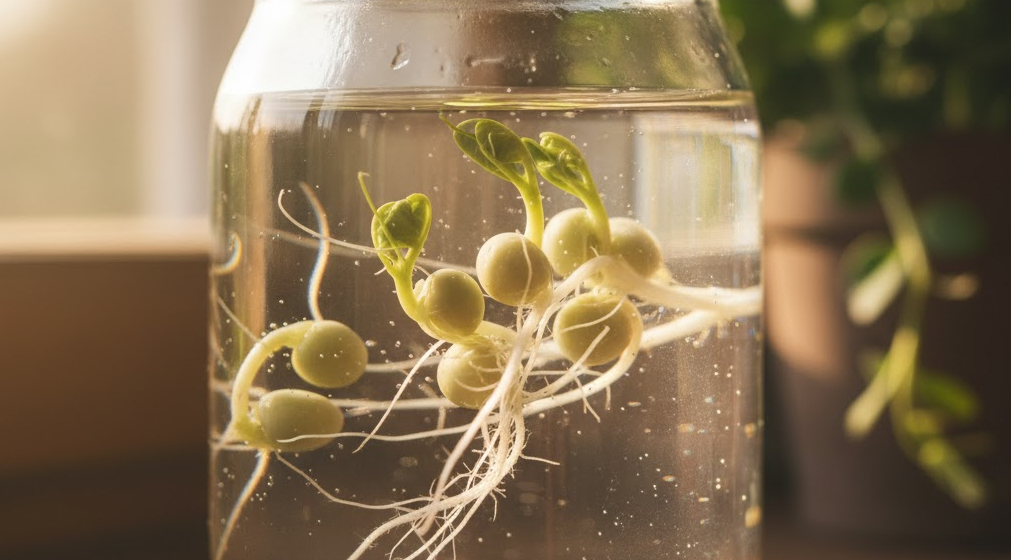
Among all sprouted seeds, sprouted peas stand out for their exceptional balance of plant-based protein, fiber, and antioxidants. While grains focus on carbohydrates and nuts on fats, sprouted peas nutrition delivers a remarkable combination of amino acids and minerals with minimal calories. This makes them appealing not only to vegetarians but also to athletes, biohackers, and those exploring natural ways to support energy and muscle recovery. When asking “Is sprouted pea a superfood?”, it’s not just about hype — it’s about measurable biological value.
- Sprouting activates enzymes and improves the nutrient profile.
- Sprouted peas deliver protein, vitamins, and minerals with higher absorption.
- The term “superfood” applies when nutritional density and real benefits align.
The Transformation: How Sprouting Changes Pea Composition
The real magic behind sprouted peas begins with the sprouting process itself — a biochemical transformation that turns an inert seed into a living, nutrient-charged organism. When peas begin to sprout, enzymatic activity dramatically increases. This activation signals the seed to prepare for growth, breaking down its stored energy into simpler, more usable forms. Starches convert into sugars, fats are partially oxidized for energy, and complex proteins are decomposed into amino acids. These reactions create what scientists call nutrient mobilization, giving rise to higher vitamin concentrations, easier digestibility, and an improved nutrient-to-calorie ratio. Simply put, sprouting turns an ordinary pea into a bioavailable powerhouse — a small but potent unit of living nutrition.
The sprouted peas nutrition profile changes in measurable and meaningful ways. Vitamin C, often absent in dry legumes, appears during sprouting. Levels of B vitamins — particularly folate and B6 — rise significantly, supporting energy metabolism and cellular regeneration. The process also boosts antioxidant compounds such as phenolics and flavonoids, strengthening the seed’s natural defense system and, in turn, providing similar benefits to the human body. The increase in enzymatic activity reduces antinutrients like phytic acid, improving mineral absorption and digestive efficiency. That’s why sprouted pea benefits extend beyond raw numbers — they reflect a fundamental shift in the food’s biochemical nature.
- Sprouted peas become lighter, more bioavailable, and easier to assimilate.
- Sprouting activates enzymes that convert complex macronutrients into digestible forms.
- The process increases vitamin and antioxidant levels, enhancing sprouted seeds benefits.
Understanding Sprouted Pea Protein and Amino Acid Quality
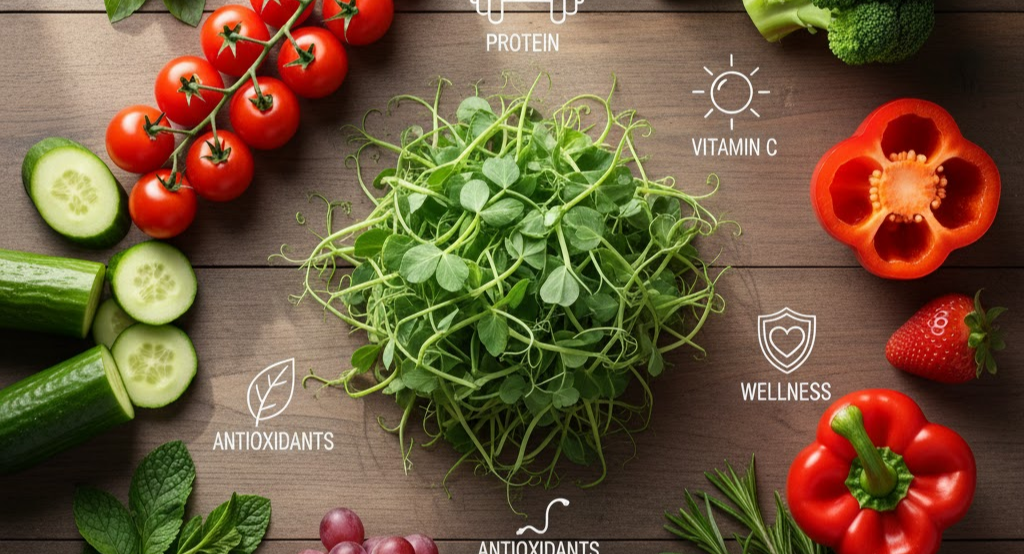
The core nutritional value of sprouted peas lies in their outstanding protein composition. Unlike many plant-based sources, sprouted pea protein delivers a highly digestible, balanced array of essential amino acids that are vital for muscle repair, enzyme synthesis, and energy metabolism. During the germination process, the protein matrix within the seed changes structurally — storage proteins like vicilin and legumin are broken down into shorter peptide chains, which makes them easier for the body to absorb. This is why athletes, vegetarians, and biohackers increasingly include sprouted peas in their diets: they offer a clean, sustainable, and effective way to maintain optimal protein intake without relying on animal products.
What makes sprouted pea protein unique is the balance between branched-chain amino acids (BCAAs) — leucine, isoleucine, and valine — and other essential building blocks like lysine, arginine, and glutamine. These amino acids not only fuel muscle recovery but also support neurotransmitter production, immune response, and tissue regeneration. The sprouting process enhances this profile by activating endogenous enzymes that convert dormant amino acid forms into bioavailable ones. As a result, sprouted peas nutrition surpasses that of raw peas or even many commercial protein powders, combining both high protein content and functional nutrient density.
- Sprouted pea protein contains all nine essential amino acids in balanced proportions.
- The bioavailability of these amino acids increases significantly through germination.
- The absence of major allergens makes sprouted peas suitable for sensitive diets
The Role of Antinutrients and Improved Bioavailability
One of the most important reasons sprouted seeds — and especially sprouted peas — have gained such respect in modern nutrition is their ability to reduce antinutrients and increase bioavailability. In raw legumes, natural compounds like phytic acid, lectins, and enzyme inhibitors act as protective barriers for the seed, preventing premature germination. However, these same substances can also interfere with human digestion and mineral absorption. During the sprouting process, enzymes awaken, breaking down those compounds and freeing essential nutrients such as iron, zinc, and calcium, which the body can now absorb more effectively. This is why sprouted peas benefits are far greater than those of their unsprouted counterparts.
The process of germination transforms sprouted peas nutrition in several measurable ways. Levels of vitamins C, K, and several B-complex compounds increase, while complex carbohydrates and oligosaccharides — which are responsible for bloating — are reduced. That means sprouted peas not only provide more energy but also eliminate one of the main discomforts associated with legumes. The amino acid profile of sprouted pea protein becomes richer, making it more suitable for muscle recovery, metabolic balance, and plant-based diets. Furthermore, by reducing antinutrients, sprouted seeds help maintain a healthy gut microbiome and support better enzymatic function in the digestive tract.
Health Benefits of Sprouted Peas for Digestion and Immunity
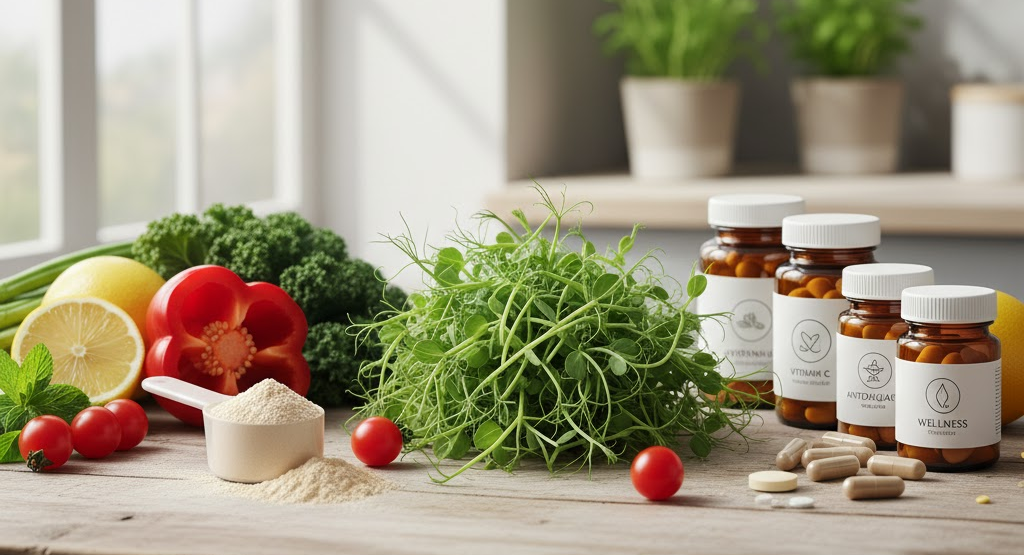
One of the major health benefits of sprouted peas is improved digestive tolerance. Because the enzymes in the pea activate during sprouting, complex carbohydrates are partially broken down before consumption. This reduces fermentation in the gut and minimizes discomfort. The remaining fibers serve as prebiotics, feeding beneficial gut bacteria and promoting a balanced microbiome — the foundation of immune and metabolic health.
Regular consumption of sprouted peas supports smoother digestion, better nutrient assimilation, and more stable energy throughout the day. In biohacking circles, sprouted seeds are often used to support natural detoxification and microbiome diversity. The presence of antioxidants also contributes to cellular protection, helping the body adapt to stress and inflammation more effectively.
- Prebiotic fiber supports healthy gut flora and immune function.
- Antioxidants help combat oxidative stress.
- Easier digestion means higher comfort and better absorption.

How to Include Sprouted Peas in a Daily Diet
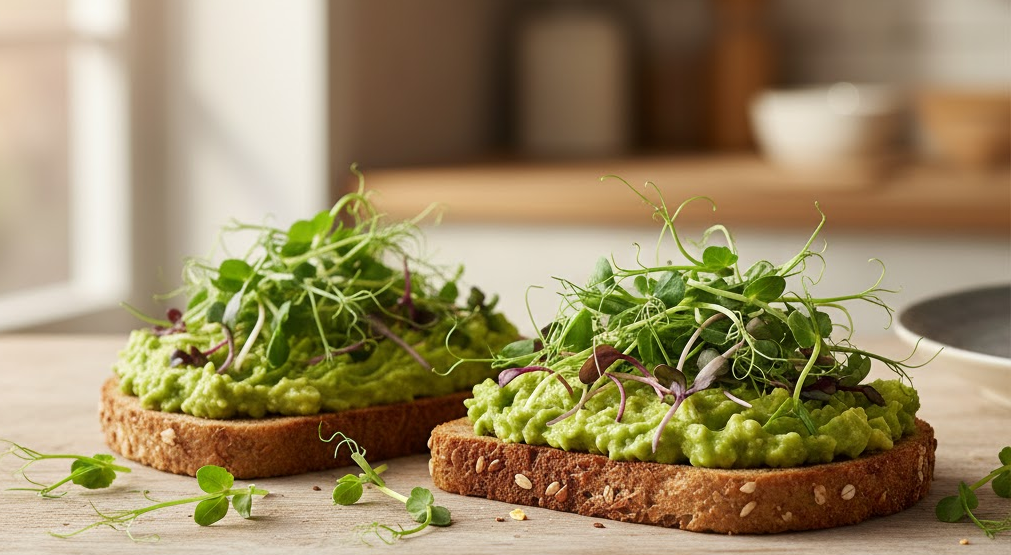
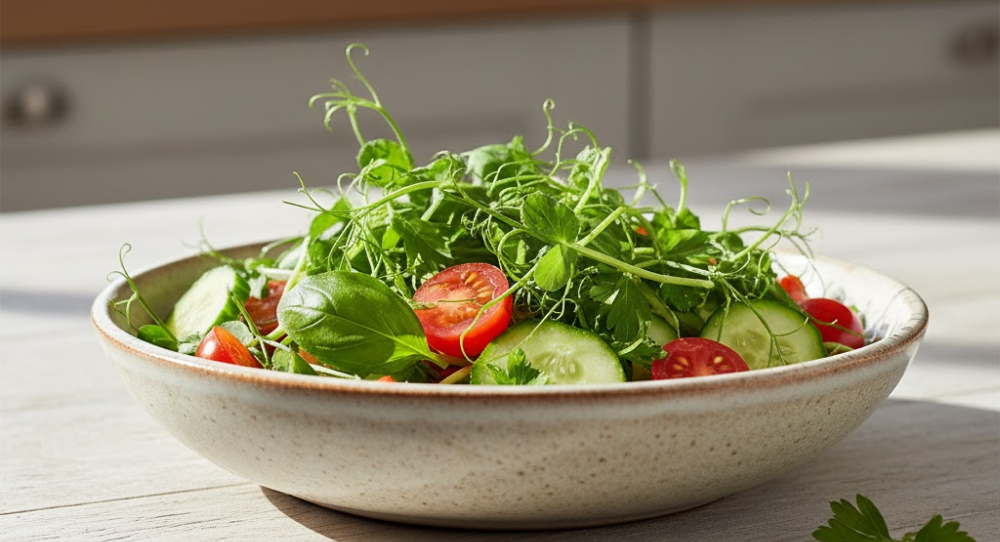
Adding sprouted peas to everyday meals is one of the simplest ways to boost nutrition, improve gut health, and support energy balance without overcomplicating the diet. Thanks to their mild taste and light texture, sprouted peas can easily fit into breakfast, lunch, or dinner. Their natural sweetness and tender crunch make them a versatile base for both plant-based and balanced diets. Beyond being nutrient-dense, they also support better digestion, since sprouting breaks down starch and increases enzyme activity, making nutrients easier to absorb.
Incorporating sprouted seeds like peas into your routine doesn’t require special preparation. They can be eaten raw, lightly steamed, or blended into other foods for texture and protein. When added consistently, sprouted peas nutrition provides a stable source of amino acids, fiber, and antioxidants, helping to regulate blood sugar and reduce inflammation. Whether you’re a fitness enthusiast or just trying to eat cleaner, these tiny sprouts deliver steady energy and essential micronutrients without extra calories.

Final Thoughts
The growing interest in sprouted seeds reflects a wider shift toward functional foods that do more than just satisfy hunger — they nourish, restore, and protect the body on a cellular level. Among these foods, sprouted peas have earned attention for their impressive nutritional density, digestibility, and metabolic balance. Once a simple pulse, the pea transforms through sprouting into a living, bioactive source of vitamins, enzymes, and plant-based protein. When evaluating whether sprouted pea is a superfood, it’s not about marketing buzzwords — it’s about measurable, science-backed benefits that directly improve human health.
During sprouting, complex carbohydrates break down, phytic acid levels drop, and amino acid availability increases. This biochemical shift enhances sprouted pea protein absorption, making it comparable in quality to many animal sources. Moreover, sprouted peas nutrition offers a balance of macro- and micronutrients — including B vitamins, magnesium, potassium, and antioxidants — that actively support cardiovascular function, gut microbiota, and energy metabolism. These are not minor advantages; they are vital mechanisms in maintaining long-term vitality.
Beyond their scientific value, sprouted peas are practical. They’re affordable, easy to prepare, and highly adaptable to different eating habits. In sprouted peas recipes, they add freshness and subtle sweetness to smoothies, salads, and soups. For anyone experimenting with biohacking, sprouted seeds benefits go beyond nutrients — they bring a sense of simplicity and control over what goes into the body. Eating sprouted food connects a person back to the natural rhythm of growth and regeneration.
- Sprouted peas improve digestion, energy, and nutrient absorption.
- Health benefits of sprouted peas include antioxidant protection and immune support.
- Incorporating sprouted peas daily promotes long-term metabolic balance and gut health.
Ultimately, labeling sprouted peas as a “superfood” is justified not by hype but by consistent results. They embody the essence of what modern nutrition strives for: nutrient density, natural bioavailability, and functional impact. In the context of biohacking, they represent a micro-adjustment that yields macro effects — improved clarity, recovery, and performance. Whether you’re optimizing your body or simply choosing better foods, sprouted peas offer a smart, sustainable, and natural path to better living. Every handful of these sprouted seeds is more than food — it’s living nutrition designed for the modern human organism.


