
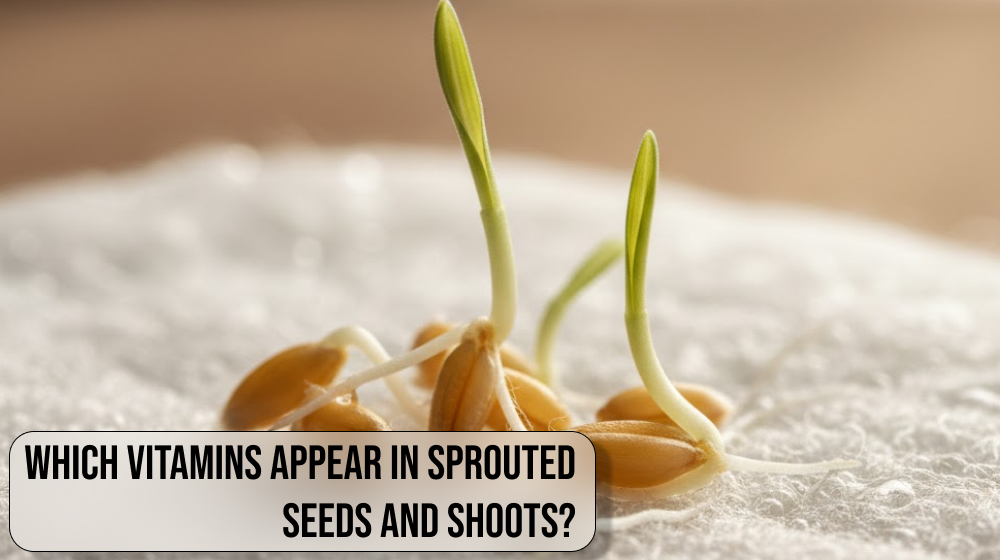
Which vitamins appear in sprouted seeds and shoots? When sprouted seeds begin to germinate, a fascinating transformation occurs inside the tiny grain. Enzymes awaken dormant nutrients, breaking down complex starches, fats, and proteins into easily digestible forms. This natural biochemical reaction unlocks a concentrated source of vitamins in sprouts and minerals that were previously bound in the seed. During this early stage of growth, energy is directed toward producing enzymes, antioxidants, and new cellular structures, significantly increasing the nutritional density. That’s why sprouted seeds and shoots are considered one of the most nutrient-rich plant foods available.
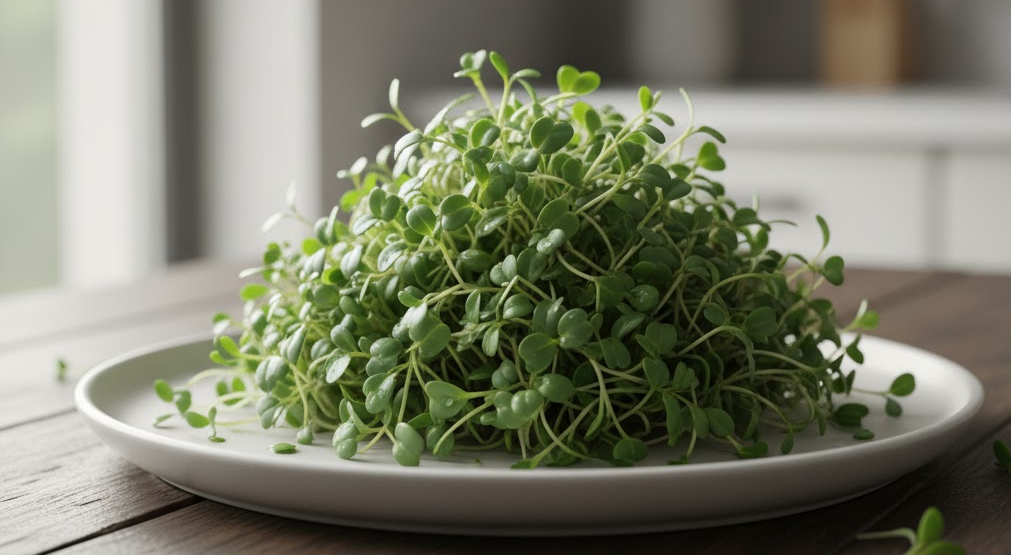
Unlike dry grains, sprouted seeds experience a boost in their vitamin profile—especially vitamin C, vitamin E, and B-group vitamins. The sprouting process not only enhances their content but also improves absorption and bioavailability. For instance, the phytates that block mineral uptake in unsprouted grains are naturally broken down during sprouting. This means your body can use these vitamins more efficiently for immunity, energy, and cellular repair. Essentially, sprouting transforms simple grains and legumes into powerful micro-nutrient factories.
Key points:
- Sprouting activates enzymes that release stored nutrients.
- Vitamins in sprouted seeds become more bioavailable.
- Germination increases antioxidant and energy-supporting compounds.

The Power of Vitamin C in Sprouted Seeds
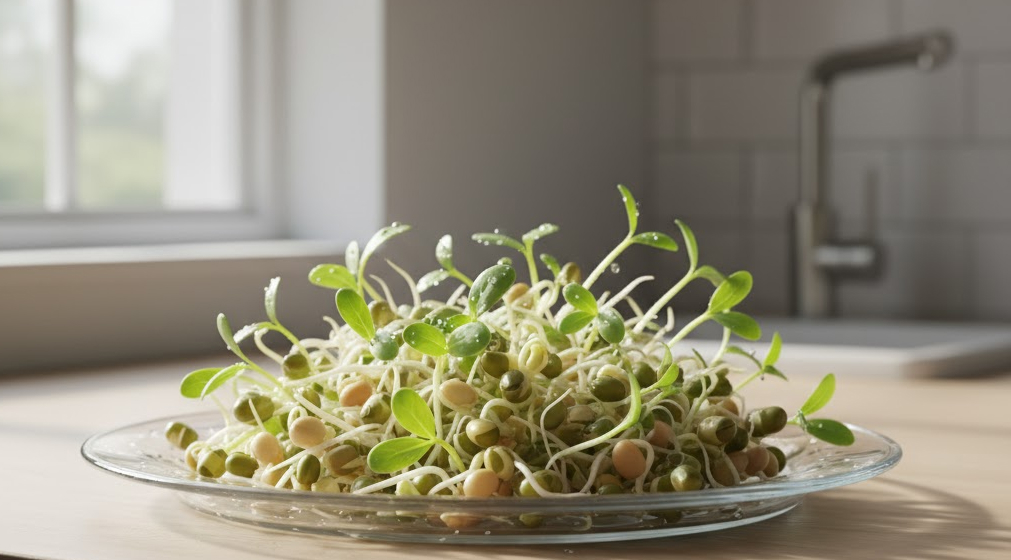
One of the most notable nutrients in sprouted seeds is vitamin C. While dry seeds contain almost none, germination triggers its synthesis as the seed begins respiration and growth. This makes vitamin C in sprouts a unique feature of the sprouting process — a sign that life and vitality are awakening inside the plant. This vitamin plays a vital role in supporting the immune system, protecting cells from oxidative stress, and improving collagen formation for skin and joint health. It also boosts the absorption of plant-based iron, which is crucial for those following vegetarian or vegan diets.
Regularly consuming sprouted grains and legumes rich in vitamin C helps improve your body’s defense mechanisms. Lentil or mung bean sprouts, for example, show a remarkable increase in vitamin C levels after just two days of germination. This makes them a fantastic addition to daily meals, especially in colder months when fresh produce is limited. Combining sprouted seeds with leafy greens and whole grains amplifies the body’s ability to maintain a steady immune balance and resist fatigue.
B Vitamins: Energy From Nature’s Source
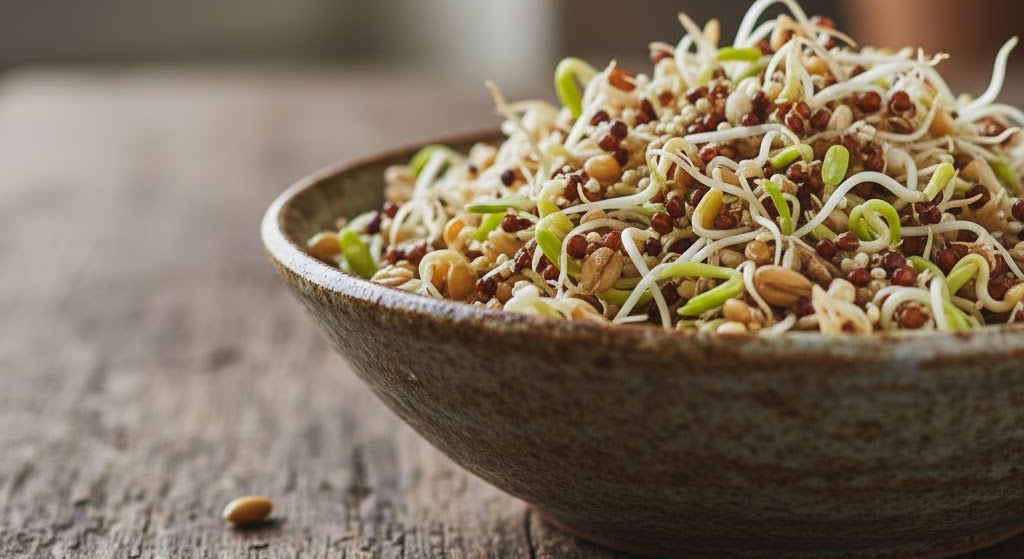
Another key group of vitamins in sprouted seeds is the B-complex family, which includes thiamine (B1), riboflavin (B2), niacin (B3), folate (B9), and sometimes even traces of B12 depending on fermentation exposure. These nutrients are essential for cellular metabolism and the conversion of food into usable energy. During sprouting, enzymes unlock and sometimes multiply B vitamins as metabolic activity intensifies. This means sprouted seeds become a natural source of energy-boosting compounds that help fight fatigue and enhance brain function.
For those who avoid synthetic supplements, vitamins in sprouts offer a bioavailable, plant-based alternative. The sprouting process can double or even triple the content of folate and niacin, making these foods ideal for people with demanding lifestyles or limited nutrient intake. Folate, in particular, supports DNA synthesis and is critical during pregnancy. Including sprouted grains and legumes like quinoa, wheat, and lentils ensures steady vitamin B intake that supports both the nervous system and metabolic balance.
Key points:
- Sprouting significantly boosts B vitamins content.
- These vitamins help produce energy and maintain nervous system health.
- Sprouted seeds provide a natural, supplement-free energy source.
Vitamin E: The Guardian of Cells
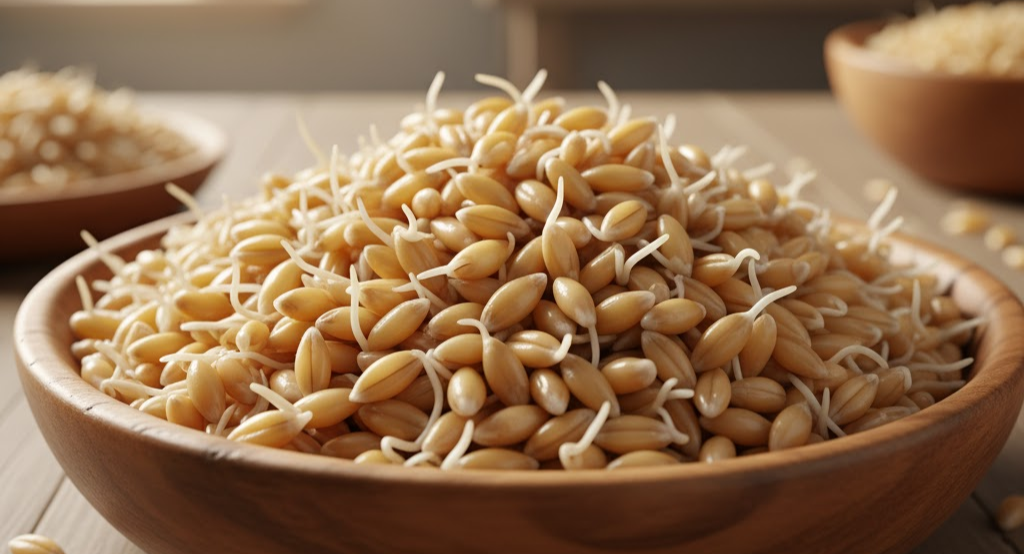
Among the vitamins in sprouted seeds, vitamin E stands out as a potent antioxidant protecting cell membranes from free radical damage. Found abundantly in sprouted grains such as wheat and barley, this fat-soluble vitamin supports healthy skin, eyes, and immunity. During sprouting, the oil reserves in the seed are mobilized, which elevates vitamin E concentrations. As the embryo develops, lipid metabolism intensifies, producing natural antioxidant defenses that remain active even after consumption.
The health benefits of sprouts extend beyond vitamin E’s antioxidant properties. Regular intake of sprouted seeds rich in vitamin E can help reduce oxidative stress and inflammation, both linked to premature aging and chronic disease. This makes vitamins in sprouts a vital addition to a balanced, nutrient-dense diet that supports long-term wellness and resilience against environmental stressors.

Vitamin A Precursors in Sprouted Seeds
While most sprouted seeds do not directly contain vitamin A, many develop beta-carotene, its natural precursor, during germination. This carotenoid gives sprouts their slightly green hue as chlorophyll and plant pigments form under light exposure. Beta-carotene is later converted into vitamin A in the body, supporting vision, skin regeneration, and immune response. As such, vitamins in sprouted seeds extend beyond the typical vitamin groups, offering compounds that indirectly enhance vitamin A synthesis.
Sprouted grains and legumes exposed to light, such as alfalfa or mung bean sprouts, are especially rich in these precursors. Regular consumption of such sprouts can help maintain optimal eye function and support epithelial tissue repair. Combined with other vitamins in sprouts, beta-carotene contributes to a synergistic nutrient profile that improves overall vitality.
Key points:
- Germination produces beta-carotene, a vitamin A precursor.
- Promotes eye and skin health through natural conversion.
- Light exposure during sprouting enhances carotenoid levels.
Vitamin K and Bone Support
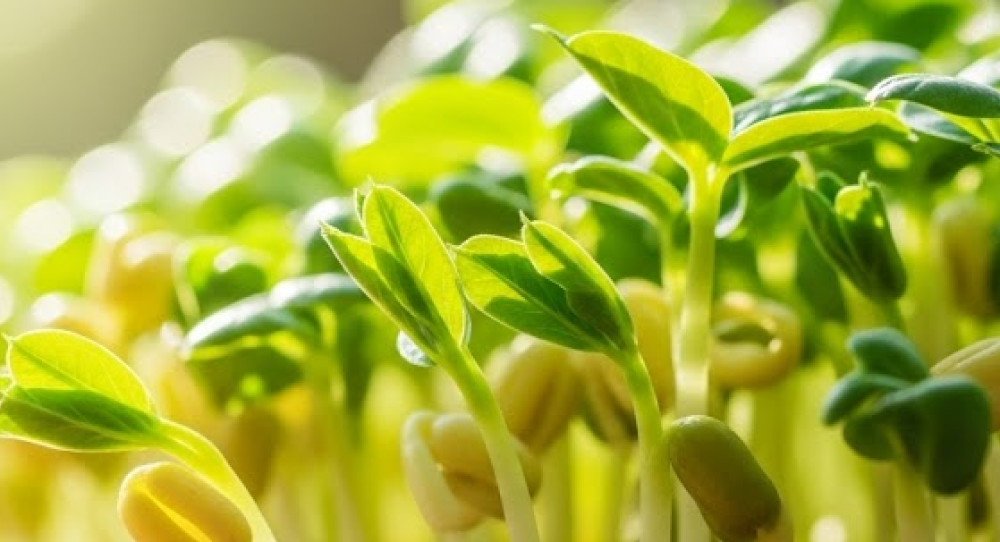
Among all vitamins in sprouted seeds, vitamin K holds a unique and often underestimated position. It is a fat-soluble nutrient that plays a crucial role not only in blood clotting but also in maintaining strong and healthy bones. During the germination process, the formation of chlorophyll and plant enzymes activates pathways that enhance vitamin K in sprouts, especially in green varieties such as alfalfa, broccoli, and clover sprouts. These fresh shoots become miniature nutrient powerhouses where the synthesis of vitamin K occurs naturally as part of the plant’s growth mechanism. Unlike synthetic supplements, the vitamin K in sprouted seeds exists in its natural, bioactive form (K1), which is more easily utilized by the body.
The link between vitamin K and bone health has been well-documented. This vitamin helps bind calcium to the bone matrix, ensuring proper mineralization and strength. Without sufficient vitamin K, calcium can remain unbound or accumulate in soft tissues instead of bones, increasing the risk of arterial stiffness and bone fragility. That’s why including sprouted seeds rich in vitamin K is a simple yet powerful way to improve skeletal health naturally. The chlorophyll formed during sprouting works synergistically with this vitamin, amplifying its ability to support blood and bone systems. Together with other vitamins in sprouts, such as vitamin D and magnesium, the body achieves better calcium absorption and more balanced metabolism.
Regular consumption of sprouted grains and legumes containing vitamin K supports long-term cardiovascular and skeletal health. For individuals who avoid dairy or animal-based sources of vitamin K2, green sprouts serve as an excellent plant alternative. Their living cellular structure provides not only vitamin K but also complementary nutrients like folate, potassium, and antioxidants that work in harmony to maintain body equilibrium. In modern diets, which often lack fresh, enzyme-rich greens, these sprouted seeds offer an easy and highly bioavailable form of essential micronutrients.
Final Thoughts: Which vitamins appear in sprouted seeds and shoots?
When looking at the complete nutritional picture of sprouted seeds, it becomes clear why these tiny plants have earned a place among the most powerful foods on Earth. During the transformation from seed to sprout, the plant activates complex biochemical reactions that increase the concentration of essential micronutrients. The levels of vitamins in sprouted seeds — including vitamin C, vitamin E, vitamin K, and the B-complex group — grow exponentially compared to their dormant state.
What makes this transformation so remarkable is that the vitamins don’t simply increase in quantity; they also become more bioavailable, meaning the body can absorb and use them far more efficiently than from dry or processed foods. This makes sprouted grains and legumes a living source of natural vitamins that support nearly every aspect of human health.
Beyond vitamin content, the health benefits of sprouts include better digestion, enhanced energy, improved immunity, and long-term disease prevention. Enzymes awakened during germination make proteins, fats, and carbohydrates easier to digest, while antioxidants protect cells from free radical damage. The combination of vitamin C in sprouts and plant-based enzymes helps detoxify the body naturally, reducing inflammation and oxidative stress — two major factors in premature aging and chronic conditions. For people with nutrient deficiencies or limited access to fresh produce, a handful of sprouted seeds each day can make a meaningful difference in overall vitality.
From a nutritional standpoint, the versatility of sprouted seeds is another reason for their growing popularity. They can be added to salads, smoothies, sandwiches, or even cooked dishes without losing their essential nutrients. Their mild, slightly nutty taste complements both sweet and savory meals, while their crunchy texture adds freshness and balance. Most importantly, they deliver living nutrition — something that no processed supplement can replicate. Vitamins in sprouts work synergistically with plant enzymes, fiber, and minerals to create a holistic, balanced nourishment that supports the body’s natural rhythm rather than overwhelming it.
In a world increasingly dominated by artificial additives and over-processed foods, returning to sprouted seeds and shoots feels like reconnecting with the simplicity of nature’s design. They represent the pure essence of growth, regeneration, and vitality — everything our cells need to thrive. By incorporating vitamins in sprouted seeds into a daily diet, anyone can unlock the true potential of living foods: more energy, clearer skin, stronger bones, better focus, and deeper well-being. In the end, the secret to health may not lie in complex diets or synthetic pills but in the quiet power of a seed — once it begins to sprout.
Key points:
- Sprouted seeds are a concentrated, natural source of living vitamins and antioxidants.
- Vitamins in sprouts support immunity, digestion, and cellular health.
- Adding sprouted grains and legumes to daily meals enhances energy, balance, and long-term vitality.