
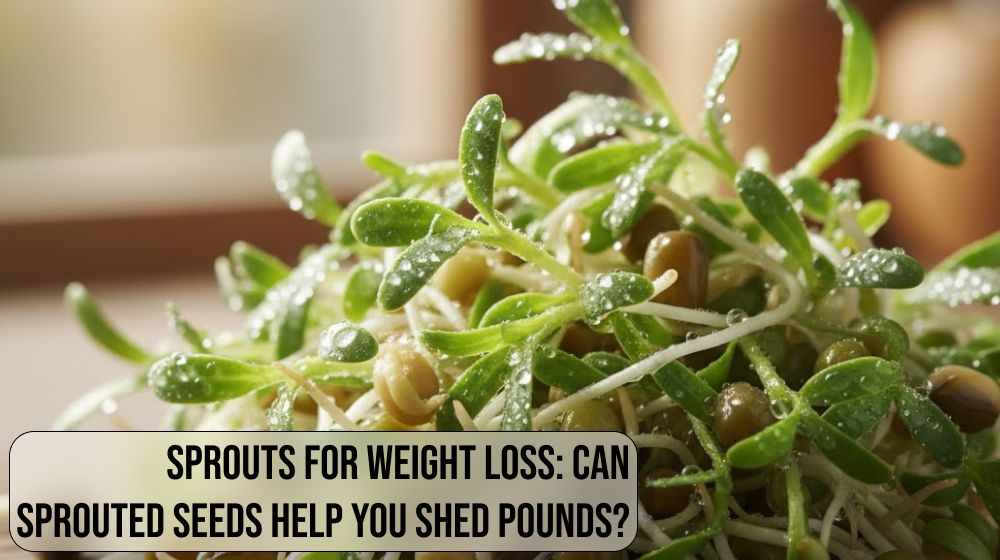
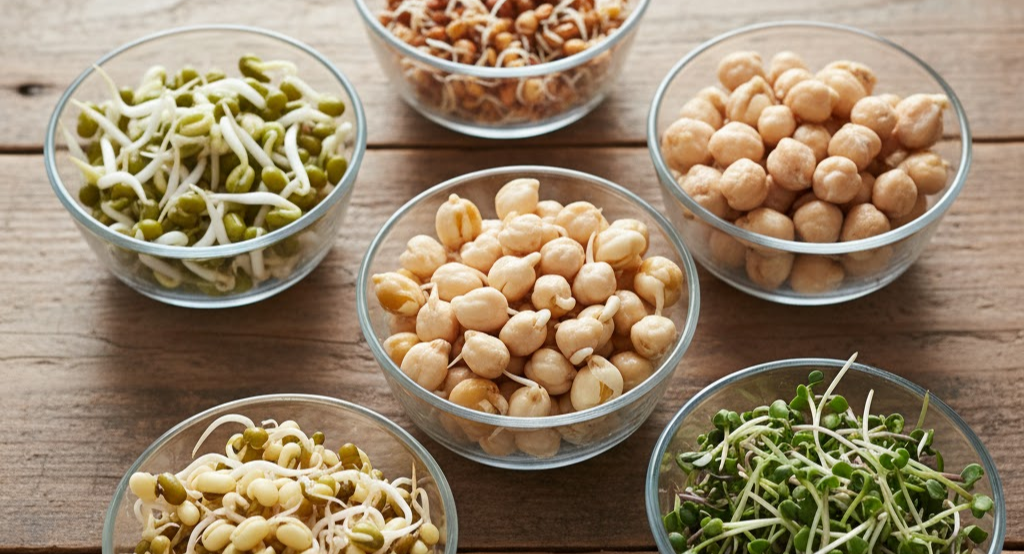
Sprouts for weight loss: can sprouted seeds help you shed pounds? Sprouts for weight loss have gained wide attention among nutrition enthusiasts and biohackers due to their unique nutritional density and light calorie profile. Sprouts are young plants obtained from germinated seeds, beans, or grains. During germination, the chemical structure of the seed transforms — the concentration of vitamins, antioxidants, and free amino acids increases, while antinutrients like phytates decrease. This process makes nutrients more bioavailable and easier to digest. Because of this transformation, sprouts offer an ideal combination of low calorie content and high nutritional value, making them a great support tool for anyone aiming to shed pounds naturally.
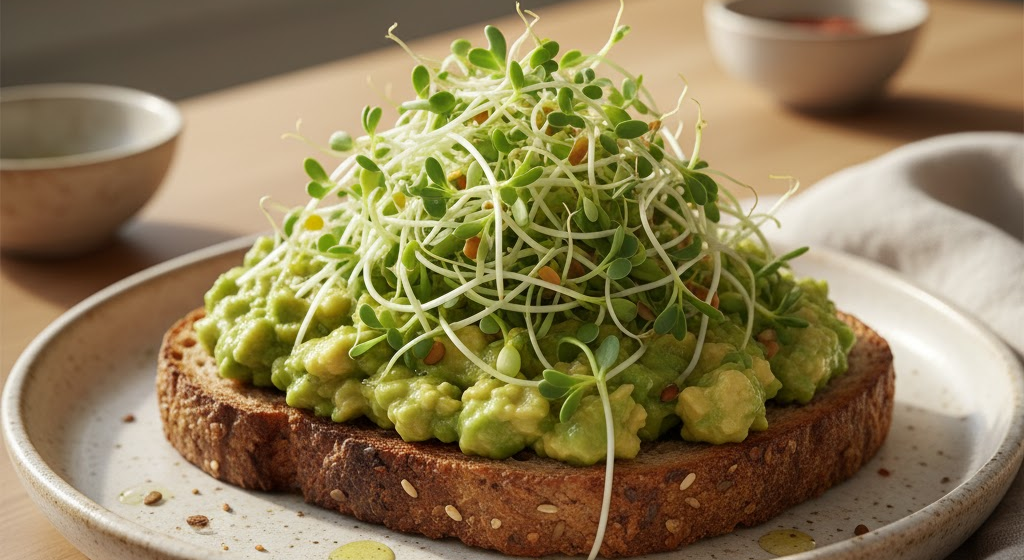
In practical terms, sprouts can replace high-calorie, low-satiety foods in your daily meals — such as by adding sprouted mung beans or alfalfa to salads, sandwiches, or smoothies. They create a greater sense of fullness with fewer calories consumed. However, it’s crucial to note that sprouts do not directly “burn fat.” Instead, they support energy balance, helping maintain a calorie deficit — the foundation of any successful weight-loss strategy. When combined with sufficient protein intake, consistent exercise, and proper sleep, sprouts become an effective aid in healthy and sustainable weight management.
- Sprouts are germinated seeds or beans rich in nutrients.
- Germination boosts bioavailability and digestibility.
- They support weight loss through low energy density, not fat burning.
Nutritional Profile of Sprouted Seeds: Why They Fit Weight Loss Diets
The nutritional profile of sprouted seeds is impressive given their minimal caloric content. They are rich in vitamins (especially B-complex and vitamin C), minerals like iron, calcium, and magnesium, and natural antioxidants. Germination enhances the concentration of free amino acids and enzymes while reducing compounds that inhibit nutrient absorption. This means that sprouted foods offer more accessible nutrition per calorie compared to non-sprouted grains or beans — a major benefit for anyone tracking caloric intake.
Protein and fiber content play an essential role in weight management. Though sprouts are not a complete meal, they add meaningful amounts of plant-based protein and insoluble fiber, both of which contribute to prolonged satiety. Their low energy density allows you to consume larger volumes of food without a calorie surplus. As a result, replacing a portion of high-calorie meals with sprouts helps naturally reduce energy intake while maintaining nutrient quality. To optimize results, sprouts should be paired with protein-rich or healthy-fat foods to create a more balanced plate that supports fullness and stable blood sugar levels.
Satiety Mechanisms: How Sprouts Help You Eat Less
The secret behind why sprouts help control appetite lies in their fiber structure, volume, and texture. Dietary fiber delays stomach emptying, stabilizes digestion, and enhances fullness signals, while plant proteins stimulate satiety hormones such as peptide YY. This physiological combination makes sprouted foods especially helpful in avoiding overeating. Simply put, a bowl of sprouted salad fills the stomach and triggers a sense of satisfaction much faster than calorie-dense snacks like cookies or chips.
Adding sprouts to meals also encourages more mindful eating. Their crunch and freshness naturally slow down chewing, giving the brain more time to register fullness — an often-overlooked factor in appetite regulation. Additionally, people who integrate sprouts into their diets tend to choose fresher, less processed foods overall, further reducing unnecessary calorie intake. However, this effect only works if sprouts are not overshadowed by high-calorie sauces, cheese, or fried toppings. The goal is to maintain their light, clean profile as the foundation of a nutrient-dense diet.
- Fiber and plant protein increase satiety and reduce cravings.
- Low-calorie volume foods help achieve a calorie deficit.
- Crunchy texture promotes slower eating and mindful consumption.
Impact on Blood Sugar and Metabolism
Another reason sprouted seeds for weight loss are so effective lies in their positive influence on blood sugar regulation. Germination reduces the carbohydrate load and increases resistant starch and fiber, leading to a lower glycemic response. When eaten with carbohydrate sources like rice or bread, sprouts can slow glucose absorption, preventing sharp spikes in blood sugar and insulin — a key factor for stable energy and reduced fat storage. For people with insulin resistance or prediabetes, including sprouts regularly can support more balanced glucose control.
It’s important to clarify that sprouts themselves do not dramatically accelerate metabolism or “burn fat.” Their main benefit is metabolic balance — stabilizing energy levels and preventing sugar crashes that often lead to snacking. A well-regulated blood sugar profile improves hormonal balance and appetite control, both essential for successful fat loss. Pairing sprouts with adequate protein and exercise will yield the best metabolic outcomes, but they are not a standalone metabolic booster.

Sprouts and the Gut Microbiome: A Hidden Advantage
A healthy gut microbiome plays a major role in weight management, and sprouts contribute significantly to this system. They are rich in prebiotic fibers and enzymes that stimulate beneficial bacterial growth. By improving the gut flora, sprouts may indirectly enhance metabolism, insulin sensitivity, and fat oxidation. This connection between gut health and body weight has been confirmed in numerous nutritional studies: a thriving microbiome supports better energy regulation and appetite control.
Different types of sprouts, such as broccoli or radish, also contain phytochemicals like sulforaphane, known for their antioxidant and detoxifying effects. These compounds help reduce inflammation and oxidative stress — two metabolic factors that can stall weight loss. However, improvements in gut health require consistency. Occasional inclusion of sprouts will not transform your microbiome overnight, but regular consumption as part of a plant-rich diet can create gradual, measurable benefits for metabolism and overall wellness.
- Contain prebiotic fibers that support gut bacteria.
- Gut balance improves insulin sensitivity and metabolism.
- Effects appear gradually with regular, consistent intake.
How to Use Sprouts for Weight Loss in Daily Meals
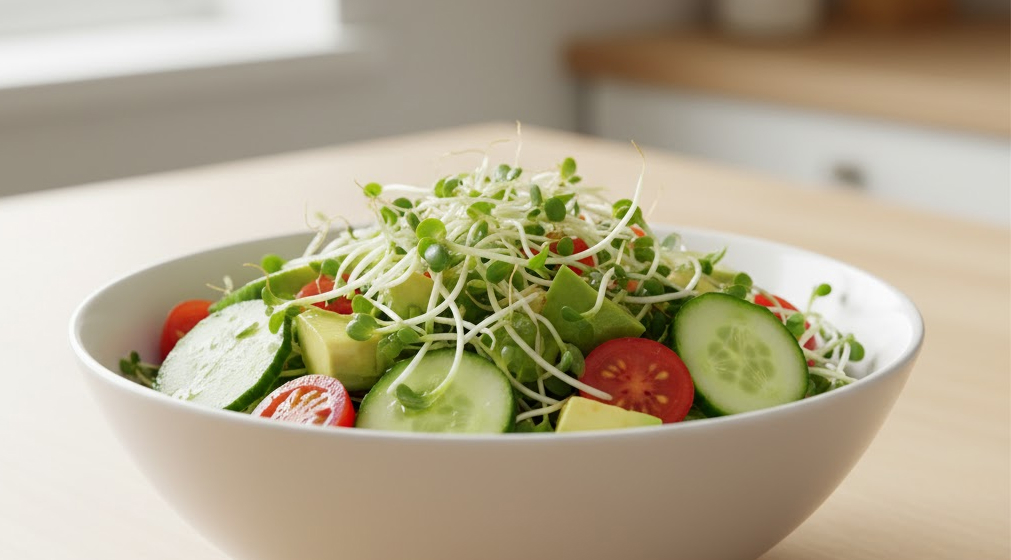
To experience the full benefits of sprouts for weight loss, it’s essential to treat them not as a decorative topping, but as a foundational part of everyday meals. The beauty of sprouts lies in their versatility — they can easily become the bulk ingredient of a dish rather than just an add-on. For example, start your day with a smoothie that includes sprouted mung beans or lentils; their mild flavor blends well with leafy greens, citrus fruits, or plant-based milk, adding protein and fiber without extra calories. At lunch, use sprouts as the main component of a salad — not a garnish.
Mix them with cucumber, tomatoes, herbs, and a squeeze of lemon juice for a light yet satisfying meal. For dinner, try incorporating sprouts into warm dishes like stir-fries or soups right before serving — just enough to preserve their crunch and nutrient profile. The goal is to make sprouts occupy more space on your plate while calorie-dense foods occupy less, subtly creating a caloric deficit without leaving you hungry or deprived.
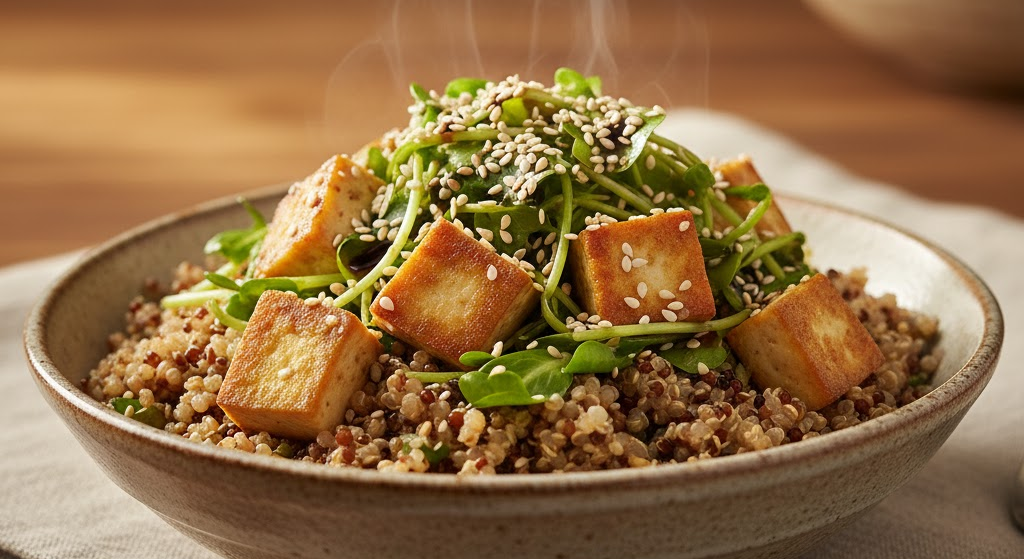
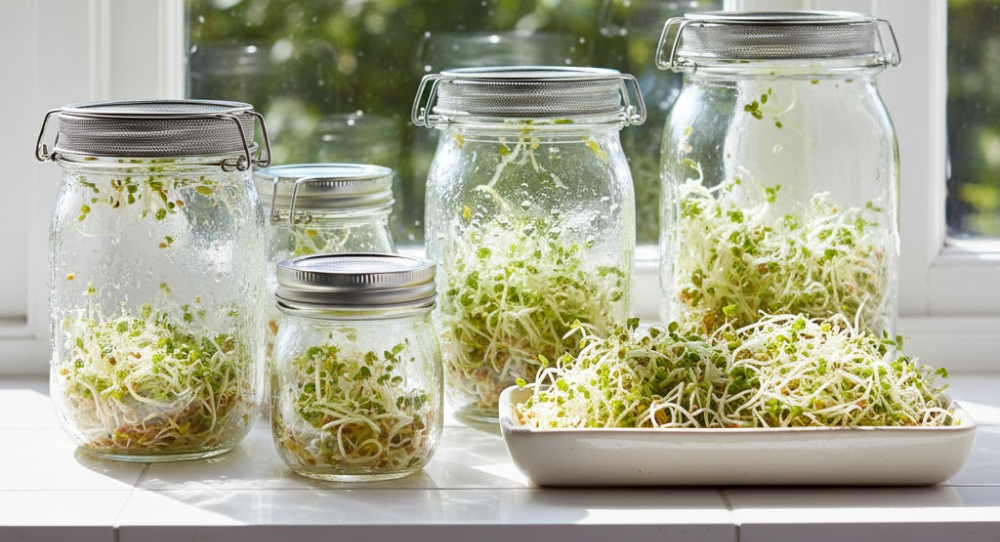
A strategic approach to using sprouted seeds for weight loss also involves meal planning and smart food pairing. Because sprouts are low in calories, pairing them with lean proteins and healthy fats helps extend satiety and prevents energy dips throughout the day. Chicken, fish, tofu, beans, eggs, avocado, olive oil — all combine perfectly with sprouts to form balanced, nutrient-rich meals that sustain metabolism and prevent overeating. Meal prepping can further amplify their benefits: sprout seeds in batches and store them in airtight containers for easy use throughout the week.
This simple habit saves time and ensures that nutritious, ready-to-eat ingredients are always at hand, making healthy choices effortless. It’s also wise to replace calorie-heavy components such as cheese, croutons, or creamy sauces with fresh sprouts. This swap keeps dishes flavorful and satisfying while dramatically reducing total caloric intake. Ultimately, sprouts make it easier to stay on track, not through restriction, but through abundance — giving you more volume, texture, and nourishment per calorie consumed.
Final Thought on “Sprouts for weight loss: can sprouted seeds help you shed pounds?”
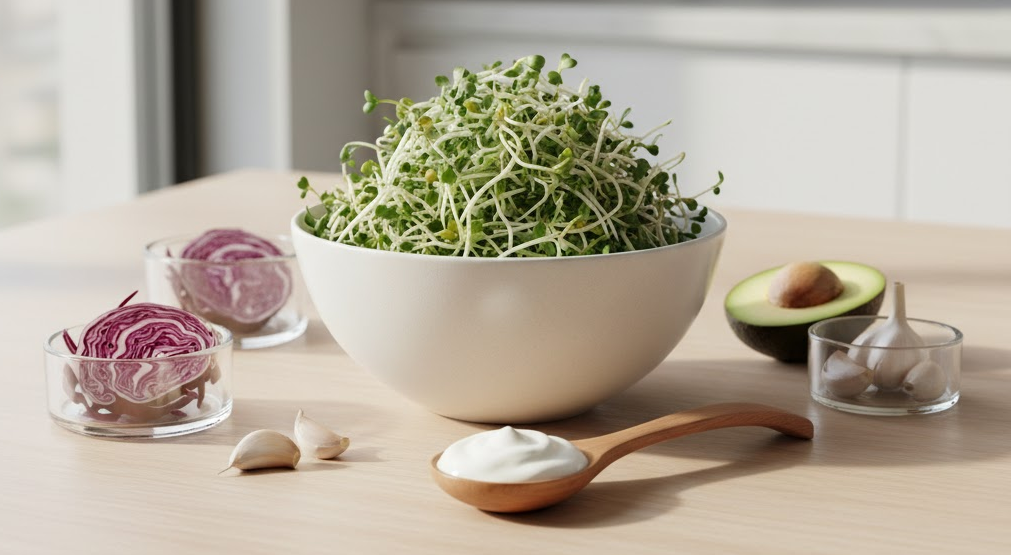
At the heart of every sustainable weight-loss journey lies balance — and sprouts for weight loss perfectly embody that principle. They aren’t a trendy miracle food or a shortcut to a slimmer body. Instead, they represent a nutritional strategy rooted in simplicity, biology, and consistency. What makes sprouts so effective is not a single magic compound, but a combination of features that work harmoniously: low calorie content, high nutrient density, fiber for satiety, and enzymes that enhance digestion. When these properties are combined with mindful eating and a structured lifestyle, sprouts become far more than a garnish — they become a practical tool for transformation.
The most powerful advantage of sprouted seeds is how easily they fit into almost any diet. Whether you follow a plant-based, keto, or Mediterranean plan, sprouts naturally complement your meals without adding extra calories. They’re fresh, crunchy, and adaptable — ideal for salads, sandwiches, or smoothies. Their mild taste blends well with both savory and sweet dishes, allowing creativity without compromising health goals. Beyond calorie reduction, sprouts also bring vitality: they provide vitamins that support cellular energy, antioxidants that fight inflammation, and minerals that stabilize metabolism. This multi-layered benefit makes them a foundation for long-term wellness, not just weight control.
What truly sets sprouts for weight loss apart is their sustainability. Unlike restrictive diets or fat-burning supplements, sprouts promote lasting habits. They encourage home preparation, fresh eating, and awareness of what goes into your body. Growing them yourself fosters a deeper connection to your food and reminds you that health doesn’t come from extreme measures, but from consistent, thoughtful choices. When paired with physical activity, good sleep, and stress management, sprouts amplify every positive effort you make toward a balanced lifestyle.
In the end, sprouts teach a valuable lesson: effective weight loss isn’t about eating less, but about eating smarter. By filling your plate with foods that nourish rather than deplete, you naturally create the conditions for your body to thrive. So, if you’re looking for a realistic, nutrient-rich way to support your goals, start small — start with sprouts.