

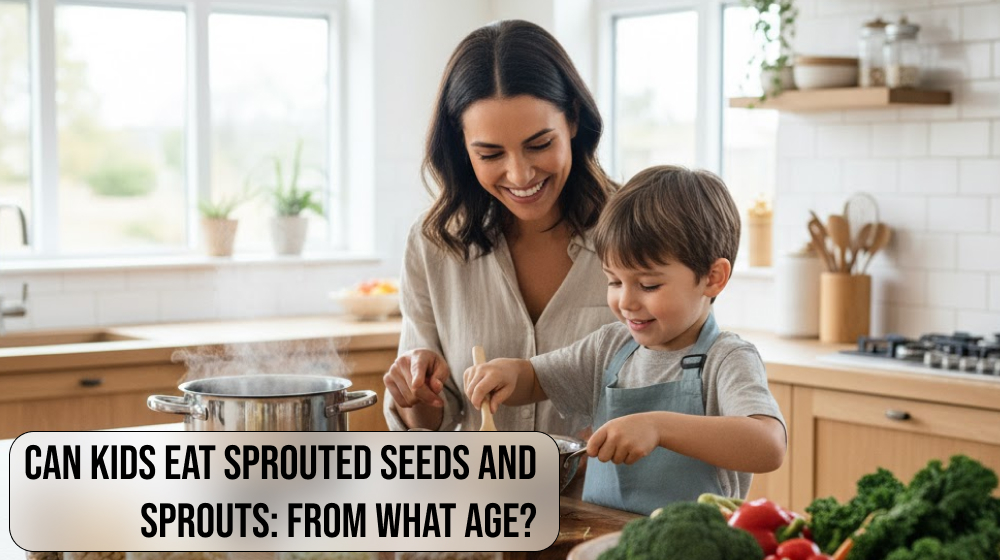
Can kids eat sprouted seeds and sprouts: from what age? Sprouted seeds and sprouts are often promoted as superfoods — tiny plants filled with vitamins, minerals, enzymes, and antioxidants that support growth and immunity. They are easy to digest, help improve nutrient absorption, and add a fresh crunch to everyday meals. However, when it comes to children’s nutrition, not everything that’s healthy for adults is automatically safe for kids. The conditions that help seeds germinate — warmth, humidity, and moisture — also create a perfect breeding ground for harmful bacteria. Microorganisms like Salmonella, E. coli, and Listeria thrive in these environments and can cause serious infections, especially in children with developing immune systems.

Therefore, before introducing sprouts into a child’s diet, parents need to focus on safety, hygiene, and age-appropriate preparation. Sprouts can be a great nutritional supplement if they are properly grown, stored, and cooked. Otherwise, they might bring more risk than benefit. Pediatricians and nutritionists usually recommend being cautious, particularly with raw or lightly cooked sprouts, since the risk of contamination is higher compared to other vegetables.
- Sprouts are rich in vitamin C, folate, and antioxidants.
- Warm, moist environments encourage bacterial growth.
- Children’s immune systems are still developing, increasing sensitivity to foodborne pathogens.

Potential Risks and Why Sprouts Often Cause Foodborne Illness
Despite their impressive nutrient profile, raw sprouts are among the foods most frequently associated with foodborne outbreaks. During the sprouting process, bacteria present on the seed surface can multiply to dangerous levels, even if the seeds appear clean. Once contaminated, these pathogens cannot be removed simply by washing. When children consume raw sprouts, bacteria can enter their digestive system and cause symptoms such as vomiting, diarrhea, fever, and dehydration. In some cases, infections like E. coli can even lead to serious kidney complications.
For younger children, these illnesses are especially dangerous due to their smaller body size and immature immune systems. Additionally, sprouts from legumes — such as mung beans or lentils — can be difficult for a child’s digestive system to process if undercooked. Some sprouts also present a choking hazard, as their slippery, fibrous texture may block the airway in toddlers. Because of these combined risks, health authorities generally recommend avoiding raw sprouts for children under five years old, unless they’ve been fully cooked and verified as safe.
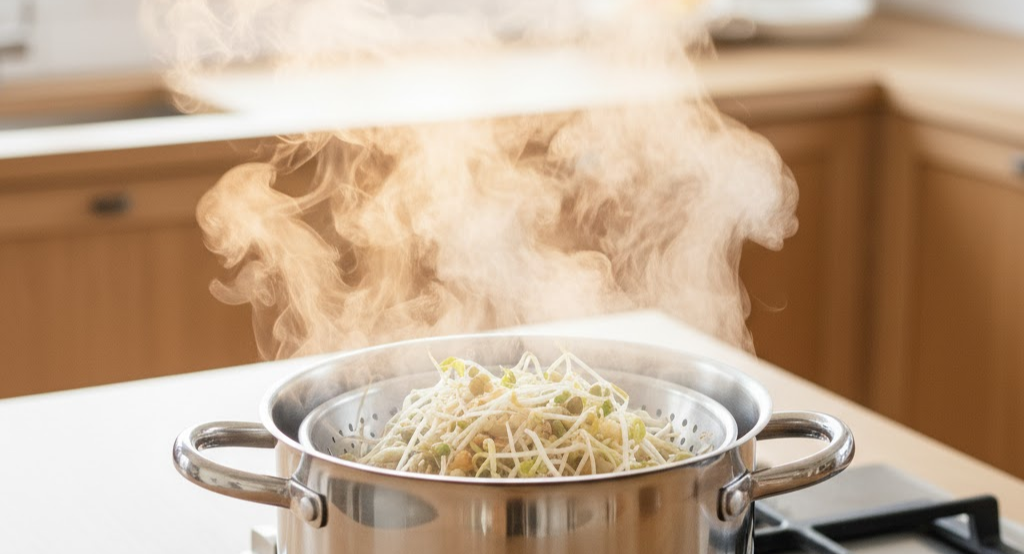
From What Age Can Kids Eat Sprouts Safely?
According to pediatric nutrition experts, children under five years old should not eat raw or lightly cooked sprouts. At this age, their gut barrier and immune system are not yet strong enough to handle potential bacterial exposure. Even though sprouts contain valuable nutrients like iron and fiber, the risks of food poisoning outweigh the benefits for toddlers. For infants, sprouts are not recommended at all — even in pureed form — because of the high bacterial risk.
For older children (typically 6 years and above), sprouts can be introduced gradually, but only after proper heat treatment. Steaming, sautéing, or boiling sprouts significantly reduces bacterial presence and makes them safe to consume. Parents should also ensure sprouts come from reliable sources — preferably from trusted stores or homegrown batches using sanitized seeds. In all cases, start with small portions and monitor the child’s reaction before making sprouts a regular part of meals.
- Avoid raw sprouts for kids under 5 years old.
- Introduce cooked sprouts gradually after 6 years of age.
- Choose clean, trusted suppliers and avoid street or unverified products.
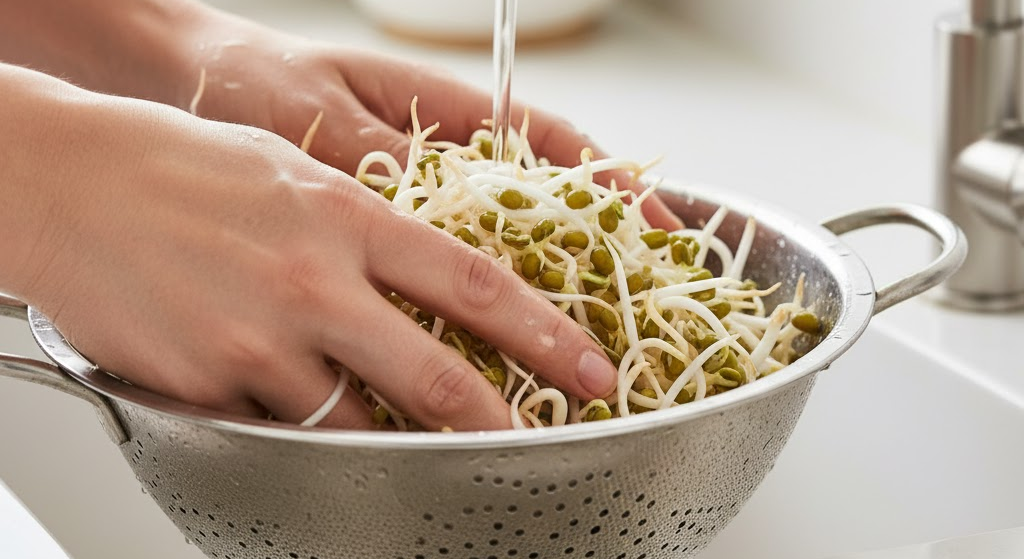
Safe Preparation and Serving Tips for Kids
The safest way for children to consume sprouts is after thorough thermal processing. Heat kills most bacteria that could otherwise survive on the seed or shoot surface. Cooking methods like steaming, stir-frying, or boiling for several minutes make sprouts both soft and safe. Never serve raw sprouts in salads or sandwiches to young children, no matter how fresh they look. Also, pay close attention to storage conditions — sprouts should be kept refrigerated at temperatures below 4°C and eaten within a few days.
Cross-contamination is another frequent issue. If you handle raw sprouts on the same cutting board used for fruits or ready-to-eat foods, bacteria can spread. To minimize risk, always wash your hands before and after touching sprouts, use clean utensils, and cook sprouts separately from other raw ingredients. If sprouts have an unusual smell, slimy texture, or discoloration, discard them immediately — even minimal spoilage can indicate bacterial growth.
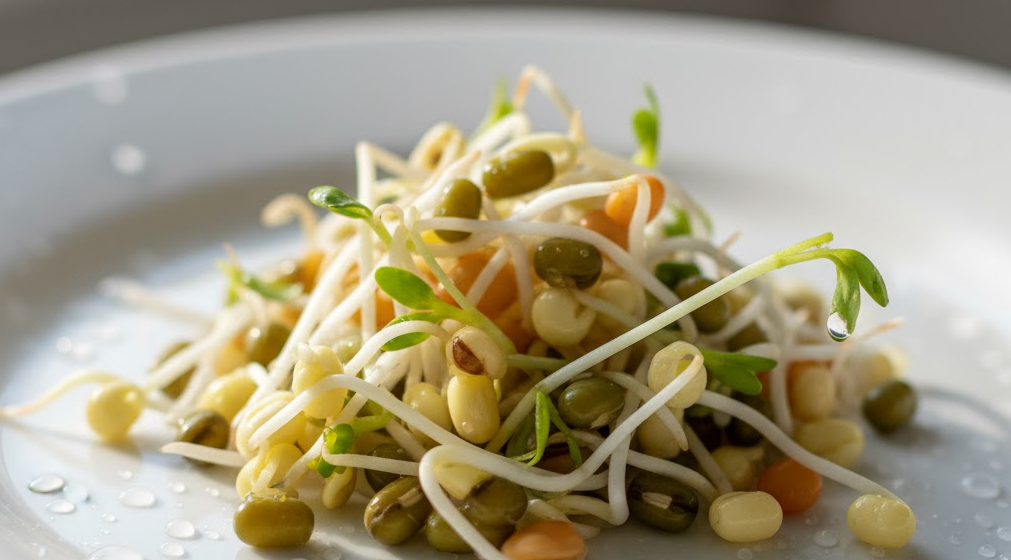
Nutritional Benefits of Sprouts for Children
When handled and prepared safely, sprouted seeds and sprouts offer a powerful nutritional boost for growing children. During sprouting, seeds become richer in vitamin C, B vitamins, folate, iron, and zinc, which are vital for brain development, immunity, and bone strength. The process also activates natural enzymes that make proteins and carbohydrates easier to digest. This means properly cooked sprouts can improve nutrient absorption and support overall growth without overloading the digestive system — a key factor in children’s nutrition.
Sprouts are also a great source of plant-based protein and fiber, helping maintain stable energy and healthy digestion. Fiber keeps the gut in good condition, while antioxidants protect cells and strengthen the immune system. Adding a small amount of soft, well-cooked sprouts to soups, scrambled eggs, or grain bowls can increase the nutrient value of meals without altering their familiar flavor or texture.
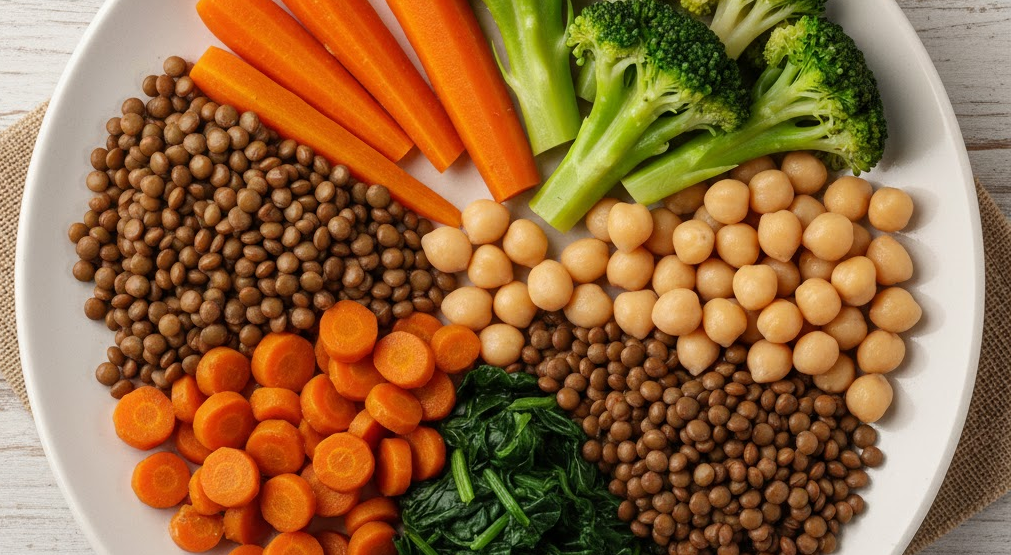
Cooking doesn’t destroy all the nutrients — in fact, it makes minerals like iron and zinc easier to absorb. That’s why steamed or sautéed sprouts are far safer and still nutritious. However, sprouts should never replace other vegetables. A balanced diet with cooked greens, lentils, and grains will provide the same nutrients safely and consistently.
In summary, sprouts can be a healthy supplement in a child’s diet when fresh, clean, and properly cooked. They enrich meals with essential vitamins and minerals, support digestion, and introduce healthy plant-based variety — all while remaining gentle on a young digestive system.
- Sprouts are rich in vitamin C, B vitamins, iron, and folate.
- Cooked sprouts support digestion and nutrient absorption.
- Balanced diets with cooked vegetables are equally beneficial.

Step-by-Step Guide: How to Introduce Sprouts to a Child’s Diet
Introducing sprouted seeds and sprouts into a child’s diet should be done with great care, following a gradual and structured approach. The first and most important rule is choosing safe sprouts. Always buy from trusted, certified suppliers that guarantee sanitary growing conditions. If you plan to grow sprouts at home, only use seeds labeled as suitable for sprouting, disinfect them before soaking, and avoid reusing water. Homemade sprouts can be safer when you control the process, but only if strict hygiene is observed. Never use garden seeds — they can contain chemical treatments unsafe for consumption.
The second rule is proper preparation and cooking. Before serving sprouts to a child, wash them thoroughly under running water and cook them until they are steaming hot. Steaming, sautéing, or lightly boiling for several minutes effectively destroys bacteria without fully stripping away nutrients. Once cooked, sprouts can be added to soups, stews, omelets, or casseroles — all dishes that appeal to children’s taste preferences. Avoid serving sprouts raw, even if they look clean or fresh, because washing alone does not remove bacteria that may live inside the sprout tissue.
After cooking, let the sprouts cool to a safe temperature before serving. The first portion should be small — about one teaspoon or a few strands — just to see how the child’s body reacts. Wait at least two to three days before offering them again, watching for any signs of allergy, bloating, or digestive discomfort. If everything is fine, gradually increase the portion to a few tablespoons over time. Introducing new foods slowly helps the digestive system adapt and minimizes the chance of negative reactions.
Final Thoughts on “Can kids eat sprouted seeds and sprouts: from what age?”
Incorporating sprouted seeds and sprouts into a child’s diet can be both rewarding and beneficial — but only when done safely and thoughtfully. These tiny plants hold impressive nutritional value: they are packed with vitamins, minerals, fiber, and plant-based proteins that support growth, immunity, and energy. Yet, it’s essential to remember that sprouts are also among the foods most likely to carry harmful bacteria if consumed raw or stored improperly. For young children under five, the risk of foodborne illness outweighs any potential benefit, so raw sprouts should be completely avoided.
As children grow older, parents can slowly introduce cooked sprouts into meals. Proper heat treatment — steaming, boiling, or sautéing until hot — ensures that dangerous bacteria are destroyed, leaving behind only the valuable nutrients. Safe storage, clean utensils, and short shelf life are key rules to follow. Sprouts should always be consumed fresh, within a day or two, and never reheated multiple times. Even small lapses in hygiene can compromise food safety.
Ultimately, sprouts can become a nutritious and delicious part of a balanced diet once safety measures are respected. For younger kids, safer alternatives like cooked vegetables, legumes, and grains provide similar benefits without risk. As a child’s immune system strengthens, well-prepared sprouts can gradually add variety and texture to meals. The best approach is simple: start slow, cook thoroughly, and prioritize freshness and hygiene. When handled responsibly, sprouts can support a healthy, plant-rich lifestyle — helping children grow strong, energetic, and curious about real food.
- Avoid raw sprouts for kids under 5 years old.
- Cook thoroughly and serve fresh to preserve nutrients safely.
- Promote variety — sprouts are a supplement, not a staple.
Sprouts for weight loss: can sprouted seeds help you shed pounds?