
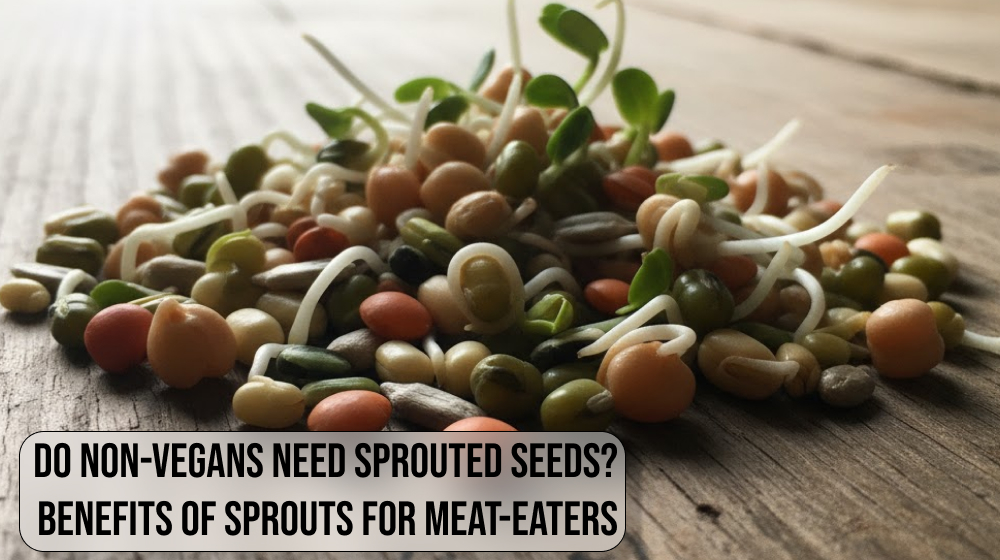
Do non-vegans need sprouted seeds? Benefits of sprouts for meat-eaters Sprouted seeds are activated grains and legumes that undergo a short “awakening” phase when exposed to moisture. During this process, enzymes begin breaking down complex carbohydrates, dense storage proteins, and antinutrients, making the nutrients significantly easier for the body to absorb.
As a result, sprouted seeds offer higher levels of vitamin C, B vitamins, magnesium, zinc, and natural antioxidants compared to their dry state. Although often associated with plant-based diets, their benefits extend far beyond vegan nutrition. For non-vegans, sprouted seeds help lighten heavy meals, enhance micronutrient density, and support digestion without requiring any dietary changes. They add freshness, natural enzymes, and easily absorbed nutrients that improve overall balance in meat-centered diets.
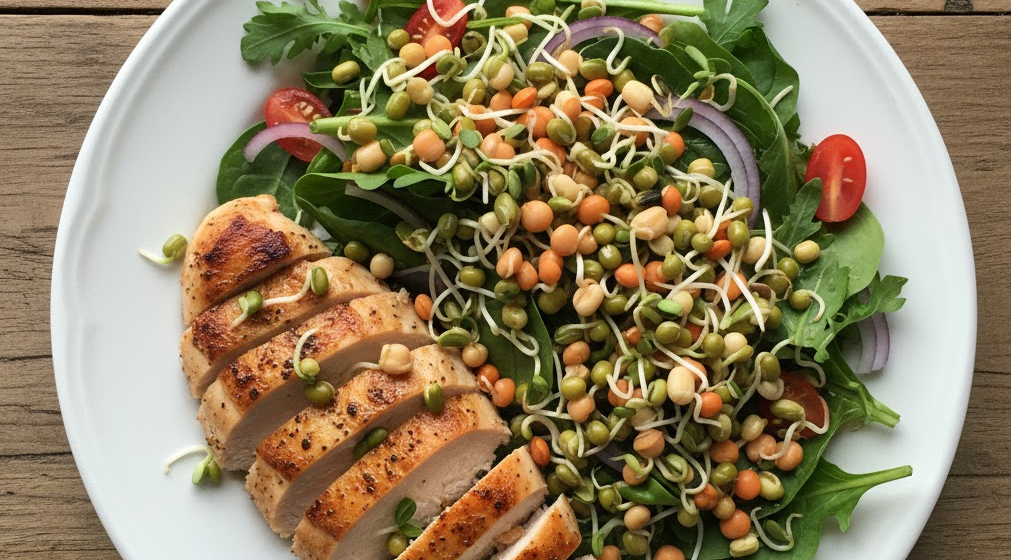
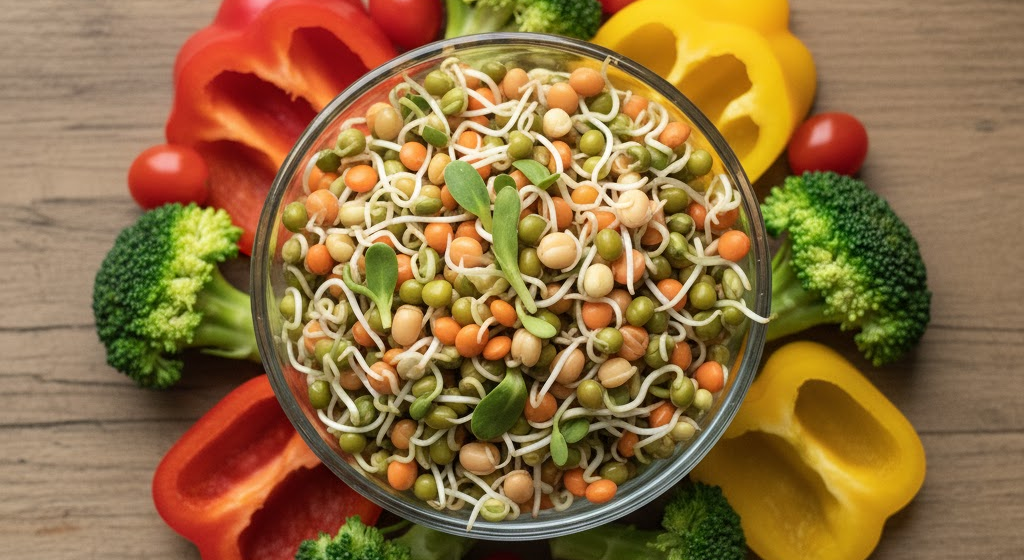
Because of their simplicity, sprouted seeds are easy to integrate into daily meals with no special preparation. Options like lentils, mung beans, chickpeas, buckwheat, and sunflower seeds provide different textures and flavors, allowing flexible use in various dishes. For people who consume meat regularly, sprouted seeds offer unique advantages: improved mineral absorption, microbiome support, and reduced digestive load. Their active enzymes complement the density of animal foods, while fiber adds lightness and comfort. Key advantages of sprouted seeds include:
- higher bioavailability of vitamins and minerals;
- lower antinutrient content;
- easy integration into everyday meals.
Why Non-Vegans Should Pay Attention to Sprouts
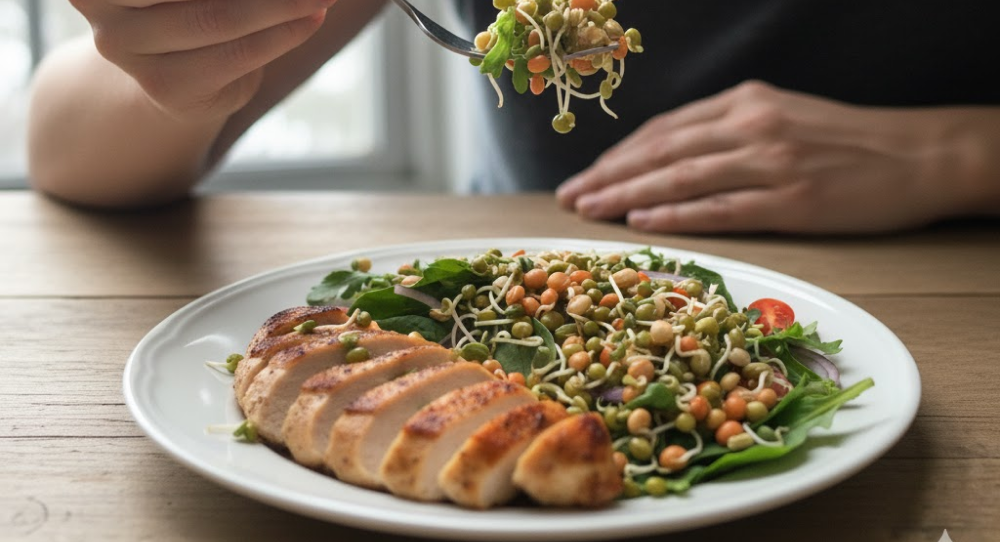
A typical meat-based diet usually provides sufficient protein and vitamin B12, but it often lacks antioxidants, vitamin C, and fiber. Sprouts help fill these gaps because they are a living, nutrient-dense food, rich in bioavailable vitamins and minerals. For the body that regularly consumes animal products, adding sprouted seeds improves nutritional balance and softens the digestive load of heavier meals. They increase vitamin density, add lightness to the diet, and enhance overall nutritional quality without raising calorie intake. This is particularly valuable for non-vegans who want to maintain meat consumption but still diversify their nutrient intake naturally and efficiently.
Beyond micronutrients, sprouts support gut health, improve digestion, and strengthen immunity. Combining meat with sprouted seeds creates a balanced nutritional structure: animal products provide complete protein, while sprouts supply enzymes, fiber, and antioxidants that ease metabolic stress. This combination makes meals less heavy, improves nutrient utilization, and promotes digestive comfort.
Sprouts and Protein Absorption: How They Work Together
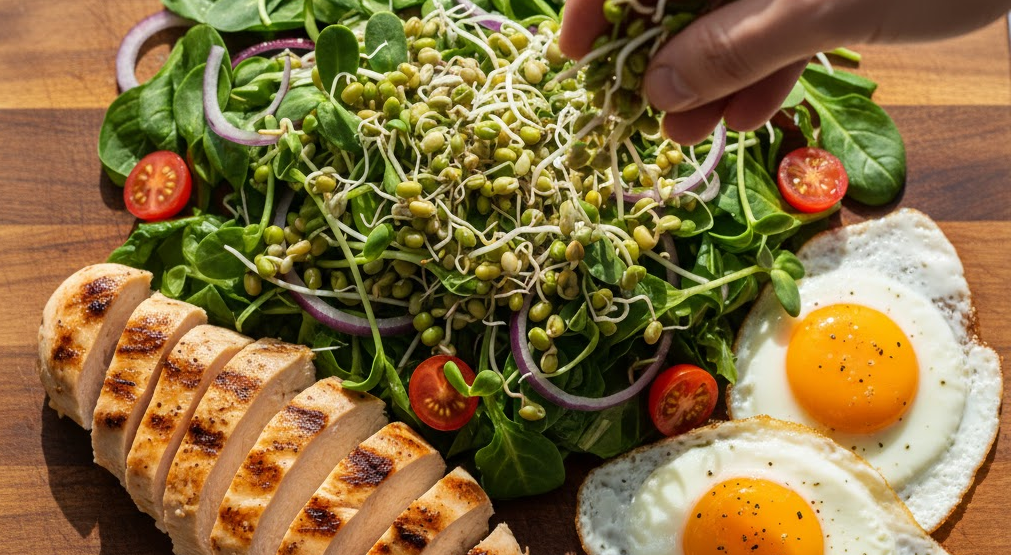
Meat provides a complete protein profile with all essential amino acids, making it crucial in a mixed diet. However, plant proteins from sprouted seeds become significantly easier to digest after sprouting. The process activates enzymes that reduce protease inhibitors and other compounds that normally slow digestion. As a result, non-vegans can obtain additional amino acids from sprouts without overloading their digestive system. Sprouted seeds complement animal proteins, broadening the amino acid spectrum and supporting muscle recovery naturally and efficiently.
This synergy is especially beneficial for active individuals. Sprouts help stabilize energy levels, improve protein utilization, reduce post-meal heaviness, and enhance digestion. Adding sprouts to omelets, salads, sandwiches, or side dishes provides a convenient, nutritious boost to meals. With consistent use, nutrient gaps often seen in repetitive diets are minimized, and recovery from workouts or heavy meals improves. Practical applications include:
- adding sprouts to protein-rich breakfasts;
- using multiple types of sprouts to diversify amino acids;
- pairing sprouts with meat to improve digestibility.
Vitamins and Minerals: What Sprouts Give to Meat-Eaters
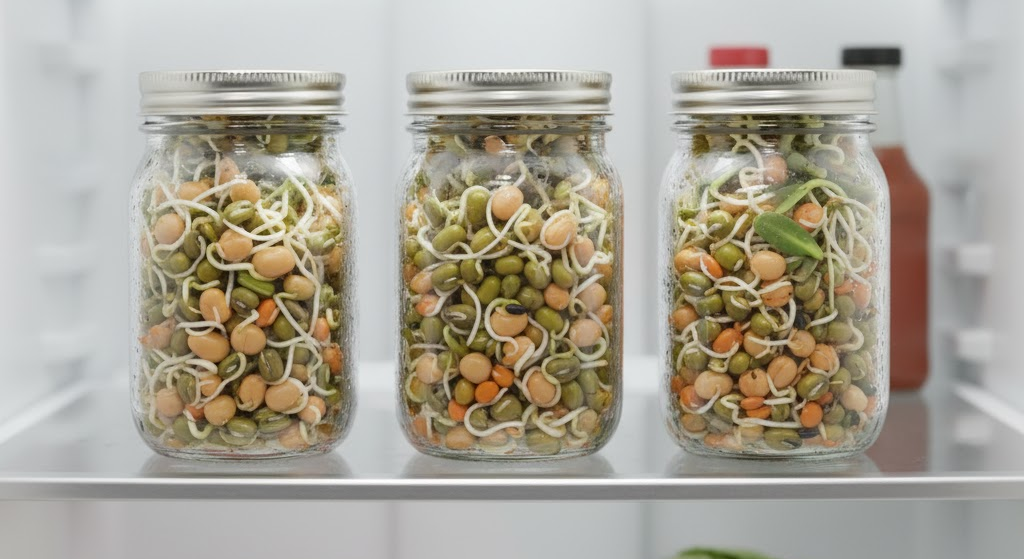
Sprouting dramatically increases the vitamin and mineral content of seeds, making them a highly valuable addition even for non-vegans. Sprouted seeds are rich in vitamin C, B vitamins, folate, and key minerals like magnesium, zinc, and iron, which are often less abundant in meat-heavy diets. For meat-eaters, this is especially important because animal products, while high in protein and vitamin B12, typically lack antioxidants and certain micronutrients. By adding sprouted seeds, meals become more balanced, supporting immune function, energy production, and overall metabolic health. Although sprouts do not provide B12, they complement animal foods by boosting nutrient density, reducing digestive load, and helping the body extract more from both plant and animal sources.
Minerals and vitamins from sprouts also interact beneficially with nutrients from meat. For instance, plant-based iron is more efficiently absorbed when consumed alongside heme iron from animal proteins. This makes sprouted seeds a natural bridge between plant and animal nutrition, enhancing metabolic function and compensating for the lack of vegetable diversity in typical meat-heavy diets. Regular inclusion helps maintain energy levels, supports nerve function, and provides antioxidants that reduce oxidative stress.
Effects on Digestion and Metabolism
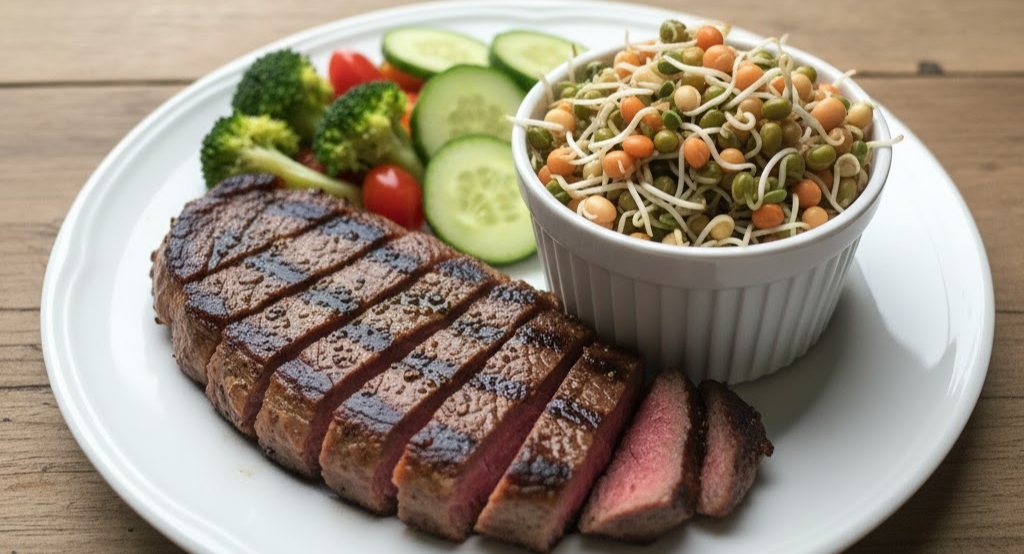
Sprouted seeds are naturally rich in fiber, prebiotics, and active enzymes, which together provide a powerful boost to gut health and digestive efficiency. For non-vegans, who often consume heavier, protein-dense meals, sprouts help reduce digestive strain and make nutrient absorption easier. The fiber content supports healthy peristalsis and regular bowel movements, while the enzymes partially break down complex carbohydrates and proteins, allowing the body to extract more nutrients with less effort. In addition, sprouts are easier to digest than raw legumes, because the sprouting process significantly lowers antinutrients like phytic acid and lectins. Regular inclusion of sprouted seeds can also help prevent bloating and discomfort after meat-heavy meals, making the overall diet feel lighter, more balanced, and more energizing.
Beyond immediate digestive benefits, sprouts positively impact metabolism and overall nutrient utilization. By supporting a healthy microbiome, they contribute to reduced inflammation, enhanced energy levels, and better metabolic flexibility. This makes them especially valuable for meat-eaters, whose diets can sometimes be low in fermentable fiber and plant-based nutrients. Combining sprouted seeds with animal proteins not only improves nutrient absorption but also strengthens immune function and overall wellness. Key benefits of sprouts for meat-eaters include:
- support for beneficial gut bacteria and microbiome balance;
- improved digestion and nutrient absorption in mixed diets;
- enhanced metabolic flexibility and overall digestive comfort.
How Meat-Eaters Can Add Sprouts to Their Diet
Sprouted seeds are extremely versatile and can be integrated into the daily diet of non-vegans with minimal effort. Their mild taste, crunchy texture, and high nutrient content make them a natural complement to meat-based meals. Starting with small portions allows the digestive system to adapt to the fiber and enzymes gradually, ensuring comfort and maximum absorption of nutrients.
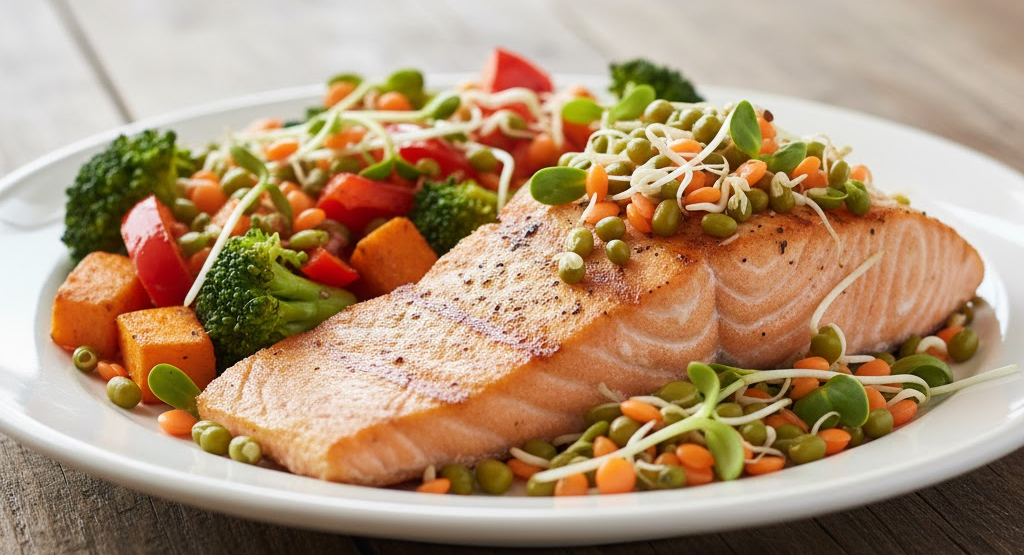
Sprouted seeds can be sprinkled over salads, mixed into omelets, added to sandwiches, or combined with cooked vegetables and grains. They not only enhance flavor and texture but also boost the vitamin, mineral, and antioxidant content of everyday meals. Using a variety of sprouts — such as lentils, mung beans, sunflower seeds, or chickpeas — provides a broader spectrum of amino acids, B vitamins, and plant enzymes, which support protein utilization, metabolism, and digestive efficiency.
For meat-eaters, incorporating sprouts can make traditional dishes healthier without changing the base of the diet. They pair seamlessly with cooked meats, poultry, and fish, acting as a light, fresh topping that balances heavy proteins. Sprouts also integrate well with cold dishes, sandwiches, and dairy products like yogurt, allowing for easy inclusion into breakfast, lunch, or dinner. By adding sprouts consistently, non-vegans improve gut health, support microbiome balance, and enhance overall nutrient intake.
Final Thoughts on “Do non-vegans need sprouted seeds? Benefits of sprouts for meat-eaters”
Sprouted seeds are not a replacement for meat, but they are an incredibly valuable addition to a meat-based diet. For non-vegans, incorporating sprouted seeds provides a natural boost of vitamins, minerals, fiber, and enzymes, enhancing overall nutrient intake without requiring any major dietary changes. Even small portions of sprouts can improve meal quality, add freshness and crunch, and increase the bioavailability of nutrients from both plant and animal sources.
This makes them an ideal tool for anyone who wants to optimize health while maintaining a meat-centered diet. The benefits of sprouts for meat-eaters are extensive: they help improve digestive comfort, support a healthy gut microbiome, enhance nutrient absorption, and provide antioxidants that combat oxidative stress. In addition, sprouts are versatile and easy to integrate into almost any meal, whether it is breakfast, lunch, or dinner, and they pair seamlessly with meat, fish, eggs, and dairy.
Regular consumption of sprouted seeds helps fill common gaps in a meat-heavy diet. While meat provides high-quality protein and vitamin B12, it often lacks fiber, vitamin C, and certain plant-based micronutrients. Sprouts naturally supply these missing nutrients, helping balance meals and support metabolism. Their enzymes and prebiotic fiber improve digestion, reduce bloating, and promote gut health, making meals lighter and more energizing. Furthermore, the variety of sprouts — from lentils and mung beans to sunflower and chickpeas — ensures a broader spectrum of amino acids, vitamins, and minerals. For meat-eaters who want to optimize nutrition without reducing animal foods, sprouts are a simple, effective, and practical solution.
To maximize the benefits, key strategies include: consume sprouts regularly in small portions, combine them with meat and fish to improve nutrient balance, and store and handle sprouts properly to maintain safety and freshness. Overall, sprouted seeds are a convenient, affordable, and highly effective way for non-vegans to enhance diet quality, support digestion, and boost overall wellbeing. By adding sprouts consistently, anyone can create a more balanced, nutrient-rich diet without sacrificing the enjoyment of meat-based meals.