

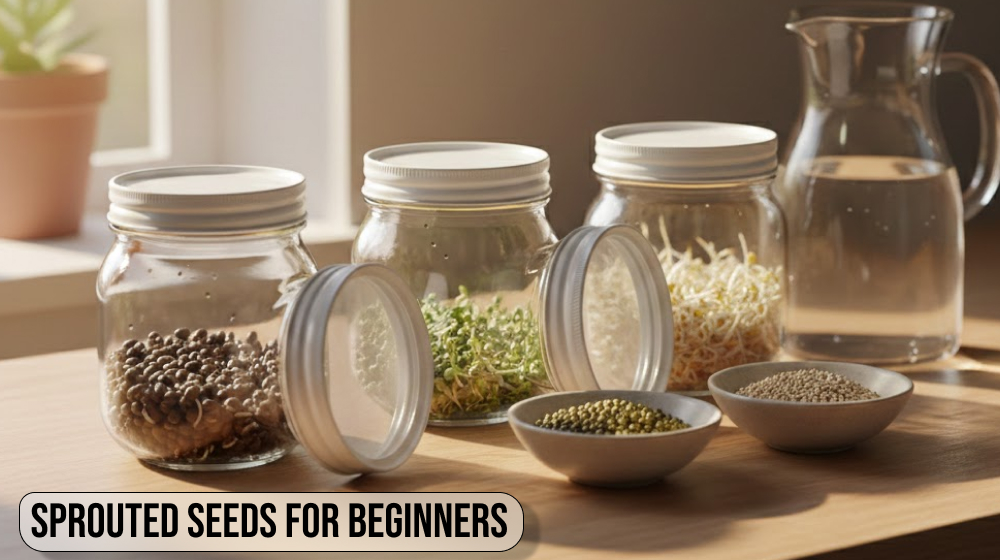
Sprouted seeds are seeds that have begun to germinate under simple, controlled conditions, producing early shoots rich in bioavailable nutrients, active enzymes, and easily digestible compounds. The process reduces antinutrients such as phytates, increases vitamin content, and improves digestibility, making sprouted seeds an accessible tool for boosting nutrient density for beginners. They require almost no equipment—just water, a jar, and a breathable lid—while offering fast results in as little as two to seven days.
Their neutral or slightly nutty flavor allows them to blend naturally into salads, smoothies, bowls, and warm dishes added at the end of cooking. For anyone interested in improving daily nutrition in a manageable way, sprouted seeds for beginners provide an efficient entry point without special culinary skills.
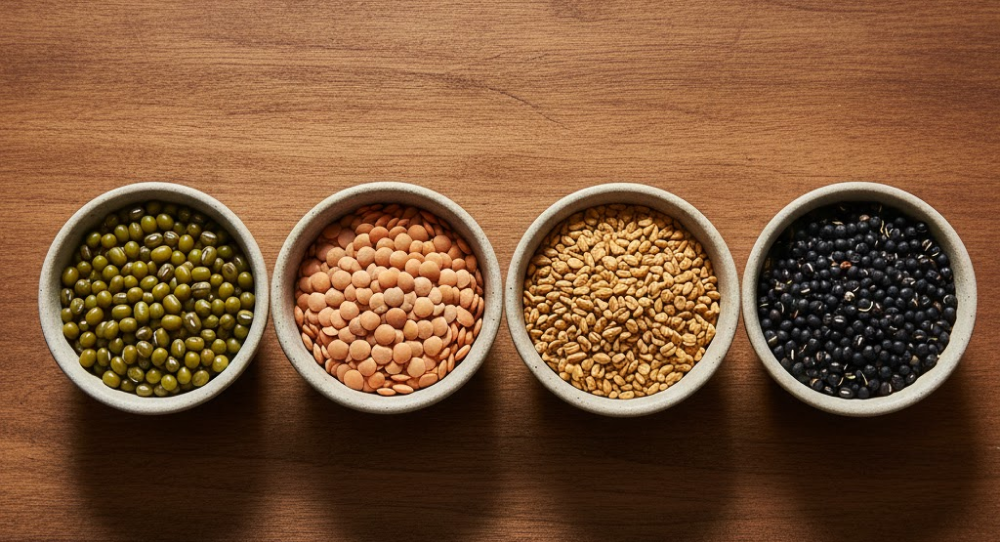
It’s useful to distinguish sprouts from microgreens: sprouts represent an early germination stage with a short root and minimal green growth, while microgreens are a later stage with developed leaves. Sprouts grow faster and require less space, making them ideal for first-time users. Popular beginner options include alfalfa, mung beans, lentils, buckwheat, and radish seeds, all of which sprout quickly and deliver fresh texture. Their simplicity explains why sprouted foods often appear in guides for improving nutrient absorption and supporting digestive balance.
- benefits: fast growth, high bioavailability, simple preparation
- differences: sprouts vs microgreens — stage and speed of development
- uses: salads, smoothies, soups
Nutritional Value and Health Benefits of Sprouted Seeds
Sprouted seeds are well known for their elevated nutritional profile, offering higher levels of vitamins B, vitamin C, folate, antioxidants, and essential minerals such as iron, magnesium, and zinc. When a seed begins sprouting, enzymes break down stored starches and proteins into simpler carbohydrates and amino acids, which the body digests more efficiently. This makes sprouted seeds a valuable addition for beginners seeking to support digestion, maintain stable energy levels, or enrich plant-based diets without increasing calorie intake. Because they contain concentrated micronutrients and phytonutrients, sprouted seeds contribute meaningfully to maintaining metabolic balance and improving nutritional density in everyday meals.
Beyond basic nutrition, sprouted seeds provide a functional boost thanks to their rich antioxidant content, which helps reduce oxidative stress associated with fatigue, inflammation, and slower recovery. This is particularly valuable for individuals pursuing long-term wellness or small daily habits that meaningfully affect health outcomes. Despite their advantages, sprouted seeds should be consumed as part of a balanced diet rather than treated as a standalone solution. Beginners with weakened immunity should pay particular attention to hygiene, because bacterial contamination can occur if seeds are not rinsed properly or if equipment is not kept clean. With appropriate hygiene—clean jars, safe water, correct soaking periods—sprouting becomes a safe and highly rewarding practice.
Best Seeds for Beginners: Simple and Reliable Options
New users should begin with seeds known for reliability, mild flavor, and rapid sprouting. Alfalfa is among the easiest and most popular options: it produces delicate, crisp sprouts with a light taste that blends well with most dishes. Mung beans are another beginner favorite, delivering firm, juicy sprouts that add substance to salads and warm meals. Green lentils sprout quickly, require little maintenance, and produce hearty sprouts rich in plant protein. Buckwheat, which germinates quickly even with short soaking, offers a pleasant nutty aroma and soft texture suitable for breakfasts and smoothies. For those who want a bolder flavor profile and additional antioxidants, radish and broccoli sprouts deliver peppery notes and contain beneficial compounds such as sulforaphane.
Selecting the right seeds depends on individual goals. For simple, everyday use, alfalfa and buckwheat provide light textures and a neutral taste. For users who want more protein or substance, mung beans and lentils are the strongest choices. Those who want a nutritional upgrade with functional benefits may prefer radish or broccoli for their richer phytonutrient profile. Beginners should also be cautious when buying seeds and avoid those intended for gardening, as many garden seeds have chemical coatings not suitable for food consumption. Instead, beginners should look for food-grade sprouting seeds, labelled specifically for safe internal use.
- best starters: alfalfa, buckwheat, mung beans
- for stronger flavor: radish, broccoli
- avoid: garden-treated seeds
Equipment, Preparation, and Hygiene for Home Sprouting
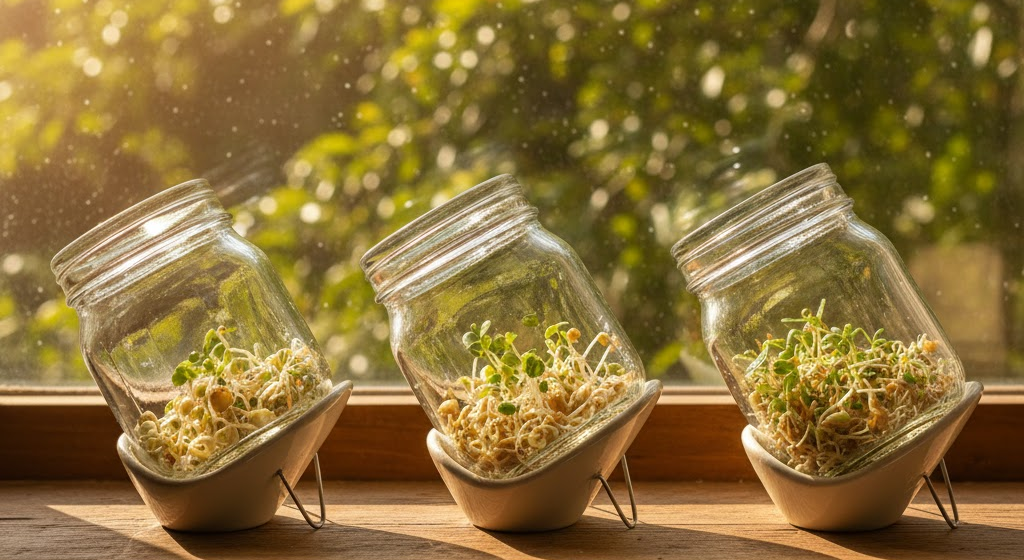
The home sprouting process is simple and requires only a few basic items. A glass jar with a breathable mesh or cloth lid, clean drinking water, and a cool, shaded place is enough to start sprouting successfully. Although specialized sprouting trays or multi-tiered systems exist, most beginners find a jar convenient, inexpensive, and efficient. Maintaining hygiene is essential because the warm, moist environment needed for sprouting can also support unwanted bacteria. Washing hands thoroughly, sterilizing the jar before each batch, and using fresh drinking water significantly reduces risks.
Environmental conditions play a crucial role in successful sprouting. Seeds generally thrive at temperatures between 18–24°C. During the first two days, placing them in a dark area helps them germinate evenly. As tiny leaves begin to appear, exposing sprouts to indirect light helps enrich chlorophyll production, resulting in fresher color and better nutritional value. Regular rinsing—two or three times daily—keeps sprouts hydrated while flushing away by-products that could cause spoilage. Many beginners find that keeping simple notes (seed type, soaking time, number of rinses, taste results) helps refine their method and identify which varieties they enjoy most.
Step-By-Step Guide to Sprouting Seeds at Home
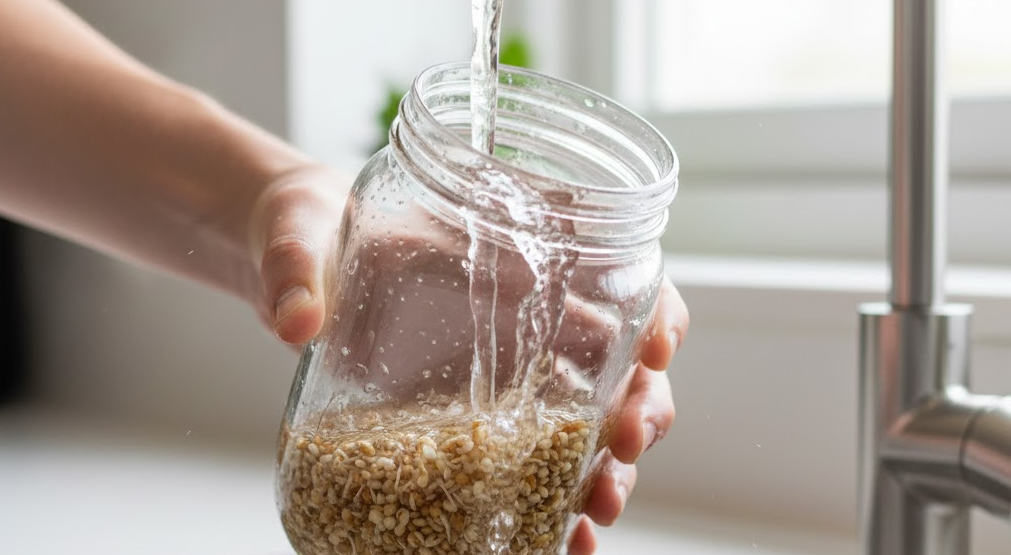
The first step is rinsing and soaking. Seeds should be thoroughly rinsed under running water to remove dust and natural residue. After rinsing, place them in a jar and cover with three times their volume in clean water. Depending on the type, soaking takes six to twelve hours. The second step is draining and rinsing. After soaking, drain the water completely and place the seeds in a sprouting jar with a breathable cover.
Throughout the sprouting period, rinse the seeds two to three times a day, ensuring that no excess water remains at the bottom. The third step is monitoring and harvesting. Over the next one to seven days, sprouts grow to one–three centimeters. Once they reach the desired length, give them a final rinse and store them in the refrigerator.
Beginners should avoid common mistakes such as letting water accumulate at the bottom of the jar, which encourages mold and unpleasant smells. Fresh sprouts should smell neutral or mildly earthy; any sour or off-putting scent indicates bacterial growth and means the batch should be discarded. Keeping a consistent routine—rinsing at the same times each day and checking the jar’s moisture—ensures better outcomes. Timers, reminders, or labels on the jar help maintain structure for those just starting.
- main phases: soaking, rinsing, harvesting
- important control: no standing water
- tip: use reminders for consistency
Storage, Preparation, and Culinary Use of Sprouted Seeds
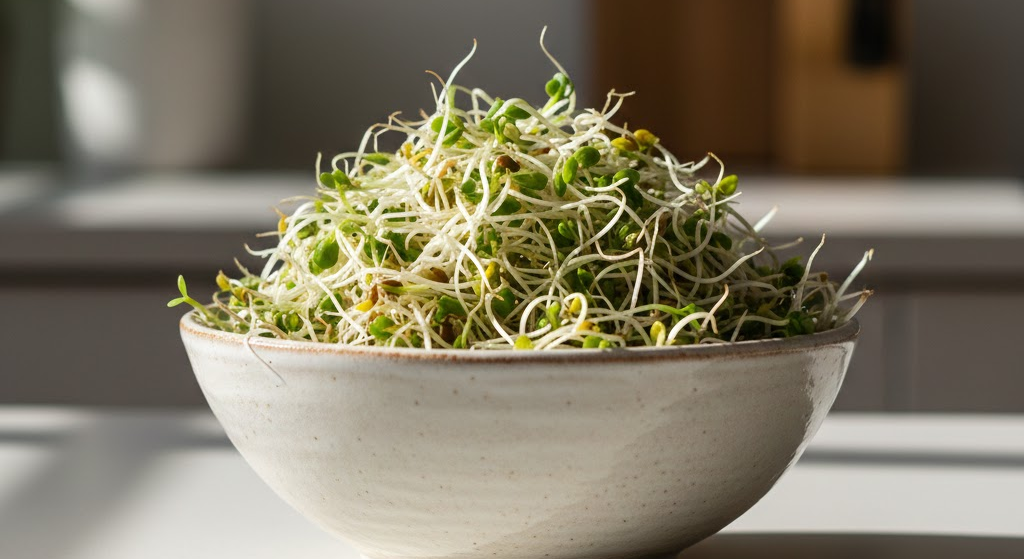
Fresh sprouts generally remain crisp and flavorful for three to seven days when stored properly in the refrigerator. Before placing them in a container, they should be drained thoroughly because excess moisture can speed up spoilage. A breathable storage container—one that prevents condensation while still protecting from drying out—keeps them fresh longer. While many nutrients remain stable for several days, taste and texture gradually change, so consuming sprouts within the first few days ensures maximum quality. Beginners should also avoid storing sprouts near foods with strong odors, as sprouts easily absorb surrounding smells.
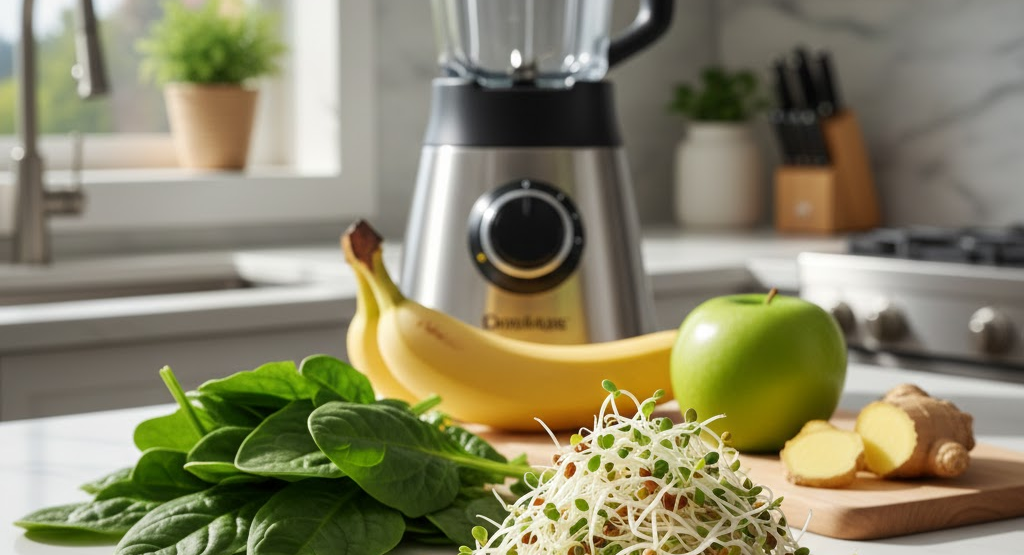
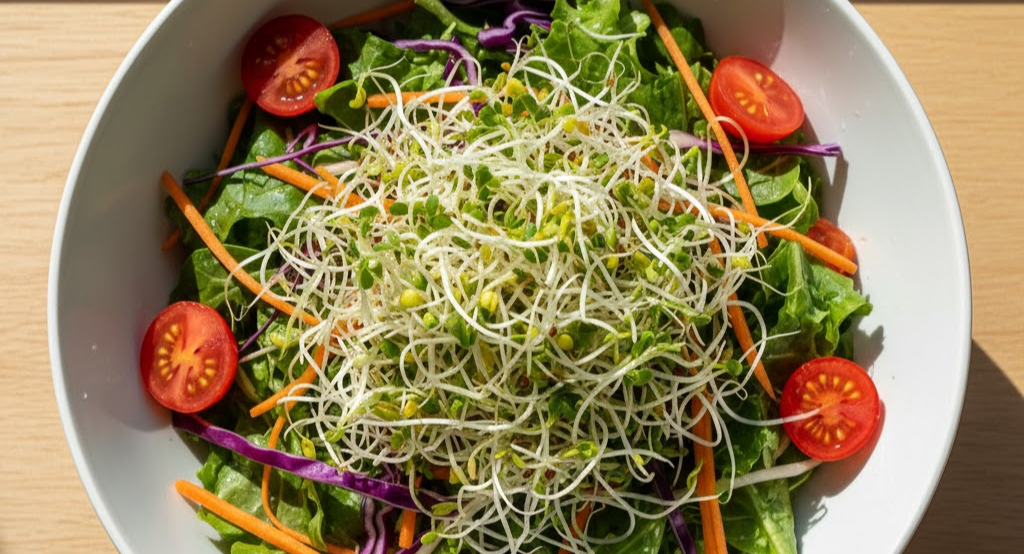
Culinary use is simple and versatile. Sprouted seeds pair well with salads, sandwiches, wraps, omelets, grain bowls, and soups (added at the end to preserve nutrients). Their mild flavor allows them to complement both fresh and warm dishes without overpowering the main ingredients. For nutrient preservation, it’s best to avoid cooking sprouts for long periods; gentle warming or adding them after cooking keeps enzymes and vitamins intact. Sprouts also work well in smoothies, adding fiber and micronutrients without altering flavor significantly.
Final Thoughts: “Sprouted Seeds for Beginners”
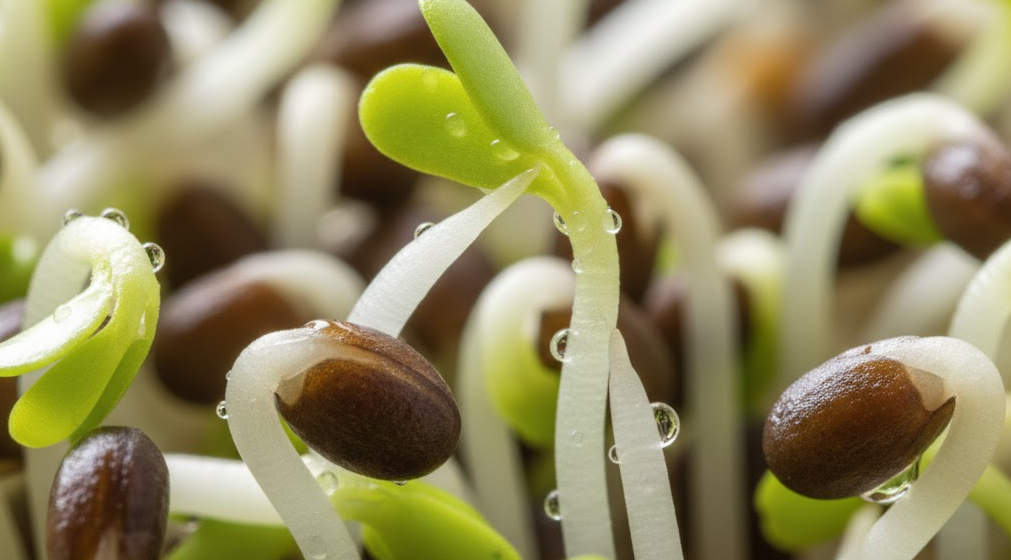
Final Thoughts: Sprouted Seeds for Beginners summarize the core ideas of why sprouted seeds have become one of the simplest and most accessible tools for anyone beginning their journey toward more functional and mindful nutrition. The importance of this topic goes beyond basic dietary value — sprouted seeds offer a practical way to upgrade a daily eating routine without specialized knowledge, expensive equipment, or major time investment.
For beginners, this is crucial: the easier the process, the easier it is to build a habit that genuinely supports health and performance. Sprouted seeds help increase the intake of vitamins, enzymes, and antioxidants in almost any meal, transforming an ordinary diet into a more biohacker-friendly one without dramatic lifestyle changes. This is why Final Thoughts: Sprouted Seeds for Beginners highlight sprouting as a smart step toward better well-being, improved energy levels, and greater overall resilience.
Another essential point is the flexibility and scalability of this practice. Final Thoughts: Sprouted Seeds for Beginners emphasize that sprouting can be adapted to any schedule, experience level, or culinary preference. Beginners only need to master the basics — proper soaking, airflow, and moisture control — to start producing fresh, nutrient-dense sprouts within just a couple of days.
These sprouts integrate easily into smoothies, salads, side dishes, or cold appetizers without requiring a change in a person’s usual eating style. Moreover, sprouting improves the bioavailability of zinc, magnesium, and iron — nutrients often lacking in the diets of people with fast-paced lifestyles. In conclusion, Final Thoughts: Sprouted Seeds for Beginners reinforce that sprouted seeds are suitable for anyone looking to strengthen the body, enhance daily nutrition, and introduce a simple yet powerful biohacking tool without stress or information overload.