

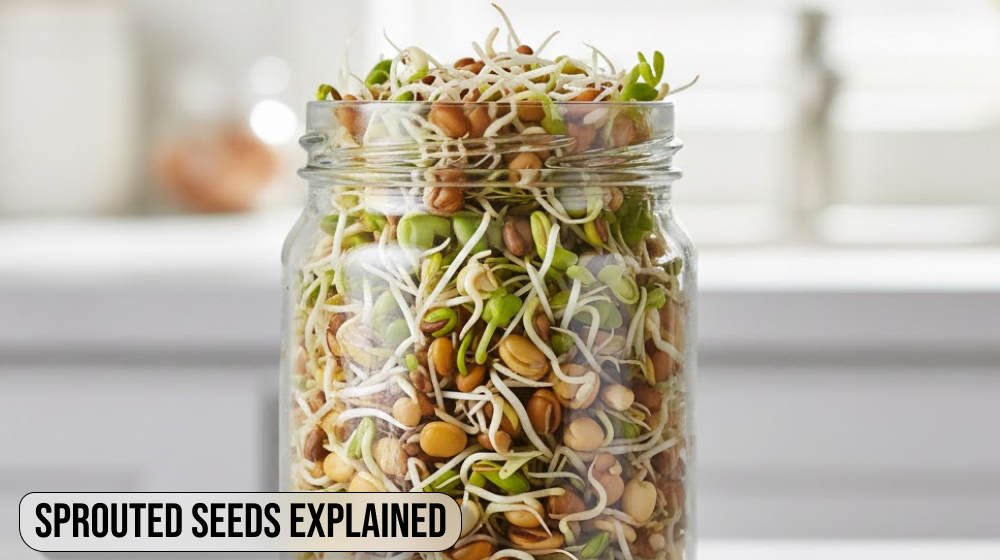
Sprouted Seeds Explained. Sprouted seeds are seeds that have undergone the germination process, which activates their natural nutrients, enzymes, and bioactive compounds, making them more digestible and beneficial for the human body. Unlike dry or raw seeds, sprouted seeds contain significantly higher levels of vitamins, minerals, and antioxidants.
The sprouting process triggers enzymatic activity that breaks down starches into simpler sugars, proteins into amino acids, and complex fats into fatty acids. This not only enhances the nutritional profile but also increases the bioavailability of essential nutrients, allowing the body to absorb them more efficiently. Sprouted seeds are also lower in antinutrients like phytic acid, which can inhibit mineral absorption, making them a superior choice for anyone aiming to maximize the nutritional value of their diet.
For beginners, incorporating sprouted seeds into daily meals is both simple and highly beneficial. They can improve digestion by stimulating healthy gut bacteria, support immune function through nutrient-dense compounds, and enhance energy metabolism naturally. Sprouted seeds can be consumed raw, lightly steamed, or added to smoothies, salads, soups, or stir-fries, providing texture, flavor, and an extra nutritional boost. Regular use of sprouted seeds may help prevent nutrient deficiencies, support weight management, and contribute to overall vitality. The best part is that sprouting seeds at home is affordable, easy, and customizable to individual taste preferences, making it an ideal step for anyone beginning a health-conscious lifestyle.
- Increase the absorption of proteins, vitamins, and minerals.
- Reduce antinutrients that can hinder nutrient uptake.
- Promote digestive health and support a healthy gut microbiome.
How to Choose the Best Seeds for Sprouting
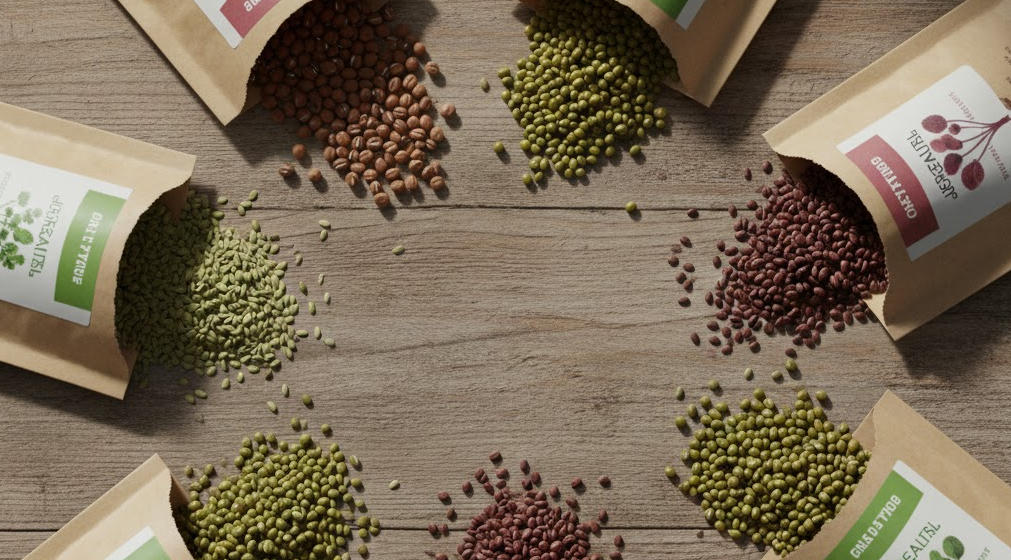
Choosing the right seeds for sprouting is essential for a successful and safe sprouting experience. Not all seeds are suitable for sprouting; some may be treated with chemicals or pesticides that are unsafe for direct consumption. Beginners should focus on seeds labeled as “organic” or “edible,” as these retain their natural nutrients and are free from harmful residues. Additionally, some seeds sprout faster than others, which is ideal for those just starting, because quick-growing seeds provide faster results and reduce the risk of contamination. Common beginner-friendly options include alfalfa, mung beans, lentils, and radish seeds, each offering unique textures, flavors, and nutrient profiles.
When selecting seeds, it’s also important to check their freshness, appearance, and packaging. Seeds should be clean, uniform in size, free from mold, and not expired. Certain seeds, such as chickpeas or lentils, may require pre-soaking before sprouting to initiate germination. By carefully choosing high-quality seeds, beginners can minimize the risk of bacterial growth, mold formation, or failed sprouting, ensuring a safe and successful experience. A thoughtful selection process is the foundation of consistently healthy and nutritious sprouts.

How to Prepare Seeds for Sprouting
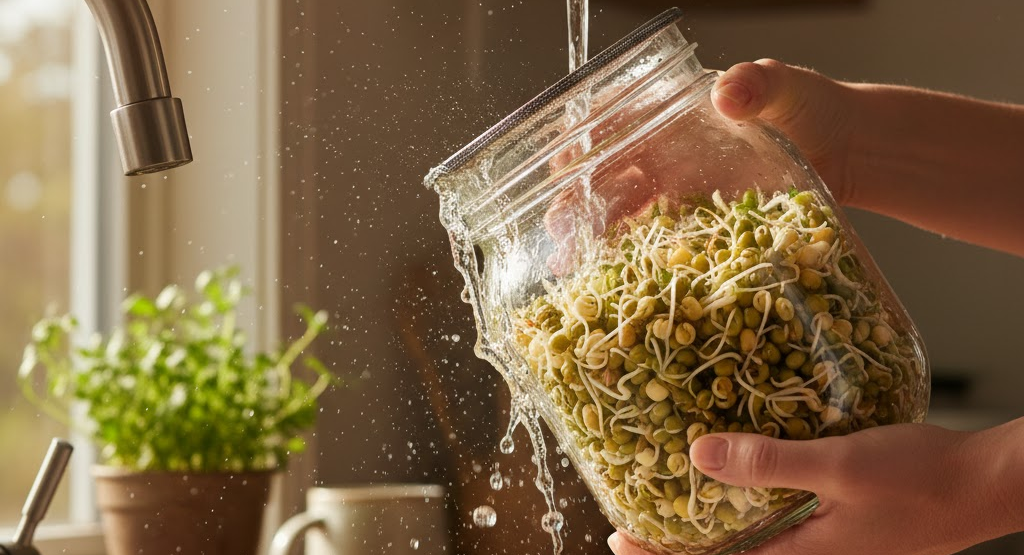
Proper preparation of seeds for sprouting is a critical step to ensure successful germination and maximize nutritional value. Most seeds benefit from soaking in clean water for 4–12 hours, which hydrates the seed, triggers enzyme activity, and softens the seed coat for easier sprout emergence. During soaking, seeds begin breaking down stored starches into simpler sugars and activating antioxidants, which increases their digestibility and flavor. After soaking, it’s essential to rinse the seeds thoroughly with fresh water to remove impurities and any residual dirt or debris.
Using a glass jar, ceramic bowl, or dedicated sprouting tray, place the soaked seeds in a single layer to allow airflow and prevent overcrowding, which can lead to mold or bacterial growth. Maintaining consistent moisture without waterlogging is key — seeds should feel damp but not submerged. Temperature also plays a role: room temperature is generally ideal for most seeds, while extreme cold or heat can slow or halt germination. Beginners should rinse their seeds 1–2 times per day to prevent bacteria or fungi from forming, ensuring that sprouts grow healthy, clean, and nutrient-rich.
- Soak seeds in clean, filtered water for 4–12 hours.
- Use a glass jar, ceramic bowl, or sprouting tray to allow airflow.
- Rinse seeds 1–2 times daily to prevent mold and bacteria.

How to Sprout Seeds at Home
Sprouting seeds at home is simple, safe, and requires minimal equipment. After soaking and rinsing, seeds are placed in a sprouting jar or tray in a well-ventilated area with indirect light. Proper drainage is crucial; standing water can quickly lead to mold or rot. Air circulation, combined with regular rinsing, helps keep sprouts fresh and prevents bacterial growth. Depending on the type of seed, sprouting time can vary from 2–7 days, with small seeds like alfalfa or broccoli sprouting faster than larger seeds like chickpeas or mung beans.
Lighting conditions also influence the taste and appearance of sprouts. While direct sunlight can dry them out and reduce shelf life, indirect natural light or fluorescent lighting helps them grow tender and green. Once sprouts reach the desired length, typically 1–3 inches, they are ready to eat and can be stored in the refrigerator for up to a week. Beginners should monitor their sprouts daily, checking for moisture, color, and odor to ensure optimal quality. Sprouting at home is both rewarding and cost-effective, providing a continuous supply of fresh, nutrient-packed greens.
Beginner-Friendly Seeds for Sprouting
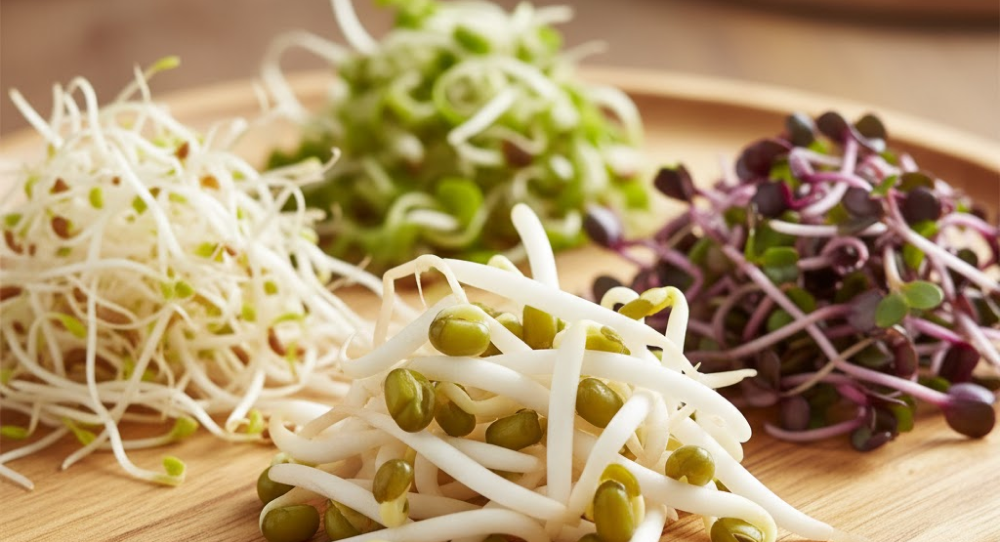
For beginners, selecting easy-to-sprout seeds is key to building confidence and consistency in home sprouting. Fast-growing seeds like alfalfa, mung beans, and radish are ideal because they require minimal effort, germinate quickly, and have a mild, pleasant taste suitable for raw consumption. Alfalfa sprouts are tender, versatile, and nutrient-rich, making them perfect for salads and sandwiches. Mung bean sprouts grow thicker and juicier, offering a satisfying crunch for stir-fries or soups. Radish sprouts have a slightly spicy flavor and add a zing to dishes, while sprouting in just a few days.
Introducing multiple seed types gradually allows beginners to explore a variety of flavors and nutritional benefits. Combining sprouts like lentils, broccoli, or sunflower seeds creates a colorful, nutrient-dense mix that enhances both taste and appearance. Starting small — with three seed types — helps new sprouters learn the process without being overwhelmed. Over time, experimenting with more exotic seeds such as quinoa, amaranth, or clover can diversify meals and increase nutrient intake, making sprouting an exciting and ongoing health practice.
- Alfalfa — fast-growing, mild flavor, versatile in dishes.
- Mung beans — thick, crunchy sprouts, ideal for soups and stir-fries.
- Radish — spicy, flavorful, and quick to sprout.
Storing and Using Sprouted Seeds
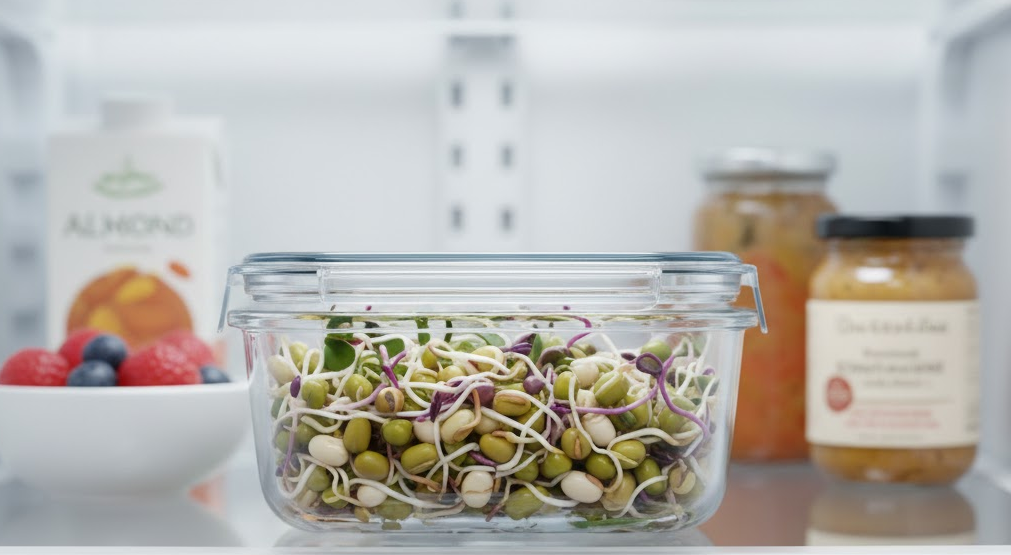
Proper storage of sprouted seeds is essential to preserve freshness, taste, and nutrient content. Once sprouts have reached the desired growth, they should be rinsed thoroughly and stored in a clean, airtight container in the refrigerator. Most sprouts remain fresh for 5–7 days when refrigerated, allowing for a steady supply of nutrient-rich greens throughout the week. Sprouts can be stored with a damp paper towel to maintain humidity, but excessive moisture should be avoided to prevent spoilage.
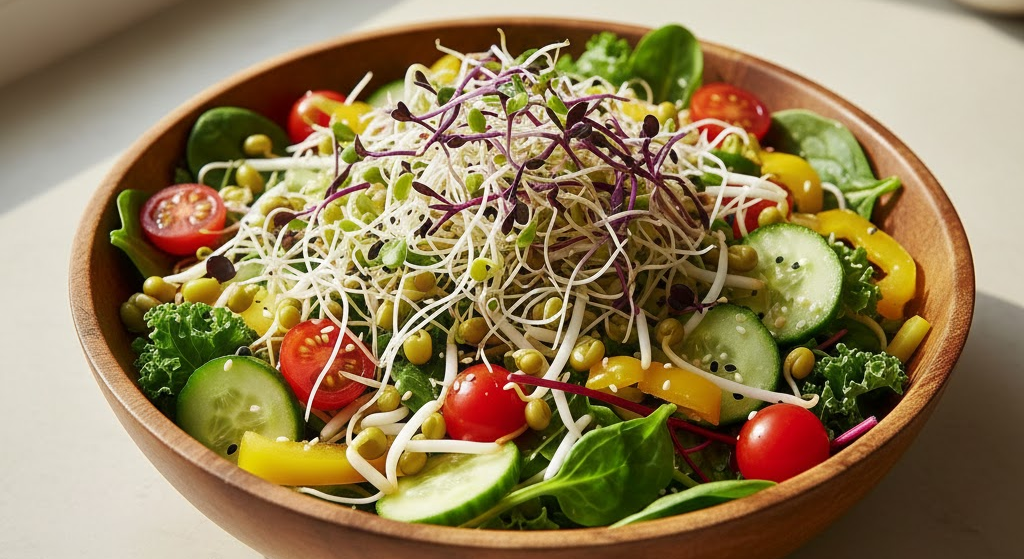
Sprouted seeds can be enjoyed raw in salads, sandwiches, wraps, and smoothies or lightly cooked in soups, stir-fries, and casseroles. They provide a concentrated source of vitamins, minerals, and antioxidants, boosting immunity, supporting digestion, and promoting overall wellness. Beginners should start with small portions, such as 2–3 tablespoons per meal, to allow the digestive system to adjust to the high fiber content. Regularly incorporating sprouts into meals supports a nutrient-dense, plant-based diet, enhances energy, and contributes to long-term health benefits.
Final Thoughts on “Sprouted Seeds Explained“
Starting with sprouted seeds for beginners is an easy, affordable, and highly rewarding way to improve overall health and nutrition. Sprouting seeds at home allows anyone to unlock the full potential of common seeds, turning them into nutrient-dense, enzyme-rich foods that support digestion, immunity, and energy levels. For beginners, the process may seem unfamiliar at first, but with a few simple steps — selecting quality seeds, proper soaking, maintaining moisture, and daily rinsing — sprouting becomes a manageable and enjoyable habit. The benefits of incorporating sprouted seeds into your diet extend beyond nutrition; they encourage a mindful approach to eating and foster creativity in preparing meals.
Beginners should start with easy-to-grow seeds like alfalfa, mung beans, or radish, gradually experimenting with more varieties as confidence grows. Using sprouted seeds in salads, sandwiches, smoothies, or even light cooking enhances flavor, texture, and visual appeal while boosting nutrient intake. Because sprouts are concentrated sources of vitamins, minerals, plant-based proteins, and antioxidants, they help maintain balanced energy, support metabolic health, and promote overall well-being. Including sprouted seeds in your diet also encourages a plant-focused lifestyle that is both sustainable and versatile, offering endless possibilities for culinary experimentation.
Consistency is key for beginners. Incorporating sprouted seeds daily, even in small amounts, allows the body to benefit from their nutrients while gradually improving digestion and gut health. Over time, sprouting seeds becomes more than a simple cooking step — it becomes a habit that contributes to long-term health, vitality, and connection to natural, whole foods. For anyone looking to start a healthier, more nutrient-rich lifestyle, sprouted seeds for beginners provide a practical, low-cost, and highly effective solution that is both approachable and enjoyable. Embracing sprouting not only improves meals but also empowers individuals to take control of their nutrition and well-being in a simple, natural, and sustainable way.
- Easy, affordable, and highly rewarding for beginners.
- Supports digestion, immunity, and overall energy.
- Encourages a mindful, plant-focused, and nutrient-rich lifestyle.