

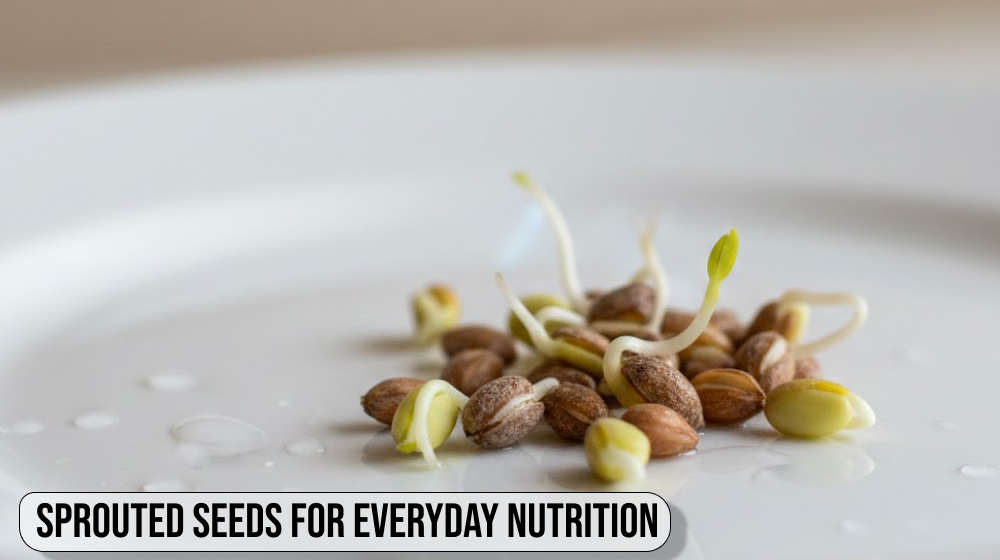
The concept of Sprouted Seeds for Everyday Nutrition is built around the natural transformation that happens inside a seed once it absorbs water and activates its internal enzymes. This early growth phase significantly shifts the seed’s nutritional profile, making sprouted seeds richer in vitamins, minerals, amino acids, and easily digestible carbohydrates.
When a seed begins to sprout, its stored nutrients are converted into forms that the human body can absorb more efficiently, improving the overall nutrient density of even a small serving. For people looking to support daily nutrition without making complicated dietary changes, sprouted seeds provide a convenient, compact source of valuable compounds. Their mild flavor and adaptable texture allow them to blend well with both simple and more structured meals.

Beyond convenience, sprouted seeds are appreciated in the wellness and biohacking communities because they activate natural compounds that remain dormant in dry seeds. As enzymatic reactions unfold, anti-nutrients such as phytic acid decrease, while antioxidants and free amino acids increase. This makes sprouted seeds a practical solution for supporting metabolic balance, immunity, and overall daily vitality. They can be added to salads, meals, and smoothies to create a subtle nutritional upgrade. The three most frequently used seed categories include:
- Legumes (chickpeas, mung beans, lentils) offering plant protein and fiber.
- Grains and pseudo-grains (wheat, quinoa, amaranth) supporting energy needs and B-vitamin intake.
- Oilseeds and vegetable seeds (sunflower, pumpkin, radish) rich in minerals, healthy fats, and chlorophyll.
Nutritional Value and Increased Bioavailability Through Sprouting
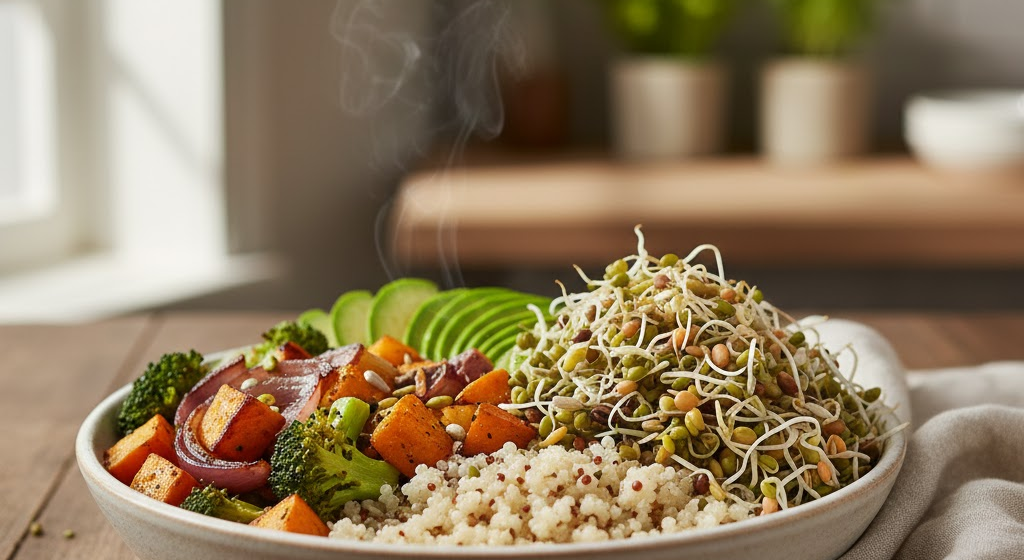
The nutritional advantage of sprouted seeds is strongly tied to their improved bioavailability — the ease with which nutrients become accessible to the body. During sprouting, complex carbohydrates begin breaking down into simpler sugars, proteins convert into free amino acids, and some vitamins rapidly increase. This is especially relevant for individuals relying on plant-based foods, since sprouting naturally enhances the availability of iron, zinc, magnesium, and other minerals that are otherwise harder to absorb from non-sprouted plant sources. Vitamin C, folates, and B vitamins can multiply during the first days of sprouting, making Sprouted Seeds for Everyday Nutrition a strategic component of a nutrient-conscious lifestyle.
The sprouting stage matters: early sprouts tend to deliver higher levels of vitamins and enzymatic activity, while longer growth increases fiber and chlorophyll. Either way, the final product provides heightened nutritional value compared to unsprouted seeds. Because nutrients become more accessible, even a small portion of sprouts can meaningfully enrich a meal. For those optimizing their diet, this leads to a more efficient intake of essential micronutrients without increasing caloric load.

Digestive Health Benefits and Microbiome Support
Many people choose sprouted seeds for their positive influence on digestive health. Sprouting reduces compounds that typically interfere with digestion, such as enzyme inhibitors found in legumes and grains. Since sprouting breaks complex substances into simpler components, the body expends less effort to process them, lowering the risk of bloating or heaviness. This makes sprouted seeds a friendlier option for individuals sensitive to raw legumes or high-fiber plant foods. Additionally, the natural prebiotic fibers found in sprouts help nourish beneficial gut bacteria, supporting microbiome diversity and resilience — a key factor in immunity, mood regulation, and metabolic balance.
Regular inclusion of sprouted seeds in everyday nutrition introduces a consistent supply of fermentable fibers and oligosaccharides that feed healthy microorganisms. Over time, this can improve digestion, support smoother bowel motility, and help maintain stable energy levels. People with sensitive digestion typically benefit from introducing sprouts gradually, allowing the body to adjust to the increased fiber content. When used thoughtfully, sprouted seeds become a simple way to strengthen the foundation of gut wellness. Digestive benefits include:
- Reduced anti-nutrient content, making foods easier to absorb.
- Increased prebiotic support for a healthy and diverse microbiome.
- Improved bowel function due to balanced soluble and insoluble fiber.
How Sprouted Seeds Fit Into Everyday Meals
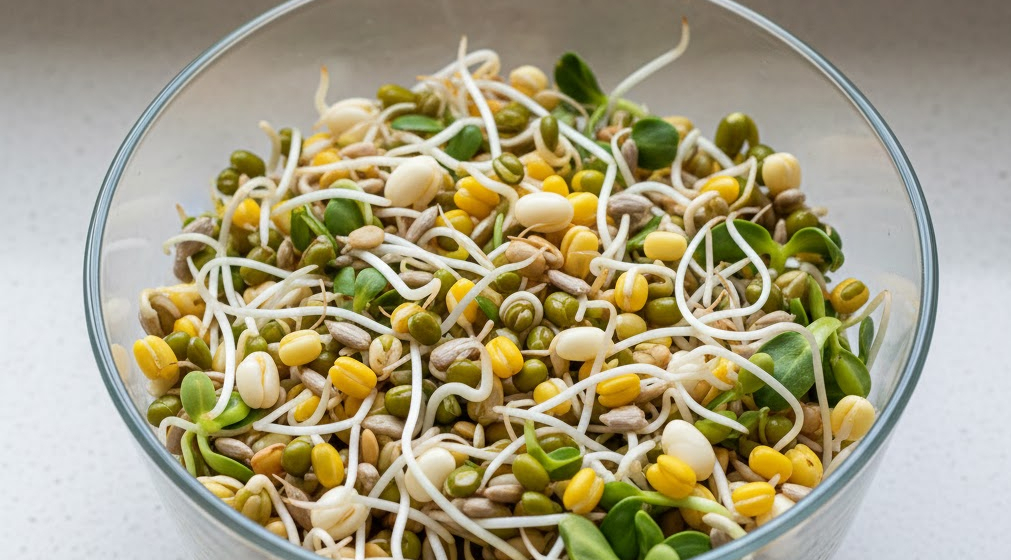
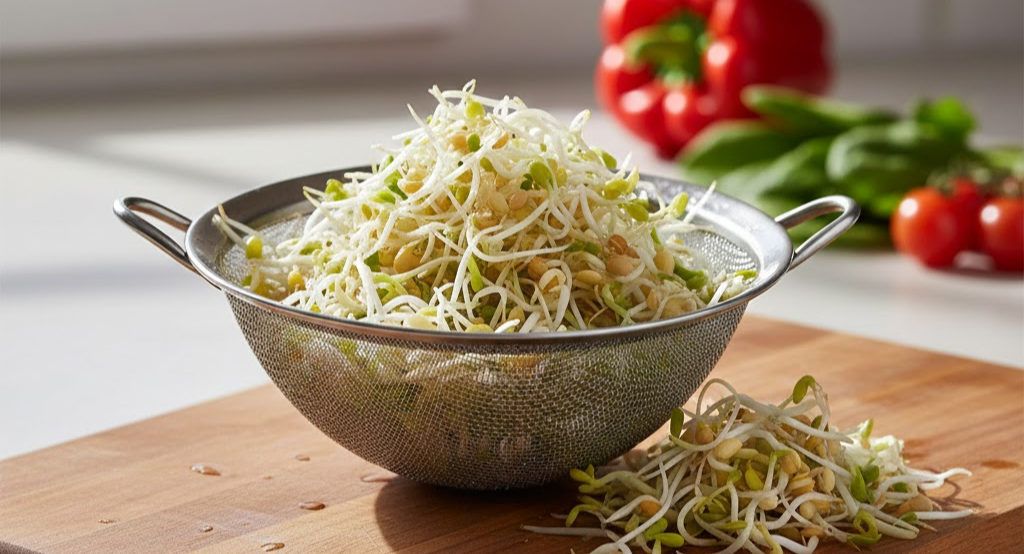
The versatility of Sprouted Seeds for Everyday Nutrition makes them easy to integrate into any eating routine. Because their flavor is mild and their texture fresh and crunchy, sprouted seeds fit effortlessly into salads, soups, smoothie bowls, sandwiches, and warm dishes. Adding a small handful to meals enhances nutrient density without altering the dish’s main taste. For busy schedules, this adaptability is crucial — sprouted seeds can serve as a convenient nutritional “booster” that requires no cooking and only minimal preparation. Pairing sprouts with healthy fats or a protein source can increase the absorption of fat-soluble micronutrients and help maintain macronutrient balance across meals.
For more structured meal planning, sprouted seeds work well as part of pre-made bowls or snacks. They pair effectively with yogurt, roasted vegetables, cottage cheese, grain bowls, and plant-based dishes. Athletes or people with increased physical demands value sprouted seeds for their amino acids and vitamins that assist in recovery. Because the sprouting process softens the seed’s structure, sprouts digest more easily than their unsprouted counterparts.
Home Sprouting: A Step-by-Step Practical Method
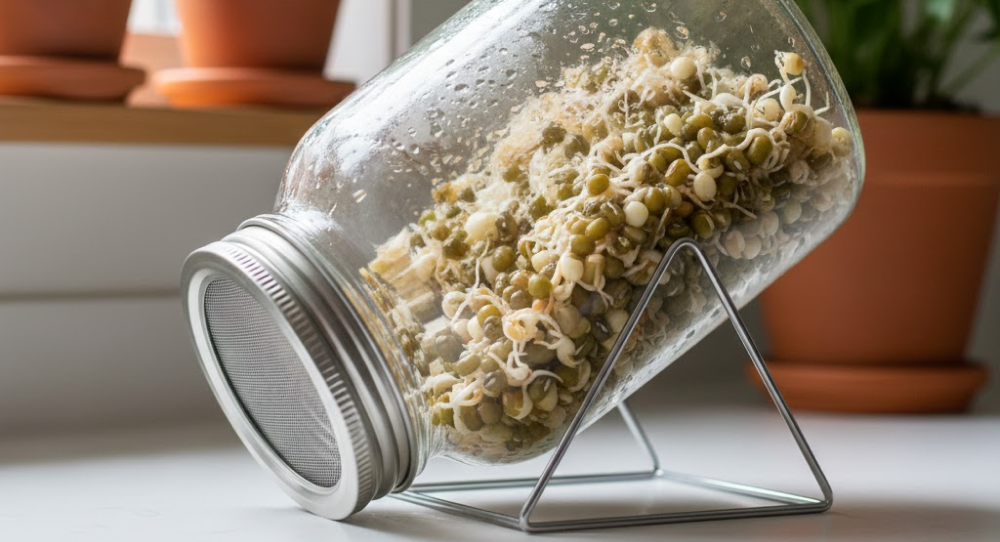
Growing sprouted seeds at home is simple, cost-effective, and allows complete control over cleanliness and freshness. The basic sprouting process consists of rinsing seeds thoroughly, soaking them for the recommended duration, draining excess water, and repeatedly rinsing them during the next one to three days until sprouts appear. A glass jar with a breathable lid (such as mesh or cheesecloth) is often all that’s needed, though sprouting trays can also be used. Maintaining proper moisture is essential: seeds should remain slightly damp without sitting in standing water, since excess moisture can encourage mold growth.
Different seed types have slightly different sprouting times, with legumes usually requiring 2–4 days and seeds like sunflower needing only 1–3 days. Proper sanitation and consistent rinsing help ensure a clean, safe batch. Once sprouts reach the desired length, they should be stored in the refrigerator and consumed within several days. This simple method makes Sprouted Seeds for Everyday Nutrition accessible even to beginners. Key steps for safe home sprouting include:
- Rinse and soak seeds thoroughly in clean, fresh water.
- Rinse 2–3 times daily and drain completely to avoid water buildup.
- Refrigerate sprouts once ready and consume them promptly.
Food Safety, Storage, and Shelf Life Considerations
Ensuring proper food safety when working with sprouted seeds is essential, because sprouts contain both moisture and active enzymes that can support bacterial growth if handled incorrectly. The entire process — from rinsing to soaking to draining — should be done with clean hands, sanitized containers, and fresh water. High-quality seeds labeled for sprouting typically undergo better testing and reduce contamination risks, which is especially helpful for people using Sprouted Seeds for
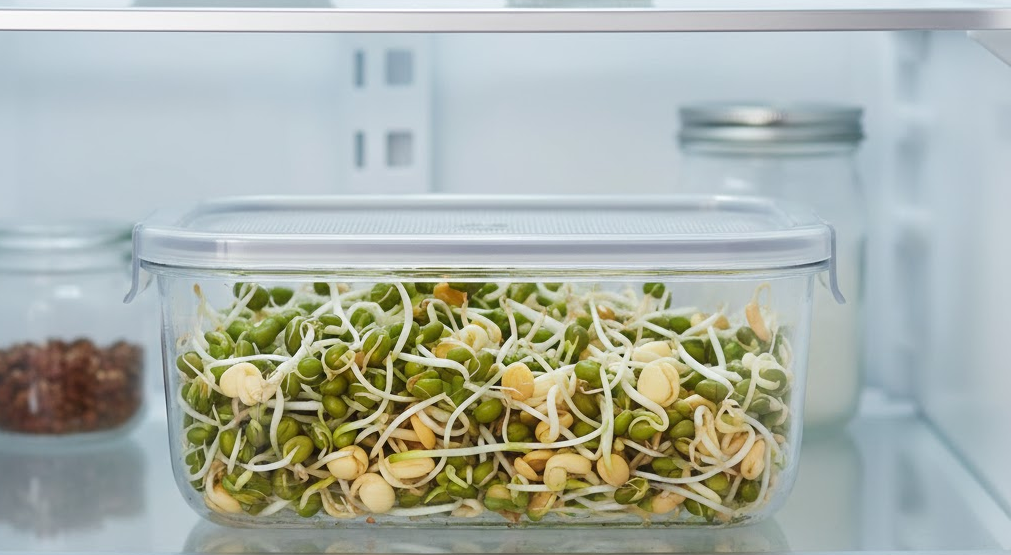
Everyday Nutrition on a daily basis. Once sprouting begins, seeds must be rinsed two to three times per day to remove excess moisture and prevent stagnation. After they reach the desired length, the sprouts should be transferred into the refrigerator and kept in a breathable container that avoids condensation buildup. Fresh sprouts should have a neutral smell, crisp texture, and uniform color with no signs of slime or stickiness.
Storage practices play a major role in maintaining freshness and extending the shelf life of sprouted seeds, especially for those who include them regularly in their everyday nutrition routine. Most sprouts remain fresh for three to five days when refrigerated at stable temperatures, although some varieties — like mung bean or lentil sprouts — may last slightly longer if kept dry and well-ventilated. Before using stored sprouts, it is important to visually inspect them, ensuring there is no unusual odor, discoloration, or excess moisture.
If a batch shows even slight spoilage, it should be discarded. For individuals with sensitive digestion, lightly steaming sprouts is an option to improve safety while preserving part of their nutritional value. Ready-made store-bought sprouts must also be handled carefully, choosing only reputable brands with clear packaging, a dry interior, and visible freshness. These habits help maintain safety, flavor quality, and the overall nutritional benefits of sprouted foods.
Final Thoughts on “Sprouted Seeds for Everyday Nutrition”
Incorporating Sprouted Seeds for Everyday Nutrition into a daily routine offers a remarkably simple yet effective way to elevate overall well-being. Their unique combination of improved bioavailability, enhanced nutrient density, and naturally supportive compounds makes them a valuable addition to modern eating patterns. Because sprouted seeds digest more easily and contain fewer anti-nutrients than their dry counterparts, they suit individuals seeking gentler ways to support digestive health, energy balance, and micronutrient intake without major dietary changes. This makes sprouts useful for people with active lifestyles, plant-based diets, or anyone looking to introduce fresh, functional foods into everyday meals. Their versatility ensures that even small servings can create a meaningful nutritional upgrade.
Another strength of sprouted seeds is accessibility. Whether purchased ready-to-eat or grown at home using simple tools, they require minimal effort to maintain and integrate into meals. Their mild flavor and crisp texture blend seamlessly with both simple dishes and more structured recipes, making them an adaptable element of daily nutrition. As awareness grows around whole-food eating and metabolic support, sprouts remain a practical, sustainable, and economical option for meeting these goals. They align naturally with long-term wellness habits by delivering concentrated vitamins, minerals, and plant compounds that the body can use efficiently.
Ultimately, the role of Sprouted Seeds for Everyday Nutrition is not to replace core dietary staples but to enhance them. By adding sprouts to salads, bowls, snacks, or smoothies, individuals create a steady foundation for nutritional balance. With consistent use, sprouted seeds become a small daily habit that delivers disproportionate benefits — a straightforward, enjoyable way to support vitality, resilience, and optimal everyday functioning.