
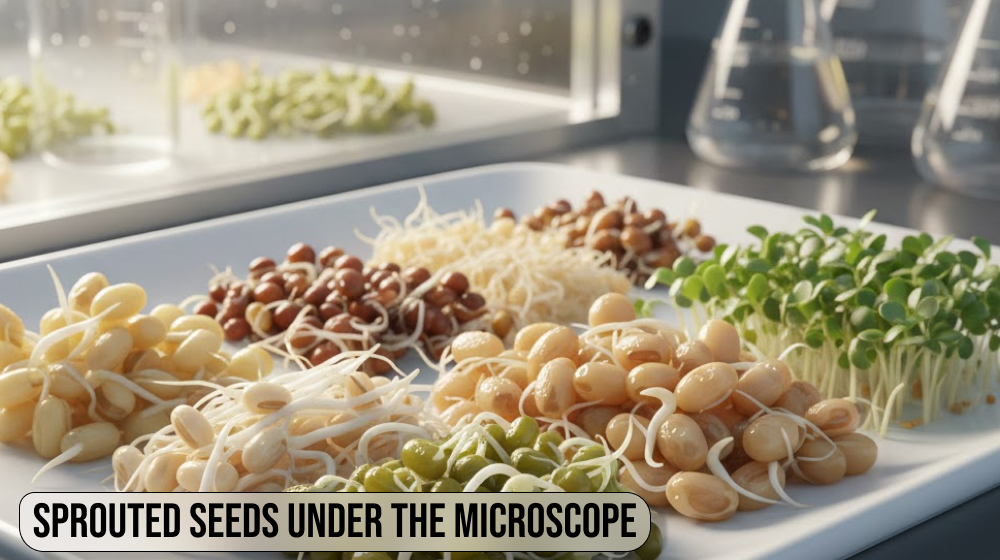
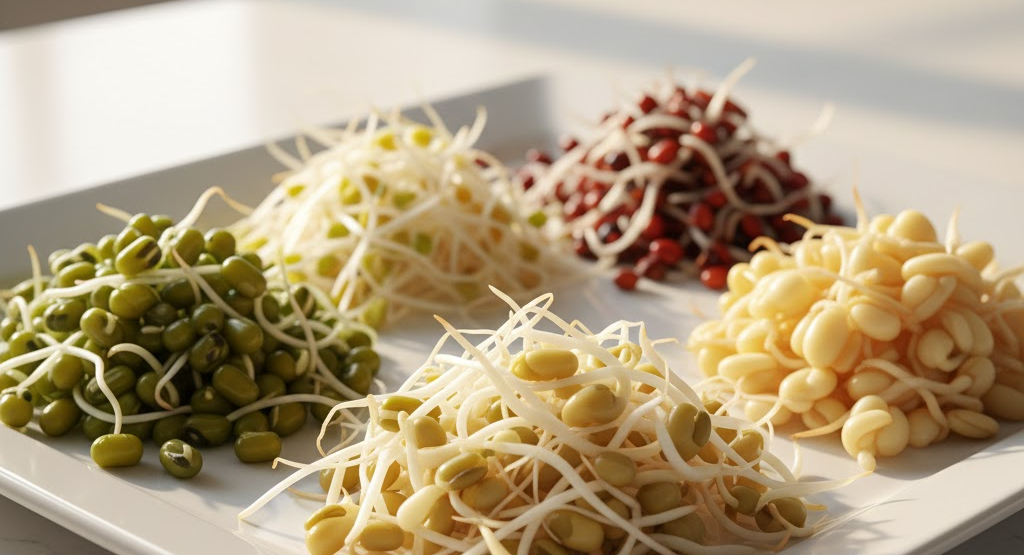
Sprouted seeds represent one of the most efficient natural tools for improving nutrient intake, metabolic clarity, and digestive comfort. When seeds begin germinating, they shift from dormant storage units into living biochemical reactors. This transformation increases nutrient bioavailability, boosts enzymatic activity, and lowers antinutrient compounds. Under the microscope, these early stages of germination reveal dramatic shifts: cell structures soften, enzymatic pockets activate, and dormant metabolic pathways become fully engaged. For biohackers, this microscopic perspective clarifies why sprouting is not just a culinary trend but a meaningful functional upgrade to everyday nutrition.
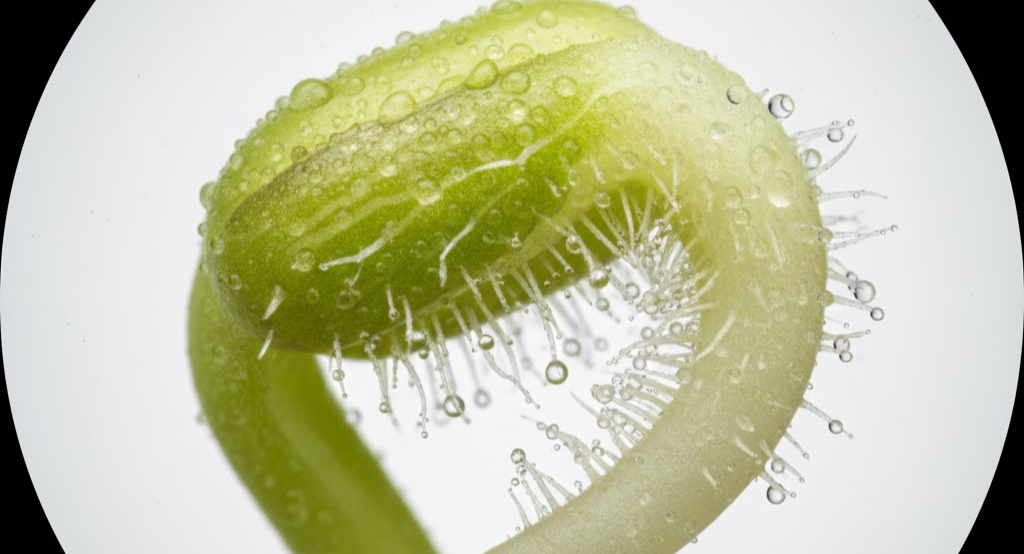
Studying sprouted seeds under the microscope shows how vitamins, enzymes, and antioxidants intensify as germination progresses. Mitochondria become more active, vacuoles reorganize to support growth, and cell walls become thinner, allowing nutrients to become easier for the human body to absorb. Understanding these microscopic details helps evaluate the best sprouting stage, identify high-quality batches, and determine whether a seed has reached peak nutritional potential. It also clarifies why sprouting is repeatedly highlighted in biohacking communities as a low-effort, high-impact intervention.
- Activation of key enzymes: amylase, protease, lipase.
- Reduction of phytates and enzyme inhibitors.
- Increase in vitamins, minerals, and nutrient accessibility.
Microscopic Changes During the Germination Process
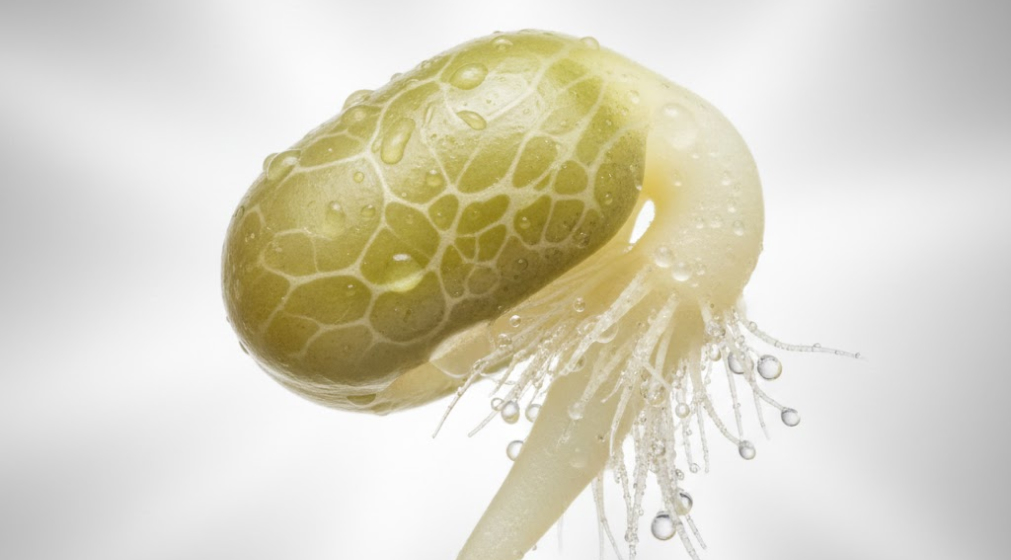
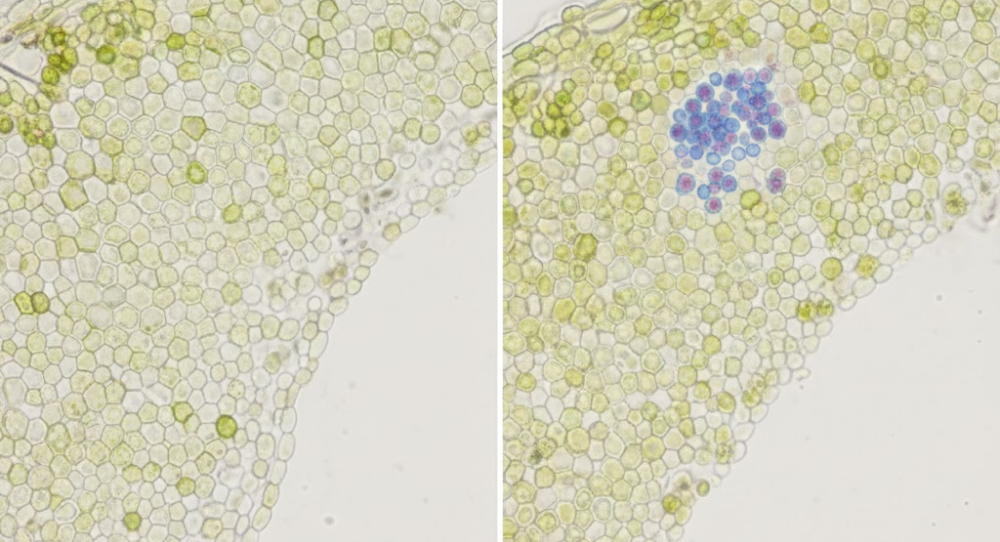
The germination process begins with water absorption, which awakens previously inactive biochemical systems inside the seed. Under microscopic analysis, the most noticeable changes appear in the endosperm and embryo: protoplasm thickens, starch granules begin dissolving, and embryonic cells initiate rapid division. These shifts are not visible to the naked eye but dramatically influence how the human body digests and absorbs nutrients. As amylase breaks down dense starch reserves, the granules become porous, refractive, and structurally fragmented — a clear indicator that the seed is transitioning into a metabolically active state.
Alongside structural transformations, notable chemical reactions take place. Free amino acids rise sharply, reducing sugars increase, and the surrounding environment becomes more acidic due to organic acid release. Through microscopic evaluation, one can determine the exact stage at which sprouted seeds reach their nutritional peak — typically when embryonic cells show strong metabolic activity and starch reserves are visibly degraded. Identifying this stage helps biohackers maximize nutrient intake while minimizing microbial risks associated with over-sprouting.
Nutritional Value: Why Sprouted Seeds Become More Powerful
Germination transforms ordinary seeds into nutrient-dense functional foods. Levels of vitamins B and C, antioxidants, and active enzymes increase significantly as the seed prepares for rapid growth. Protein structures partially break down into smaller, more digestible peptides, which improves absorption and supports muscle maintenance, cognitive clarity, and metabolic efficiency. This makes sprouted seeds particularly valuable for individuals who practice biohacking and seek foods that provide long-lasting, stable energy without digestive strain.
Mineral availability also improves because germination decreases phytates, compounds that normally bind minerals and reduce absorption. As a result, sprouted seeds provide more bioavailable iron, zinc, calcium, and magnesium. On the metabolic level, their carbohydrate profile shifts toward gentler energy release, supporting stable glucose levels throughout the day. Choosing seeds at the optimal germination point — when microscopic signs show reduced antinutrients and heightened enzymatic activity — ensures the strongest nutritional return.
- Boost in vitamins, antioxidants, and enzymes.
- Enhanced protein and mineral absorption.
- Lower phytate content and better micronutrient utilization.
Microbiological Safety Under the Microscope
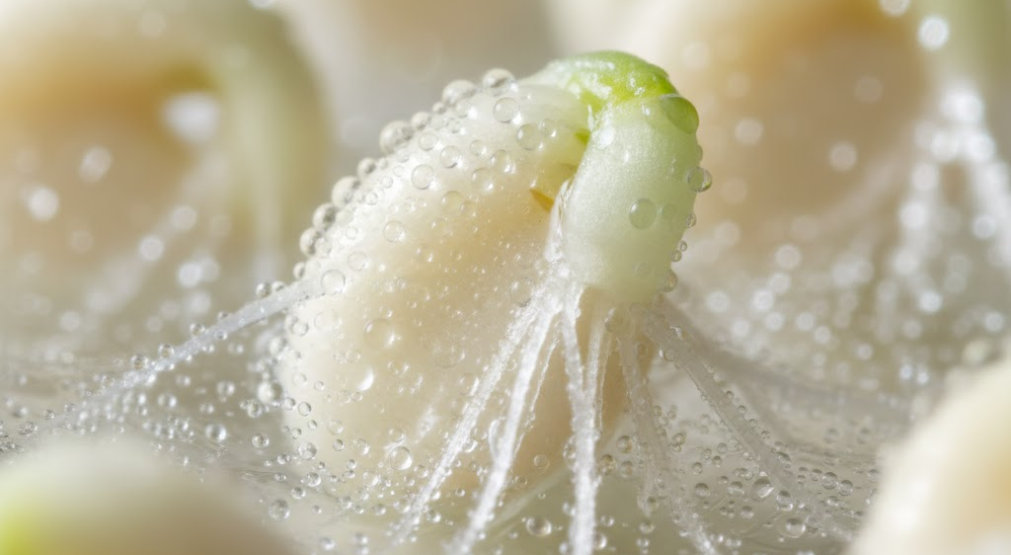
Ensuring microbiological safety is a central requirement in evaluating the overall quality of sprouted seeds, as the warm and moist conditions needed for germination also create an ideal environment for microbial growth. Through microscopic analysis, specialists assess whether sprouts display any early signs of bacterial or fungal activity that could compromise their safety or nutritional value. Healthy, uncontaminated sprouts show smooth and uninterrupted epidermal layers, with no clusters of irregularly shaped particles or filamentous structures that typically indicate microbial presence.
Any deviation from this uniformity can signal the early formation of biofilms or colonies that remain invisible to the naked eye but become clearly identifiable under magnification. This microscopic screening allows experts to determine not only the presence of microbes but also the extent to which they may have interacted with the sprout’s tissues.
Advanced microscopic analysis also helps identify how potential microbial contamination impacts the biochemical pathways inside sprouted seeds, revealing patterns of tissue degradation or enzymatic disruption. Pathogenic microorganisms can trigger oxidative stress, leading to the breakdown of cell membranes, changes in tissue density, and localized discoloration visible under the microscope. High-grade sprouts consistently display clean, well-defined cellular structures, free from abnormal granules or fungal hyphae—indicators that metabolic processes are proceeding without interference. Identifying these microscopic markers allows producers and researchers to establish strict safety standards and ensure that the sprouted seeds maintain both biological stability and nutritional integrity throughout the entire germination cycle.
Microscopic Quality Indicators of High-Grade Sprouted Seeds
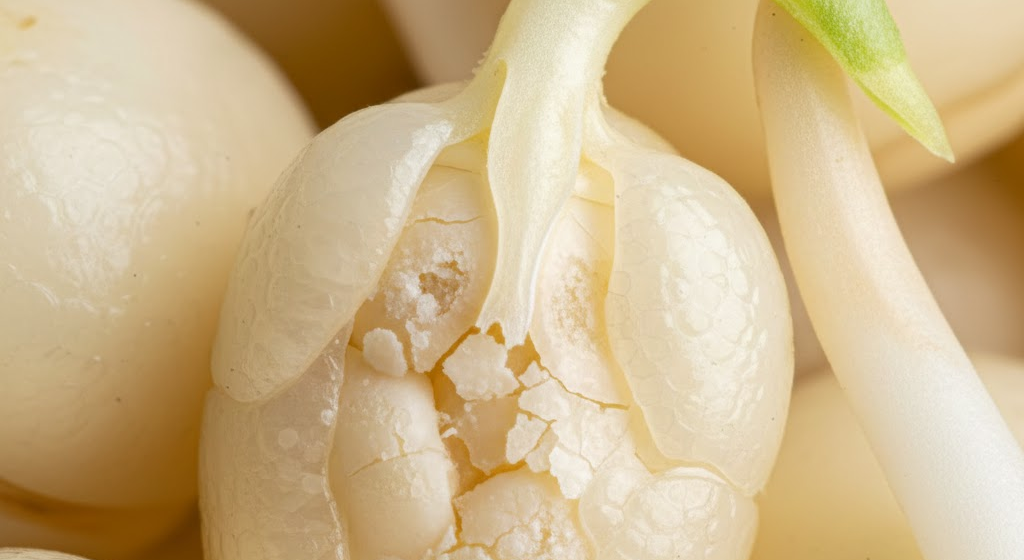
Evaluating microscopic quality indicators is a crucial step in determining whether sprouted seeds meet the standards of high nutritional and biological value. When examined under controlled microscopic analysis, high-grade sprouts consistently display uniform cellular organization, showing clearly defined cell walls and evenly distributed vacuoles that indicate balanced hydration. Such internal structure reflects the seed’s ability to absorb water, activate enzymatic systems, and initiate early metabolic reactions without stress. Another indicator is the absence of micro-fractures or irregularities in the epidermal layers, which suggests that germination occurred under stable environmental conditions. Seeds that develop under optimal hydration, oxygen levels, and temperature produce smoother, more regular tissues that make the entire germination process more efficient and bioactive.
The most advanced microscopic analysis also focuses on evaluating nutrient distribution inside high-grade sprouted seeds, highlighting changes that occur during early growth. During germination, complex storage compounds—starches, proteins, and lipids—break down into simpler, more bioavailable forms. Under the microscope, this transition becomes visible through the reduction of densely packed starch granules and the appearance of more translucent, evenly spaced cellular regions.
High-quality sprouts display a strong correlation between structural clarity and enhanced nutrient density, meaning that the more organized and transparent their tissues appear, the more effectively their biochemical pathways are functioning. This microscopic consistency helps experts verify the sprout’s nutritional potential and confirm that the germination process promoted the development of health-supporting compounds rather than inhibiting them.
- Healthy organelles and well-defined cell structure.
- Absence of microbial films or necrotic areas.
- Uniform nutrient breakdown patterns.
Optimal Germination Techniques and Environmental Conditions
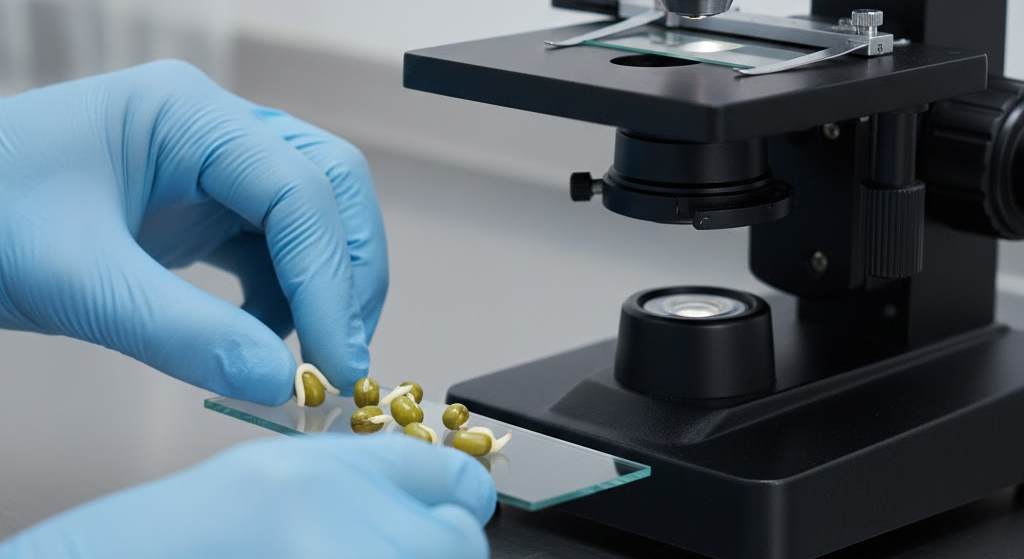
Mastering optimal germination techniques is essential for producing stable, nutrient-rich sprouted seeds, especially when the goal is precise microscopic analysis. The process begins with choosing intact, untreated seeds that have not been overdried or damaged, ensuring they can activate their internal biochemical pathways. After soaking, the seeds are spread evenly in a warm, moist environment with sufficient oxygen to support early metabolic activity. The more stable these environmental conditions remain, the more consistently the enzymatic systems responsible for germination begin to work. At this stage, it is crucial to avoid sudden temperature fluctuations, as they disrupt cell division rates and may alter the microstructures later observed under the microscope, affecting both scientific accuracy and nutritional assessment.
Environmental control continues to play a decisive role throughout the development of sprouted seeds, shaping their nutritional potential and structural clarity. Constant humidity prevents the seed coat from drying out, while adequate air circulation reduces the risk of mold growth that could interfere with nutrient transformation inside the embryo. Light exposure guides the early phases of photomorphogenesis, influencing the organization of tissues that become especially important during microscopic analysis.
When optimal germination parameters are followed, researchers can more clearly observe differences among seed varieties, track the dynamics of cellular expansion, and evaluate how effectively nutrients are being converted into bioavailable forms. These conditions allow sprouted seeds to be assessed not only for their health benefits but also for their biological integrity and developmental precision.
Final Thoughts “Sprouted Seeds Under the Microscope”
A deeper look at sprouted seeds through microscopic analysis helps reveal how their internal structure, freshness, and biological activity contribute to real nutritional value. When every cellular layer is examined with attention to hydration balance, tissue clarity, and metabolic activity, it becomes easier to understand why properly germinated seeds outperform dry seeds in digestibility and nutrient density.
This step-by-step, science-based approach provides a clearer picture of how environmental conditions shape the early phases of growth and how these micro-level transformations turn dormant seeds into highly active, bioavailable sources of energy. By evaluating the uniformity of tissues, the integrity of membranes, and the distribution of nutrients at the microscopic level, experts can verify whether germination was conducted under optimal conditions and whether the resulting sprouts can be classified as high-grade.
From a broader perspective, sprouted seeds represent a synergy between natural biological processes and modern scientific understanding. Microscopic observations allow researchers to link visible cellular patterns with actual health benefits, confirming the importance of proper hydration, controlled lighting, and clean environments. When sprouts show clear cell walls, stable internal structures, and no signs of microbial interference, they offer higher nutritional potential and greater overall safety. This makes microscopic evaluation not just a research step but a practical tool for improving seed quality, selecting superior varieties, and refining germination methods. As interest in functional nutrition grows, such detailed analysis becomes essential for anyone aiming to understand and optimize the full value of sprouted seeds.