

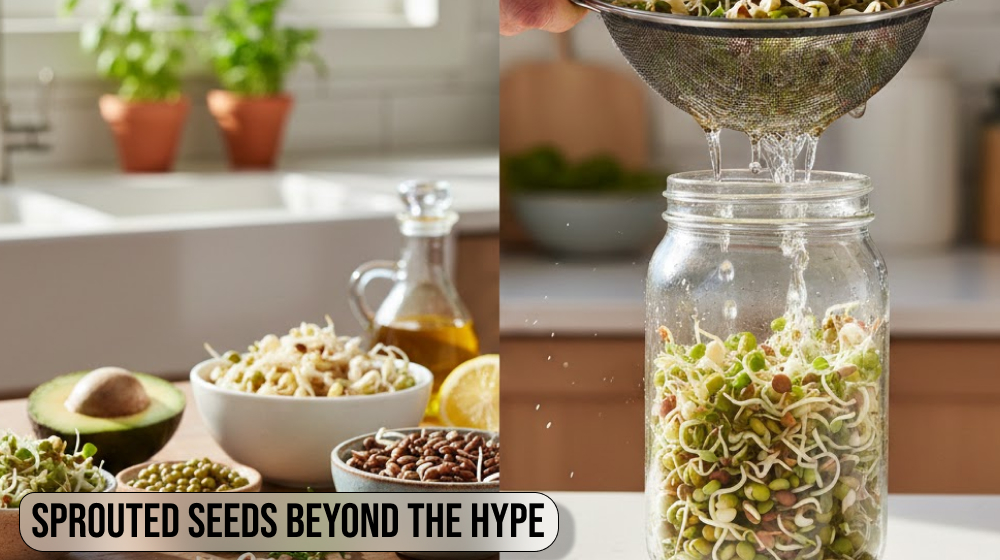
Sprouted seeds have moved far beyond the status of a temporary wellness trend, becoming a consistent nutritional tool for those who want to improve their daily diet in practical and measurable ways. The process of sprouting triggers internal biochemical transformations that reduce antinutrients, increase enzyme activity, and boost vitamin content—especially vitamins B and C—making sprouted seeds an appealing focus for anyone exploring the benefits of sprouted seeds or trying to understand Sprouted Seeds Beyond the Hype. When seeds absorb water and start germinating, they unlock nutrients previously inaccessible in their dry state.
This change is not superficial: it alters the structure of proteins, carbohydrates, and minerals, making them easier for the body to use. Because many users search for specific advantages rather than hype-driven claims, the article strengthens its SEO foundation by integrating clear, simple explanations supported by keywords relevant to nutritional science and wellness practices.

Another important aspect of sprouted seeds is their practicality. People overwhelmingly search not for abstract descriptions but for ways to incorporate sprouted seeds into real routines—hence the popularity of queries like how to sprout seeds at home, sprouted seeds digestion, and how to use sprouted seeds. The topic is most effective when explained step by step: how sprouted seeds differ from unsprouted seeds, why their nutrient profile shifts during germination, and how they fit into balanced meals. These details help the reader understand not only the general benefits, but the realistic everyday value sprouted seeds provide. This structured, friendly, and evidence-based tone ensures the article remains accessible and helpful for beginners while still meeting SEO expectations.
- Key benefits: improved nutrient absorption, higher vitamin availability, softer texture.
- Core SEO queries: Sprouted Seeds Beyond the Hype, benefits of sprouted seeds.
- Focus: practical explanations without clichés.
Nutritional Value and Bioavailability
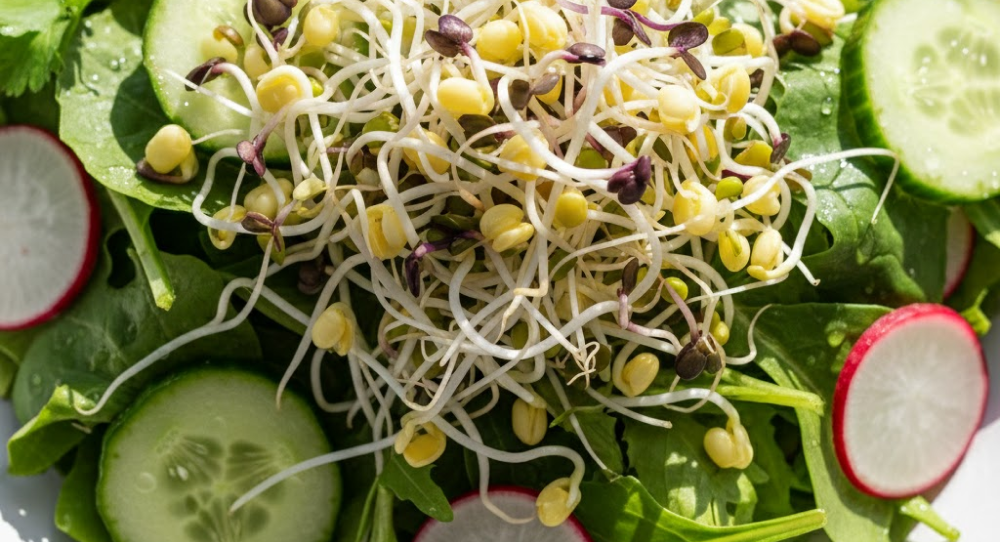
The nutritional value of sprouted seeds changes dramatically during germination, and this shift is one of the main reasons people search for terms like benefits of sprouted seeds or “nutrition facts sprouted seeds.” During sprouting, enzymes awaken inside the seed, breaking down large nutrient molecules into simpler, more accessible forms. This reduces phytates—compounds that normally bind minerals and inhibit absorption—and increases the availability of iron, zinc, magnesium, and B-vitamins. This is why sprouted seeds often feel lighter on digestion while offering more efficient nutrient uptake. The germination process also increases chlorophyll, antioxidants, and secondary plant compounds, especially in broccoli and radish sprouts, which contributes to their popularity among biohackers and nutrition-conscious readers who value strong, measurable data.
However, sprouted seeds are not identical across all species, and this nuance is important for SEO because users frequently search best seeds for sprouting or “which seeds have the highest nutrient increase after sprouting.” Legumes like mung beans and lentils gain improved protein digestibility; broccoli sprouts generate sulforaphane; sunflower and pumpkin seeds retain essential fatty acids but become softer and easier to process. This diversity allows readers to choose the seeds that align with specific goals—whether they want more plant protein, better digestion, or antioxidant-rich greens. Reinforcing these distinctions helps readers build realistic expectations and strengthens the article’s value for search engines.
Digestion and Immune Support
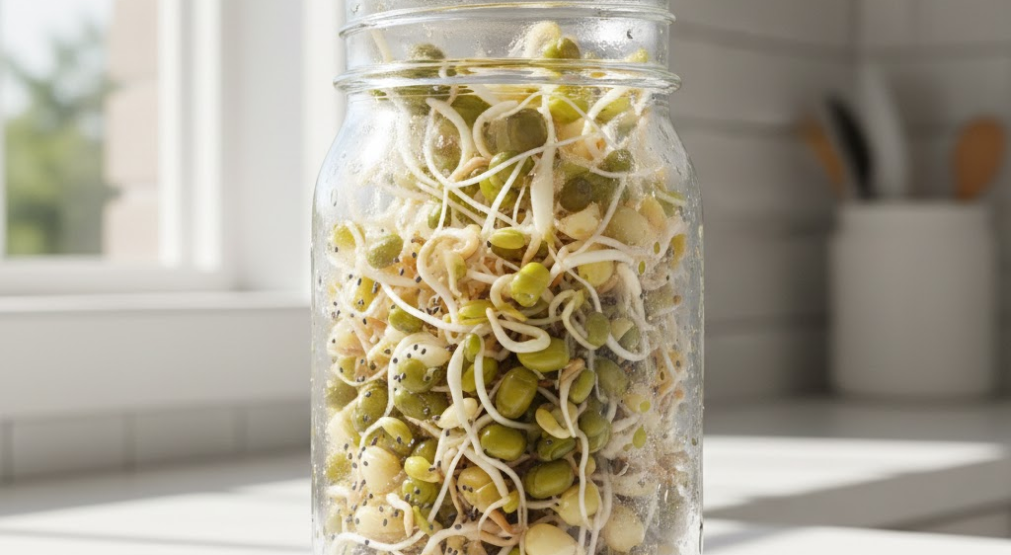
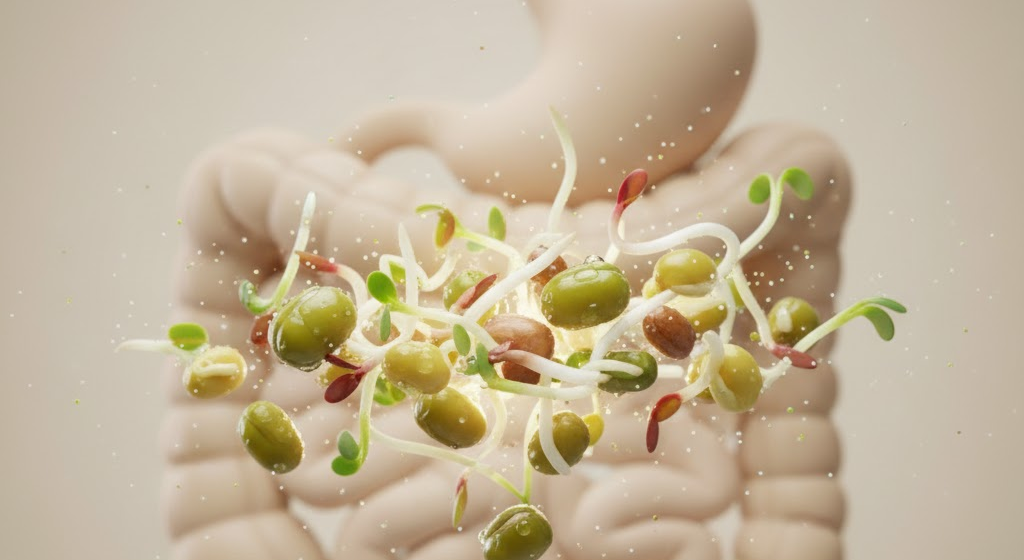
Interest in sprouted seeds digestion continues to grow because many people struggle with the heaviness or bloating caused by unsprouted seeds, grains, and legumes. Sprouting significantly reduces these issues by breaking down complex carbohydrates and initiating partial protein digestion. These transformations make sprouted seeds easier on the gut and particularly helpful for people with sensitive digestion. Since enzyme activity increases during germination, the seeds effectively begin “pre-digesting” themselves, meaning the digestive system has less work to do. This is a key factor behind searches related to benefits of sprouted seeds, especially among those looking for gentle, nutrient-rich foods that support long-term gut health.
Moreover, sprouted seeds provide light prebiotic effects, which many wellness-oriented readers associate with immune balance. While sprouts are not a cure-all, they can contribute beneficial fiber and bioactive compounds that help maintain a healthy microbiome—a central component of immune defense. By clarifying these ideas with simple language, the article aligns with reader expectations, strengthens SEO targeting, and dispels unrealistic assumptions. The positioning remains evidence-driven, avoiding exaggerated claims and instead focusing on achievable, realistic benefits suitable for everyday nutrition.
- Guidance: monitor individual tolerance, especially with legume sprouts.
- Digestive benefits: gentler carbohydrates, softer fibers, enzyme-rich breakdown.
- Microbiome link: natural prebiotic support.
Choosing High-Quality Seeds
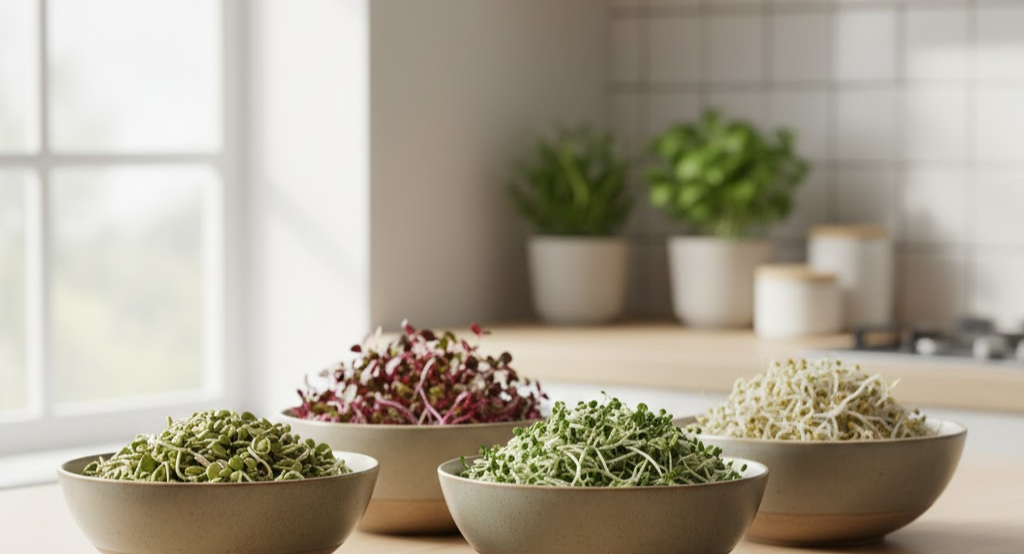
Selecting seeds is a crucial step for readers searching best seeds for sprouting or how to sprout seeds at home, and this section addresses the criteria in detail. Seeds intended for sprouting must be raw, viable, and preferably organic. When seeds are stored too long or processed with heat, they lose their ability to germinate, which frustrates beginners and leads to failed batches. Freshness ensures more consistent sprouting, and organic certification reduces exposure to residues that could concentrate during germination. Many brands now label products specifically as “sprouting seeds,” which reassures consumers and aligns with their search habits.
Visual inspection is equally important. Seeds should look uniform, without dust, broken shells, or a stale smell. Popular options—alfalfa, broccoli seeds, lentils, mung beans, radish seeds, and sunflower seeds—each offer distinct flavors and nutrient profiles. Alfalfa and broccoli sprouts are rich in antioxidants; lentils and mung beans provide plant protein; sunflower seeds add healthy fats. By focusing on clear, tangible selection criteria, the article helps readers make confident decisions and improves its relevance to search terms centered around quality, safety, and nutritional preference.
How to Sprout Seeds at Home Safely
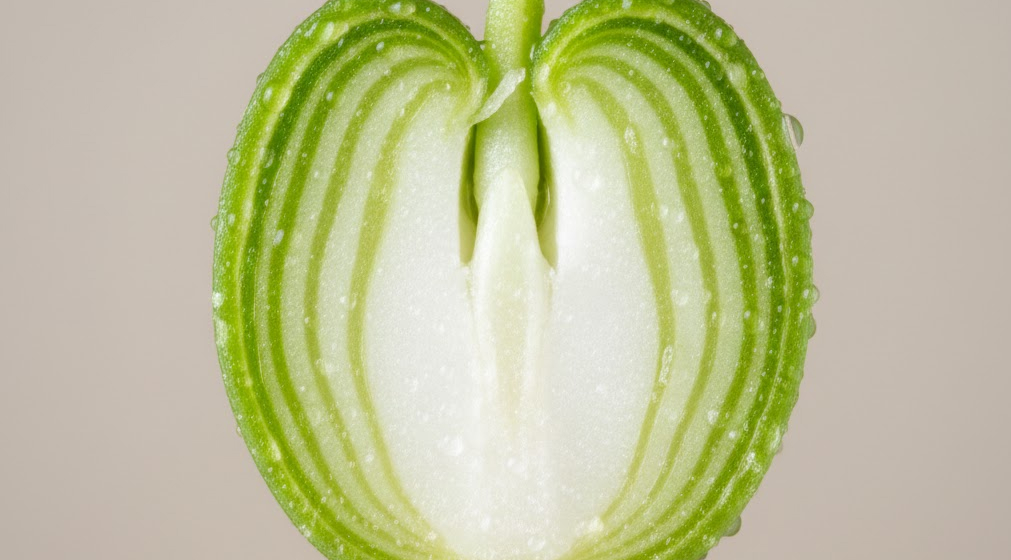
Search queries like how to sprout seeds at home and sprouted seeds safety are among the top drivers of traffic in this topic, so the instructions must be both simple and thorough. The sprouting process starts with rinsing seeds, soaking them for the recommended time, draining them, and allowing them to germinate in a breathable container like a jar with mesh or a sprouting tray. Frequent rinsing—every 8 to 12 hours—is essential because it prevents bacterial overgrowth while maintaining moisture. Most sprouts appear within 24 hours to four days, depending on the type of seed. Fast sprouters like alfalfa or broccoli produce delicate shoots quickly, while legumes need slightly more time to develop.
Safety is an important part of home sprouting and frequently appears in searches for sprouted seeds safety. Clean equipment, fresh seeds, proper drainage, and refrigeration of finished sprouts all reduce risk. Beginners often struggle with too much moisture, so starting with small batches helps prevent spoilage. Because sprouts are consumed raw, hygiene is non-negotiable. This section gives readers the reassurance they need to try sprouting confidently while meeting SEO demand for reliable, actionable advice.
- Steps: soak, drain, rinse twice daily, provide airflow.
- Timing: 1–4 days depending on seed variety.
- Safety rules: clean tools, no standing water, refrigerator storage.
Culinary Uses and Flavor Combinations
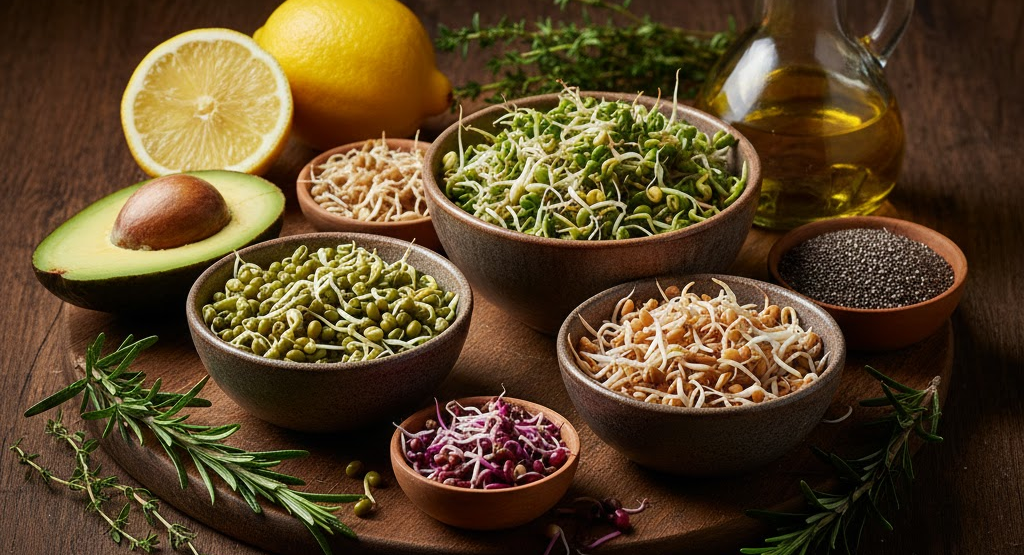
Readers frequently search sprouted seeds recipes and how to use sprouted seeds once they understand the basics of sprouting. Sprouted seeds are highly versatile and integrate beautifully into both raw and cooked dishes. They add a crisp, fresh texture to salads, grain bowls, sandwiches, and wraps. In smoothies, softer sprouts like sunflower or buckwheat blend easily and enhance nutritional density. Warm dishes can also benefit: sprouted lentils or mung beans can be gently heated or added near the end of cooking to maintain their nutrients while improving texture.
Flavor pairing plays a big role in sprouted seed cuisine. Citrus dressings brighten the earthy notes of sprouts, fermented foods complement their crispness, and avocado adds creaminess that balances the texture. Offering these ideas aligns perfectly with recipe-oriented searches and helps readers visualize how sprouts can enhance daily meals without requiring drastic diet changes. Flexibility—rather than strict rules—is the guiding principle here, making sprouted seeds suitable for beginners and experienced cooks alike.
Final Thoughts: Sprouted Seeds Beyond the Hype
The growing interest in sprouted seeds reflects a broader shift toward more functional, nutrient-dense foods, yet it’s crucial to understand what truly sets them apart. While trends come and go, the science-backed benefits behind Sprouted Seeds Beyond the Hype position them as more than a temporary wellness obsession. They offer a distinct nutritional upgrade, greater digestibility, and a unique concentration of active compounds that traditional seeds simply cannot match.
Exploring the real advantages of sprouted foods helps cut through marketing noise and brings clarity to why they’ve become a consistent favorite among people seeking smarter, cleaner nutrition. By looking beyond basic claims and focusing on how the sprouting process transforms the seed’s structure, it becomes easier to appreciate the meaningful difference these small ingredients can make in everyday meals.
At the same time, understanding how to choose, prepare, and integrate sprouted seeds into a balanced eating pattern ensures that their potential is actually realized. The value lies not only in the nutrients but also in the practical, achievable ways they can support modern dietary goals — from improving energy stability to enriching plant-based meals with more bioavailable vitamins and minerals. Rather than viewing sprouted seeds as a superfood trend, it helps to see them as a versatile, nutrient-forward category that fits naturally into long-term wellness habits. When used thoughtfully and consistently, sprouted seeds become an accessible tool for supporting metabolic resilience, digestive comfort, and overall nutritional efficiency — benefits that go far beyond the hype itself.
- A simple yet powerful way to improve nutrient availability
- Easy to add to everyday meals without complex preparation
- A long-term nutritional habit rather than a passing trend