

How Sprouting Improves Digestion and Energy. Sprouting is a controlled biological process in which grains, seeds, legumes, and nuts are soaked and allowed to germinate. At this stage, the seed transitions from dormancy to active growth. This shift radically changes its internal chemistry and makes nutrients far more compatible with the human digestive system. From a biohacking perspective, sprouting is not a trend but an evolutionary-aligned way to enhance food efficiency.
During germination, stored nutrients are unlocked to support plant growth. For humans, this means food that is already partially transformed into a more digestible form. Sprouted foods reduce digestive stress, improve nutrient availability, and help the body extract energy with less metabolic effort. This is especially relevant for people experiencing bloating, fatigue after meals, or inconsistent energy levels.
Core digestive advantages of sprouted foods include:
- Improved digestion due to enzymatic pre-breakdown
- Reduced gut irritation from hard-to-digest compounds
- Higher nutrient absorption with less digestive strain
By addressing digestion at its root, sprouting creates a foundation for better energy regulation, gut comfort, and metabolic efficiency. This is why how sprouting improves digestion is a central topic in functional nutrition and biohacking strategies.

Enzyme Activation: Why Sprouted Foods Are Easier to Digest
One of the most powerful benefits of sprouting is the activation of digestive enzymes. In dry, unsprouted seeds, enzymes are inactive. Once sprouting begins, enzymes such as amylase, protease, and lipase become active and start breaking down carbohydrates, proteins, and fats into simpler molecules.
This natural enzymatic activity significantly reduces the workload of the stomach, pancreas, and intestines. When food arrives already partially digested, the body does not need to overproduce digestive acids and enzymes. This often leads to less bloating, reduced heaviness, and smoother digestion, especially after carbohydrate- or protein-rich meals.
Key enzyme-related benefits of sprouted foods include:
- Faster carbohydrate digestion into usable glucose
- Improved protein breakdown into amino acids
- Lower digestive energy demand
Because digestion itself consumes energy, improving efficiency directly affects vitality. When the digestive system works smarter, more energy becomes available for mental focus, physical performance, and cellular repair. This explains the strong link between sprouting and increased energy levels.
Anti-Nutrients Reduction and Mineral Bioavailability
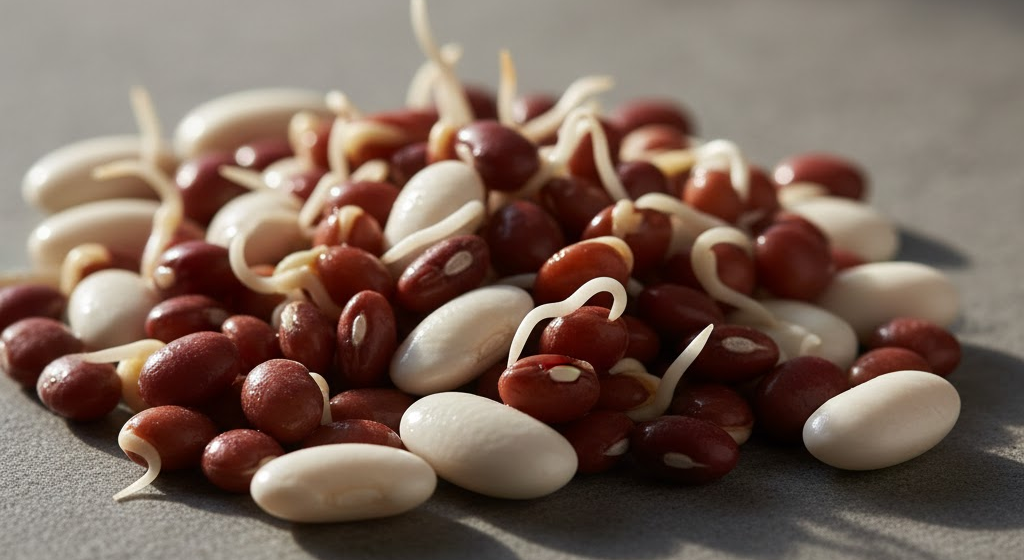
Whole grains and legumes naturally contain anti-nutrients such as phytic acid, lectins, and tannins. These compounds protect plants but interfere with human digestion by blocking mineral absorption and irritating the gut lining. Sprouting dramatically reduces these substances.
During germination, the enzyme phytase breaks down phytic acid, releasing bound minerals like iron, magnesium, zinc, and calcium. As a result, the same food delivers significantly more usable micronutrients without increasing portion size.
Mineral-related benefits of sprouting include:
- Improved iron absorption for oxygen transport
- Better magnesium uptake for energy metabolism
- Enhanced zinc availability for immune and hormonal health
Minerals are essential for ATP production, nerve signaling, and muscle function. When mineral absorption improves, fatigue decreases and metabolic processes become more efficient. This is a key mechanism behind how sprouting improves digestion and energy simultaneously.
Protein Digestibility and Amino Acid Optimization
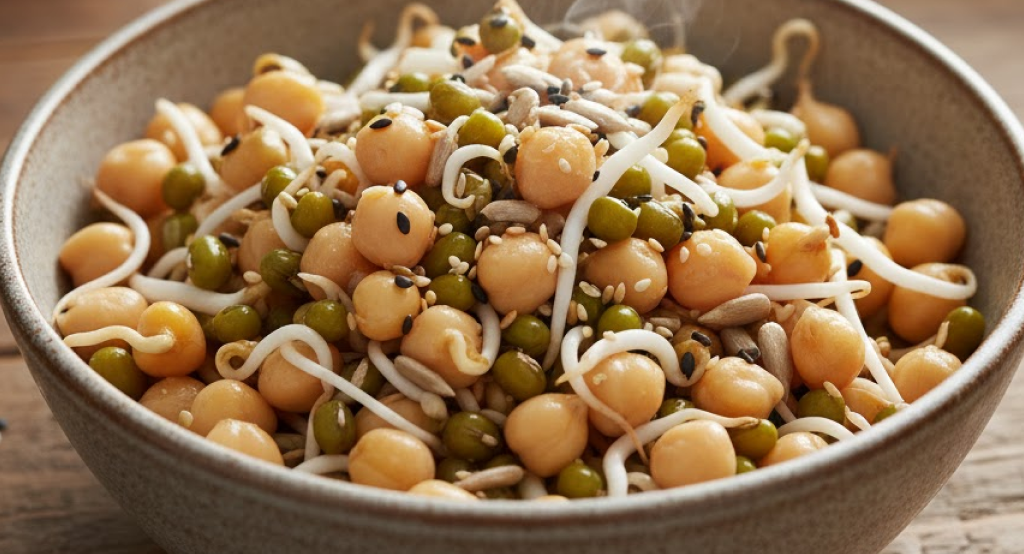
Plant-based proteins are often considered harder to digest due to their compact structure and presence of enzyme inhibitors. Sprouting changes this by initiating proteolysis, a process that breaks proteins into smaller peptides and free amino acids before consumption.
This not only improves digestibility but also enhances the amino acid profile. Levels of essential amino acids such as lysine often increase, making sprouted grains and legumes nutritionally superior to their unsprouted forms. This is particularly relevant for individuals focused on recovery, muscle maintenance, and cognitive health.
Protein-related advantages of sprouted foods include:
- Higher amino acid bioavailability
- Reduced digestive discomfort from protein intake
- Improved tissue repair and enzyme synthesis
Amino acids are not only structural components; they are also critical for neurotransmitters and metabolic enzymes. By improving protein utilization, sprouting supports both physical energy and mental clarity.

Blood Sugar Stability and Long-Lasting Energy
One of the most underestimated benefits of sprouted foods is their ability to support blood sugar stability, which plays a central role in sustained physical and mental energy. During sprouting, complex carbohydrates are partially broken down into simpler forms, while natural fiber remains intact. This unique combination allows glucose to enter the bloodstream more gradually, avoiding sharp spikes and sudden drops in energy.
Unlike refined grains, sprouted grains and legumes provide fuel that aligns with the body’s metabolic rhythm. The slower release of glucose reduces insulin overload and helps maintain consistent energy levels throughout the day. This is especially important for people experiencing post-meal fatigue, brain fog, or cravings for sugar and caffeine.
Blood sugar and energy benefits of sprouting include:
- More balanced glucose response after meals
- Reduced energy crashes and mood swings
- Improved metabolic efficiency and insulin sensitivity
By stabilizing blood sugar, sprouted foods help the body shift from reactive energy patterns to steady, predictable energy output. This is a key reason how sprouting improves digestion and energy is closely linked to metabolic health and long-term vitality.
Gut Health, Microbiome Balance, and Digestive Efficiency
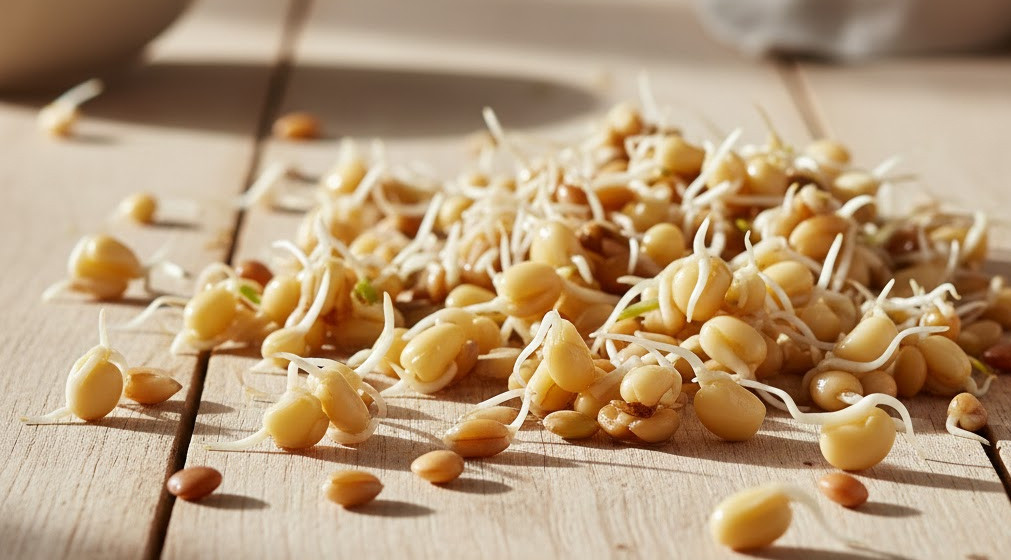
The relationship between digestion and energy begins in the gut. A large portion of daily energy is either supported or drained depending on how efficiently the digestive system functions. Sprouted foods promote gut health by reducing compounds that irritate the intestinal lining while preserving fibers that nourish beneficial gut bacteria.
During sprouting, fermentable elements that often cause bloating and discomfort are reduced. This makes sprouted grains and legumes easier to tolerate, even for individuals with sensitive digestion. At the same time, the remaining fibers support microbial diversity, which is essential for nutrient metabolism and immune balance.
Gut-related advantages of sprouted foods include:
- Improved microbiome diversity and stability
- Reduced bloating and digestive inflammation
- Enhanced nutrient extraction from food
A healthier gut improves energy by optimizing how nutrients are absorbed and converted into usable fuel. This is why digestive comfort and energy levels often improve together when sprouted foods become a regular part of the diet.

Short-Chain Fatty Acids and Metabolic Energy Production
One of the most important but often overlooked links between sprouting, digestion, and energy is the production of short-chain fatty acids (SCFAs) in the gut. When fibers from sprouted grains, legumes, and seeds reach the colon, they are fermented by beneficial gut bacteria. This process produces SCFAs such as butyrate, acetate, and propionate, which play a direct role in metabolic energy regulation.
Unlike simple calories, short-chain fatty acids act as both energy sources and metabolic signals. Butyrate, in particular, is the primary fuel for colon cells and supports the integrity of the gut lining. A strong intestinal barrier prevents inflammation and energy loss caused by immune overactivation. This allows the body to redirect resources toward energy production, repair, and performance rather than damage control.
Key metabolic roles of SCFAs from sprouted foods include:
- Direct energy supply for intestinal and metabolic cells
- Improved gut barrier integrity and reduced inflammation
- Enhanced nutrient absorption efficiency
As digestive efficiency improves, the body wastes less energy processing food and managing gut stress. This creates a measurable improvement in baseline energy levels, especially in people who previously experienced fatigue linked to poor digestion.
In addition to fueling gut cells, short-chain fatty acids influence whole-body metabolism. They interact with receptors involved in insulin sensitivity, fat oxidation, and appetite regulation. Acetate and propionate help regulate glucose production in the liver and support balanced blood sugar levels. This stabilizes energy availability between meals and reduces sudden drops in mental or physical performance.
Long-term benefits of SCFA production from sprouted foods include:
- Improved metabolic flexibility and fat utilization
- More stable blood sugar and energy output
- Lower systemic inflammation affecting energy levels
By increasing the production of SCFAs, sprouted foods create a bridge between gut health and sustainable metabolic energy. This mechanism explains why people often experience not just better digestion, but also deeper, more consistent energy when sprouted foods become a regular part of the diet.

Final Thoughts: Why Sprouting Matters for Digestion and Energy
Understanding how sprouting improves digestion and energy reveals that this process is far more than a simple food preparation technique. Sprouting transforms grains, legumes, and seeds into biologically active foods that work in harmony with human physiology. By activating enzymes, reducing anti-nutrients, and improving nutrient bioavailability, sprouted foods lower digestive stress and allow the body to extract energy more efficiently.
From blood sugar stability to short-chain fatty acid production, sprouting supports energy at multiple levels. It improves gut integrity, enhances mineral and vitamin absorption, and supports mitochondrial function. Instead of forcing energy through stimulants or refined carbohydrates, sprouted foods strengthen the systems responsible for producing energy naturally. This results in more consistent physical endurance, clearer mental focus, and fewer energy crashes throughout the day.
Another key advantage of sprouted foods is sustainability. They do not rely on artificial enhancement or extreme dietary restriction. Instead, they optimize existing foods by aligning them with the body’s digestive and metabolic capabilities. This makes sprouting especially valuable for long-term health, metabolic resilience, and performance-focused nutrition.
By improving digestion at its foundation, sprouting creates a ripple effect across the entire body. The result is energy that feels stable, calm, and reliable. For anyone seeking a practical, science-backed way to support both digestion and daily vitality, sprouted foods offer a simple yet powerful solution rooted in biology rather than trends.