
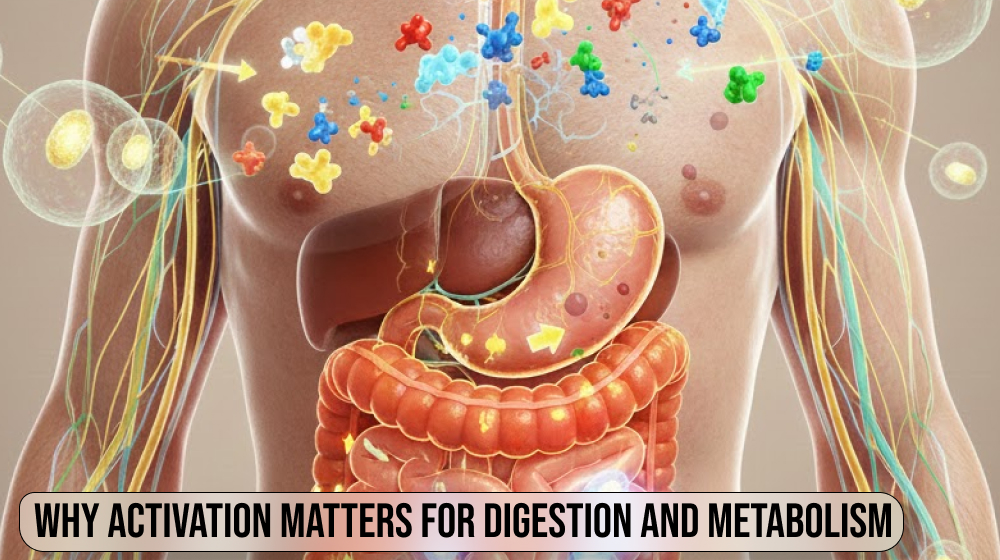
Why Activation Matters for Digestion and Metabolism. Activation is one of the most critical yet misunderstood mechanisms behind efficient digestion and metabolism. Many nutritional approaches focus exclusively on food quality, macronutrients, or calorie balance, while completely ignoring whether the body is physiologically prepared to process food at all. In reality, digestion is not an automatic process that begins the moment food is swallowed. It is a complex, energy-dependent sequence that requires precise signaling between the nervous system, digestive organs, and metabolic pathways. Without activation, even the most nutrient-dense foods can become a metabolic burden rather than a source of energy.
To fully grasp why activation matters for digestion and metabolism, digestion must be viewed as a biological cascade rather than a mechanical action. Activation triggers stomach acid production, enzyme secretion, bile release, intestinal motility, and metabolic hormone signaling. These processes must unfold in the correct order and intensity. If activation is delayed or incomplete, digestion becomes inefficient, nutrients are poorly absorbed, and metabolism shifts into a protective mode. Over time, this leads to fatigue, blood sugar instability, increased fat storage, and reduced metabolic flexibility, even in individuals who follow strict dietary protocols.
Core foundations of digestive and metabolic activation include:
- Early physiological signaling that prepares the digestive system
- Synchronization between digestion and metabolic regulation
- Efficient transition from food intake to cellular energy production
When activation is present, digestion supports metabolism instead of overwhelming it, creating a stable foundation for long-term energy balance.
Activation and the Nervous System: The Starting Point of Digestion
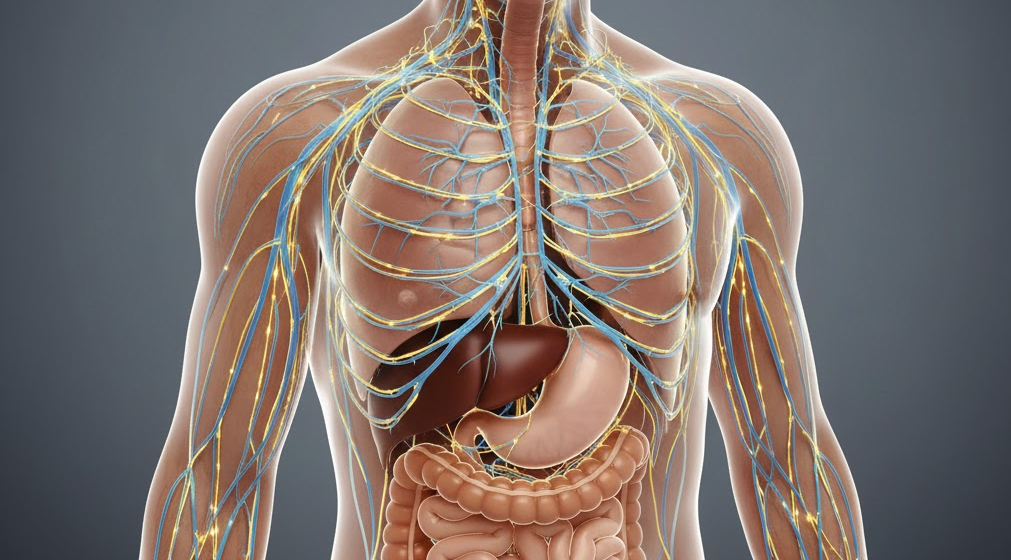
The nervous system is the primary command center for digestion and metabolism, making it the first system that must be activated. The parasympathetic nervous system governs digestion, absorption, and repair. When the body remains in a sympathetic, stress-dominant state, digestive processes are suppressed. This suppression explains why chronic stress, rushed meals, and constant stimulation are strongly associated with bloating, poor nutrient absorption, and metabolic dysfunction.
Understanding why activation matters for digestion and metabolism requires recognizing that digestion begins before food enters the mouth. Sensory input such as smell, sight, routine, and anticipation activates neural pathways that stimulate saliva production, stomach acid secretion, pancreatic enzyme release, and intestinal readiness. These signals tell the body that nutrients are coming and that energy-processing systems must prepare. Without this neural activation, digestion starts late and operates inefficiently, increasing metabolic strain.
Proper nervous system activation supports digestion by:
- Enhancing digestive secretions before food intake
- Coordinating gut motility and absorption
- Reducing metabolic stress responses
When neural activation is consistent, metabolism becomes more adaptive, insulin sensitivity improves, and energy levels stabilize throughout the day.
Digestive Enzyme Activation and Nutrient Utilization
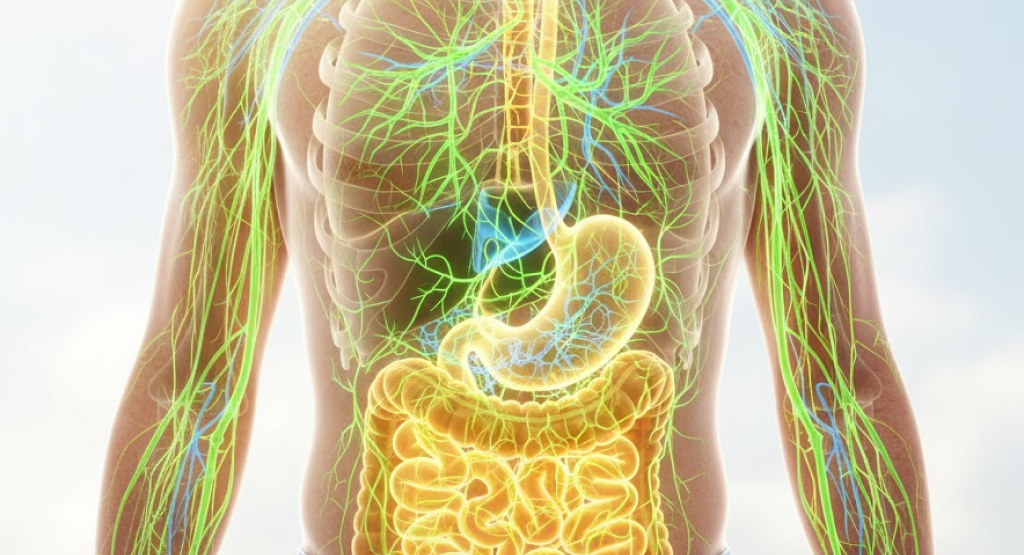
Digestive enzymes are responsible for breaking food into absorbable components, and their effectiveness depends entirely on activation. Enzymes are not released randomly or continuously. Their secretion is tightly regulated by neural and hormonal signals that must occur at the right time. When activation is weak, enzyme production becomes insufficient or mistimed, leading to incomplete digestion.
Explaining why activation matters for digestion and metabolism requires examining nutrient utilization. Poor enzyme activation allows proteins, fats, and carbohydrates to pass through the digestive tract partially digested. This reduces amino acid availability, impairs fat absorption, and disrupts glucose processing. As a result, metabolism receives inconsistent fuel, forcing the body to compensate through hunger signals, cravings, or stress hormones.
Activated enzyme release supports metabolism by:
- Maximizing macronutrient breakdown
- Improving micronutrient absorption
- Reducing metabolic workload
Over time, consistent enzyme activation increases metabolic efficiency, improves energy production, and reduces digestive discomfort without increasing food intake.
Gut Motility Activation and Metabolic Flow
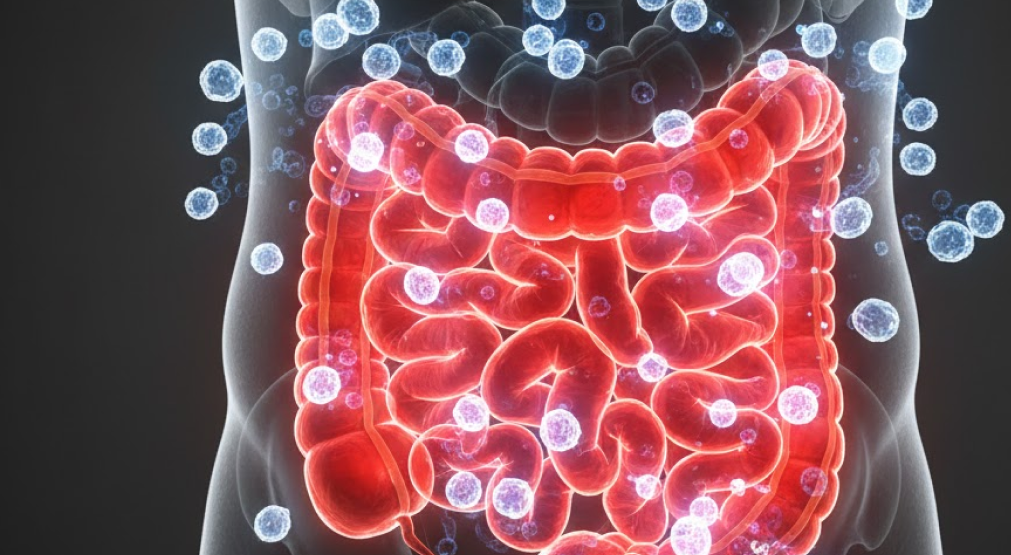
Gut motility is the process that moves food through the digestive tract, and its efficiency depends directly on activation. This movement is not automatic or constant. It relies on coordinated muscle contractions that are triggered only when the digestive system receives proper signals from the nervous system and gut hormones. When activation is insufficient, gut motility slows down, causing food to remain in the digestive tract longer than necessary. This delay leads to fermentation, gas production, and increased intestinal pressure, all of which disrupt metabolic signaling.
To clearly understand why activation matters for digestion and metabolism, gut motility must be seen as a timing mechanism for energy delivery. Metabolism depends on predictable nutrient flow. When gut movement is slow or irregular, nutrients are absorbed inconsistently, leading to unstable blood sugar levels and poor energy regulation. The body responds by increasing stress hormones and shifting metabolism toward energy storage rather than energy use. Over time, this pattern contributes to fatigue, cravings, and metabolic inefficiency even in individuals with balanced diets.
Proper activation of gut motility supports metabolic flow by:
- Ensuring timely nutrient absorption
- Preventing fermentation and inflammatory byproducts
- Aligning digestion with metabolic demand
When gut motility is activated correctly, digestion and metabolism operate in rhythm, supporting stable energy and appetite control.
Hormonal Activation and Metabolic Coordination
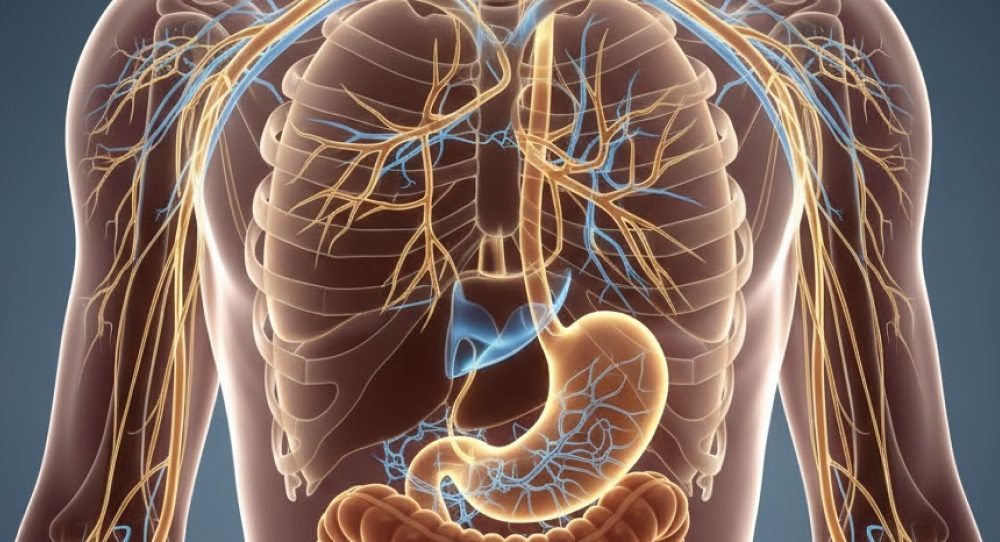
Hormones act as the communication network between digestion and metabolism, and their effectiveness depends on proper activation. Digestive hormones such as insulin, incretins, ghrelin, and glucagon respond not only to nutrients but also to the timing and quality of digestive signals. Without activation, hormonal responses become delayed or exaggerated, leading to metabolic confusion.
Understanding why activation matters for digestion and metabolism requires recognizing that hormones are context-sensitive. Activated digestion sends clear signals that allow hormones to regulate blood sugar, appetite, and energy distribution precisely. When digestion is poorly activated, insulin may spike excessively, hunger signals become unreliable, and satiety cues weaken. This disconnect forces metabolism to rely on stress-driven regulation rather than balanced hormonal control.
Hormonal activation supports metabolic coordination by:
- Improving blood sugar stability
- Aligning hunger and satiety signals
- Optimizing energy storage and release
Consistent activation restores hormonal rhythm, allowing metabolism to function efficiently without constant dietary intervention.
Activation, Inflammation, and Metabolic Stress
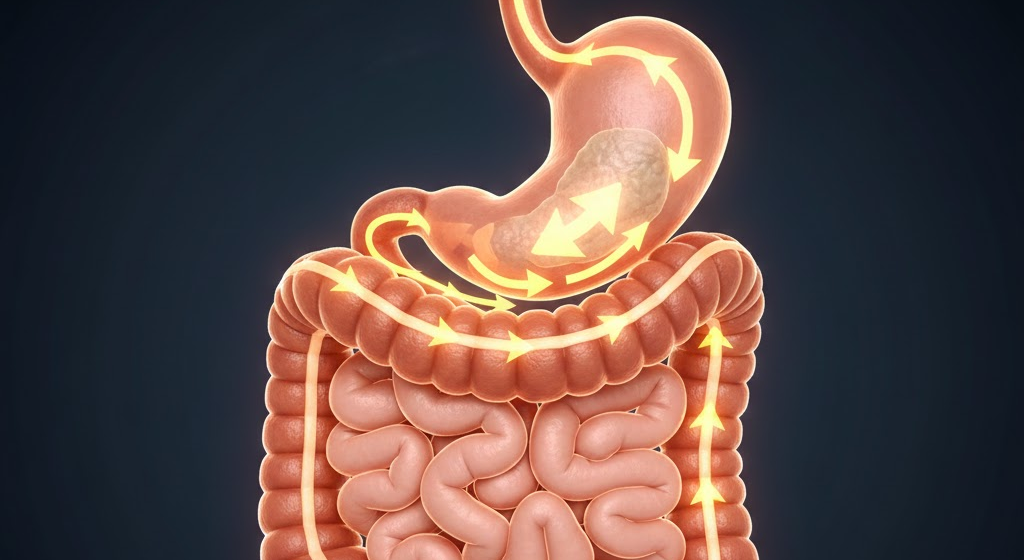
Chronic inflammation is one of the most underestimated consequences of poor digestive activation, and it plays a direct role in long-term metabolic dysfunction. When digestion is not properly activated, food is broken down incompletely. Large food particles, poorly digested proteins, and unprocessed fats irritate the intestinal lining and disrupt the gut barrier. This irritation activates immune responses that were never meant to be constantly engaged. Over time, the immune system begins to treat digestion itself as a stressor, creating a persistent inflammatory background.
To fully understand why activation matters for digestion and metabolism, inflammation must be viewed as a metabolic signal, not just an immune reaction. Inflammatory molecules interfere with insulin signaling, reduce mitochondrial efficiency, and increase oxidative stress. The body responds by slowing metabolism and prioritizing energy conservation. This is why people with chronic digestive issues often experience fatigue, weight gain, brain fog, and poor recovery even when calorie intake is controlled. Without activation, metabolism shifts from energy production to damage control.
Proper digestive activation reduces metabolic stress by:
- Ensuring complete food breakdown
- Protecting intestinal barrier integrity
- Limiting immune system overactivation
When inflammation is reduced at the digestive level, metabolism regains flexibility and can respond efficiently to nutritional input.
Activation and Cellular Energy Production
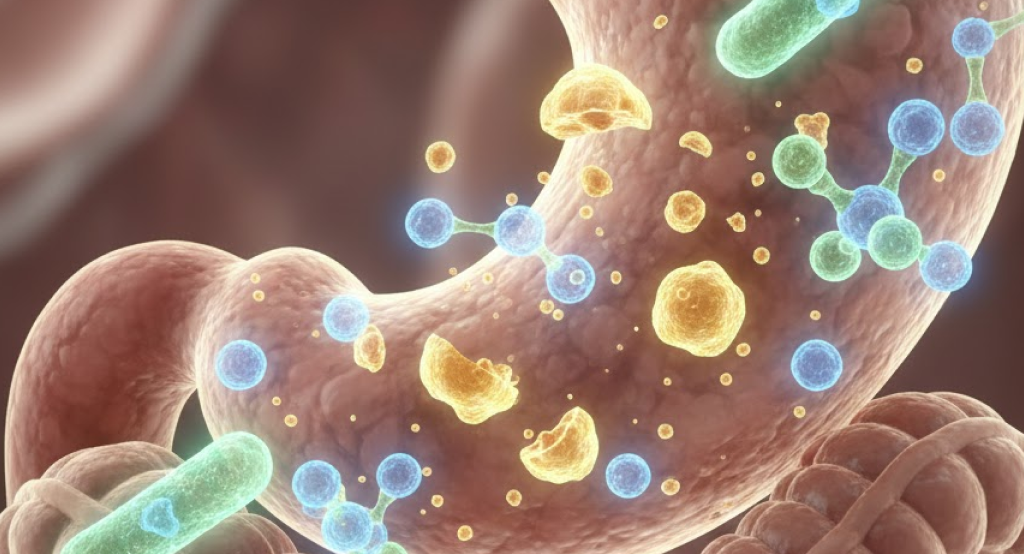
All metabolic processes ultimately depend on what happens inside the cell, and activation determines whether nutrients arrive in a usable, predictable form. Poorly activated digestion delivers energy substrates inconsistently. Cells are forced to adapt by relying on stress hormones such as cortisol and adrenaline to maintain basic energy output. While this strategy works short term, it is metabolically expensive and unsustainable.
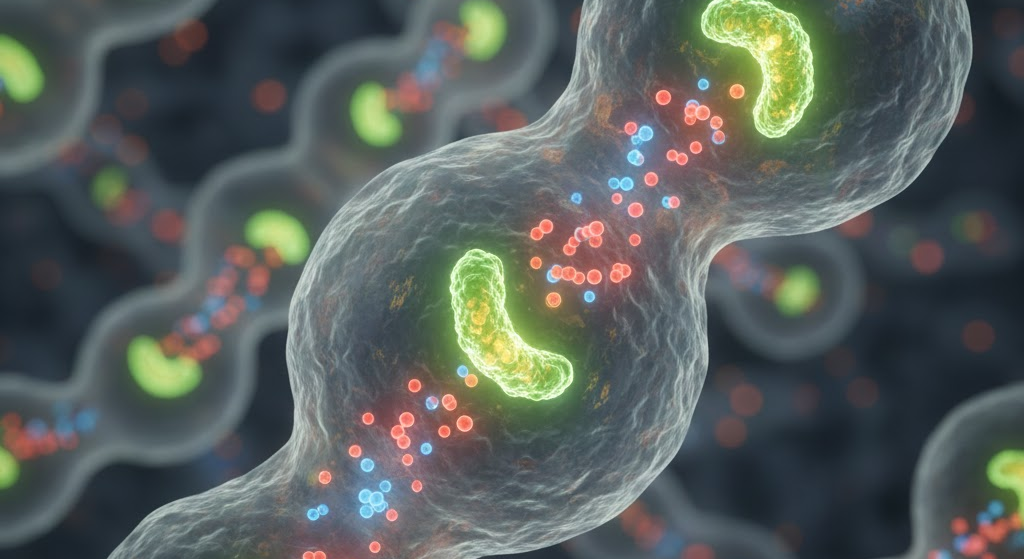
Understanding why activation matters for digestion and metabolism requires connecting digestion directly to mitochondrial function. Activated digestion supplies glucose, fatty acids, and amino acids at a steady rate. This allows mitochondria to produce ATP efficiently without excessive reactive oxygen species. When nutrient delivery is irregular, mitochondria become inefficient, increasing fatigue and accelerating metabolic wear.
Proper activation supports cellular energy production by:
- Stabilizing nutrient delivery to cells
- Improving mitochondrial efficiency
- Reducing reliance on stress-based energy pathways
As a result, both physical stamina and cognitive performance improve, reinforcing the role of digestion as a metabolic gatekeeper.
Final Thoughts on “Why Activation Matters for Digestion and Metabolism”
Understanding why activation matters for digestion and metabolism shifts the focus from what is eaten to how the body processes food. Digestion and metabolism are not passive systems that simply react to nutrient intake. They require preparation, coordination, and clear biological signaling to function efficiently. When activation is present, digestion becomes smoother, inflammation decreases, and metabolism operates in a stable, energy-efficient state rather than a stress-driven one.
From a biohacking perspective, activation represents a foundational layer of metabolic health that is often ignored. Poor digestion, energy crashes, and metabolic resistance are frequently treated as isolated problems, while the underlying lack of activation remains unaddressed. By restoring proper activation, the body can extract more value from the same foods, reduce metabolic strain, and maintain consistent energy levels without extreme interventions.
Most importantly, activation supports long-term sustainability. Instead of forcing results through restriction, stimulants, or constant optimization, activation aligns the nervous system, digestion, and metabolism to work together. This alignment improves nutrient efficiency, supports hormonal balance, and enhances metabolic resilience over time.
When activation becomes habitual, digestion and metabolism stop competing for resources and begin reinforcing each other. This creates a reliable foundation for energy, performance, and overall health, proving that true metabolic optimization starts not with diet complexity, but with physiological readiness.