

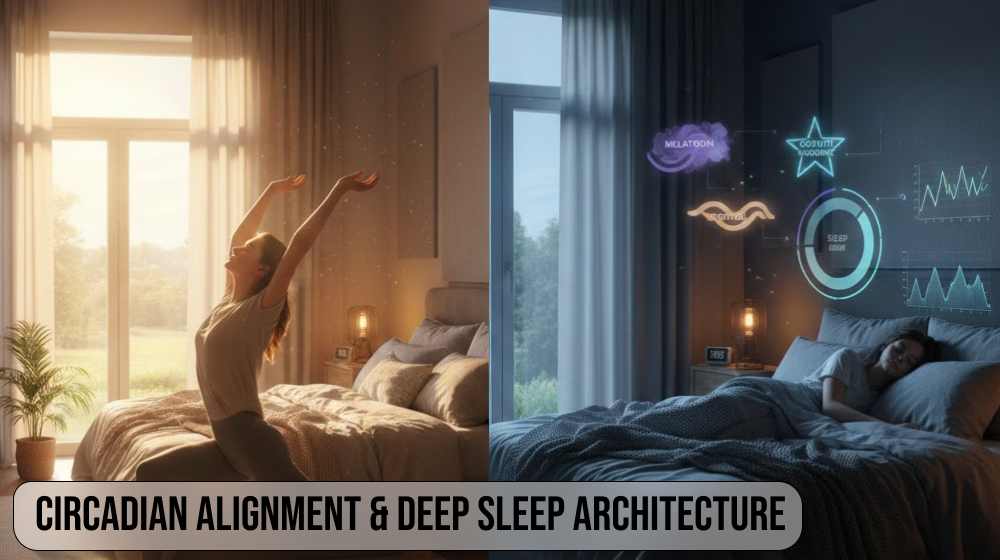
Circadian Alignment & Deep Sleep Architecture. Circadian alignment refers to the synchronization of the body’s internal clock with external environmental cues, primarily light and dark cycles. This internal clock, also known as the circadian rhythm, regulates essential physiological processes including hormone release, body temperature, metabolism, and the sleep-wake cycle. When aligned correctly, it ensures that energy, alertness, and restfulness occur at optimal times. Misalignment, often caused by irregular sleep schedules, shift work, late-night screen exposure, or travel across time zones, can lead to chronic fatigue, reduced cognitive performance, metabolic disorders, and weakened immunity.
Achieving circadian alignment requires intentional daily habits. Morning sunlight exposure is critical as it signals the brain to suppress melatonin and increase alertness, reinforcing wakefulness. Evening dim light cues the body to prepare for sleep, supporting melatonin production. Consistent sleep and wake times strengthen this rhythm, improving overall sleep quality. Reducing evening blue light exposure from phones or laptops and creating a dark, quiet bedroom further enhances alignment. Key strategies for circadian alignment include:
- Morning light exposure to reset the internal clock
- Consistent sleep and wake times to stabilize rhythms
- Minimized evening artificial light, especially blue light
The Science of Deep Sleep Architecture
Deep sleep architecture refers to the structured progression of sleep stages, particularly slow-wave sleep (SWS), which is the most restorative phase. Sleep alternates between REM (rapid eye movement) and non-REM stages, with deep sleep being the core of non-REM. During deep sleep, brain activity slows, heart rate drops, blood pressure decreases, and growth hormone release peaks, promoting tissue repair, immune function, and metabolic restoration. Memory consolidation also occurs during this phase, solidifying learning and emotional processing.
Disruptions to deep sleep can result from circadian misalignment, stress, late-night caffeine consumption, or light exposure. Fragmented deep sleep reduces the body’s ability to recover and can impair cognitive function, mood, and immune resilience. Understanding sleep architecture allows targeting specific behaviors to maximize deep sleep. Practical strategies include:
- Maintaining a cool, dark bedroom environment to signal the body to enter deep sleep
- Avoiding stimulants such as caffeine, nicotine, or alcohol late in the day
- Practicing relaxation routines, including meditation, breathing exercises, or gentle stretching

How Circadian Rhythm Influences Deep Sleep
The circadian rhythm and deep sleep are intricately connected, with the body’s internal clock acting as a precise regulator for sleep timing and intensity. This internal clock, controlled by the suprachiasmatic nucleus (SCN) in the hypothalamus, responds primarily to light and dark cues, synchronizing physiological processes with the external environment. One of the most critical ways the circadian rhythm affects deep sleep is by determining the timing of slow-wave sleep (SWS), which occurs predominantly in the first third of the night.
During this phase, growth hormone peaks, tissue repair accelerates, and the immune system strengthens. When the circadian rhythm is misaligned—due to late-night work, travel across time zones, or irregular sleep schedules—deep sleep becomes fragmented, reducing both its restorative and cognitive benefits. Even small shifts in sleep timing can affect the duration and quality of SWS, leading to morning grogginess, reduced memory consolidation, and compromised metabolic function.
Practical strategies to leverage circadian rhythm for improved deep sleep focus on light exposure, routine consistency, and lifestyle adjustments. Morning sunlight provides a natural cue that reinforces wakefulness, while dim evening light and reduced screen exposure signal the body to prepare for sleep. Structured bedtime routines, such as light stretching, meditation, or reading, help facilitate the transition into slow-wave sleep efficiently. Meal timing is another factor: eating heavy meals late at night can shift internal timing and disrupt deep sleep onset. Key strategies include:
- Morning outdoor activity to strengthen circadian signals and wakefulness
- Evening wind-down routines, including meditation or gentle stretching
- Avoiding late-night meals to prevent circadian disruption

Hormonal Regulation and Sleep Quality
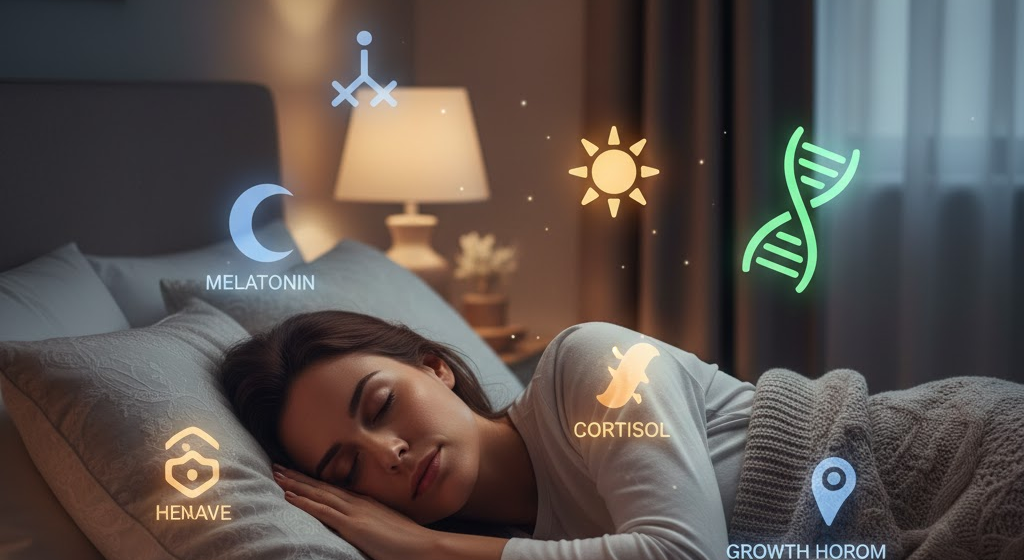
Hormonal regulation plays a critical role in the interaction between circadian alignment and deep sleep quality. Melatonin, the hormone responsible for sleep initiation, rises in the evening in response to darkness, signaling the brain to prepare for rest. Cortisol, in contrast, peaks in the morning, promoting alertness and supporting stress response. Disruption of these hormonal rhythms—caused by irregular sleep schedules, excessive exposure to artificial light, or chronic stress—can suppress melatonin production and prolong cortisol activity. This leads to delayed sleep onset, fragmented slow-wave sleep, and reduced sleep efficiency, undermining both mental and physical restoration. Adequate hormonal balance is essential not only for sleep quality but also for immune function, metabolism, and cognitive performance.
Deep sleep itself supports hormonal regulation. Growth hormone is primarily secreted during slow-wave sleep, enabling tissue repair, muscle growth, and metabolic health. Leptin and ghrelin, hormones that regulate appetite, are also influenced by sleep quality; insufficient deep sleep can lead to overeating, weight gain, and insulin resistance. Practical strategies to enhance hormonal balance and sleep quality include:
- Minimizing blue light exposure in the evening to support natural melatonin release
- Incorporating nutrient-rich foods such as magnesium, tryptophan, and zinc for hormone support
- Engaging in regular physical activity earlier in the day to stabilize cortisol rhythms
Environmental Factors Impacting Sleep Architecture
The sleeping environment profoundly influences both circadian alignment and deep sleep architecture. Light, temperature, and noise act as powerful external cues that can either enhance or disrupt restorative sleep. Bright artificial light at night suppresses melatonin and can shift circadian timing, delaying sleep onset. Similarly, a warm or noisy bedroom may fragment deep sleep cycles, reducing slow-wave sleep duration and limiting restorative benefits. Creating an optimal sleep environment is therefore a cornerstone of both deep sleep and circadian rhythm regulation. Even minor environmental improvements can significantly enhance sleep quality and overall health outcomes.
To optimize environmental conditions, it’s important to consider both natural and artificial cues. Morning sunlight exposure strengthens circadian rhythm, signaling alertness and energy, while a cool, dark bedroom promotes slow-wave sleep and growth hormone secretion. Noise-blocking solutions, blackout curtains, and comfortable bedding further improve sleep continuity. Beyond light and temperature, air quality, bedding comfort, and ambient sounds can also influence deep sleep stages. Key strategies include:
- Maximizing morning sunlight exposure to anchor circadian signals
- Maintaining bedroom temperature between 18–20°C (65–68°F) for optimal comfort
- Reducing noise and artificial light exposure at night to prevent sleep fragmentation

Lifestyle Practices for Circadian and Sleep Optimization
Daily lifestyle habits have a profound impact on circadian alignment and deep sleep architecture. Meal timing, physical activity, exposure to natural light, and stress management all communicate signals to the internal clock. Irregular routines, late-night eating, and evening stimulant use can disrupt these signals, delaying slow-wave sleep onset and reducing its duration. Conversely, structured routines and deliberate light exposure reinforce circadian timing and promote high-quality deep sleep. Understanding and implementing lifestyle strategies is therefore essential for achieving restorative sleep and optimal health.
Consistency is a critical factor. Morning sunlight exposure, regular wake and sleep times, and physical activity during the day strengthen circadian cues and enhance slow-wave sleep. Evening routines that reduce stress, such as meditation, journaling, or gentle yoga, prepare the body for deep, restorative sleep. Meal timing is also important, as eating heavy meals late can disrupt circadian rhythm and delay deep sleep onset. Key lifestyle strategies include:
- Structured daily routines with consistent sleep and wake times
- Daytime exercise to support circadian synchronization
- Evening stress reduction practices like meditation, breathing exercises, or journaling

Nutritional Strategies Supporting Deep Sleep
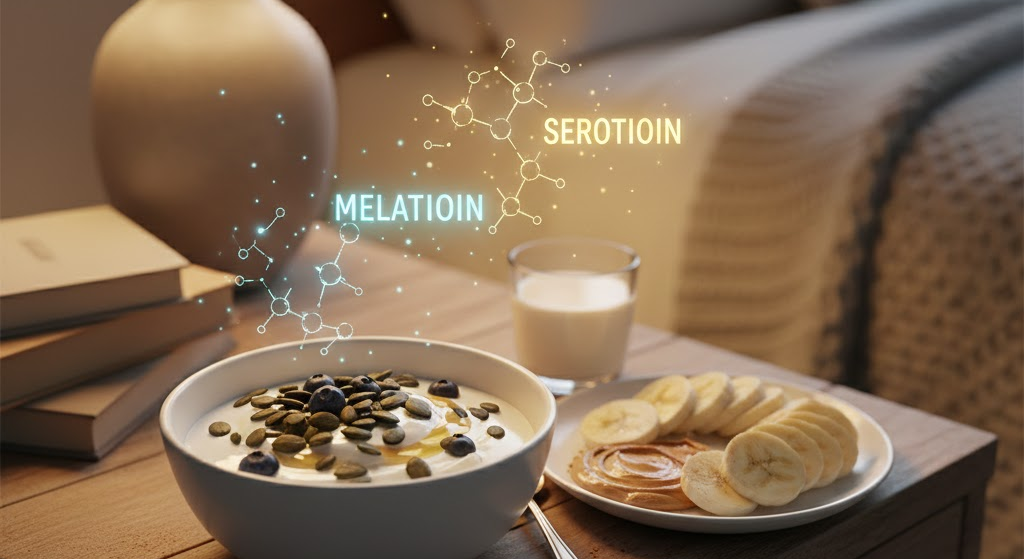
Nutrition plays a critical role in optimizing deep sleep and supporting circadian alignment. Specific nutrients influence the production of hormones and neurotransmitters that regulate sleep. For instance, magnesium helps calm the nervous system and relax muscles, promoting the transition into slow-wave sleep. Tryptophan, an amino acid found in foods like turkey, dairy, and seeds, is a precursor to serotonin and melatonin, both essential for sleep onset and quality. Zinc and vitamin B6 support neurotransmitter synthesis, further enhancing sleep regulation. Conversely, caffeine, alcohol, and high-sugar foods consumed close to bedtime can disrupt melatonin production, delay slow-wave sleep, and fragment overall sleep architecture.
Meal timing also plays a crucial role. Eating large or heavy meals late at night can increase metabolic activity and body temperature, delaying the natural onset of deep sleep. Light, nutrient-rich evening snacks, such as yogurt with pumpkin seeds or a small banana with almond butter, provide sleep-supportive nutrients without overloading the digestive system. Hydration is another factor: while staying hydrated during the day is essential, excessive fluid intake before bedtime may cause nighttime awakenings and disrupt sleep continuity.
Additional strategies to align nutrition with deep sleep include:
- Magnesium-rich foods: leafy greens, nuts, seeds, and legumes to relax the nervous system
- Tryptophan sources: turkey, dairy, soy, and pumpkin seeds to boost melatonin and serotonin
- Meal timing: finishing meals 2–3 hours before bed to reduce digestive stress and support circadian rhythm

Final Thoughts on “Circadian Alignment & Deep Sleep Architecture”
Understanding the interplay between circadian alignment and deep sleep architecture is essential for optimizing health, energy, and cognitive performance. When the body’s internal clock is synchronized with natural light-dark cycles, hormonal rhythms stabilize, slow-wave sleep becomes more restorative, and overall physiological function improves. Conversely, misaligned circadian rhythms—caused by irregular schedules, artificial light exposure, or lifestyle factors—can fragment deep sleep, reduce growth hormone secretion, impair memory consolidation, and increase metabolic or immune challenges. The connection between circadian rhythm and deep sleep is not merely theoretical; it has real, measurable effects on daily performance, mood, and long-term wellness.
Practical strategies for enhancing both circadian alignment and deep sleep include controlled exposure to natural light, maintaining consistent sleep-wake schedules, optimizing the sleep environment, practicing stress reduction techniques, and implementing nutrition strategies that support melatonin and serotonin production. Even small adjustments, such as limiting evening screen use, eating earlier dinners, or including magnesium-rich foods, can produce noticeable improvements in sleep quality. Additionally, tracking sleep patterns through wearable devices or apps can provide valuable insights for fine-tuning routines and environmental factors.
Ultimately, prioritizing circadian alignment and deep sleep architecture creates a foundation for holistic well-being. Restorative sleep not only improves daytime alertness, mental clarity, and emotional stability but also strengthens immune function, hormone regulation, and metabolic health. By integrating lifestyle, nutritional, and environmental strategies, individuals can maximize the benefits of their sleep, support natural biological rhythms, and enjoy sustainable improvements in both health and quality of life. Sleep, after all, is not just a passive state—it is a powerful tool for rejuvenation and longevity.