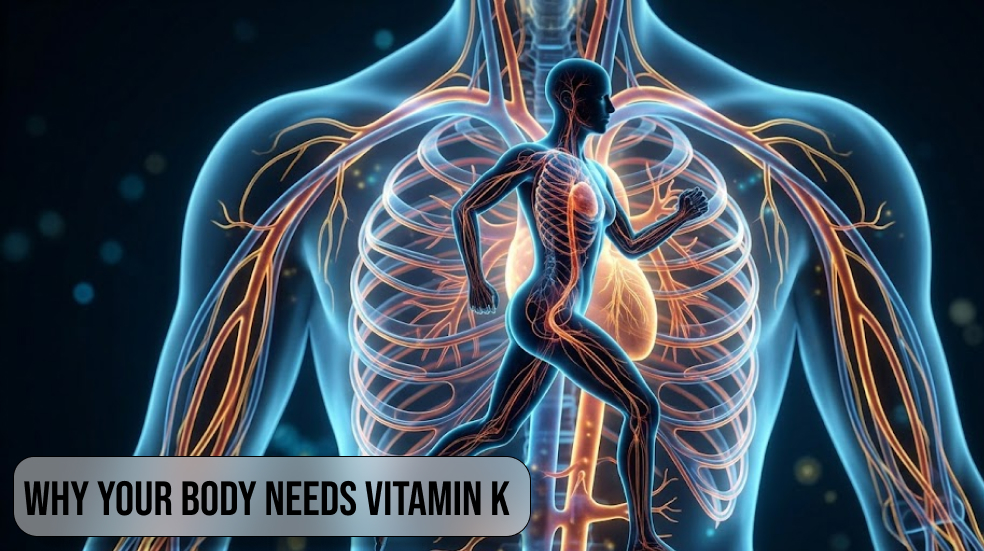


Hormetic stress refers to short, controlled exposure to stressors that stimulate the body to adapt, become stronger, and function more efficiently. Unlike chronic stress, which damages cells and disrupts physiology, hormetic stress activates protective pathways that improve resilience, repair mechanisms, and long-term health. This concept is rooted in biology: small challenges force systems to upregulate defenses, leading to improved performance and survival. Examples include brief cold exposure, intense exercise, fasting, heat stress, and cognitive challenges.
At the cellular level, hormetic stress activates pathways related to cellular repair, antioxidant production, and metabolic efficiency. These adaptive responses increase mitochondrial performance, improve insulin sensitivity, enhance neuroplasticity, and strengthen the immune system. Without periodic stress signals, the body becomes metabolically inflexible, less resilient, and more prone to degeneration. Modern lifestyles often eliminate natural stressors, reducing the activation of these essential adaptive pathways.
Effective hormetic stress is intentional, brief, and followed by adequate recovery. Overexposure or lack of recovery shifts hormesis into harmful stress. Key principles include:
- Short-duration stressors that trigger adaptation without exhaustion
- Adequate recovery periods to allow repair and strengthening
- Progressive exposure to gradually increase resilience
Hormetic stress is not about discomfort for its own sake—it is about activating biological systems that maintain strength, adaptability, and long-term health.
Cellular Mechanisms Activated by Hormesis
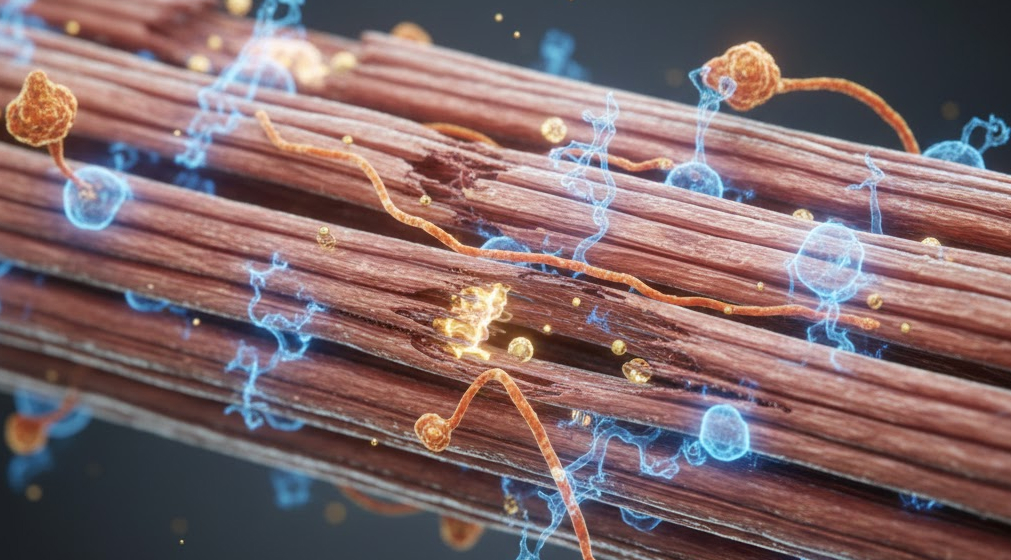
Hormetic stress works by activating highly conserved cellular defense mechanisms. When cells encounter mild stress, they increase production of heat shock proteins, antioxidant enzymes, and DNA repair systems. These responses protect cellular structures, reduce oxidative damage, and improve protein folding. Over time, repeated hormetic exposure leads to more efficient cellular maintenance and slower functional decline.
One of the most important effects of hormesis is the activation of mitochondrial biogenesis. Mild stress signals encourage cells to produce new, more efficient mitochondria, improving energy output and metabolic resilience. Hormesis also enhances autophagy, a process that removes damaged cellular components and recycles them for reuse. This cleanup mechanism is essential for preventing accumulation of dysfunctional proteins and organelles.
Key cellular benefits of hormetic stress include:
- Increased antioxidant capacity to neutralize oxidative stress
- Enhanced autophagy for cellular cleanup and renewal
- Improved mitochondrial efficiency and energy production
These mechanisms explain why controlled stress exposure is linked to longevity, improved metabolic health, and resistance to age-related decline.

Physical Hormetic Stressors and Adaptation
Physical stressors are among the most powerful hormetic tools. High-intensity exercise, resistance training, and sprint-based activity create brief metabolic and mechanical stress that stimulates muscle growth, cardiovascular adaptation, and mitochondrial efficiency. Unlike chronic overtraining, properly dosed physical stress improves strength, endurance, and recovery capacity.
Temperature-based stressors also play a significant role. Cold exposure activates brown fat, improves insulin sensitivity, and increases norepinephrine levels, enhancing alertness and metabolic rate. Heat exposure, such as sauna use, promotes cardiovascular conditioning, heat shock protein production, and detoxification through sweating. These stressors mimic environmental challenges humans evolved to handle.
Effective physical hormesis follows clear principles:
- Intensity over duration to avoid chronic stress
- Regular but limited exposure to allow adaptation
- Recovery-focused routines including sleep and nutrition
When applied intelligently, physical hormetic stress builds resilience rather than depletion, improving both performance and long-term health.

Metabolic Hormesis: Fasting and Nutrient Stress
Metabolic hormesis occurs when the body experiences brief periods of energy or nutrient scarcity. Practices such as intermittent fasting, time-restricted eating, or occasional caloric reduction activate survival pathways that improve metabolic efficiency. During fasting, insulin levels drop, fat oxidation increases, and cells shift toward maintenance and repair.
This type of stress enhances insulin sensitivity, metabolic flexibility, and autophagy. The body becomes better at switching between fuel sources, reducing glucose spikes and improving energy stability. Importantly, metabolic hormesis does not require extreme deprivation. Short fasting windows or occasional low-calorie days are sufficient to trigger adaptation.
Key principles of metabolic hormesis include:
- Short fasting windows rather than prolonged starvation
- Nutrient-dense refeeding to support recovery
- Consistency over intensity for long-term benefits
Metabolic stress, when controlled, strengthens energy regulation and reduces the risk of metabolic dysfunction.

Hormetic Stress and Brain Function
The brain is one of the most hormesis-sensitive organs in the human body. Short, controlled stressors activate adaptive neurological pathways that improve cognition, emotional regulation, and long-term brain resilience. Unlike chronic psychological stress, which depletes neurotransmitters and impairs memory, hormetic stress enhances neuroplasticity, the brain’s ability to rewire and adapt. This response evolved as a survival mechanism, allowing humans to remain alert, focused, and adaptable in challenging environments.
Hormetic stimuli such as cold exposure, intense physical effort, fasting, novelty, and complex problem-solving increase levels of BDNF (brain-derived neurotrophic factor). BDNF supports neuron growth, synaptic strength, and learning efficiency. Mild stress also improves dopamine and norepinephrine signaling, enhancing motivation, attention, and reaction speed. Over time, repeated exposure to manageable challenges trains the nervous system to respond efficiently rather than overreacting to stress.
Importantly, hormetic stress improves the brain’s ability to regulate emotions and cognitive load. The nervous system becomes better at distinguishing between real threats and low-level discomfort. This leads to improved stress tolerance, reduced anxiety responses, and greater mental clarity under pressure. Key neuro-hormetic benefits include:
- Enhanced neuroplasticity and learning capacity
- Improved focus, alertness, and emotional regulation
- Greater resilience to cognitive and psychological stress
When applied correctly, hormetic stress strengthens the brain rather than overwhelming it, supporting both performance and long-term neurological health.

Hormesis, Recovery, and Overload Prevention
Hormetic stress delivers benefits only when paired with adequate recovery. Adaptation does not occur during stress itself, but during the recovery phase that follows. Without sufficient recovery, hormetic stimuli shift into chronic stress, leading to inflammation, hormonal disruption, impaired cognition, and fatigue. This balance is the defining line between optimization and burnout.
Recovery allows the nervous system to recalibrate, cellular repair pathways to activate, and energy systems to rebuild at a higher capacity. Sleep plays a central role by consolidating learning, restoring neurotransmitters, and regulating stress hormones. Nutrition supplies the raw materials for tissue repair, mitochondrial adaptation, and neurochemical balance. Low-stimulation periods—such as walking, breathwork, or quiet reflection—activate parasympathetic responses essential for recovery.
Signs that hormetic stress has crossed into overload include persistent fatigue, reduced motivation, declining cognitive performance, irritability, and poor sleep quality. Effective hormesis requires constant feedback and adjustment. Core recovery principles include:
- Clear stress–recovery cycles, not continuous stress exposure
- Sleep prioritization to consolidate adaptations
- Flexible intensity, adjusting stressors based on energy and performance
Recovery is not optional; it is the mechanism through which hormetic stress becomes beneficial.

Lifestyle Integration of Hormetic Stress
Hormetic stress does not require extreme protocols or elite-level discipline. It can be seamlessly integrated into daily life through simple, repeatable challenges. The goal is consistent exposure to mild discomfort that signals adaptation without triggering exhaustion. Cold showers, brisk walking, short intense workouts, fasting windows, heat exposure, and mentally demanding tasks are all effective hormetic tools.
Variety is essential. Repeating the same stressor daily reduces its adaptive impact, as the body becomes accustomed to it. Rotating stress types—physical, metabolic, cognitive, and environmental—keeps adaptive systems responsive while reducing overload risk. Lifestyle hormesis works best when aligned with circadian rhythms, proper nutrition, and sufficient sleep.
Practical integration principles include:
- Short, frequent challenges rather than rare extreme stress
- Rotating stressors to avoid adaptation plateaus
- Listening to physiological feedback to prevent burnout
A hormetic lifestyle promotes resilience without rigidity, making adaptation sustainable rather than punishing.

Final Thoughts on “Hormetic Stress”
Hormetic stress is not a trend or extreme wellness concept—it is a fundamental biological principle that underpins human resilience, adaptability, and long-term health. The human body and brain evolved in environments that required regular exposure to physical effort, temperature variation, food scarcity, and cognitive challenge. These stressors were not constant, but intermittent, allowing biological systems to activate protective and adaptive pathways. When modern lifestyles remove these signals, the body gradually loses its ability to adapt efficiently, becoming more vulnerable to metabolic dysfunction, cognitive decline, and chronic disease.
When applied correctly, hormetic stress activates cellular repair mechanisms, mitochondrial biogenesis, antioxidant defenses, and neuroplasticity. Brief exposure to manageable stress improves energy regulation, strengthens stress tolerance, enhances cognitive flexibility, and supports emotional regulation. The key distinction lies between controlled stress, which builds resilience, and chronic stress, which depletes it. Hormesis operates within a narrow window where the stimulus is strong enough to trigger adaptation but short enough to allow full recovery.
Equally important is the role of recovery. Adaptation does not occur during the stress itself but during the recovery phase that follows. Sleep, nutrition, and low-stimulation periods are essential for consolidating the benefits of hormetic exposure. Without recovery, even beneficial stressors lose their value and contribute to fatigue, inflammation, and burnout. Effective hormetic practice therefore requires awareness, feedback, and flexibility rather than rigid protocols.
Integrating hormetic stress into daily life does not require extreme interventions. Simple practices such as cold exposure, intense but brief exercise, intermittent fasting, learning new skills, and exposure to novelty are sufficient to keep adaptive systems engaged. Rotating stressors and respecting individual limits ensure long-term sustainability. Ultimately, hormetic stress is about teaching the body and brain how to adapt, not about enduring discomfort. When used intentionally, it becomes a powerful tool for building resilience, optimizing performance, and supporting longevity in a modern environment that often lacks meaningful challenge.