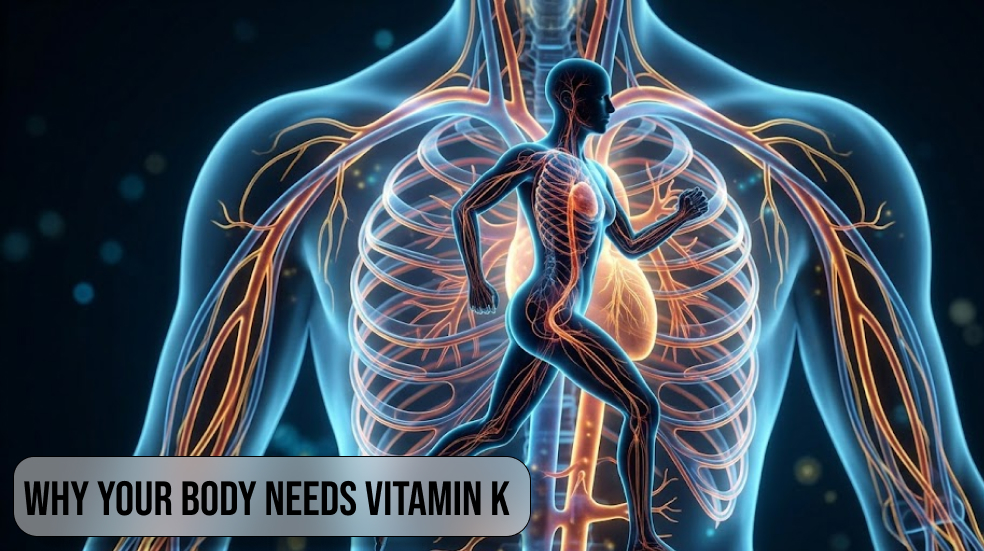


Hormesis: Stress that Strengthens. Hormesis is a biological principle describing how exposure to low doses of stressors can improve resilience and overall function. Unlike harmful stress, hormetic stress triggers adaptive cellular responses that make the organism stronger, healthier, and more capable of handling future challenges. This concept applies across multiple systems: metabolic, neurological, immune, and muscular. Small, controlled stressors activate repair pathways, enhance antioxidant defenses, and stimulate growth factors, turning transient challenges into long-term benefits.
At the cellular level, hormesis works by activating stress response proteins, DNA repair mechanisms, and mitochondrial efficiency. These responses improve energy production, reduce inflammation, and enhance tissue resilience. Hormetic stress can take many forms, including intermittent fasting, cold exposure, heat exposure, exercise, or cognitive challenges. Understanding hormesis is crucial for anyone seeking to optimize health, performance, and longevity without causing overstrain or damage.
- Hormetic stress improves resilience
- Cellular repair pathways are activated by low-level stress
- Controlled challenges produce long-term benefits

Types of Hormetic Stressors
Hormetic stressors can take many forms, each engaging specific adaptive responses in the body and brain. Physical stressors are among the most widely studied and include activities such as high-intensity interval training (HIIT), resistance training, and exposure to extreme temperatures like cold showers or saunas. These stressors temporarily challenge muscles, cardiovascular systems, and metabolic pathways, activating repair processes, increasing mitochondrial density, and enhancing cellular resilience. Physical stressors also stimulate the release of neurotrophic factors such as BDNF, improving learning, memory, and overall brain plasticity. Even simple activities like walking uphill or performing bodyweight exercises can serve as hormetic challenges when applied consistently over time, demonstrating that hormesis does not require extreme measures—consistency and controlled intensity are key.
Metabolic stressors challenge the body’s energy regulation and metabolic efficiency. Intermittent fasting, caloric restriction, and nutrient timing create short-term energy scarcity that activates adaptive cellular mechanisms, including autophagy, antioxidant pathways, and improved insulin sensitivity. These stressors improve mitochondrial function and metabolic flexibility, allowing cells to use energy more efficiently and respond more robustly to future stress. Cognitive stressors represent a third major category.
Learning new skills, solving complex problems, or engaging in mentally demanding tasks stimulates neural plasticity, strengthens synaptic connections, and increases resilience to mental fatigue. Cognitive hormesis ensures the brain remains adaptable, reinforcing problem-solving, memory retention, and executive function. The combination of these stressors across physical, metabolic, and cognitive domains creates a holistic hormetic effect that strengthens the entire organism.
- Physical stressors: exercise, temperature extremes
- Metabolic stressors: fasting, nutrient timing
- Cognitive stressors: learning, problem-solving

Cellular Mechanisms Behind Hormesis
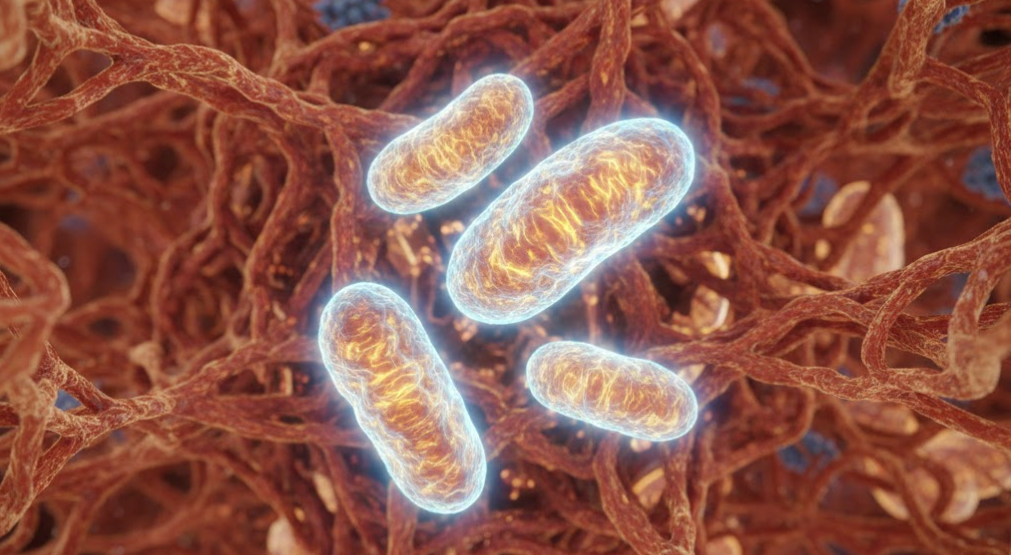
At the molecular level, hormesis activates multiple protective pathways. Low-level stress stimulates heat shock proteins (HSPs), which prevent protein misfolding and maintain cellular integrity. It also enhances antioxidant defenses, including superoxide dismutase and glutathione, reducing oxidative damage. Mitochondrial biogenesis is another hallmark of hormetic stress, improving energy production and resilience under future stressors.
Hormesis also influences autophagy, a process where cells remove damaged components and recycle nutrients. Intermittent stress temporarily elevates autophagic activity, cleaning out dysfunctional proteins and organelles. These mechanisms collectively enhance cellular efficiency, longevity, and adaptability, demonstrating how carefully applied stress can strengthen rather than weaken the organism.
- Heat shock proteins protect cellular proteins
- Antioxidant pathways reduce oxidative stress
- Autophagy clears damaged components
Exercise as a Hormetic Stimulus
Physical exercise is one of the clearest and most well-studied examples of hormesis in action. During physical activity, muscles experience temporary microdamage, energy depletion, and mild oxidative stress. These controlled stressors activate repair pathways that strengthen muscle fibers, increase mitochondrial density, and enhance cardiovascular efficiency. Exercise-induced hormesis also stimulates the release of neurotrophic factors, including BDNF, which improves learning, memory, and overall brain resilience. The cellular adaptations triggered by exercise enhance not only muscular strength but also metabolic flexibility, making the body more capable of responding to future physical challenges.
The benefits of exercise hormesis are dose-dependent, emphasizing the balance between stress and recovery. High-intensity workouts produce greater immediate stress signals, but without sufficient rest, these signals can become damaging, leading to overtraining, fatigue, or suppressed immunity. Moderate, consistent exercise achieves cumulative benefits by gradually strengthening physiological systems while minimizing risk. Beyond muscles, exercise influences hormonal regulation, cardiovascular function, and immune resilience, creating a comprehensive hormetic effect that integrates multiple body systems. From a biohacking perspective, exercise is not just a fitness tool—it is a structured stressor that trains the body to adapt, recover, and thrive.
- Exercise triggers hormesis through controlled physical stress
- Recovery is essential to maximize adaptive benefits
- Repeated training strengthens muscular, metabolic, and cognitive systems

Temperature-Based Hormesis: Heat and Cold
Exposure to temperature extremes is a highly effective form of hormetic stress that engages both cellular and systemic adaptation. Cold exposure, through ice baths or cold showers, activates brown adipose tissue, increases norepinephrine release, and enhances metabolic rate. Heat exposure, such as saunas or hot baths, stimulates heat shock proteins, improves cardiovascular function, and increases vasodilation. Both modalities create a controlled stress environment, prompting cells and tissues to strengthen and become more resilient to environmental challenges.
Regular, well-timed temperature stress improves hormone regulation, energy metabolism, and immune function. The adaptation is systemic: repeated exposure enhances cellular repair mechanisms while improving psychological resilience to discomfort. Moderation and consistency are crucial—excessive exposure can overwhelm the system, reversing hormetic benefits and potentially causing harm. Integrated into a lifestyle, heat and cold exposure become powerful tools for biohackers seeking optimized resilience across multiple body systems.
- Cold exposure activates metabolism and alertness
- Heat exposure stimulates heat shock proteins and cardiovascular health
- Moderate, repeated exposure enhances systemic resilience

Metabolic Stress: Fasting and Caloric Restriction
Metabolic stress via intermittent fasting or caloric restriction is another form of hormesis that triggers significant cellular adaptation. Temporary energy scarcity activates autophagy, mitochondrial biogenesis, and antioxidant pathways, improving cellular efficiency and reducing oxidative stress. Hormetic metabolic stress also enhances insulin sensitivity, supports healthy weight management, and strengthens neural pathways, promoting both cognitive and physical resilience.
The key to metabolic hormesis is controlled dosing. Short-term fasting or moderate caloric restriction produces beneficial stress signals, whereas chronic or extreme restriction can compromise health by overwhelming repair systems and depleting energy reserves. When applied correctly, metabolic hormesis improves metabolic flexibility, optimizes energy utilization, and primes the body to handle future physiological stressors more efficiently. In a biohacking framework, these practices allow for strategic enhancement of cellular function without long-term damage.

Cognitive Hormesis: Mental Challenges
Cognitive stressors provide a critical hormetic effect on the brain. Engaging in mentally demanding activities, such as learning new skills, solving complex problems, or practicing memory exercises, increases neuroplasticity and enhances BDNF expression. These challenges strengthen synaptic connections, improve cognitive flexibility, and prepare the brain to handle future mental stress more effectively. Controlled cognitive stress reinforces the brain’s ability to adapt rather than react rigidly to novel situations.
As with physical and metabolic stress, the intensity and frequency of cognitive stress must be carefully calibrated. Excessive mental load without adequate recovery can result in fatigue, impaired performance, and reduced adaptive capacity. Conversely, moderate, repeated cognitive challenges build robust neural networks and improve overall mental resilience. Cognitive hormesis complements physical and metabolic stress, creating a holistic approach to human performance that integrates body and mind, optimizing both neural and systemic adaptability.
- Learning new skills enhances neural plasticity
- Controlled mental challenges improve cognitive resilience
- Repeated stimulation strengthens memory and problem-solving

Final Thoughts on “Hormesis: Stress that Strengthens”
Hormesis illustrates one of the most powerful principles of biology: not all stress is harmful. In fact, carefully applied, moderate stress can make the body and brain stronger, more resilient, and better prepared for future challenges. Unlike chronic or overwhelming stress, hormetic stress is intentionally brief, controlled, and targeted, prompting adaptive responses at the cellular, systemic, and cognitive levels. Through hormesis, the body learns to repair, strengthen, and optimize itself, turning what might appear as strain into a mechanism for growth and performance enhancement.
At the cellular level, hormesis activates protective pathways such as heat shock proteins, antioxidant systems, autophagy, and mitochondrial biogenesis. These mechanisms improve energy efficiency, reduce oxidative damage, and maintain protein integrity. They also prime cells to handle future stress more effectively, making tissues more resilient over time. On a systemic level, hormetic stressors like exercise, cold or heat exposure, and intermittent fasting challenge muscles, metabolism, and circulation in a way that strengthens endurance, cardiovascular function, and metabolic flexibility. Cognitive hormesis complements these effects, reinforcing synaptic plasticity, memory, and mental adaptability. Together, these responses illustrate how hormesis operates as a multi-level, integrative system.
Consistency, moderation, and recovery are essential. The same stressor that is beneficial in small doses can become damaging if overapplied or poorly timed. For example, excessive exercise without rest, prolonged fasting without nutrient support, or chronic cognitive overload can overwhelm adaptive pathways, reduce resilience, and increase the risk of injury or burnout. The key to effective hormesis lies in balancing the challenge with recovery, creating a pattern that encourages adaptation rather than breakdown.
From a biohacking perspective, hormesis is both practical and accessible. It provides a framework for intentional lifestyle design: applying manageable stressors that stimulate repair, adaptation, and growth. Exercise, temperature modulation, fasting, and mental challenges all offer opportunities for controlled stress that strengthens both body and mind. Unlike short-term hacks, hormesis produces cumulative benefits over time, enhancing performance, healthspan, and cognitive function sustainably.
Ultimately, hormesis reframes our relationship with stress. Instead of avoiding challenges, we can embrace them strategically, knowing that mild, well-timed stress is a signal for adaptation. When applied thoughtfully, hormesis becomes a foundation for resilience, longevity, and optimal human performance.
- Controlled stress strengthens cells, tissues, and the brain
- Recovery and moderation ensure adaptation rather than damage
- Hormesis provides a sustainable foundation for long-term health and performance