
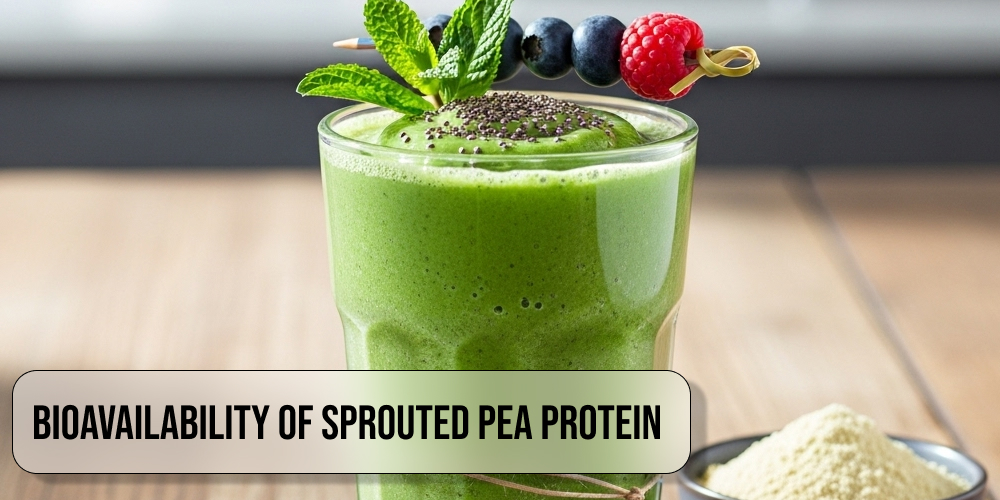
Bioavailability of Sprouted Pea Protein. Sprouted pea protein has gained attention for its enhanced digestibility and nutrient absorption compared with regular pea protein. When peas are sprouted, natural enzymatic processes break down anti-nutrients like phytic acid and lectins, which can interfere with mineral absorption. This process makes amino acids more available for the body, boosting protein efficiency. Athletes, vegans, and health-conscious individuals increasingly turn to sprouted pea protein as a plant-based option that delivers superior bioavailability, ensuring optimal muscle repair, recovery, and overall nutrition.
Sprouting also changes the protein structure, making it easier for digestive enzymes to break down protein chains into absorbable amino acids. This enhanced bioavailability supports better gut health by reducing bloating and discomfort often associated with legume consumption. Additionally, sprouted pea protein retains essential minerals and vitamins, providing a more complete nutritional profile. As a result, it is a reliable protein source for anyone seeking plant-based nutrition without compromising absorption or effectiveness.
- Improved amino acid absorption
- Reduced anti-nutrient interference
- Enhanced digestibility and gut comfort
Bioavailability of Sprouted Pea Protein: How Sprouting Enhances Nutrient Absorption
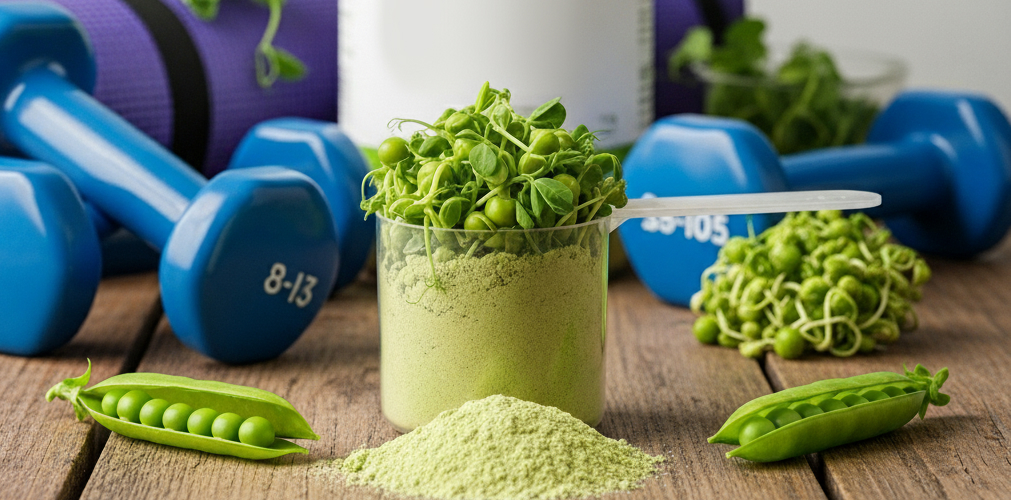
Sprouting peas triggers enzymatic activity that breaks down compounds inhibiting nutrient uptake. Phytic acid, which binds to minerals such as zinc, iron, and magnesium, is significantly reduced in sprouted pea protein. This process enhances mineral bioavailability, making it easier for the body to utilize vital nutrients for metabolism, energy production, and tissue repair. Consequently, sprouted pea protein is not just a protein source but also a functional food contributing to overall micronutrient sufficiency.
Moreover, sprouted pea protein promotes better absorption of amino acids, the building blocks of proteins. Enzymes activated during sprouting pre-digest complex proteins, allowing the body to efficiently access leucine, lysine, and other essential amino acids crucial for muscle protein synthesis. This makes it especially valuable for athletes, older adults, or anyone seeking to maximize the nutritional impact of plant-based proteins.
- Reduced phytic acid content
- Increased mineral bioavailability
- More accessible amino acids

The Role of Amino Acids in Sprouted Pea Protein
Amino acids are the foundation of protein function, and sprouted pea protein offers a complete spectrum of essential amino acids. Sprouting enhances their bioavailability, making them easier for the body to absorb and utilize. This ensures that dietary protein is not only consumed but effectively supports muscle repair, hormone production, and overall metabolic health.
Compared to non-sprouted pea protein, the sprouted variant often shows higher levels of lysine and branched-chain amino acids (BCAAs), which are crucial for muscle synthesis and recovery. This quality makes sprouted pea protein ideal for pre- and post-workout nutrition, helping maintain energy levels, muscle mass, and overall performance.
- Complete amino acid profile
- Enhanced lysine and BCAA availability
- Supports muscle repair and metabolism

Gut-Friendly Benefits of Sprouted Pea Protein
One of the most compelling advantages of sprouted protein is its remarkable digestibility, making it far easier on the gastrointestinal system than conventional pea protein. The sprouting process reduces anti-nutrients such as phytic acid and lectins, compounds that can otherwise interfere with the absorption of minerals and proteins. By breaking down these complex molecules, sprouted pea protein allows your body to more efficiently utilize the essential amino acids it contains, resulting in better muscle recovery, improved energy metabolism, and enhanced overall health.
Individuals with sensitive digestive systems often find that sprouted protein causes significantly less bloating or gas, making it suitable for daily consumption without discomfort. This ease of digestion ensures that the benefits of high-quality protein are fully realized, supporting both active lifestyles and general wellness routines.
In addition to improved digestibility, sprouted pea protein offers prebiotic-like benefits that promote gut health. The enzymatic activity triggered during sprouting breaks down fibers and complex sugars, providing nourishment for beneficial gut bacteria and enhancing microbiome diversity. A healthy gut microbiome contributes not only to better digestion but also to improved immune function, mood regulation, and nutrient absorption. By incorporating sprouted protein into your diet, you support a holistic approach to wellness, combining superior amino acid availability with gut-friendly properties that traditional pea protein cannot match.
- Reduced digestive discomfort and bloating
- Supports a healthy gut microbiome
- Ideal for daily protein intake
Comparison: Sprouted vs. Non-Sprouted Pea Protein
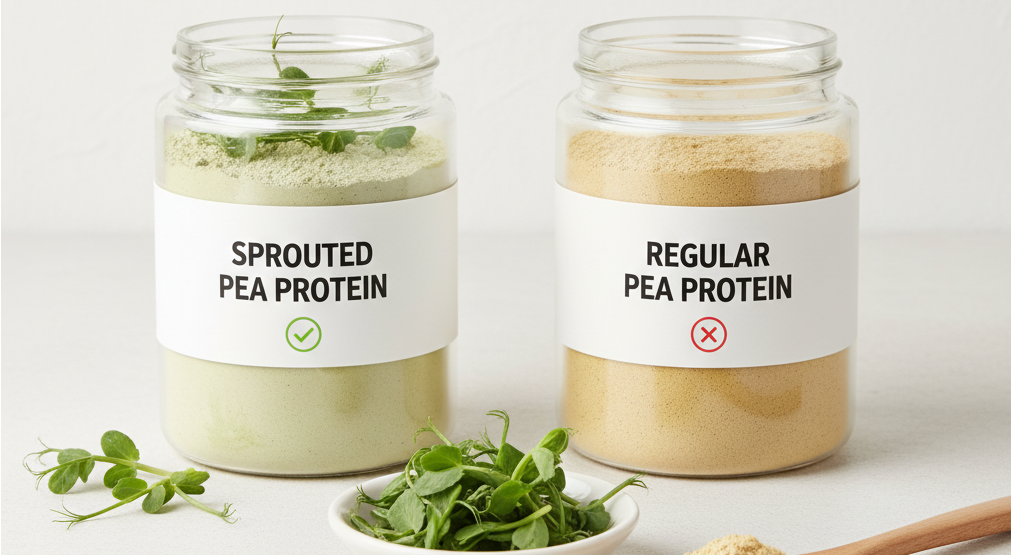
When evaluating sprouted protein versus non-sprouted pea protein, the differences in bioavailability and nutrient absorption are striking. Non-sprouted protein retains higher levels of anti-nutrients, which can bind to essential minerals like iron, zinc, and magnesium, reducing their absorption and limiting the protein’s overall effectiveness. Sprouting activates enzymes that pre-digest these compounds, making the protein easier for the body to process and ensuring that every gram delivers maximum nutritional value. This makes sprouted pea protein a superior option for athletes, fitness enthusiasts, and anyone looking to optimize daily nutrient intake.
Beyond enhanced nutrient absorption, sprouted pea protein also provides superior flavor, texture, and versatility. It blends seamlessly into smoothies, shakes, protein bars, and other functional foods, offering a neutral, slightly nutty taste without the grittiness often associated with conventional protein powders. For individuals seeking a plant-based protein source that delivers both functional benefits and enjoyable sensory qualities, sprouted pea protein is a clear winner. Its improved digestibility, amino acid profile, and culinary adaptability make it a reliable choice for long-term nutritional planning.
- Higher bioavailability of amino acids and minerals
- Reduced anti-nutrient interference for optimal absorption
- Smooth texture and versatile use in recipes
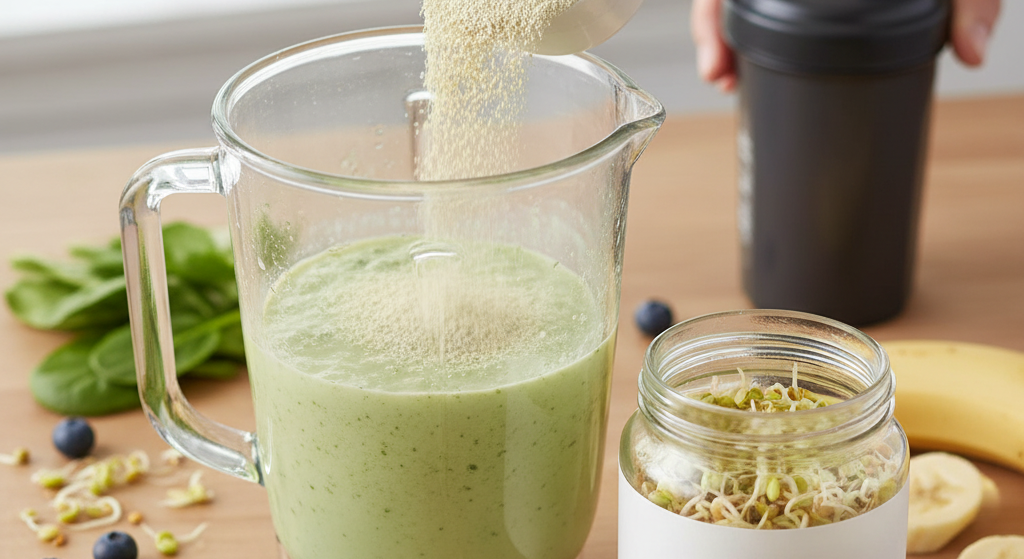
Enhanced Amino Acid Profile
One of the standout benefits of sprouted protein is its enriched amino acid profile compared to regular plant-based proteins. Sprouting activates enzymatic processes that not only break down complex proteins into simpler, more digestible forms but also enhance the availability of essential amino acids like lysine, leucine, and methionine.
These amino acids play critical roles in muscle repair, tissue regeneration, and metabolic function, making sprouted pea protein an ideal choice for active individuals or those seeking to improve overall health. By providing a complete amino acid profile, sprouted protein ensures that your body receives balanced nutritional support, which is essential for sustaining energy levels and promoting recovery after physical activity or mental exertion.
Moreover, the improved amino acid availability has significant implications for plant-based diets. Many vegan and vegetarian protein sources are limited in certain essential amino acids, but sprouted protein helps bridge these gaps naturally. Regular consumption supports consistent protein intake without relying on multiple sources, making meal planning simpler and more efficient. This functionality, combined with its superior digestibility, positions sprouted protein as both a practical and nutritionally advantageous choice for anyone seeking comprehensive plant-based protein.
- Enhanced levels of essential amino acids
- Supports muscle repair and metabolic function
- Ideal for plant-based and active lifestyles
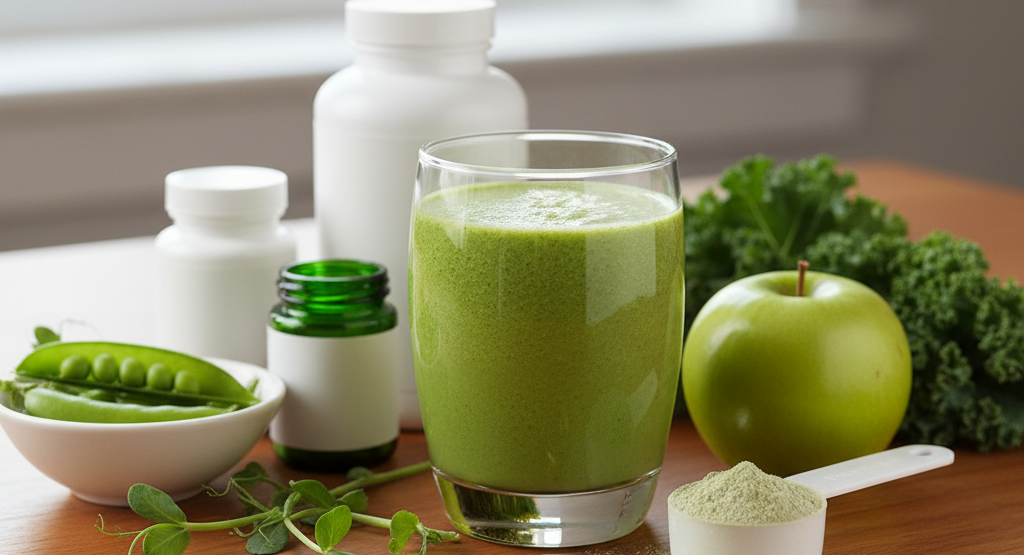
Enhanced Amino Acid Profile
One of the standout benefits of sprouted protein is its enriched amino acid profile compared to regular plant-based proteins. Sprouting activates enzymatic processes that not only break down complex proteins into simpler, more digestible forms but also enhance the availability of essential amino acids like lysine, leucine, and methionine.
These amino acids play critical roles in muscle repair, tissue regeneration, and metabolic function, making sprouted pea protein an ideal choice for active individuals or those seeking to improve overall health. By providing a complete amino acid profile, sprouted protein ensures that your body receives balanced nutritional support, which is essential for sustaining energy levels and promoting recovery after physical activity or mental exertion.
Moreover, the improved amino acid availability has significant implications for plant-based diets. Many vegan and vegetarian protein sources are limited in certain essential amino acids, but sprouted protein helps bridge these gaps naturally. Regular consumption supports consistent protein intake without relying on multiple sources, making meal planning simpler and more efficient. This functionality, combined with its superior digestibility, positions sprouted protein as both a practical and nutritionally advantageous choice for anyone seeking comprehensive plant-based protein.
- Enhanced levels of essential amino acids
- Supports muscle repair and metabolic function
- Ideal for plant-based and active lifestyles
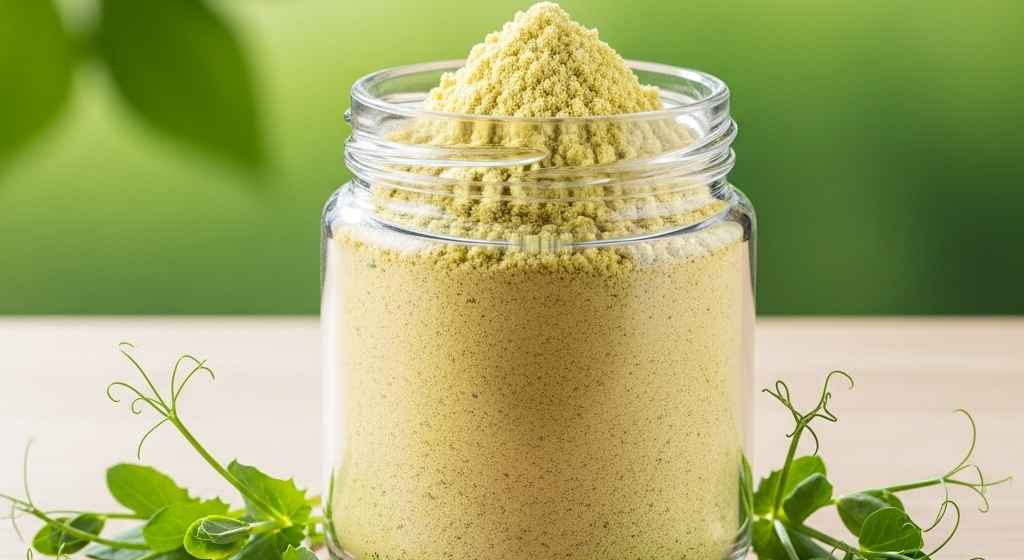
Final Thoughts
Sprouted protein represents a significant advancement in plant-based nutrition, offering advantages that go far beyond traditional protein powders. By leveraging the natural process of sprouting, this protein source not only improves digestibility but also enhances the bioavailability of essential amino acids and minerals. This makes it an ideal choice for a wide range of individuals, from athletes and fitness enthusiasts to those following plant-based or vegan diets.
The enzymatic activity triggered during sprouting breaks down anti-nutrients, reduces digestive discomfort, and makes amino acids more readily accessible, supporting optimal muscle repair, energy metabolism, and overall health. Sprouted protein ensures that every gram of protein you consume is effectively utilized, giving you more nutritional bang for your buck.
Incorporating sprouted protein into your daily routine can also have a meaningful impact on gut health. Unlike conventional plant proteins, which may cause bloating or discomfort due to anti-nutrients and complex sugars, sprouted protein is easier on the digestive system. It promotes a healthier gut microbiome, encouraging the growth of beneficial bacteria that aid digestion, nutrient absorption, and immune function.
Over time, this gut-friendly effect can enhance overall wellness, improve energy levels, and contribute to better mood and cognitive function. Sprouted protein’s combination of digestibility and functional benefits makes it a practical choice for anyone looking to optimize their daily nutrition without compromise.
Beyond its physiological benefits, sprouted protein is highly versatile and can be seamlessly integrated into a variety of meals and beverages. Smoothies, shakes, meal replacement drinks, protein bars, and even baked goods benefit from its neutral, slightly nutty flavor and smooth texture.
Unlike some conventional protein powders that can taste chalky or overwhelm recipes, sprouted protein blends effortlessly, allowing for both functional and enjoyable consumption. Its superior bioavailability ensures that you receive the maximum nutritional benefit, whether you are consuming it as a post-workout recovery aid, a convenient meal supplement, or a nutrient-dense addition to snacks.
The enhanced amino acid profile of sprouted protein is another critical factor that sets it apart from traditional proteins. Sprouting increases the availability of lysine, leucine, methionine, and other essential amino acids that are crucial for muscle repair, tissue regeneration, and metabolic function.
This makes sprouted protein especially valuable for those on plant-based diets, where amino acid deficiencies are more common. By providing a complete amino acid profile, sprouted protein supports muscle maintenance, energy balance, and overall performance, ensuring that your dietary protein needs are fully met.
In summary, sprouted protein is more than just a nutritional trend—it is a scientifically backed approach to optimizing protein intake and overall health. Its combination of improved digestibility, enhanced amino acid availability, gut-friendly properties, and culinary versatility makes it a superior choice over conventional plant-based proteins.
Regular incorporation of sprouted protein into your diet can support muscle repair, energy metabolism, cognitive function, and long-term wellness. Whether used in smoothies, shakes, functional foods, or baked goods, sprouted protein delivers both practical and functional benefits, making it an essential component of a modern, health-conscious diet.
- Superior digestibility and nutrient absorption
- Enhanced amino acid and mineral bioavailability
- Versatile and functional for daily nutrition