


Biological Age Tracking. Biological age reflects the functional state of the body, rather than the number of years lived. Unlike chronological age, which progresses at a fixed rate, biological age can accelerate or slow down depending on lifestyle, genetics, environment, and health behaviors. Two people of the same chronological age may differ significantly in biological age due to differences in metabolism, inflammation, hormonal balance, and cellular integrity. Tracking biological age provides a more accurate picture of overall health and long-term resilience.
Biological age is determined by how efficiently cells repair themselves, produce energy, regulate inflammation, and maintain tissue function. Factors such as chronic stress, poor sleep, nutrient deficiencies, sedentary behavior, and environmental toxins accelerate biological aging. In contrast, regular physical activity, adequate recovery, balanced nutrition, and adaptive stress exposure slow biological aging processes. The purpose of biological age tracking is not prediction of lifespan, but early detection of accelerated aging patterns that can be corrected.
Key concepts behind biological age include:
- Cellular efficiency and repair capacity
- Inflammation and metabolic regulation
- Physiological resilience to stress and recovery
By shifting focus from chronological age to biological age, health optimization becomes proactive rather than reactive. This approach allows individuals to intervene early, measure progress objectively, and align daily behaviors with long-term vitality rather than short-term symptom management.
Biomarkers Used in Biological Age Tracking
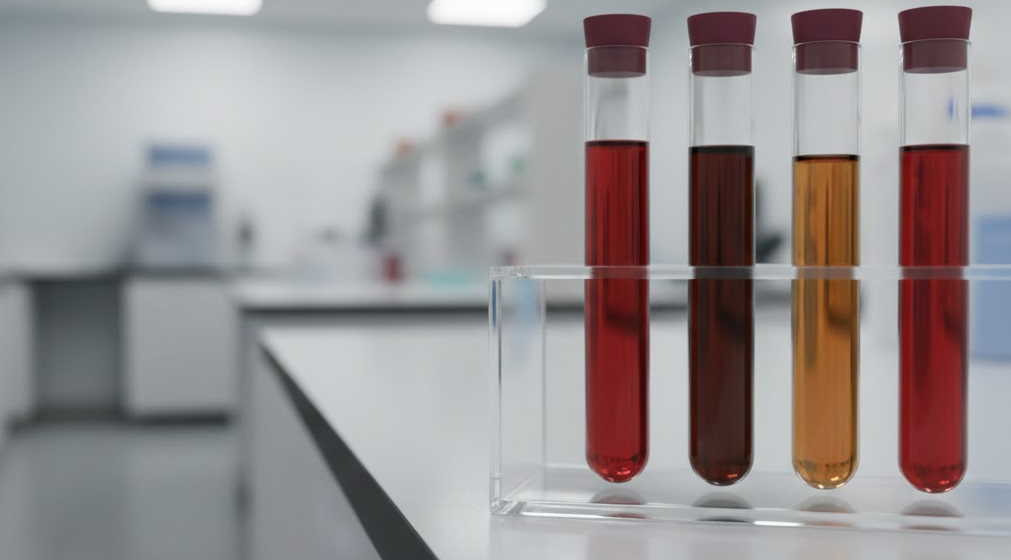
Biological age is assessed through a combination of biomarkers that reflect the functional state of different systems in the body. No single marker defines biological age; instead, it is calculated using patterns across metabolic, inflammatory, cardiovascular, and cellular indicators. Commonly used biomarkers include blood glucose regulation, lipid profiles, inflammatory markers such as CRP, hormone balance, and kidney or liver function indicators.
Advanced biological age models incorporate epigenetic markers, which measure chemical modifications on DNA that change with age and lifestyle. DNA methylation patterns are among the most precise indicators of biological aging, as they reflect cumulative exposure to stress, nutrition, sleep quality, and environmental factors. Other tools assess telomere length, although telomeres are more variable and context-dependent.
Frequently used biomarker categories include:
- Metabolic health markers (glucose, insulin, lipids)
- Inflammation and immune markers
- Epigenetic and cellular aging indicators
Tracking these markers over time reveals trends rather than isolated results. A single test provides a snapshot, but repeated measurements show whether biological aging is accelerating, stabilizing, or reversing. This longitudinal view is essential for meaningful interpretation and optimization.

Epigenetics and Biological Aging
Epigenetics plays a central role in biological age determination. Epigenetic changes regulate which genes are turned on or off without altering the DNA sequence itself. These changes respond dynamically to lifestyle inputs such as diet, physical activity, sleep, stress, and toxin exposure. As a result, epigenetic patterns act as a biological memory of lived experience.
Epigenetic clocks estimate biological age by analyzing DNA methylation at specific genomic sites. These clocks correlate strongly with mortality risk, disease onset, and functional decline. Importantly, epigenetic age is modifiable. Studies show that lifestyle interventions—including improved nutrition, exercise, stress reduction, and sleep optimization—can slow or even reverse epigenetic aging trends.
Key influences on epigenetic aging include:
- Chronic inflammation and oxidative stress
- Nutrient availability and metabolic signals
- Sleep and circadian rhythm alignment
Because epigenetic markers integrate multiple systems, they offer a powerful lens into whole-body aging. Tracking epigenetic age helps identify whether interventions are affecting core aging mechanisms rather than just surface-level symptoms.

Metabolic Health and Aging Speed
Metabolic efficiency strongly influences biological aging speed. Poor glucose regulation, insulin resistance, and chronic energy imbalance accelerate cellular damage and inflammation. Over time, metabolic dysfunction stresses mitochondria, disrupts hormonal signaling, and impairs tissue repair, all of which contribute to faster biological aging.
Stable blood sugar, metabolic flexibility, and efficient fat oxidation are associated with slower aging profiles. Individuals with good metabolic health tend to show lower inflammatory markers, better cardiovascular function, and more favorable epigenetic patterns. Even without overt disease, subtle metabolic inefficiencies can quietly accelerate aging processes.
Key metabolic contributors to biological age include:
- Glucose stability and insulin sensitivity
- Mitochondrial energy production
- Body composition and visceral fat levels
Tracking metabolic markers alongside biological age helps identify early dysfunction before clinical disease appears. Improving metabolic health through nutrition, movement, and recovery is one of the most effective strategies for slowing biological aging.

Lifestyle Factors That Influence Biological Age
Daily habits have a cumulative impact on biological age. Sleep quality, physical activity, stress exposure, and nutrition continuously signal the body to either invest in repair or shift toward survival mode. Chronic sleep deprivation, psychological stress, and sedentary behavior accelerate aging by increasing inflammation and impairing recovery.
In contrast, consistent sleep, regular movement, and adaptive stress exposure improve biological age markers. Exercise stimulates mitochondrial renewal, sleep supports cellular repair, and stress management prevents hormonal disruption. Environmental factors such as light exposure, air quality, and toxin load also influence aging trajectories.
Key lifestyle drivers include:
- Sleep consistency and circadian alignment
- Physical activity and recovery balance
- Stress load and emotional regulation
Biological age tracking makes these effects measurable, turning abstract lifestyle advice into quantifiable outcomes.

Tools and Technologies for Biological Age Tracking
Advances in health technology have made biological age tracking increasingly precise and accessible. Rather than relying on a single measurement, modern approaches combine laboratory diagnostics, digital tools, and longitudinal data analysis to estimate how quickly the body is aging. Each tool captures a different layer of biological function, and together they provide a more accurate and actionable picture of aging dynamics.
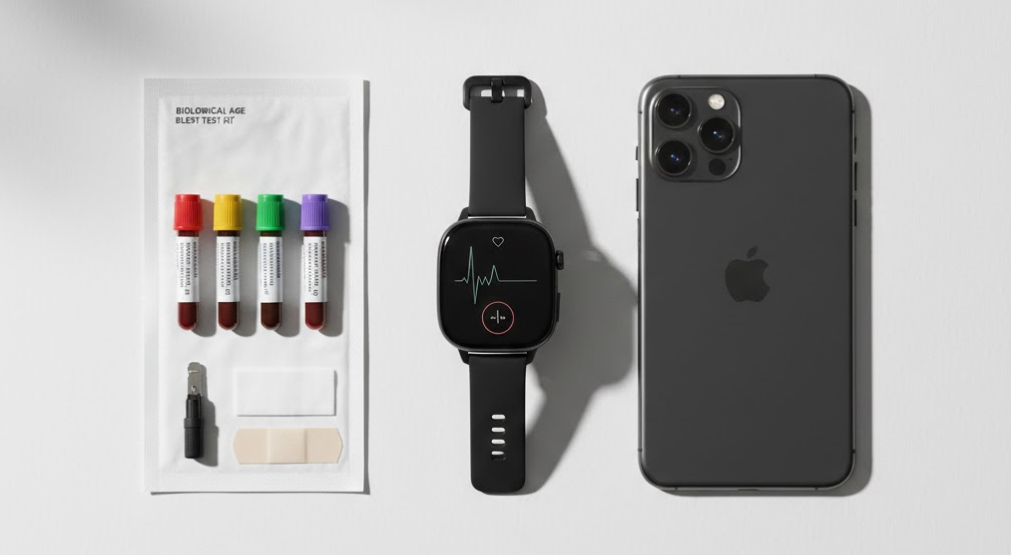
Laboratory-based testing remains the most direct method. Comprehensive blood panels assess metabolic health, inflammation, lipid balance, kidney and liver function, and hormonal status. These markers reflect systemic stress and recovery capacity, both of which strongly influence biological age. More advanced options include epigenetic testing, which analyzes DNA methylation patterns to estimate biological age at the cellular level. Epigenetic clocks are especially valuable because they integrate the cumulative impact of lifestyle, stress, and environmental exposure over time.
Wearable devices complement laboratory data by offering continuous insight into recovery and physiological resilience. Metrics such as heart rate variability, resting heart rate, sleep architecture, and activity patterns serve as indirect but highly sensitive indicators of aging stress. When tracked consistently, these signals reveal whether interventions are improving or impairing recovery capacity.
Common technology categories include:
- Epigenetic age testing platforms for cellular-level aging assessment
- Blood biomarker panels targeting metabolic and inflammatory aging drivers
- Wearables and digital health dashboards for daily recovery and stress monitoring
The most effective biological age strategy integrates periodic deep testing with continuous lifestyle data. This layered approach transforms biological age from a static number into a dynamic feedback system, enabling informed adjustments that support long-term resilience, vitality, and healthy aging.

Interpreting Results and Avoiding Misuse
Biological age results require careful interpretation to be useful rather than misleading. A single measurement represents a moment in time and can be influenced by recent behaviors, acute stress, illness, poor sleep, travel, or inflammation. Treating one result as a definitive judgment of health or longevity often leads to unnecessary anxiety or overcorrection. Biological age is best understood as a dynamic indicator that responds to both short-term conditions and long-term habits.
The most meaningful insights come from trends over time. Repeated measurements reveal whether biological aging is accelerating, stabilizing, or slowing in response to lifestyle changes. Improvements suggest that recovery, metabolic health, and stress management strategies are working, while negative trends signal the need for adjustment. Context is critical—biological age data should be evaluated alongside sleep quality, training load, nutrition, and psychological stress levels.
Misuse often occurs when biological age is treated as a competitive metric or a target to optimize aggressively. Excessive testing, drastic interventions, or extreme restriction can paradoxically increase stress and impair recovery, leading to worse outcomes. Biological age tracking should support sustainable behaviors, not drive rigid protocols or perfectionism.
Key interpretation principles include:
- Prioritizing long-term trends over single data points
- Linking results to recent lifestyle and recovery patterns
- Avoiding extreme interventions based on isolated results
Used appropriately, biological age tracking becomes a feedback tool rather than a source of pressure. It helps guide thoughtful adjustments, reinforce effective habits, and maintain a balanced approach to longevity that prioritizes function, resilience, and quality of life over numerical optimization.
Final Thoughts
Biological age tracking represents a shift in how health and aging are understood and managed. Instead of treating age as a fixed number, this approach recognizes aging as a dynamic process influenced by metabolism, inflammation, recovery, and lifestyle choices. Biological age provides a functional snapshot of how well the body is maintaining and repairing itself, offering insights that chronological age alone cannot reveal.
When used correctly, biological age metrics act as an early-warning system. They highlight subtle imbalances long before clinical symptoms appear, allowing timely intervention. Tracking changes over time helps identify which behaviors support resilience and which accelerate decline. Sleep quality, stress exposure, physical activity, and nutritional patterns all leave measurable biological signals. Seeing these effects reflected in biological age reinforces consistency and encourages sustainable habits rather than short-term fixes.
It is important to view biological age as a feedback tool, not a verdict. Single measurements have limited meaning; trends and patterns provide the real value. Temporary stress, illness, or poor recovery can influence results, making context essential. Interpreted thoughtfully, biological age supports informed decision-making without promoting anxiety or over-optimization.
Ultimately, biological age tracking empowers a proactive approach to longevity. By aligning daily behaviors with measurable outcomes, individuals gain clarity, accountability, and direction. Small improvements in metabolic health, recovery quality, and stress management can compound into meaningful reductions in aging speed over time. Biological age is not about chasing youth, but about preserving function, resilience, and quality of life as the years progress.