
Sprouts for skin: can sprouted seeds give you a fresh face?Sprouts are young germinated seeds—such as alfalfa, mung bean, broccoli or sunflower—that are packed with nutrients and bioactive compounds. When we refer to sprouted seeds for skin health, we mean using these nutrient-dense sprouts either in your diet or topically to support a fresher, healthier complexion. These tiny plants are rich in vitamins A, C and E, minerals like zinc and selenium, and antioxidants that help protect the skin’s structure and boost its renewal. For anyone interested in sprouts for skin, it’s not about a miracle fix but a smarter nutritional and skincare support.
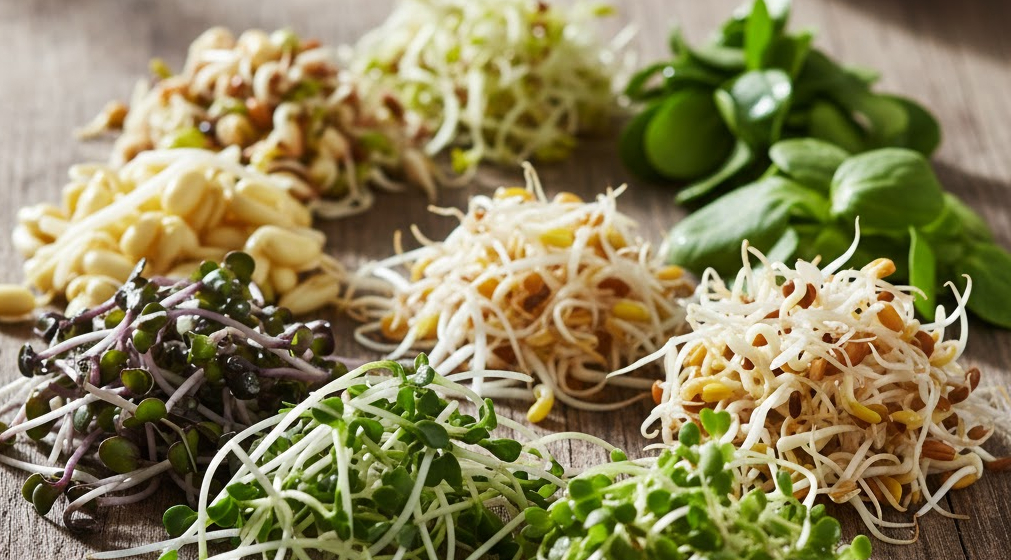
When you include sprouts in your routine, the idea is that the nutritional power of sprouted seeds supports skin from the inside (through diet) and outside (through extracts or masks). But it’s important to know that while sprouted seeds can enhance skin health, they don’t replace dermatological treatments for serious conditions. Think of them as support for improved skin tone, elasticity and resilience.
Key points:
- Sprouts offer concentrated nutrients and antioxidants important for skin.
- Using sprouts for skin works via internal nutrition and external application.
- Realistic expectations matter: they support skin health, not cure severe skin disease.

Nutrients in Sprouted Seeds that Support Skin Health
When seeds begin to sprout, their nutritional profile changes drastically. Enzymes activate, anti-nutrients decrease, and the availability of amino acids, fatty acids, and vitamins multiplies. This makes sprouted seeds for skin far more bioavailable than raw or cooked versions. For example, broccoli sprouts are loaded with sulforaphane, a compound that protects the skin from UV damage and promotes detoxification, while sunflower sprouts provide essential fatty acids and vitamin E to strengthen the lipid barrier and improve elasticity. Together, these nutrients protect against dullness and early signs of aging.
The skin’s structure relies on three pillars: collagen, elastin, and hydration. Vitamin C from sprouts supports collagen production, vitamin E shields from oxidation, and zinc promotes cell repair and regeneration. Meanwhile, the natural plant enzymes aid digestion, ensuring that the skin receives all the nutrients it needs. Regular consumption or topical use of sprouts helps the skin look balanced, supple, and even-toned. Sprouted grains and legumes for skin thus act like a mini multivitamin complex, but in a completely natural form.
Internal Use: Eating Sprouts for Skin Health
Adding sprouts to your diet is one of the simplest ways to feed your skin from the inside out. These small plants provide high levels of antioxidants that neutralize free radicals, preventing the breakdown of collagen and elastin. When consumed regularly, sprouts for clear skin help reduce inflammation, improve circulation, and support detoxification—all vital for maintaining a bright, healthy complexion. Because sprouts are light and easily digested, they can fit into any diet plan, from plant-based to high-protein lifestyles.
You can add broccoli, alfalfa, mung bean, or sunflower sprouts to salads, smoothies, or sandwiches for a daily dose of vitality. The ideal portion is 30–50 grams per day, eaten fresh and thoroughly rinsed. Within several weeks, many people notice smoother texture, reduced dryness, and a more even skin tone. Combining sprouts with sources of omega-3 fats and hydration amplifies their benefits, creating a complete skin-support system. Sprouts for face glow work gradually but steadily, restoring the skin’s natural energy and brightness.
Practical tips:
- Add sprouts daily to meals for steady antioxidant intake.
- Combine with healthy fats to enhance vitamin absorption.
- Stay consistent for 6–8 weeks to see visible improvement.
External Use: Sprout Extracts for Skincare
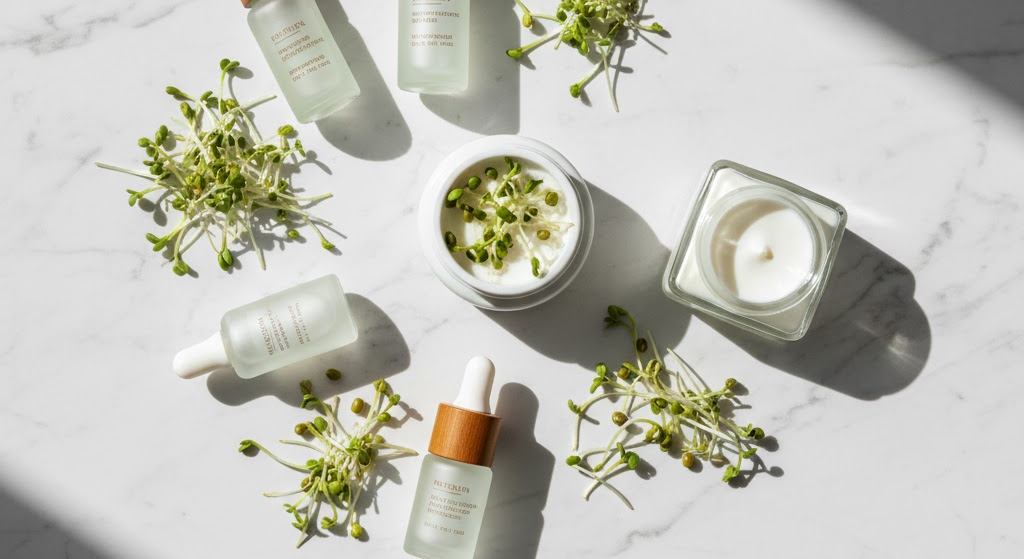
Beyond nutrition, sprout-based skincare products are gaining popularity in natural beauty routines. Extracts of broccoli sprouts and sunflower sprouts are used in serums, creams, and toners because of their ability to protect the skin from oxidative stress, pollution, and UV-induced damage. These extracts are rich in phytonutrients and enzymes that gently rejuvenate tired skin, reduce inflammation, and help repair minor irritations. Using them externally brings nutrients directly to the surface, creating a smoother, more resilient texture.
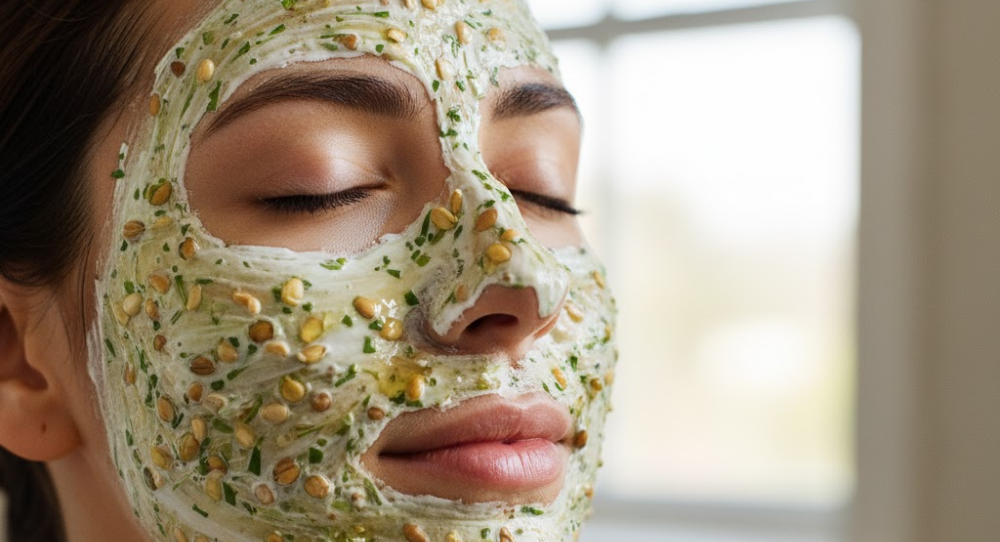
DIY skincare enthusiasts also make homemade masks or tonics from blended sprouts mixed with ingredients like aloe vera, yogurt, or honey. Such natural treatments hydrate and nourish without harsh chemicals. However, homemade products should always be patch-tested to avoid irritation, as sprouts are biologically active. Regular use—once or twice a week—can significantly improve the overall glow and softness of the skin. Sprout extract for anti-aging skin works best when paired with daily sun protection and balanced nutrition.
Safety Rules When Using Sprouts for Skin and Health
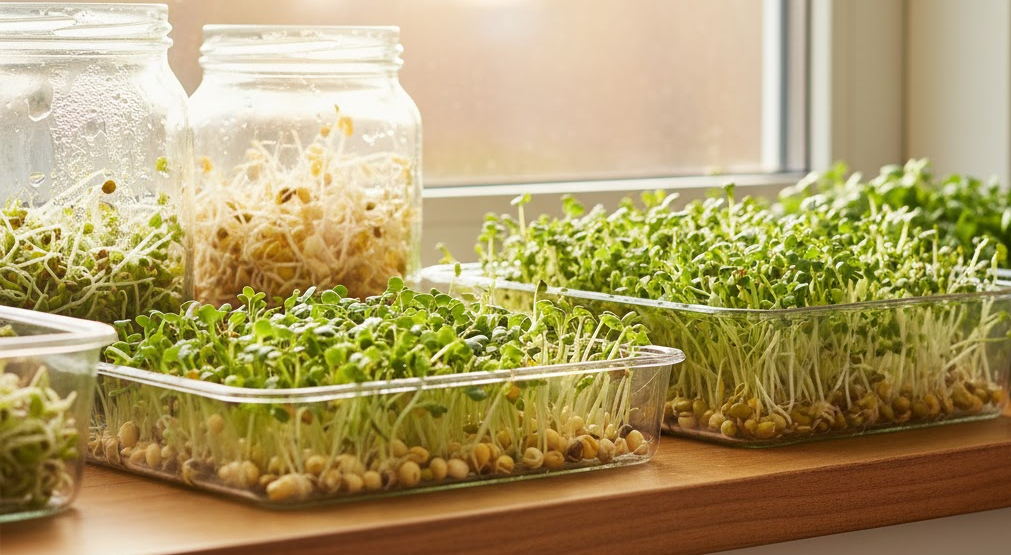
Because sprouts are grown in warm, humid conditions, they can become breeding grounds for bacteria if hygiene is neglected. To safely enjoy raw sprouts for skin and wellness, it’s essential to use only high-quality seeds, rinse them thoroughly, and store them at cool temperatures. If growing at home, sterilize jars or sprouting trays, rinse twice daily, and harvest within 3–5 days. Discard any sprouts with an off-smell, slime, or discoloration.
For topical preparations, use fresh sprouts immediately and store any mixtures in the fridge for no more than 24 hours. People with weakened immunity, pregnancy, or skin sensitivity should consult a professional before consuming or applying raw sprouts. Proper hygiene ensures that the benefits of sprouts for healthy skin are not overshadowed by contamination risks. Clean handling, rotation of seed types, and short storage times are simple but crucial safety habits.
Remember these points:
- Always rinse sprouts under clean running water.
- Keep refrigerated and consume fresh.
- Use clean tools and avoid prolonged storage.
Practical Recipes and Daily Routine with Sprouted Seeds for Skin
Incorporating sprouted seeds for skin into your daily life can be simple, enjoyable, and surprisingly effective. The goal is not to make drastic changes overnight but to introduce small, consistent habits that feed your skin from within and support it externally. Sprouts are incredibly versatile — they can be eaten raw, blended, cooked lightly, or applied directly to the skin in various forms.
Their mild, earthy flavor pairs well with smoothies, salads, and even soups, while their nutrient density makes every serving count. When consumed regularly, they deliver antioxidants, vitamins, and amino acids that promote collagen formation, detoxification, and cellular renewal. The beauty of this routine lies in its flexibility: it can fit seamlessly into both minimalist and advanced skincare or wellness plans.
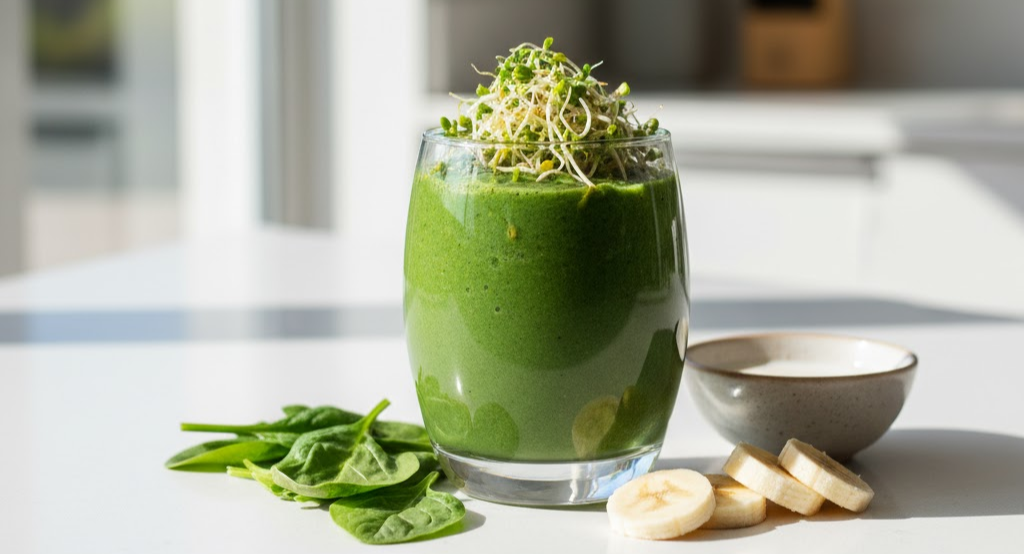
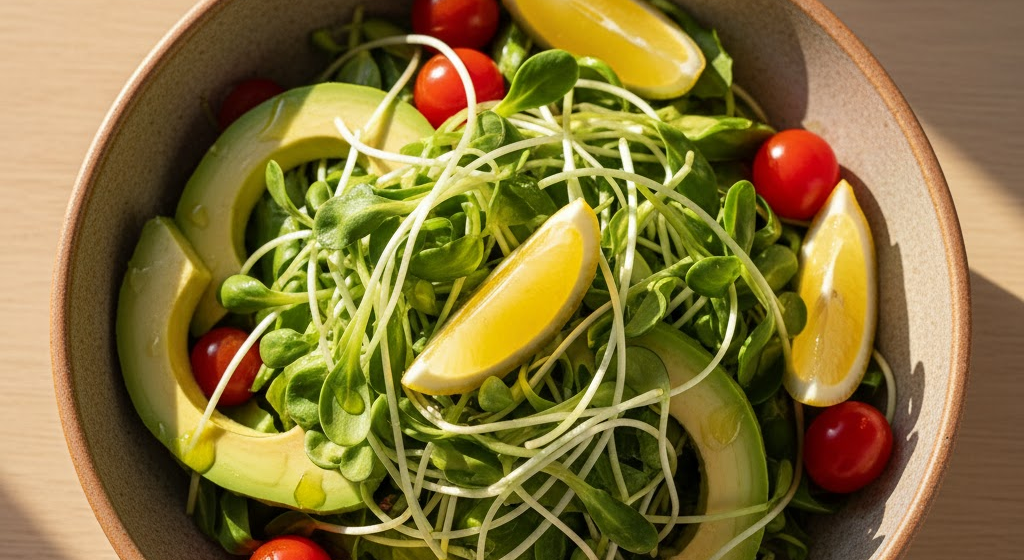
Start your morning with a green smoothie featuring broccoli sprouts blended with banana, spinach, and almond milk. This simple combination provides your body with a refreshing dose of vitamin C, chlorophyll, and antioxidants that help awaken tired skin and boost microcirculation. For lunch, try a colorful salad with sunflower sprouts, avocado, olive oil, and lemon juice — a perfect blend of healthy fats and phytonutrients that strengthen the lipid barrier and enhance elasticity.
In the evening, nourish your skin externally with a homemade sprout mask: blend a handful of alfalfa or mung bean sprouts with natural yogurt and honey, apply for 15 minutes, and rinse with cool water. The enzymes in sprouts gently exfoliate while honey locks in moisture, leaving your skin smooth and revitalized.
Consistency matters more than quantity. Make it a routine to include a handful of sprouts daily, whether through food or skincare. You can rotate between different types — broccoli, alfalfa, radish, or sunflower sprouts — to ensure a full spectrum of nutrients and antioxidants. For best results, combine these habits with sufficient sleep, hydration, and sun protection. Over several weeks, the skin’s tone, texture, and radiance begin to change gradually but noticeably, reflecting the harmony between inner nutrition and outer care.
Final Thoughts on Sprouts for skin: can sprouted seeds give you a fresh face?
In the world of natural skincare and holistic wellness, sprouted seeds for skin have earned their place as one of the most effective and accessible ways to achieve lasting radiance. Their true strength lies in simplicity — these tiny living foods provide a complete package of nutrients that nourish skin cells from the inside out. Unlike quick-fix cosmetic solutions, sprouts support deep, cellular rejuvenation by delivering antioxidants, amino acids, and enzymes that boost collagen, protect against oxidative stress, and encourage detoxification. When consumed or applied regularly, sprouts help restore balance, strengthen the skin barrier, and bring back that natural, luminous glow that reflects genuine health rather than superficial shine.
What makes sprouted seeds for glowing skin truly remarkable is their affordability and ease of use. They can be grown in any kitchen, harvested fresh within days, and integrated effortlessly into both meals and skincare routines. There’s no need for expensive creams or harsh treatments — sprouts embody the perfect harmony of nature and science. Their gentle yet potent action works gradually but consistently, revealing smoother texture, even tone, and a visibly healthier complexion. Beyond beauty, they also promote overall vitality, supporting digestion, immunity, and hormone balance — all of which are closely tied to the state of the skin.
Key takeaways for daily life:
- Eat mindfully: add a handful of broccoli, alfalfa, or sunflower sprouts to salads and smoothies every day.
- Nourish externally: use sprout-based masks weekly to gently exfoliate and hydrate the skin.
- Stay consistent: internal and external care together bring the best results for long-term, sustainable beauty.