

For anyone exploring NAD+ supplementation or therapy, the primary question often becomes: Can you really feel the effects of NAD+ or is it a placebo? This question strikes at the core of how humans perceive changes in their well-being and how biochemical changes translate into subjective experience. Many people who begin using NAD+ report a wide variety of effects, ranging from noticeable boosts in energy and mental clarity to improved mood, better sleep, and faster physical recovery. Some swear by the transformational nature of these effects, claiming they feel more alive, youthful, and vibrant. Others remain skeptical or feel no perceptible change, leading to a polarized discussion.
The subjective nature of these effects means that several factors come into play. For one, the placebo effect—the phenomenon where believing a treatment works can itself cause real perceived improvements—is powerful. This psychological influence can make people feel better simply because they expect to, even if the treatment has no direct physiological effect. This is why the gold standard of scientific testing uses double-blind, placebo-controlled trials to separate real biological benefits from placebo-induced changes.
Despite this, extensive biochemical and clinical research confirms that NAD+ supplementation leads to real, measurable changes inside cells. NAD+ is a fundamental molecule involved in critical cellular processes like energy production, DNA repair, and regulation of inflammation. Supplementing NAD+ precursors such as nicotinamide riboside (NR) or nicotinamide mononucleotide (NMN) can increase NAD+ levels in tissues, which is not just theoretical—it is measurable through blood and tissue tests.
However, whether these biochemical improvements translate into instantly noticeable changes depends on several personal and contextual factors. For example, people with low baseline NAD+ levels—such as the elderly or those with chronic illnesses—often experience more immediate and significant benefits. The route of administration is important too: intravenous NAD+ infusions deliver a high dose rapidly, often causing a swift perceived effect, whereas oral supplements act more slowly and gradually. Psychological factors like belief, mindset, and expectation modulate how strongly the effects are felt.
To truly grasp the complexities of the question “Can you really feel the effects of NAD+ or is it a placebo?”, it helps to keep in mind the interplay of these core factors:
- Baseline NAD+ Status: Individuals with depleted NAD+ tend to notice more dramatic effects.
- Delivery Method: Intravenous versus oral supplementation influences onset and intensity of perceived benefits.
- Psychological Expectation: Belief in the treatment’s efficacy amplifies subjective experience.

The Core Role of NAD+ in Cellular Health: Why It Matters So Much
When tackling the question “Can you really feel the effects of NAD+ or is it a placebo?”, it’s crucial to first understand what NAD+ actually does inside your body. NAD+ (Nicotinamide Adenine Dinucleotide) is not just a random molecule floating in your cells; it’s a vital coenzyme present in every living cell, playing a pivotal role in maintaining cellular health and overall vitality. It participates in hundreds of enzymatic reactions, the vast majority of which relate to the fundamental processes that keep cells alive and functioning properly.
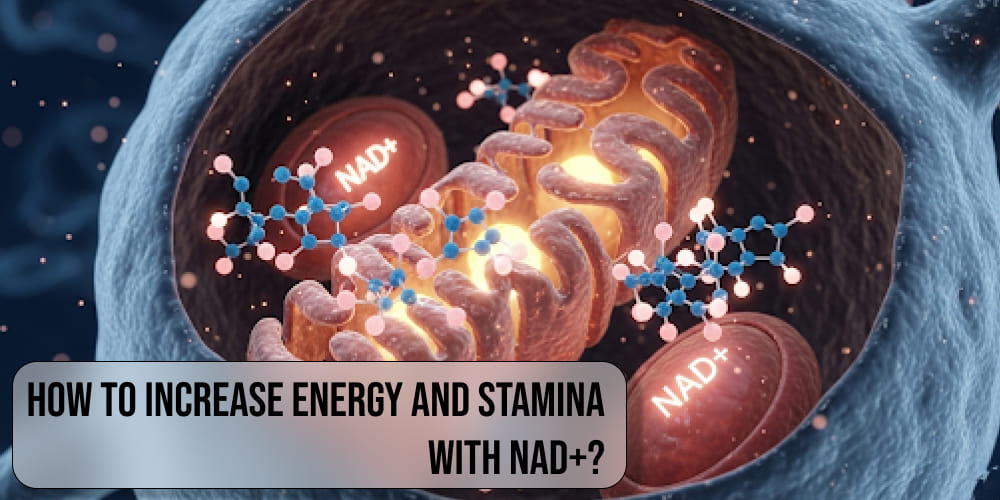
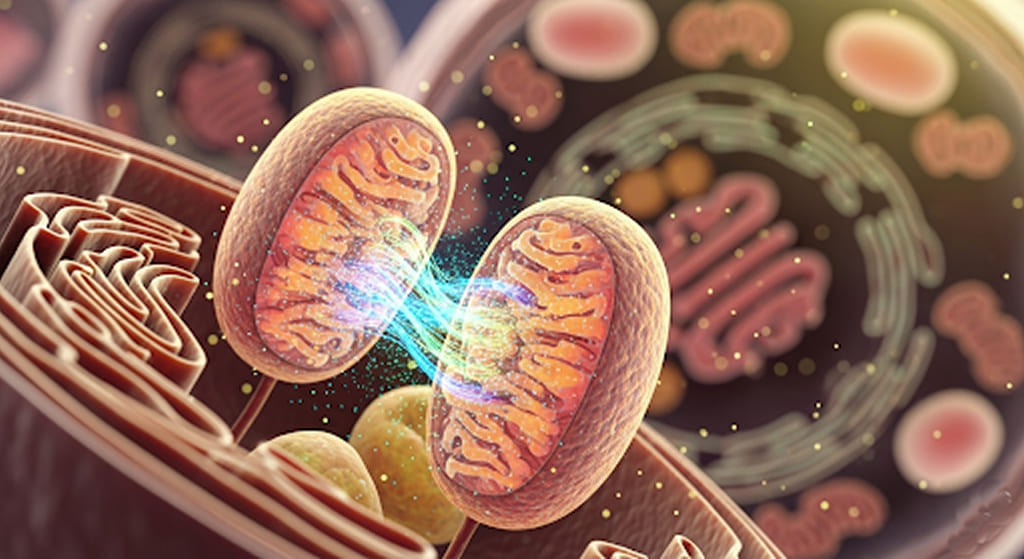
One of the most important roles of NAD+ is its involvement in cellular energy production. Every cell in your body relies on mitochondria, often called the “powerhouses” of the cell, to convert nutrients into usable energy in the form of ATP (adenosine triphosphate). NAD+ acts as an essential electron carrier during this process, shuttling electrons in the metabolic pathways that drive ATP synthesis. Without adequate NAD+, mitochondria cannot operate efficiently, which can cause a systemic energy shortfall manifesting as fatigue, sluggishness, and poor physical performance.
Beyond energy production, NAD+ is deeply involved in DNA repair and maintenance. Over time, DNA in cells accumulates damage from environmental stressors such as ultraviolet radiation, pollution, and natural metabolic byproducts. NAD+ fuels the enzymes known as PARPs (poly ADP-ribose polymerases) that detect and repair this DNA damage. Proper DNA repair is critical to maintaining genetic stability and preventing mutations that could lead to diseases like cancer. NAD+ also activates sirtuins—proteins that regulate aging, inflammation, and metabolic health. These sirtuins help control cellular stress responses, reduce chronic inflammation, and promote longevity by modulating gene expression.
Understanding these roles helps us appreciate why boosting NAD+ is considered a promising approach to improving healthspan and potentially lifespan. But the question remains: Can you really feel the effects of NAD+ or is it a placebo? Knowing the biochemical importance suggests that supplementing NAD+ could improve energy, cognitive function, and overall well-being, but individual experience varies widely.
- Energy Production: NAD+ is indispensable for mitochondrial ATP synthesis, powering every activity your cells undertake.
- DNA Repair: It activates key enzymes responsible for repairing cellular genetic damage, preserving genomic integrity.
- Inflammation Regulation: By supporting sirtuins, NAD+ helps control chronic inflammation, a major driver of aging and disease.

The Age-Related Decline of NAD+ and Its Profound Impact on Health
When considering “Can you really feel the effects of NAD+ or is it a placebo?”, it’s impossible to ignore how NAD+ levels naturally change over time. Scientific studies have consistently shown that NAD+ concentrations in the body decline significantly as we age. By the time most people reach their 50s or 60s, their NAD+ levels can be 50% or less compared to what they had in their youth. This decline correlates strongly with many of the symptoms and health challenges commonly associated with aging.
Why does NAD+ drop so dramatically with age? There are several biological mechanisms at work. One key factor is the reduced activity of enzymes that synthesize NAD+, including nicotinamide phosphoribosyltransferase (NAMPT). At the same time, the body experiences increased stressors that consume NAD+, such as chronic inflammation and DNA damage. These stressors activate NAD+-consuming enzymes like PARPs and CD38, which use up NAD+ to repair damage and regulate immune responses. Environmental factors such as poor diet, sedentary lifestyle, chronic stress, exposure to toxins, and insufficient sleep accelerate this depletion.
The consequences of declining NAD+ are broad and deeply impactful on cellular and systemic health. Reduced NAD+ means less energy is available, slowing down cellular functions and making you feel tired or mentally foggy. The decreased ability to repair DNA increases the risk of cellular mutations, which can lead to cancer and other age-related diseases. Lower NAD+ also impairs sirtuin activity, contributing to increased inflammation and metabolic dysregulation.
Because NAD+ depletion affects so many systems, it creates a vicious cycle of worsening health over time. Mitochondrial dysfunction, chronic inflammation, and genetic instability compound each other, leading to the typical signs of aging such as fatigue, cognitive decline, muscle weakness, and increased vulnerability to diseases like diabetes, cardiovascular problems, and neurodegeneration.
In addressing “Can you really feel the effects of NAD+ or is it a placebo?”, understanding this natural decline is essential. Those experiencing these symptoms related to low NAD+ may be the ones who notice the most pronounced benefits from supplementation or therapy.
The consequences of this NAD+ depletion can be seen as a cascade of deteriorating cellular and physiological processes:
- Mitochondrial dysfunction: As NAD+ levels drop, mitochondria lose efficiency in producing ATP, leading to less energy for cells. This is a key contributor to the pervasive fatigue many older adults experience, as well as reduced endurance and slower muscle recovery.
- Accumulated genetic instability: Insufficient NAD+ impairs the ability of DNA repair enzymes to fix damage, allowing mutations and cellular errors to build up. This can increase the risk of cancers and other age-related diseases.
- Chronic low-grade inflammation: Declining NAD+ leads to decreased sirtuin activity, which normally suppresses inflammatory pathways. The result is a state of persistent, mild inflammation (sometimes called “inflammaging”) that is linked to a host of chronic diseases including Alzheimer’s, arthritis, and heart disease.
How to Raise NAD+ Levels Naturally and Through Supplementation
When asking “Can you really feel the effects of NAD+ or is it a placebo?”, it’s important to understand the various methods available to increase NAD+ levels in the body. NAD+ itself cannot be taken directly in most cases, because it is not efficiently absorbed when ingested orally. Instead, the body relies on precursor molecules and lifestyle interventions to boost its NAD+ pool.
One of the most studied and popular ways to elevate NAD+ is through supplementation with NAD+ precursors, primarily Nicotinamide Riboside (NR) and Nicotinamide Mononucleotide (NMN). These molecules serve as building blocks for NAD+ and have been shown in numerous studies to safely and effectively increase NAD+ concentrations in the blood and tissues. Both NR and NMN supplements are widely available and generally well-tolerated, with ongoing research exploring optimal doses and long-term effects.
In addition to supplements, certain lifestyle strategies have been demonstrated to stimulate the body’s natural production and recycling of NAD+. Intermittent fasting and caloric restriction activate cellular pathways that increase NAD+ synthesis and sirtuin activity, promoting metabolic health and longevity. Regular physical exercise also enhances mitochondrial function and NAD+ metabolism, improving energy production and resilience.
A nutrient-rich diet plays a crucial role too. Foods high in vitamin B3 (niacin) and tryptophan — such as poultry, fish, mushrooms, peanuts, and green vegetables — provide essential nutrients that support NAD+ biosynthesis. Avoiding excessive alcohol, reducing exposure to toxins, and managing stress further help preserve NAD+ levels.
It’s also worth mentioning intravenous (IV) NAD+ therapy, which delivers NAD+ directly into the bloodstream. IV infusions can rapidly elevate NAD+ levels and are often used in clinical or wellness settings to produce more immediate effects on energy, cognitive clarity, and recovery. However, IV therapy requires medical supervision, tends to be costly, and lacks extensive long-term safety data.
To summarize how to raise NAD+ naturally or through supplementation, consider these three effective approaches:
- Supplementation with Precursors: Regular intake of NR or NMN supplements can steadily boost NAD+ levels over weeks and months.
- Lifestyle Practices: Engaging in intermittent fasting, maintaining a balanced diet rich in vitamin B3, and consistent exercise supports the body’s own NAD+ production.
- Medical Therapies: IV NAD+ infusions offer a rapid but more invasive method to increase NAD+ concentrations, usually under professional care.

What the Science Says About NAD+ Supplementation
When exploring “Can you really feel the effects of NAD+ or is it a placebo?”, it is crucial to dive into the scientific evidence behind NAD+ supplementation. Much of the excitement stems from promising results in animal studies where NAD+ restoration has led to remarkable improvements in various health markers.
In rodents, boosting NAD+ has been linked to enhanced mitochondrial function, better muscle endurance, improved cognitive performance, and even extended lifespan. These findings have generated hope that similar effects might be achievable in humans. However, translating these results to human biology is complex due to differences in metabolism, physiology, and environmental factors.
Human clinical trials so far show that oral supplementation with NR or NMN reliably increases NAD+ levels in blood and tissues. Some trials report improved insulin sensitivity, reductions in inflammation markers, and better cardiovascular function after sustained supplementation. These changes suggest that NAD+ precursors positively influence metabolic health and might mitigate some age-related decline.
Nonetheless, the research is still in early stages, and many questions remain unanswered. Scientists are particularly focused on:
- Long-Term Safety: Understanding whether chronic NAD+ supplementation poses any risks or unintended consequences is essential before broad recommendations can be made.
- Optimal Dosage and Formulation: Determining the most effective doses and delivery methods to maximize benefits without side effects remains an active area of study.
- Individual Response Variability: People differ in how their bodies absorb and utilize NAD+ precursors, meaning some experience stronger benefits while others notice little change.
Can You Actually Feel the Effects of NAD+?
At the heart of the discussion: “Can you really feel the effects of NAD+ or is it a placebo?” Many users report enhanced energy, sharper mental clarity, improved sleep quality, and faster physical recovery after starting NAD+ supplementation or IV therapy. These anecdotal experiences suggest that raising NAD+ can produce noticeable benefits.
However, it’s important to consider the placebo effect, which occurs when believing a treatment works leads to perceived improvements even without direct biological impact. Placebo effects are powerful and can complicate subjective evaluations of any supplement or therapy.
Scientific studies using double-blind, placebo-controlled designs are crucial to objectively assess whether NAD+ supplementation causes real, perceivable changes. Current evidence confirms NAD+ levels increase in the body with supplementation, and certain metabolic improvements occur. Yet, how these biochemical shifts translate into day-to-day feelings of vitality and well-being can vary.
The likelihood of truly feeling NAD+’s effects depends on several key factors:
- Baseline NAD+ Levels: Individuals with low initial NAD+ levels, such as older adults or those with chronic health conditions, tend to experience more dramatic improvements.
- Supplementation Method: IV NAD+ infusions usually provide a faster and more pronounced sensation of increased energy compared to oral precursors, which act gradually.
- Psychological Expectation: Belief and anticipation can amplify perceived benefits, making the placebo effect a relevant consideration in interpreting results.

Conclusion: Can You Really Feel the Effects of NAD+ or Is It a Placebo?
After a comprehensive review, the question “Can you really feel the effects of NAD+ or is it a placebo?” remains central to anyone considering NAD+ supplementation. The science clearly shows that NAD+ is indispensable for vital cellular processes such as energy production, DNA repair, and inflammation control. Supplementation with NAD+ precursors like NMN and NR effectively raises NAD+ levels, which in turn supports better metabolic and cellular function.
Many individuals report experiencing positive changes that answer the question, “Can you really feel the effects of NAD+ or is it a placebo?” in favor of genuine benefit. These improvements often include increased energy, enhanced mental clarity, and faster recovery. Such effects are especially pronounced in people with low baseline NAD+ levels, such as older adults or those with chronic health conditions. This suggests that, for many, the benefits of NAD+ supplementation extend beyond placebo.
However, because perception of effects varies widely, it is natural to wonder, “Can you really feel the effects of NAD+ or is it a placebo?” The truth is, the experience depends on several factors: individual health status, dosage, form of administration, and lifestyle. Additionally, the placebo effect may amplify perceived benefits, but it does not negate the real biochemical changes occurring in the body.
In conclusion, the question “Can you really feel the effects of NAD+ or is it a placebo?” reflects the nuanced reality of NAD+ supplementation. While placebo effects exist, the overwhelming body of evidence points toward authentic physiological benefits that many users can genuinely feel. NAD+ is not a quick fix, but when combined with healthy habits, it becomes a powerful ally in supporting longevity, energy, and cellular health.
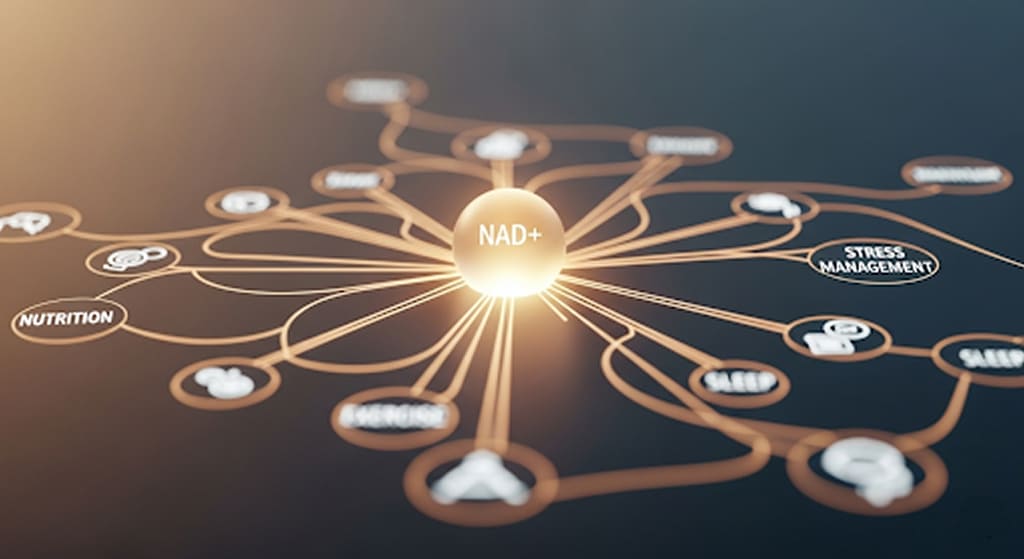
If you’re considering NAD+ supplements, remember the importance of a holistic approach. The answer to “Can you really feel the effects of NAD+ or is it a placebo?” is best realized when supplementation is paired with proper nutrition, regular physical activity, stress reduction, and quality sleep. Consulting healthcare professionals will further help tailor NAD+ use safely and effectively.
Ultimately, the ongoing research and growing community of users will continue to clarify “Can you really feel the effects of NAD+ or is it a placebo?” For now, the evidence strongly supports that NAD+ supplementation provides real, tangible benefits that many people can indeed feel — far beyond just placebo.
- Think of NAD+ supplementation as a long-term investment rather than an immediate solution.
- Pair supplementation with supportive lifestyle habits to enhance results.
- Consult healthcare professionals for personalized advice and monitoring.