
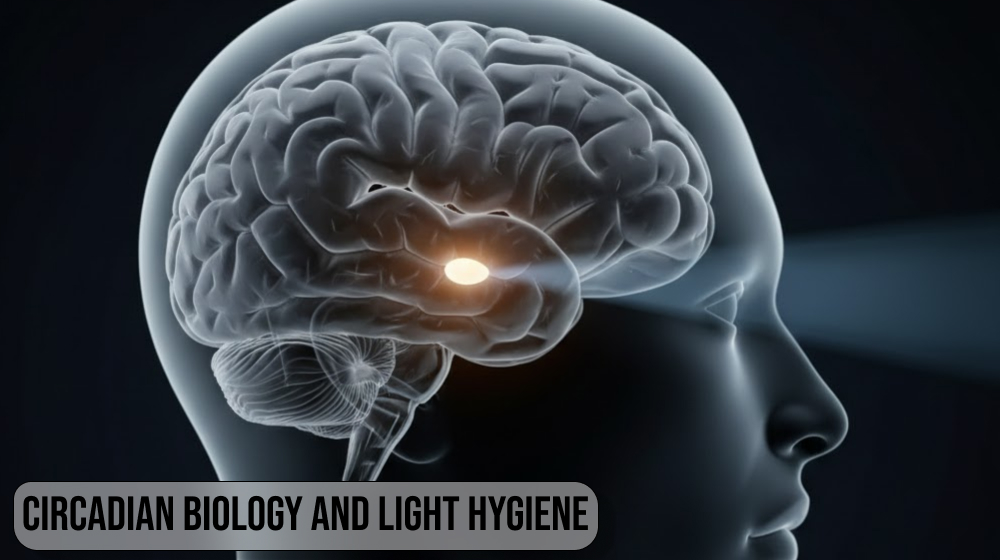
Circadian Biology and Light Hygiene. Light is the most influential environmental signal affecting circadian timing and biological synchronization. Specialized photoreceptors in the retina, known as intrinsically photosensitive retinal ganglion cells (ipRGCs), detect light independently of visual perception. These cells respond primarily to short-wavelength blue light and transmit signals directly to the suprachiasmatic nucleus. This direct neural pathway allows light exposure to reset the internal clock on a daily basis, even when a person is not consciously aware of the light source. Because of this mechanism, light timing has a stronger effect on circadian rhythms than physical activity, meals, or social schedules.
Morning light exposure plays a critical role in anchoring the circadian system. Bright light shortly after waking advances the circadian phase, increases cortisol at the appropriate time, and promotes sustained daytime alertness. In contrast, exposure to artificial light during the evening delays the circadian clock, suppresses melatonin, and reduces sleep pressure. Modern indoor environments often lack sufficient daytime brightness while providing excessive evening light, weakening circadian signals. This imbalance blurs the biological distinction between day and night and leads to chronic circadian misalignment.
- Blue light wavelengths strongly influence circadian timing
- Morning light exposure stabilizes the internal clock
- Evening light delays melatonin release
Melatonin Regulation and Nighttime Biology
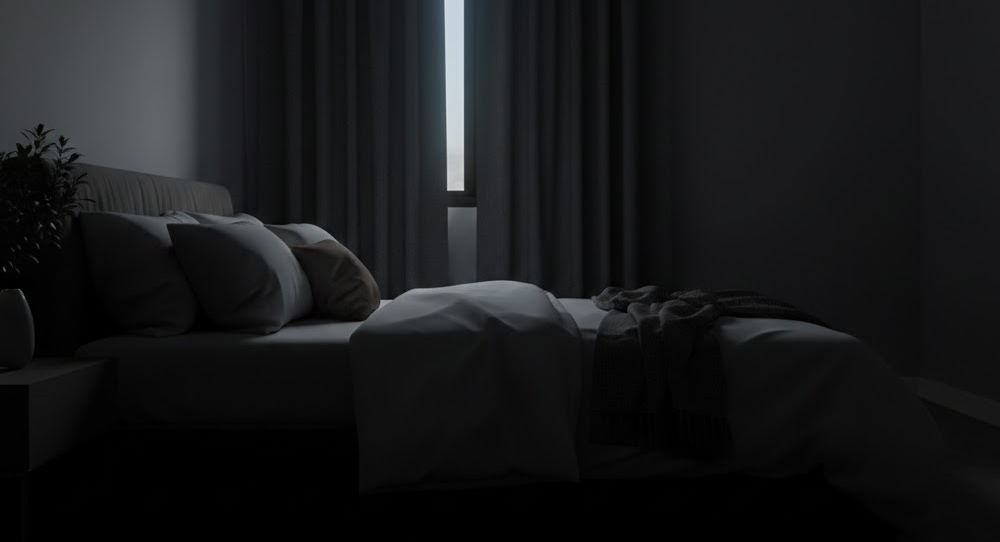
Melatonin is a hormone produced by the pineal gland that signals biological night to the body. Its release is tightly regulated by the circadian system and strongly inhibited by light exposure. Under natural conditions, melatonin levels begin to rise in the evening, peak during the night, and fall toward morning. This hormonal rhythm supports sleep initiation, lowers core body temperature, and coordinates nighttime repair processes. Proper melatonin regulation is essential not only for sleep quality but also for immune function and metabolic balance.
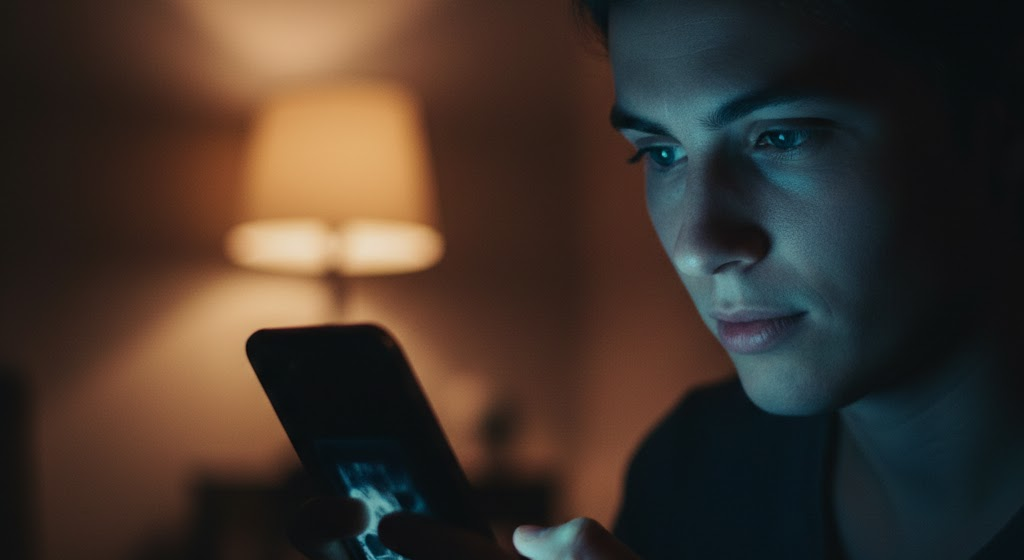
Artificial lighting after sunset interferes with this process by sending a false daytime signal to the brain. Even moderate indoor lighting can significantly suppress melatonin if exposure is prolonged. Blue-enriched light from screens is especially disruptive, as it directly targets circadian photoreceptors. Chronic suppression of melatonin alters sleep architecture, reduces deep sleep, and weakens the contrast between biological day and night. Over time, this disruption affects glucose metabolism, increases oxidative stress, and accelerates circadian aging.
- Melatonin secretion defines biological night
- Artificial evening light suppresses hormonal rhythms
- Nighttime darkness supports cellular recovery
Daytime Light Exposure and Energy Regulation
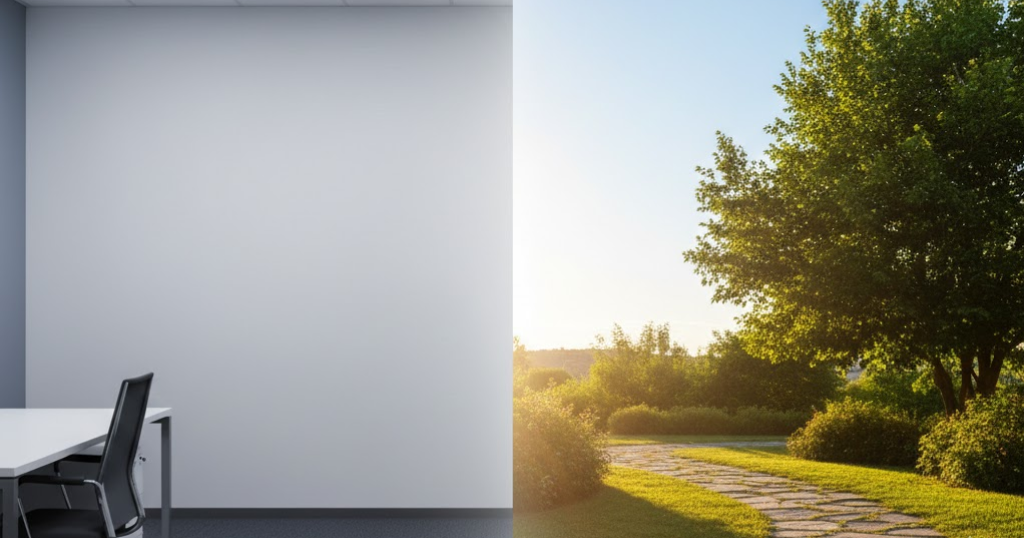
Strong daylight exposure during the morning and early afternoon is essential for maintaining circadian amplitude. Circadian amplitude refers to the strength of biological rhythms, including fluctuations in hormones, alertness, and body temperature. When daytime light exposure is insufficient, the circadian signal weakens, leading to fatigue, unstable energy levels, and reduced cognitive performance. Indoor lighting rarely reaches the intensity required to fully stimulate circadian pathways, even in well-lit offices.
Natural daylight provides not only higher intensity but also a broader spectrum that supports healthy circadian entrainment. Exposure to outdoor light improves mood, reaction time, and metabolic efficiency. Consistent daytime light also improves nighttime sleep by reinforcing the contrast between day and night. Without this contrast, the circadian system becomes less precise, making it harder to fall asleep and wake up consistently, even when total sleep time appears adequate.
Evening Light and Circadian Delay
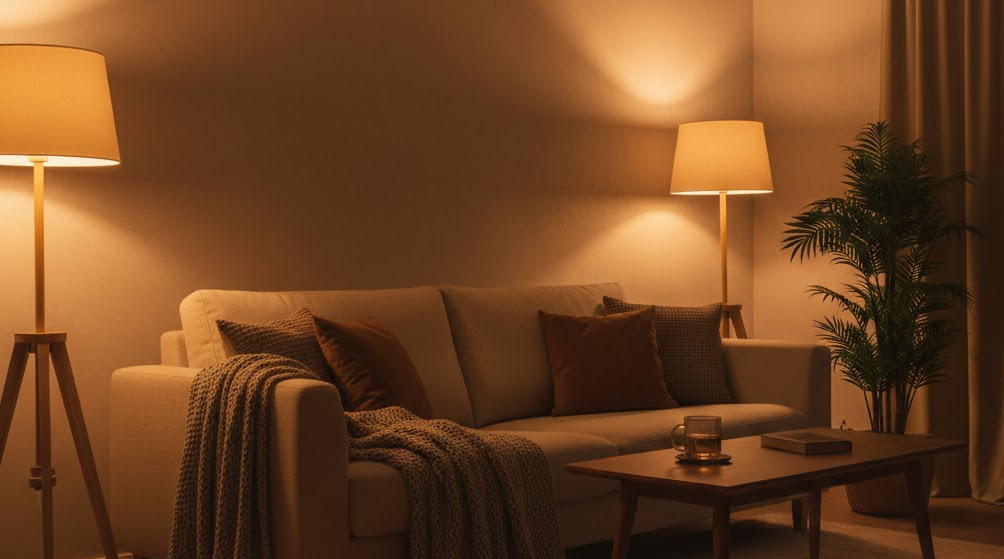
Evening light exposure has a particularly strong impact on circadian timing because it directly interferes with the biological transition from day to night. When light reaches the eyes after sunset, especially light rich in blue wavelengths, it sends a signal to the brain that daytime is continuing. This signal delays the circadian clock, shifts the onset of biological night, and suppresses the natural rise of melatonin. As a result, the body remains in a state of alertness longer than intended, even if physical fatigue is present. This mismatch between mental alertness and physical tiredness is a common sign of circadian delay.
Repeated exposure to evening light leads to a persistent shift in circadian phase. Sleep onset becomes later, sleep depth decreases, and morning wake-up becomes more difficult. Over time, circadian delay affects more than sleep timing. It alters hormone coordination, delays nighttime growth hormone release, and reduces overnight tissue repair. From a biohacking perspective, unmanaged evening light is one of the most underestimated disruptors of recovery. Effective light hygiene focuses on reducing both intensity and spectral content of light after sunset to allow the circadian system to enter nighttime mode naturally.
- Evening light exposure delays circadian phase
- Blue light suppresses melatonin production
- Reduced nighttime lighting supports recovery
Peripheral Clocks and Metabolic Health
In addition to the central clock in the brain, the body contains multiple peripheral circadian clocks located in organs such as the liver, pancreas, muscles, and gastrointestinal tract. These clocks regulate local processes, including glucose metabolism, insulin sensitivity, muscle protein synthesis, and digestive enzyme release. While the central clock is primarily synchronized by light, peripheral clocks respond to behavioral cues such as meal timing and physical activity. When these signals are coordinated, metabolic processes follow predictable and efficient daily patterns.
Circadian disruption occurs when central and peripheral clocks fall out of sync. Evening light exposure delays the central clock, while late-night eating or irregular schedules shift peripheral clocks independently. This internal desynchronization impairs metabolic flexibility and increases inflammation. Research links circadian misalignment to insulin resistance, weight gain, and reduced mitochondrial efficiency. Supporting circadian alignment through consistent light exposure patterns helps synchronize peripheral clocks indirectly, reinforcing metabolic stability and long-term health.
- Peripheral clocks regulate organ-specific timing
- Circadian misalignment disrupts metabolism
- Consistent light exposure supports synchronization

Light Hygiene as a Preventive Strategy
Light hygiene is the intentional regulation of light exposure to support circadian biology and long-term health. Unlike short-term interventions, light hygiene addresses the root signals that define biological time. The goal is to strengthen daytime signals while preserving darkness at night. Bright light exposure in the morning anchors the circadian clock, while reduced light exposure in the evening allows natural hormonal transitions to occur. This approach restores the contrast between day and night that modern environments often erase.
Effective light hygiene does not require complete darkness or extreme lifestyle changes. Gradual adjustments, such as dimming indoor lighting after sunset and avoiding bright screens late at night, can significantly improve circadian stability. Over time, these changes reduce sleep latency, improve sleep depth, and stabilize energy levels throughout the day. Light hygiene is a foundational biohacking practice because it enhances recovery without adding physiological stress.
- Light hygiene practices restore circadian signals
- Morning brightness anchors the internal clock
- Evening darkness protects hormonal rhythms

Long-Term Effects of Circadian Disruption
Chronic circadian disruption accumulates gradually, often without immediate symptoms. Small daily delays in sleep timing or inconsistent light exposure can compound over months and years. This cumulative misalignment increases the risk of metabolic disorders, cardiovascular disease, and mood dysregulation. Circadian disruption also reduces stress resilience by keeping the nervous system in a prolonged state of activation, limiting effective recovery.
From a performance perspective, disrupted circadian rhythms impair attention, reaction time, and emotional regulation. Even when total sleep duration appears sufficient, poor circadian alignment reduces sleep efficiency and cognitive clarity. Supporting circadian health through proper light management helps stabilize biological rhythms and reduces long-term physiological load. Preventive circadian care is increasingly recognized as a key factor in sustainable health optimization.
- Circadian disruption increases chronic disease risk
- Misalignment reduces cognitive performance
- Light management supports long-term resilience

Final Thoughts on “Circadian Biology and Light Hygiene”
Understanding circadian biology changes the way light is perceived in everyday life. Light is not only a tool for visibility; it is a biological signal that continuously programs the nervous system, hormones, and metabolism. When light exposure follows natural timing, the body maintains clear boundaries between activity and recovery. When this timing is distorted, even subtly, the circadian system loses precision. This loss does not usually cause immediate symptoms, but it gradually affects sleep quality, energy stability, and long-term resilience.
Modern environments create a unique challenge for circadian health. Indoor lifestyles reduce daytime light intensity, while artificial lighting extends brightness deep into the evening. This combination weakens circadian amplitude and delays biological night. Over time, the body adapts to a state of constant ambiguity, where signals for alertness and rest overlap. Restoring clear light cues is one of the most effective ways to reestablish biological order without relying on stimulants or sleep aids.
Light hygiene stands out because it works upstream of many other health interventions. Proper light exposure improves the effectiveness of nutrition timing, physical training, and cognitive work by aligning them with internal rhythms. It also supports natural melatonin production, deeper sleep stages, and more predictable energy cycles during the day. Unlike complex protocols, light hygiene is sustainable and adaptable to different lifestyles.
From a biohacking perspective, circadian optimization is not about perfection but consistency. Small, repeated improvements in light exposure patterns compound into meaningful physiological benefits. Prioritizing morning brightness, protecting evening darkness, and maintaining regular schedules reinforce the body’s innate ability to self-regulate. In this sense, circadian biology provides a foundation rather than a shortcut. When biological time is respected, the body requires fewer interventions to perform well and recover efficiently.
- Circadian alignment supports long-term health
- Light hygiene enhances natural regulation
- Consistent light timing improves resilience