
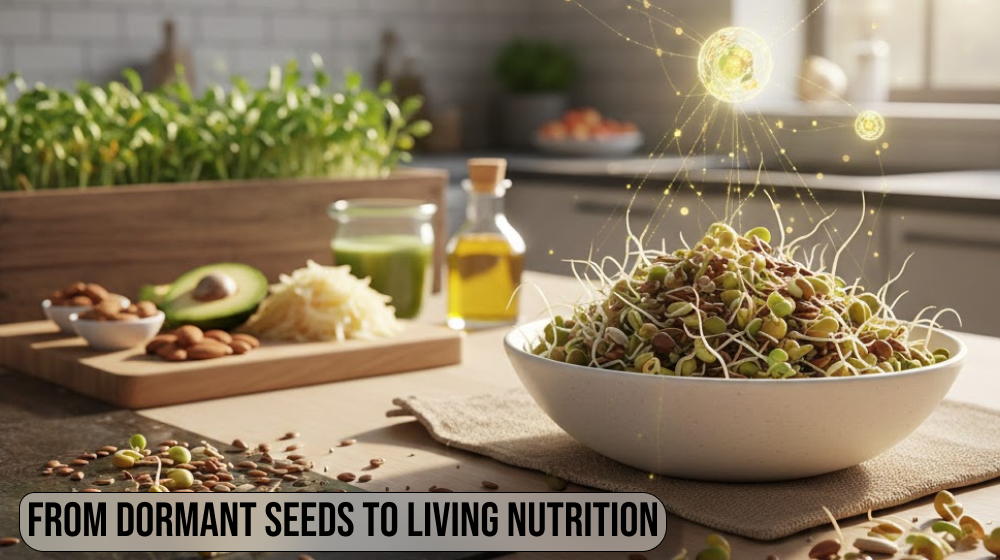
From Dormant Seeds to Living Nutrition. Dormant seeds often appear lifeless, but from a biological and nutritional perspective they are highly sophisticated systems designed to preserve life. Inside each seed exists a complete genetic blueprint, energy reserves, enzymes in an inactive state, and protective layers that ensure survival in extreme conditions. Seed dormancy allows plant life to pause growth when environmental factors such as moisture, temperature, or oxygen are unfavorable. During this period, metabolic activity is reduced to an absolute minimum, conserving resources and preventing structural damage. This controlled biological pause can last for months or even years without degrading the seed’s internal potential.

From the standpoint of nutrition and bioavailability, dormant seeds represent stored potential rather than active nourishment. They contain proteins, complex carbohydrates, fats, minerals, and trace elements, but most of these nutrients are chemically bound and metabolically inactive. Anti-nutrients, such as phytic acid and enzyme inhibitors, play a protective role by preventing oxidation and microbial breakdown. While dormant seeds can technically be consumed, the human digestive system struggles to access their full nutritional value. The transformation into living nutrition begins only when dormancy ends and internal biological processes restart.
Key characteristics of dormant seeds include:
- Minimal enzymatic and metabolic activity
- Nutrients locked in stable storage forms
- Protective compounds preserving long-term viability

Hydration as the Biological Trigger for Living Nutrition
Water is the most critical factor in transforming dormant seeds into living nutrition. When a seed absorbs water, its tissues swell and soften, allowing oxygen to enter and cellular movement to resume. This process, known as imbibition, signals that environmental conditions are safe for growth. Respiration restarts, and genes responsible for enzyme production and cellular repair are activated. This transition is tightly regulated to prevent damage while ensuring efficient metabolic reactivation.
Hydration also marks the first nutritional upgrade. Digestive enzymes begin to awaken, initiating internal processes similar to pre-digestion. Starches start breaking down into simpler sugars, storage proteins become accessible, and lipid reserves begin mobilization. At the same time, hydration weakens mineral-binding anti-nutrients, improving absorption potential. Even without visible sprouting, hydrated seeds already offer improved digestibility and nutrient efficiency compared to dry seeds, making hydration a crucial step toward living nutrition.

Enzymatic Conversion: Unlocking Stored Nutrients
Once hydration stabilizes internal conditions, enzymes become the central drivers of transformation. Amylase enzymes convert stored starch into glucose, providing immediate energy for metabolic activity. Protease enzymes break down compact storage proteins into individual amino acids, while lipase enzymes release fatty acids from lipid reserves. These enzymatic reactions are precisely timed and genetically programmed to support rapid growth without waste.
For human nutrition, this enzymatic conversion is fundamental. Nutrients shift from inactive storage compounds into biologically active and absorbable forms. Amino acid profiles become more complete, carbohydrates are easier to digest, and fats become more functional at the cellular level. Enzyme-driven metabolism also stimulates the production of new micronutrients, especially B-complex vitamins, which are essential for energy production, nervous system health, and metabolic regulation.
Enzymatic activation leads to:
- Higher-quality protein availability
- Improved carbohydrate digestion and stability
- Increased vitamin and cofactor synthesis

Anti-Nutrient Breakdown and Mineral Bioavailability
Anti-nutrients are essential for seed survival but represent one of the main barriers to efficient human nutrition. Compounds such as phytic acid, lectins, and enzyme inhibitors protect dormant seeds by binding minerals and slowing metabolic reactions. This defensive mechanism prevents oxidation and nutrient loss during long storage periods. However, in the human digestive system, these same compounds significantly reduce the absorption of critical minerals, including calcium, iron, zinc, and magnesium, which are essential for bone health, oxygen transport, and enzymatic reactions.
During germination, the seed no longer requires these protective mechanisms. Enzymes such as phytase are activated and begin breaking down phytic acid into simpler molecules. As a result, bound minerals are released into forms that the human body can recognize and absorb efficiently. This transformation dramatically improves mineral bioavailability and reduces digestive irritation often associated with raw seeds. From a biohacking perspective, this shift is crucial because mineral efficiency directly influences energy production, hormonal balance, and nervous system function.
Sprouting and the Rise of Living Compounds
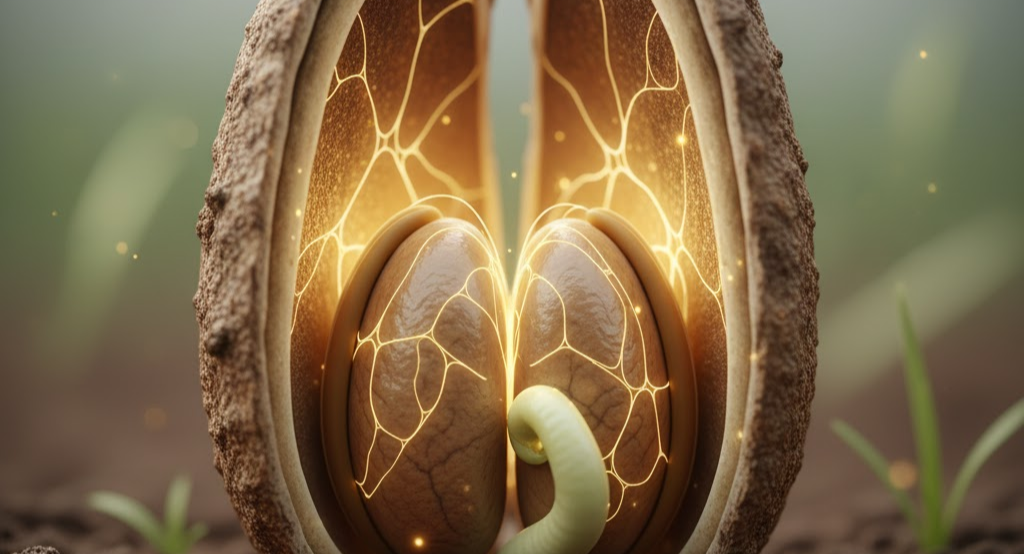
As germination progresses into visible sprouting, the seed transitions from internal activation to outward biological expression. At this stage, the young plant begins synthesizing compounds necessary for survival in an exposed environment. Levels of antioxidants, flavonoids, polyphenols, and chlorophyll increase rapidly. These compounds protect the sprout from oxidative stress, ultraviolet radiation, and microbial threats, while also supporting structural growth and cellular signaling.
For human nutrition, sprouting represents the true emergence of living nutrition. Antioxidants neutralize free radicals, polyphenols support inflammatory regulation, and chlorophyll contributes to detoxification pathways and blood oxygenation. Fresh sprouts also contain active plant enzymes that may support digestion when consumed raw. This stage delivers nutrients in their most biologically dynamic and functional form, making sprouted seeds nutritionally distinct from both dormant and merely soaked seeds.
Sprouting enhances:
- Antioxidant and phytochemical density
- Production of biologically active plant compounds
- Natural enzymatic support for digestion

Digestive Efficiency and Metabolic Stability
Activated and sprouted seeds significantly improve digestive efficiency by reducing the physiological workload required to extract nutrients. During germination, the seed’s own enzymes partially break down proteins, carbohydrates, and fats, effectively performing a form of natural pre-digestion. As a result, the human digestive system requires less stomach acid, fewer pancreatic enzymes, and reduced bile secretion to process the food.
This leads to faster gastric emptying, smoother intestinal transit, and improved nutrient absorption. For individuals with sensitive digestion, compromised gut function, or high metabolic demands, this reduction in digestive stress is especially valuable. Unlike dormant or highly processed foods, activated seeds deliver nutrients in forms that align more closely with human digestive capacity, minimizing bloating, heaviness, and post-meal fatigue while maximizing nutrient uptake efficiency.
From a metabolic perspective, living nutrition derived from activated seeds supports metabolic stability rather than short-term energy spikes. Pre-digested carbohydrates are absorbed more gradually, helping stabilize blood glucose levels and reduce insulin fluctuations. This is critical for metabolic health, cognitive clarity, and sustained physical performance. Improved protein availability supports muscle repair, enzyme production, and neurotransmitter synthesis without overwhelming nitrogen metabolism.
In biohacking and performance-oriented nutrition, this translates into more predictable energy output, improved recovery, and reduced inflammatory stress. By lowering the energy cost of digestion and improving nutrient partitioning, activated seeds contribute to a metabolic environment optimized for efficiency, resilience, and long-term balance.

Final Thoughts: “From Dormant Seeds to Living Nutrition”
The journey from dormant seeds to living nutrition represents one of the most remarkable examples of nature’s precision and efficiency. Dormant seeds store incredible potential in a compact, protected form, preserving proteins, carbohydrates, fats, vitamins, minerals, and trace elements in a way that ensures survival across harsh environmental conditions. However, in their dormant state, these nutrients are largely inaccessible to the human body. Anti-nutrients, enzyme inhibitors, and tightly bound starches limit the bioavailability of essential minerals and proteins.
Only through processes like hydration, germination, and sprouting do seeds transform into nutrient-dense, biologically active foods that provide functional support at both metabolic and cellular levels. This transformation not only enhances digestibility but also increases the concentration of antioxidants, polyphenols, and plant-based enzymes that actively support human health.
From a practical perspective, incorporating activated seeds into modern diets offers a multitude of benefits. The enzymatic activity developed during sprouting pre-digests macronutrients, reducing gastrointestinal strain and improving nutrient uptake. Carbohydrates are converted into simpler sugars for gradual energy release, proteins into amino acids for optimal tissue repair, and fats into fatty acids ready for cellular use. Minerals such as calcium, iron, magnesium, and zinc are liberated from anti-nutrient complexes, supporting enzymatic reactions, bone health, and metabolic efficiency.
Additionally, sprouts contain bioactive compounds that help regulate inflammation, neutralize oxidative stress, and promote detoxification processes. This combination of pre-digested macronutrients, bioavailable minerals, and functional phytochemicals makes living nutrition from sprouted seeds a powerful tool for biohackers, athletes, and health-conscious individuals seeking maximum nutrient efficiency.
Beyond individual nutrients, living nutrition aligns with modern approaches to functional and preventive health. Unlike processed foods stripped of enzymatic activity and micronutrient complexity, sprouted seeds deliver compounds in forms that the human body can recognize and utilize immediately. This natural alignment improves energy management, supports cognitive performance, and strengthens overall metabolic resilience. Incorporating these foods into a balanced diet ensures not just calorie intake, but true cellular nourishment, optimizing mitochondrial function, immune response, and enzymatic efficiency. From a biohacking standpoint, living nutrition provides both short-term functional support and long-term health benefits by reducing digestive energy expenditure and maximizing nutrient signaling pathways.
Finally, understanding the step-by-step transformation from dormant seeds to living nutrition reinforces the importance of preparation and dietary choices. Simple techniques such as soaking, sprouting, and lightly activating seeds unlock hidden nutritional potential without chemical enhancement or artificial fortification. This approach encourages the consumption of foods in their most biologically relevant state, bridging the gap between nature’s design and human metabolic needs. As the modern diet often relies on convenience and processed alternatives, incorporating sprouted, enzyme-rich, bioavailable seeds represents a practical, sustainable strategy for health optimization. By embracing living nutrition, individuals can access a dense, functional, and highly absorbable source of energy, minerals, and phytochemicals, supporting both immediate metabolic needs and long-term wellness goals.
Key takeaways from living nutrition include:
- Maximized nutrient bioavailability through sprouting and enzymatic activation
- Enhanced digestive efficiency and metabolic stability
- Functional cellular support for energy, immunity, and overall resilience