
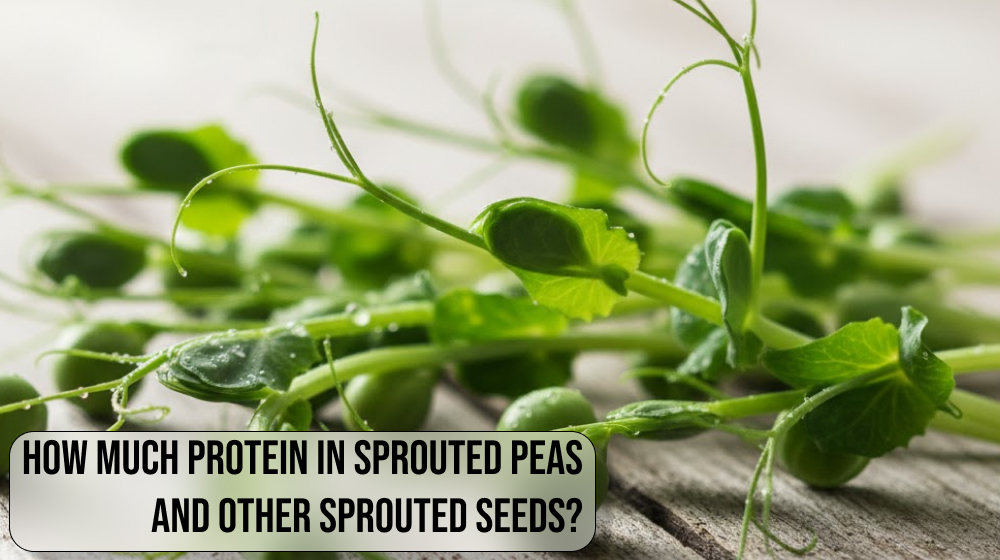
How much protein in sprouted peas and other sprouted seeds? When seeds begin to germinate, something remarkable happens inside them. Dormant nutrients awaken, enzymes activate, and stored energy transforms into living nutrition. The protein in sprouted peas and other sprouted seeds becomes more accessible, meaning your body can absorb and use it more efficiently than from raw or cooked legumes. During this short germination period, enzymes break down complex storage proteins into simpler amino acids and peptides, dramatically improving digestibility and biological value. It’s one of the reasons why sprouted foods have become a staple among athletes, vegetarians, and anyone seeking cleaner, plant-based nutrition.
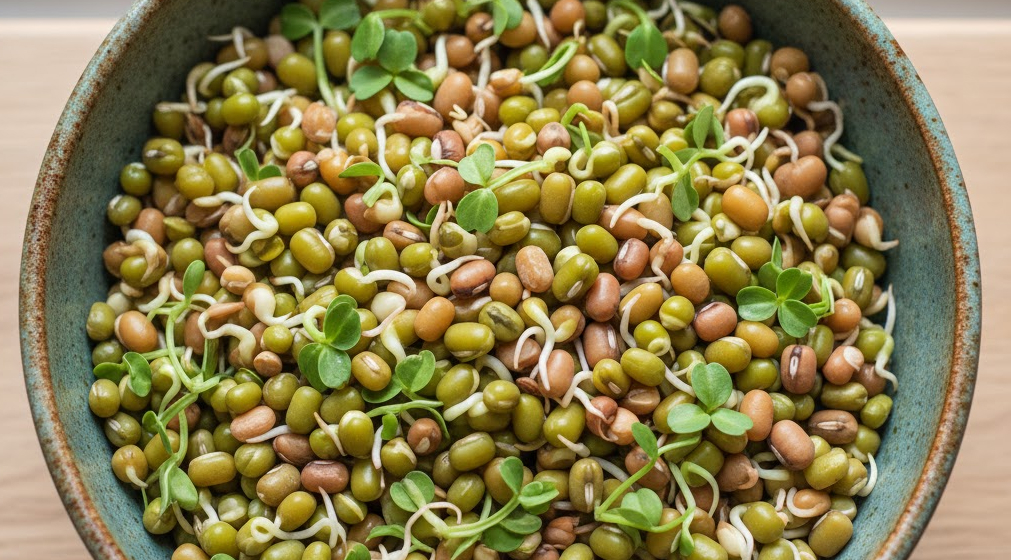
Another advantage is that sprouting reduces anti-nutrients such as phytic acid and lectins — compounds that normally block mineral absorption and make legumes harder to digest. As a result, sprouted peas not only deliver more bioavailable protein content, but also allow your system to absorb vitamins B6, C, and folate far better. Essentially, each sprout becomes a tiny biochemical factory that converts potential energy into immediate nourishment, supporting metabolism, energy, and recovery without heaviness.
- Enhances amino acid bioavailability
- Reduces anti-nutrients for better absorption
- Boosts vitamin and mineral utilization
Why Sprouted Peas Stand Out Among Plant Proteins
Among all sprouted seeds, sprouted peas hold a special place due to their balance of amino acids and high protein yield. When dry peas germinate, their protein content can reach up to 25–28% of dry mass — a figure that rivals some animal-based sources. This makes them a top choice for crafting plant protein powders, shakes, and meal replacements. The germination process also increases the levels of lysine and arginine, amino acids that are essential for building lean muscle and maintaining cardiovascular health. For those following vegan or flexitarian diets, sprouted peas offer a nutrient-dense, allergen-friendly option without sacrificing performance.
Additionally, sprouting reduces starch and enhances fiber content, creating a low-glycemic food that supports stable energy levels throughout the day. Their mild taste makes sprouted peas ideal for everyday use — in soups, smoothies, baked goods, or even savory spreads. Thanks to their neutral flavor and easy digestibility, they’ve become a foundation of many high-quality plant protein supplements used in biohacking and performance nutrition.
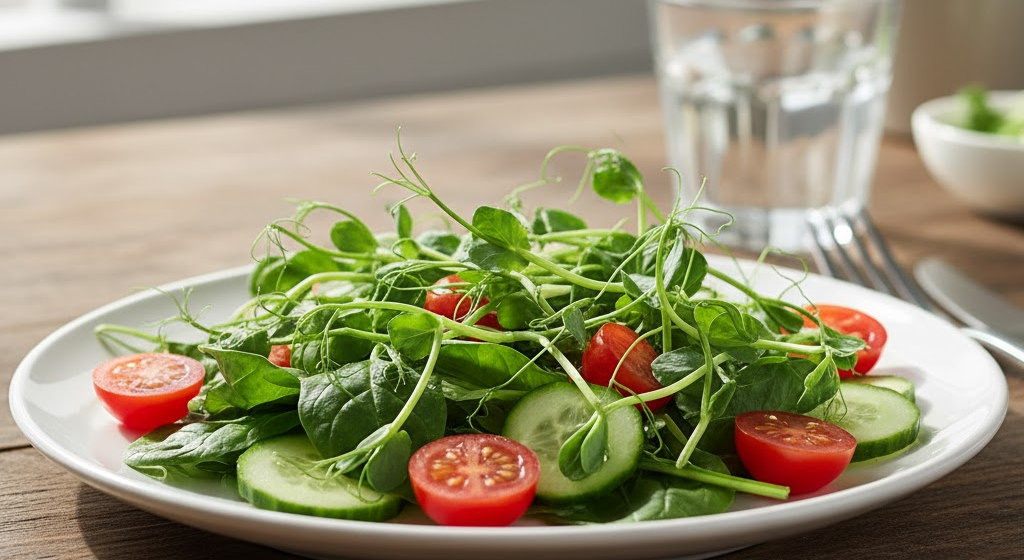
Comparing Protein in Different Sprouted Seeds
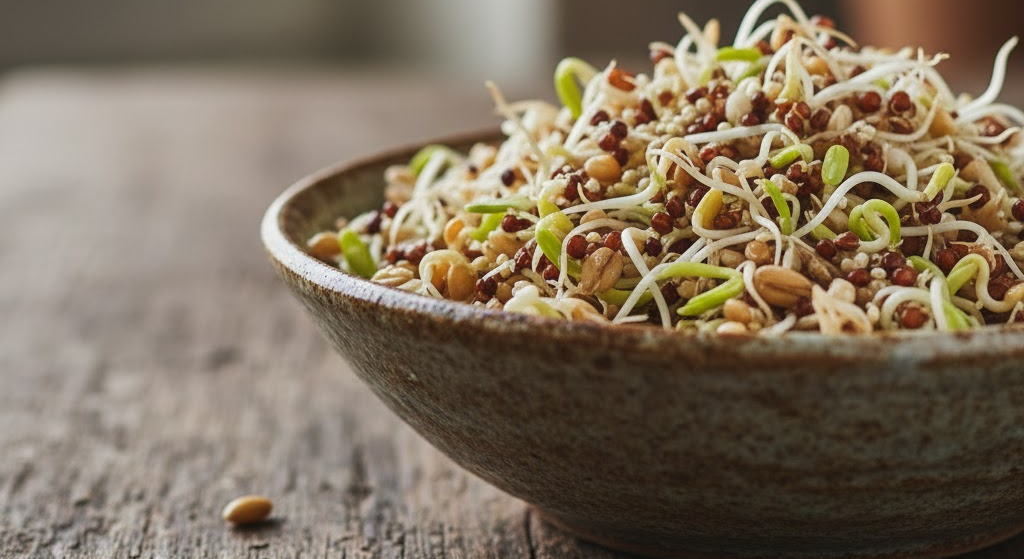
While protein in sprouted peas is impressive, other sprouted seeds deserve attention too. Sprouted lentils contain about 26% protein, mung beans around 24%, and quinoa provides a complete amino acid profile with roughly 22% protein. Each type of sprout offers unique benefits: lentils are excellent for sustained energy, mung beans are rich in folate and magnesium, and quinoa stands out as one of the few plant sources that contain all nine essential amino acids. Depending on personal goals — muscle gain, endurance, or general wellness — it’s worth including several sprouted varieties in your diet for nutritional diversity.
Still, sprouted peas often outperform other sprouts in digestibility and versatility. Their neutral flavor and creamy texture allow them to blend easily into both savory and sweet meals. From a biohacker’s perspective, pea sprouts strike an ideal balance between high protein content, low glycemic impact, and excellent gut tolerance — something not every sprouted seed can offer.
- Lentils: ~26% protein, supports sustained energy
- Mung beans: 24% protein, rich in folate and fiber
- Quinoa: 22% protein, complete amino acid spectrum
How Sprouting Enhances Protein Structure
The science behind sprouting shows how the process directly impacts protein structure and nutrient value. When peas or seeds begin to sprout, enzyme systems activate to support plant growth. Proteases — enzymes that break down proteins — start converting storage proteins into amino acids and small peptides. This transformation is key: it makes the protein in sprouted peas more bioavailable and digestible, meaning the body can absorb and utilize it quickly without digestive strain. This is especially valuable for athletes and people optimizing nutrient timing around workouts.
Moreover, sprouting boosts levels of digestive enzymes like amylase and lipase, which help break down carbohydrates and fats. This synergy turns sprouted seeds into a complete, living food that supports better nutrient absorption across the board. Regular consumption can improve metabolism, stabilize blood sugar, and enhance overall digestive comfort — all while increasing protein efficiency and energy output.
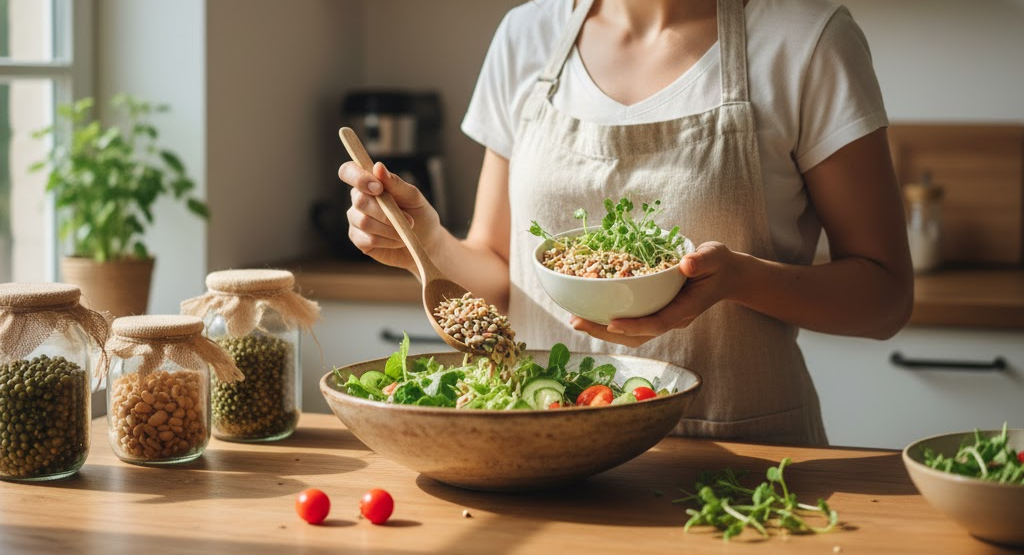
Health Benefits of Protein in Sprouted Seeds
The protein in sprouted seeds is not only a building block for muscles — it is a complex nutritional system that supports nearly every essential function of the body. Unlike heavily processed protein isolates, sprouted peas and lentils offer a whole-food source of amino acids, fiber, enzymes, and micronutrients that work synergistically to nourish cells. When seeds germinate, their dormant enzymes become active, allowing nutrients to be absorbed more efficiently. This means that the protein content in sprouts is not just higher in quality but also easier to digest and metabolize. For athletes, this translates to faster recovery and better endurance. For those seeking longevity or weight management, it means steady energy without blood sugar spikes or inflammation.
From a biological standpoint, sprouted seed protein supports hormone regulation, tissue regeneration, and immune system balance. The amino acids lysine, arginine, and glutamine found in sprouted peas are key for collagen synthesis, muscle maintenance, and gut repair. Beyond protein, sprouting boosts antioxidant compounds like polyphenols, flavonoids, and vitamin C — elements that help neutralize free radicals and slow cellular aging.
Regular consumption of sprouted seeds has also been linked to reduced markers of oxidative stress, better cardiovascular health, and improved brain function. Their prebiotic fiber feeds beneficial gut bacteria, enhancing digestion and strengthening the gut-brain axis, which influences mood and mental clarity. This combination of clean plant protein and active enzymes turns sprouts into a true functional food that works with your body rather than against it.
- Promotes muscle repair, collagen synthesis, and metabolic balance
- Reduces inflammation and oxidative stress for longevity and recovery
- Supports gut health and strengthens the immune and nervous systems
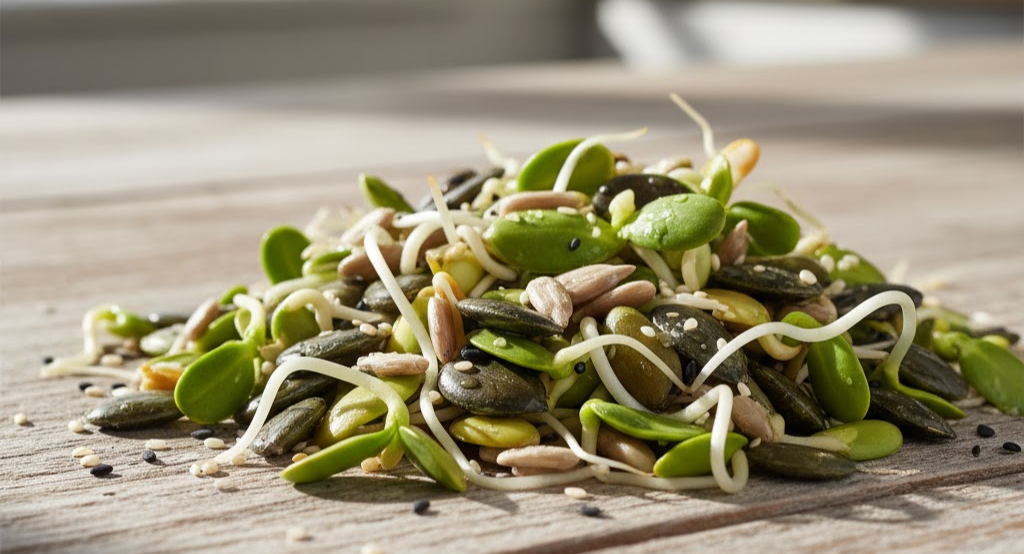
How to Add Sprouted Peas and Seeds to Your Diet
Integrating sprouted peas and other sprouted seeds into a daily nutrition plan is one of the simplest ways to enhance the overall protein content of your meals without relying on processed supplements or animal products. The great advantage of sprouts lies in their versatility: they can be enjoyed fresh, cooked, or powdered. Fresh sprouts make an excellent base for salads, adding a crisp texture and a nutty flavor that pairs perfectly with vegetables and dressings.
Cooked lightly, they enrich soups, curries, and stews with easily digestible protein. Because sprouted peas have a neutral, mild taste, they combine effortlessly with both savory and sweet dishes. From a biohacker’s perspective, this adaptability makes them a strategic food for optimizing nutrient density throughout the day.
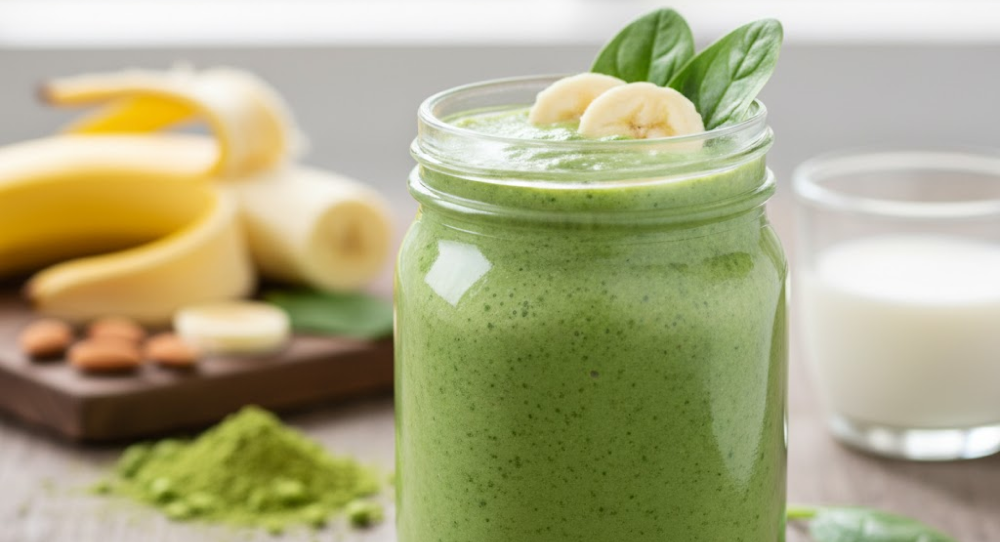
For those who prefer convenience or have a fast-paced lifestyle, sprouted pea protein powder offers a concentrated, digestible, and allergen-free protein boost. One scoop mixed into a smoothie, oatmeal, or plant-based yogurt provides steady energy without bloating or heaviness — unlike many conventional protein powders. It’s also an excellent option for individuals with sensitivities to soy, dairy, or gluten. When combined with fruits, leafy greens, or plant milks, sprouted seed protein contributes to muscle recovery, brain function, and balanced blood sugar levels.
Cooking or blending doesn’t destroy their core nutrients, since most enzymes and amino acids remain active at moderate temperatures. To enhance absorption of minerals like iron and zinc, it’s best to pair sprouts with foods rich in vitamin C, such as citrus, kiwi, or bell pepper. With consistent use, sprouted peas become a steady foundation of functional nutrition — supporting metabolism, digestion, and cellular energy.

Final Thoughts on how much protein in sprouted peas and other sprouted seeds?
Incorporating sprouted peas and other sprouted seeds into your diet is one of the most effective ways to boost plant-based protein content while also improving overall nutrient absorption and digestive comfort. Sprouting transforms ordinary seeds into living, nutrient-rich foods, making proteins more digestible, amino acids more available, and vitamins and minerals easier to assimilate. Whether consumed fresh, lightly cooked, or as a concentrated sprouted pea protein powder, these foods deliver a combination of high-quality protein, fiber, and enzymes that support metabolic health, muscle repair, and cellular regeneration.
Beyond pure nutrition, the protein in sprouted seeds provides functional benefits that impact energy levels, gut health, and cognitive performance. Regular inclusion of sprouts in meals can help maintain stable blood sugar, reduce inflammation, and enhance antioxidant defenses, offering a holistic approach to well-being. For athletes, biohackers, and health-conscious individuals alike, sprouted peas represent a versatile and practical source of plant protein that fits seamlessly into a variety of dishes — from smoothies and salads to soups and grain bowls.
In summary, choosing sprouted seeds over regular dry legumes or processed protein sources ensures that you are not just eating protein — you are consuming a nutrient-dense, bioactive food designed for maximum absorption and functional benefits. Their unique combination of digestibility, amino acid balance, and living enzymes makes them an indispensable part of any diet aimed at optimizing health, performance, and longevity. By making sprouts a daily habit, you are investing in a sustainable, effective, and natural source of plant-based protein.
- Supports muscle growth and tissue repair naturally
- Enhances digestion, nutrient absorption, and metabolic efficiency
- Provides sustained energy with functional health benefits