
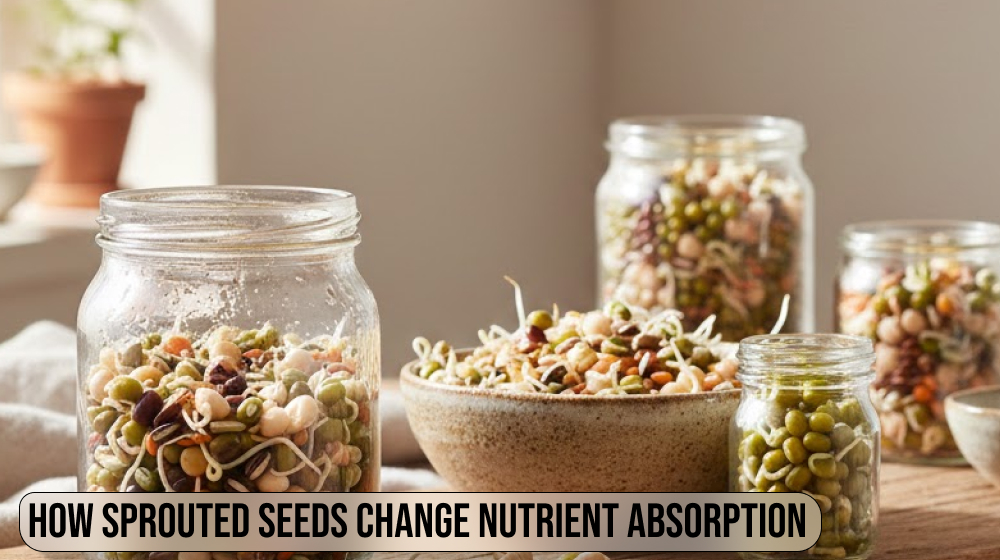
How Sprouted Seeds Change Nutrient Absorption. Sprouted seeds are seeds that have been soaked and allowed to germinate, triggering a natural biological transformation. This process activates growth mechanisms inside the seed, fundamentally changing how nutrients are stored and released. From a nutritional and biohacking perspective, this is where nutrient absorption begins to improve. The seed shifts from a dormant survival state to an active growth state, making its nutrients more accessible to the human digestive system.
In unsprouted seeds, many nutrients are locked behind protective compounds designed to preserve the seed until ideal growing conditions appear. These compounds, while useful for plants, often interfere with human digestion. Sprouting breaks down these barriers step by step. As enzymes activate and internal structures soften, vitamins, minerals, and amino acids become easier for the body to absorb. This is why sprouted seeds are often described as more “bioavailable” than raw seeds.
Key early changes that improve nutrient absorption include:
- Activation of natural enzymes inside the seed
- Reduction of digestion-resistant compounds
- Transformation of nutrients into absorbable forms
By initiating digestion-like processes before consumption, sprouted seeds reduce the work required by the gut. This sets the foundation for better nutrient uptake, improved metabolic efficiency, and a more effective use of food as fuel.
Enzyme Activation and Its Role in Better Absorption
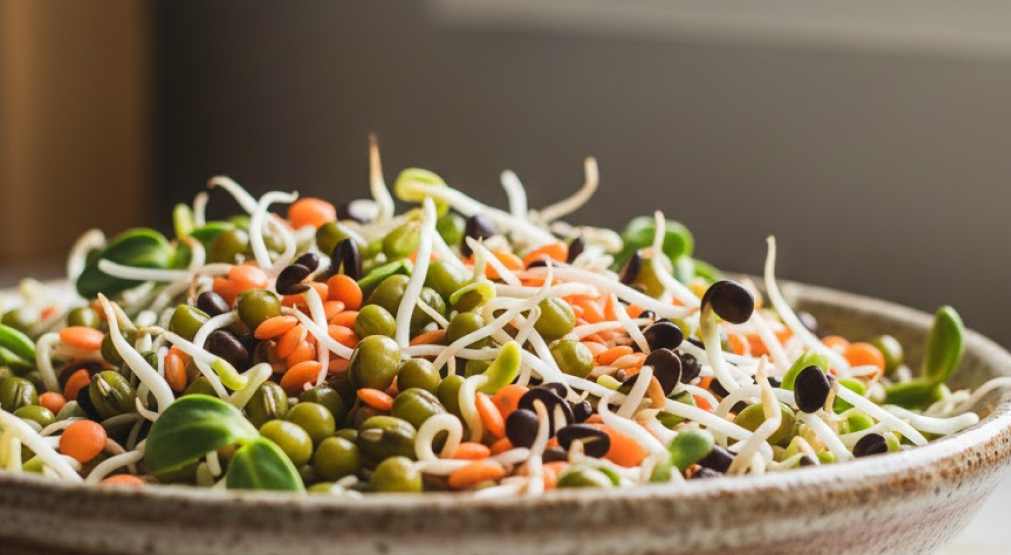
One of the most critical ways sprouted seeds change nutrient absorption is through enzyme activation. In dry seeds, enzymes remain inactive to preserve energy. Once sprouting begins, enzymes such as amylases, proteases, and lipases are activated to support plant growth. These same enzymes benefit human digestion by breaking down macronutrients into simpler components.
Carbohydrates begin converting into simpler sugars, proteins into amino acids, and fats into fatty acids. This pre-digestion effect reduces the burden on the stomach and intestines. When food arrives in a partially broken-down state, nutrients pass through the intestinal wall more efficiently, improving overall absorption rates.
Enzyme-driven benefits of sprouted seeds include:
- Improved carbohydrate breakdown for steady energy
- Enhanced protein digestion and amino acid uptake
- Better fat assimilation without digestive discomfort
Efficient digestion directly supports better nutrient absorption. When fewer nutrients are lost during digestion, the body receives more value from the same amount of food. This is one of the primary mechanisms behind the nutritional advantage of sprouted seeds.
Reduction of Anti-Nutrients That Block Absorption
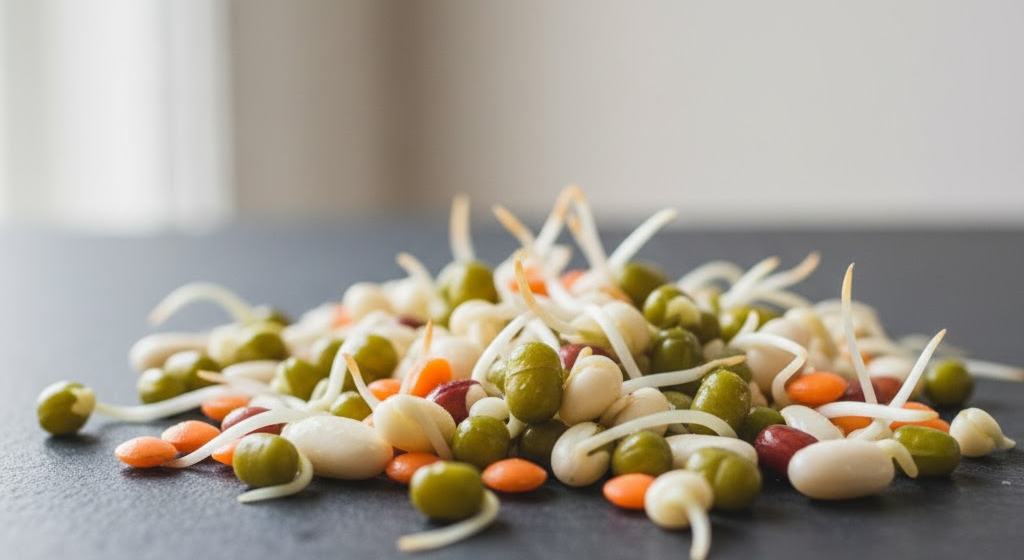
Seeds naturally contain anti-nutrients such as phytic acid, lectins, and enzyme inhibitors. These compounds protect seeds from being eaten before germination but interfere with human digestion by binding minerals and irritating the gut lining. Sprouting significantly reduces these substances, directly improving nutrient absorption.
Phytic acid is especially important in this context. It binds to essential minerals like iron, zinc, magnesium, and calcium, preventing them from being absorbed in the intestines. During sprouting, the enzyme phytase becomes active and breaks down phytic acid, releasing these minerals into a usable form.
Anti-nutrient reduction through sprouting leads to:
- Improved mineral bioavailability
- Less digestive irritation
- Better long-term nutrient status
By lowering anti-nutrient levels, sprouted seeds allow the digestive system to absorb more minerals without increasing food intake. This supports energy metabolism, immune health, and cellular repair, all of which depend heavily on adequate mineral availability.
Mineral Absorption and Cellular Energy
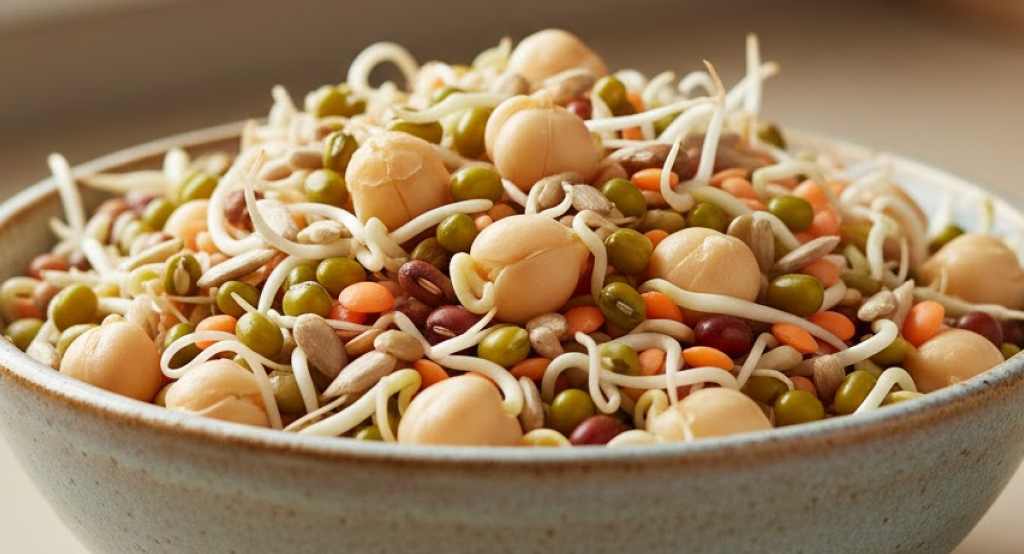
Minerals are critical regulators of metabolism, and sprouted seeds significantly improve how these minerals are absorbed and utilized. In raw seeds, minerals are often chemically bound to anti-nutrients, which prevents them from passing through the intestinal wall. Through sprouting, these bonds are broken, allowing minerals to enter circulation more efficiently. This shift has direct implications for cellular energy production.
Iron supports oxygen delivery to tissues, magnesium activates over 300 enzymatic reactions, and zinc plays a central role in immune defense and hormone regulation. When these minerals are poorly absorbed, cells struggle to maintain optimal energy output. Sprouted seeds improve mineral transport at the intestinal level, ensuring that minerals reach mitochondria where ATP is produced.
Key mineral-related advantages of sprouted seeds include:
- Improved iron absorption for oxygen and endurance
- Enhanced magnesium availability for metabolic reactions
- Better zinc uptake for immune and cellular repair
By supporting mineral-driven metabolic pathways, sprouted seeds help reduce fatigue that is not caused by calorie deficiency, but by inefficient nutrient utilization.

Protein Quality and Amino Acid Bioavailability
Protein quality depends not only on quantity, but on how efficiently amino acids are absorbed. In unsprouted seeds, proteins are compact and protected by enzyme inhibitors. Sprouting initiates proteolysis, a process that breaks storage proteins into smaller peptides and free amino acids. This dramatically improves amino acid bioavailability.
As germination progresses, essential amino acids such as lysine and tryptophan increase in availability. This is particularly important for individuals relying on plant-based proteins. Improved protein digestion reduces fermentation in the gut, lowering bloating and discomfort while increasing nutrient uptake.
Protein-related benefits of sprouted seeds include:
- Higher amino acid absorption efficiency
- Reduced digestive strain from proteins
- Improved protein quality for tissue repair
Amino acids support muscle maintenance, enzyme production, neurotransmitter synthesis, and immune signaling. By improving protein absorption, sprouted seeds enhance both physical recovery and cognitive resilience.
Sprouted Seeds, Fiber, and Gut Absorption Efficiency
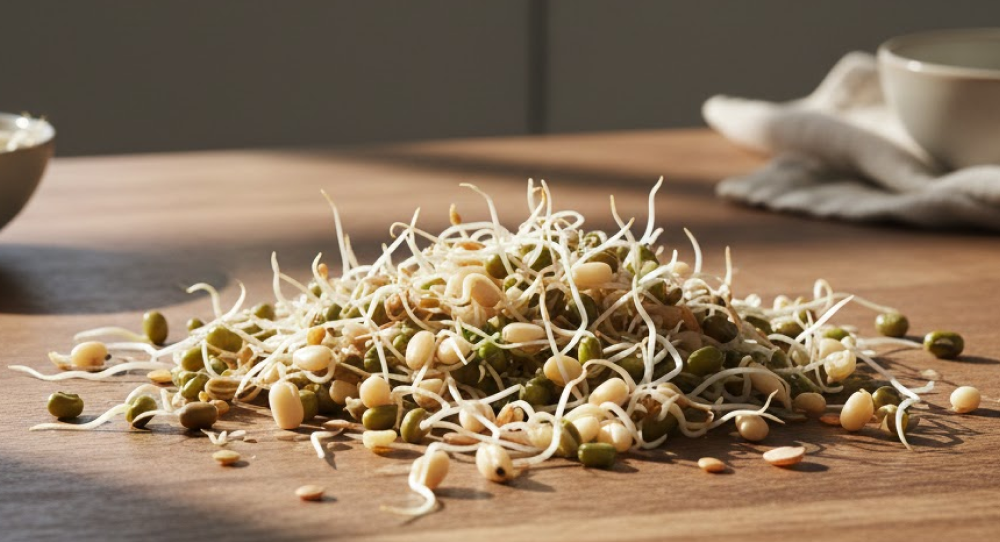
The fiber content in seeds is essential for digestion, but the type and structure of that fiber determine whether it supports or hinders nutrient absorption. In raw seeds, fiber can be tough, rigid, and resistant to breakdown, which can slow digestion and reduce the efficiency of nutrient uptake. Sprouted seeds, however, undergo a natural transformation during germination that softens fiber structures, partially breaking down complex carbohydrates while retaining beneficial bulk. This modified fiber is easier for the digestive system to process and provides a balanced environment for gut microbes to thrive, which in turn improves the overall absorption of vitamins, minerals, and amino acids.
Beyond mechanical effects, the fiber in sprouted seeds plays a critical role in the production of short-chain fatty acids (SCFAs) through fermentation by beneficial gut bacteria. These SCFAs, including butyrate, acetate, and propionate, nourish the intestinal lining, strengthen gut barrier integrity, and reduce inflammation. A healthy gut lining ensures that nutrients pass efficiently from the digestive tract into circulation instead of being partially lost or causing digestive discomfort. By combining softened fiber with enzymatically activated nutrients, sprouted seeds create a digestive-friendly food that maximizes nutrient availability and supports sustained energy levels throughout the day.
Key absorption and gut benefits of sprouted seeds include:
- Strengthened intestinal lining for more efficient nutrient transport
- Optimized fiber for gut microbiome support and fermentation
- Reduced digestive irritation while increasing overall absorption efficiency
By enhancing fiber structure and promoting a balanced microbiome, sprouted seeds not only improve gut comfort but also ensure that the nutrients they contain are fully utilized, creating a foundation for better energy, immunity, and long-term metabolic health.
Vitamin Availability and Metabolic Pathways
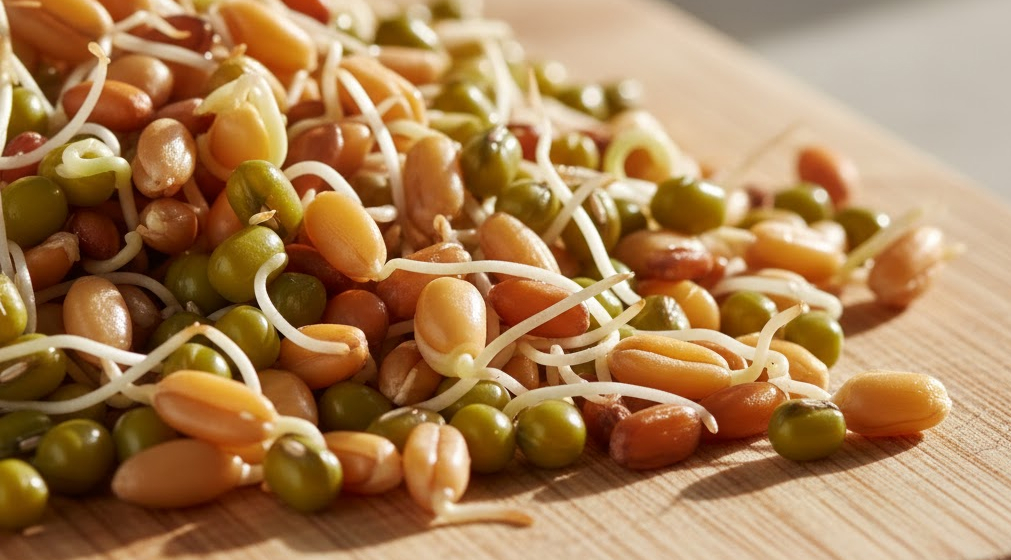
Sprouting increases both the concentration and bioavailability of key vitamins, especially B vitamins and vitamin C. These vitamins are not energy sources themselves, but they are essential for metabolic pathways that convert nutrients into usable cellular fuel. Without sufficient vitamin cofactors, nutrient absorption alone cannot sustain energy.
B vitamins such as B6 and folate support red blood cell formation, nervous system signaling, and mitochondrial efficiency. Vitamin C enhances iron absorption and protects cells from oxidative damage. Sprouting naturally increases these vitamins as the seed prepares for growth.
Vitamin-related benefits of sprouted seeds include:
- Higher availability of B vitamins for metabolism
- Improved iron utilization through vitamin C synergy
- Enhanced cellular protection from oxidative stress
This vitamin-mineral interaction ensures that absorbed nutrients are efficiently converted into energy rather than remaining metabolically inactive.

Final Thoughts: How Sprouted Seeds Change Nutrient Absorption
Understanding how sprouted seeds change nutrient absorption reveals that this simple natural process has profound effects on digestion, metabolic efficiency, and overall energy. Sprouting initiates a cascade of biological transformations: enzymes are activated, anti-nutrients like phytic acid are reduced, and proteins, minerals, and vitamins become more bioavailable. These changes make the nutrients in seeds easier for the body to absorb and utilize, turning ordinary seeds into highly efficient functional foods. For anyone focused on biohacking, metabolic health, or gut optimization, sprouted seeds provide a practical, science-backed solution.
Minerals such as iron, magnesium, and zinc are released from anti-nutrient bonds, supporting cellular energy production and reducing fatigue. Proteins are partially pre-digested, increasing amino acid bioavailability for tissue repair and neurotransmitter synthesis. Fiber is softened and optimized for the gut microbiome, which enhances short-chain fatty acid production, strengthens the intestinal lining, and improves nutrient transport. Vitamins, particularly B-complex and vitamin C, are concentrated and made more absorbable, supporting metabolic pathways that convert nutrients into usable energy.
Over the long term, sprouted seeds create a ripple effect: better digestion, higher nutrient efficiency, and more stable, sustained energy throughout the day. Unlike stimulants or artificial supplements, they work naturally with the body’s physiology to enhance absorption and metabolic performance. Regular consumption aligns food with biology, reducing digestive stress and supporting both physical and cognitive resilience.
In summary, incorporating sprouted seeds into a daily diet is a low-effort, high-impact strategy to maximize nutrient absorption, boost metabolic energy, and promote long-term digestive and systemic health. They are a functional, natural tool that transforms the way the body extracts value from food, supporting vitality from the cellular level up.