

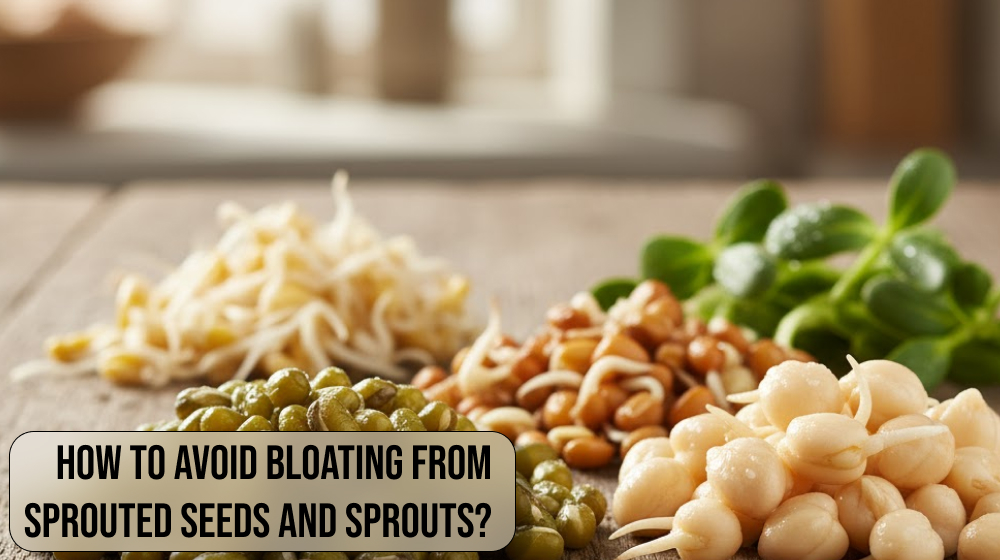
How to avoid bloating from sprouted seeds and sprouts? Sprouted seeds and sprouts are extremely nutritious and rich in enzymes, vitamins, and minerals. However, some people experience bloating and discomfort after eating them. The main reason lies in their complex carbohydrate structure, high fiber content, and presence of FODMAPs (fermentable oligosaccharides, disaccharides, monosaccharides, and polyols). These compounds can be difficult to digest, and when gut bacteria ferment them, gas is released. During sprouting, enzymatic activity increases, improving nutrition but also increasing the number of fermentable substrates — leading to bloating.
Individual sensitivity plays a huge role. People with IBS, enzyme deficiencies, or an unbalanced gut microbiome are more prone to such reactions. The method of preparation and the type of sprouts are also crucial. Raw sprouts are often harder to digest, while lightly cooked or blanched sprouts are gentler on the stomach. Understanding these processes helps to build a practical plan for preventing discomfort.
- Active fermentation in the sprouting process.
- Presence of FODMAPs and insoluble fiber.
- Individual gut microbiome sensitivity.

Choosing the Right Seeds to Reduce Bloating Risk
The choice of seed type significantly impacts digestion and overall comfort. Not all seeds are created equal: legume-based sprouts like lentils, chickpeas, and alfalfa are highly nutritious but contain oligosaccharides that ferment rapidly in the gut, often leading to bloating. In contrast, cruciferous sprouts such as broccoli, radish, and mustard tend to be easier to digest in small amounts. Sunflower and pumpkin seeds are even milder options and are excellent for beginners starting with sprouted foods. The key is to buy fresh, high-quality seeds meant specifically for sprouting — they are less likely to contain mold, dust, or bacterial contamination that can further irritate the intestines.
Portion size also plays a crucial role. Sprouts should be introduced gradually into the diet so the gut microbiota has time to adapt to the new influx of fiber and enzymes. For those with a sensitive stomach, start with just 1–2 tablespoons per day for several days, and increase gradually. Avoid eating raw sprouts in large quantities, especially if they come from carbohydrate-rich seeds. For these varieties, a light heat treatment can make a big difference by reducing gas-producing sugars and improving overall digestibility.
Sprouting Techniques to Minimize Digestive Issues
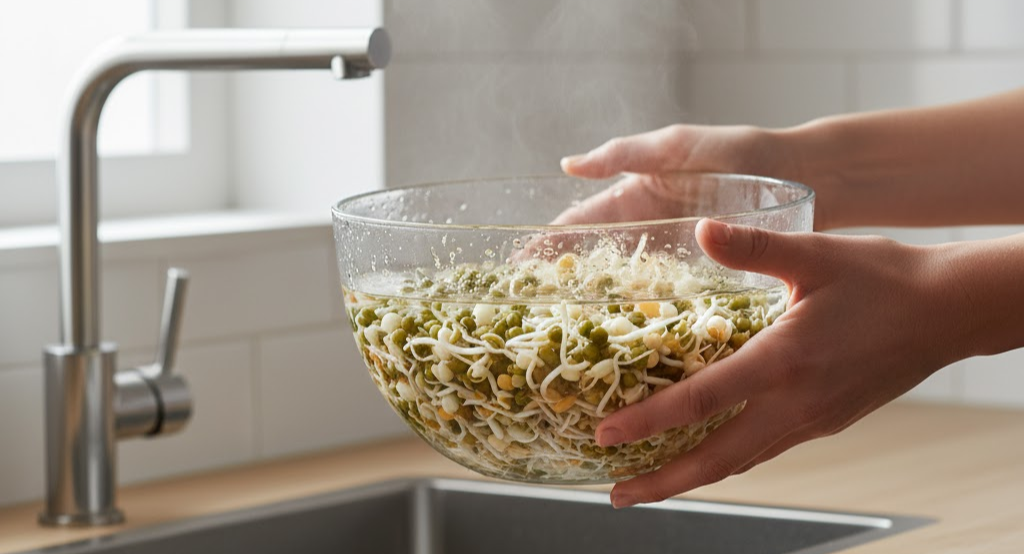
The way seeds are sprouted directly affects how well your body tolerates them. To minimize bloating, it’s essential to follow proper sprouting techniques that reduce anti-nutrients such as phytic acid and tannins. The key factors are soaking time, rinsing frequency, and duration of sprouting. Seeds should be soaked for 6–12 hours (depending on their size) to soften and begin enzymatic activation. Regular rinsing 2–3 times daily helps wash away soluble sugars and phytates, both of which can contribute to fermentation and bloating. The ideal sprouting time is 1–3 days, just until small roots appear.
Temperature and hygiene are equally important. Warm, humid environments accelerate sprouting but also promote unwanted microbial growth that can affect digestion. Cooler conditions slow down fermentation and reduce the production of easily fermentable sugars. Always use clean, sterilized containers and change water frequently to prevent bacterial contamination. Proper airflow and drainage will keep the sprouts fresh and prevent mold, ensuring that they remain light, crisp, and easy on digestion.
- Soak seeds moderately and rinse often.
- Allow sprouts to grow 1–3 days until small roots appear.
- Maintain cleanliness, drainage, and moderate temperature.

The Power of Cooking: When and How to Cook Sprouts
Cooking can transform sprouts from a potentially problematic food into a gentle, nourishing addition to any diet. Light heat treatment — such as blanching, steaming, or quick stir-frying — destroys part of the enzymes and reduces the content of fermentable carbohydrates that trigger gas formation. Cooked sprouts are much easier to digest, especially for people with a sensitive digestive system. For example, briefly sautéed pea, lentil, or sunflower sprouts retain most of their nutrients while becoming far more comfortable for the gut.
However, it’s important to maintain balance: raw sprouts are still valuable sources of enzymes, chlorophyll, and vitamins that can be lost during heating. The optimal approach is to combine raw and cooked portions — keep a small amount of raw sprouts for freshness and enzymes, but make the bulk of the serving cooked. This method supports digestion, reduces bacterial load, and allows your microbiome to adapt without stress. Over time, your body will become more tolerant to raw sprouts as your gut flora strengthens.
Food Combinations and Eating Habits That Prevent Bloating
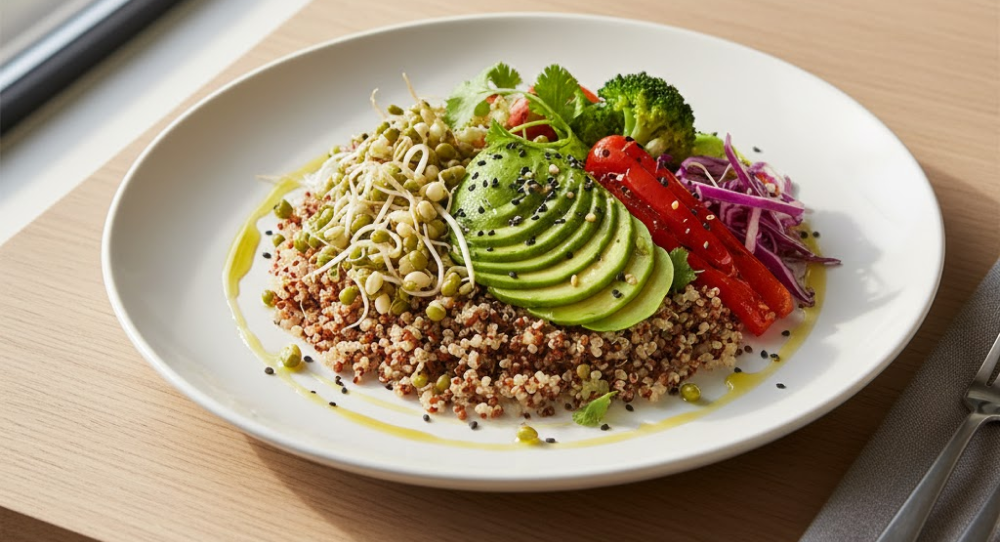
Even healthy foods like sprouts can cause bloating when combined incorrectly. Avoid eating them alongside high-sugar fruits, starchy side dishes, or dairy products, which can amplify fermentation in the intestines. Instead, pair them with fermented foods (such as sauerkraut or yogurt), lean proteins, and easy-to-digest vegetables. Adding small amounts of lemon juice, apple cider vinegar, or fermented dressings helps stimulate stomach acid and improves the breakdown of plant proteins and fibers.
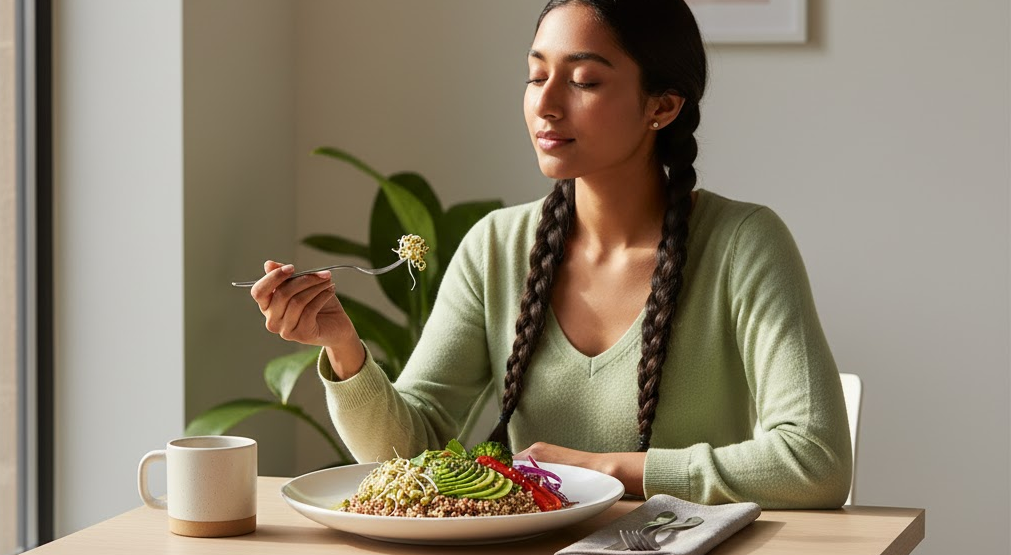
Eating slowly and mindfully is another underrated yet powerful way to reduce bloating. Chewing thoroughly activates saliva enzymes, which begin digestion before food reaches the stomach. Large, heavy meals strain the digestive system, leaving undigested carbohydrates that bacteria feed on. By eating smaller, more frequent meals and taking time to chew, the digestive process becomes smoother and less gas-producing, even when sprouts are part of the meal.
- Avoid pairing sprouts with sugary or starchy foods.
- Combine them with fermented or protein-rich foods.
- Eat slowly, mindfully, and in smaller portions.
Digestive Aids and Natural Remedies That Help
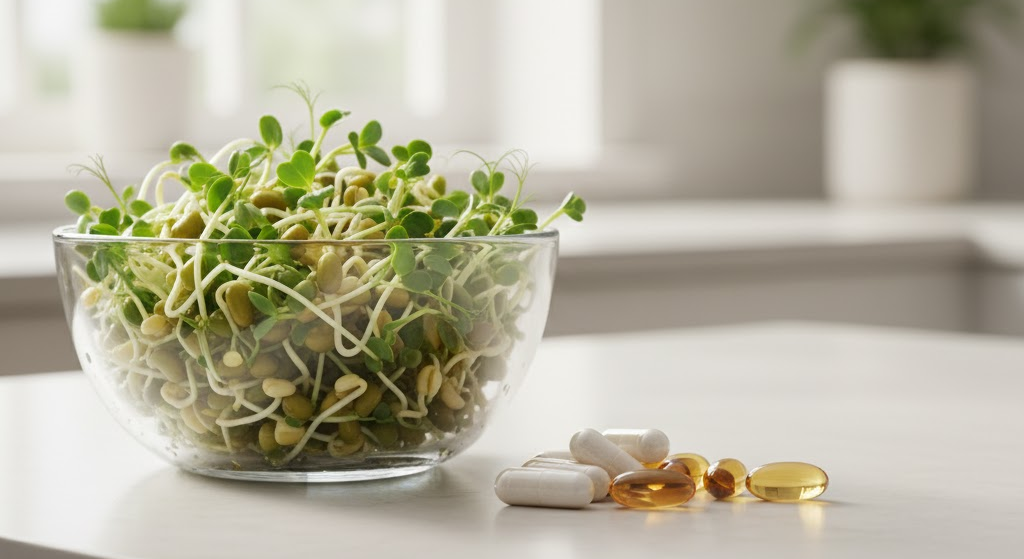
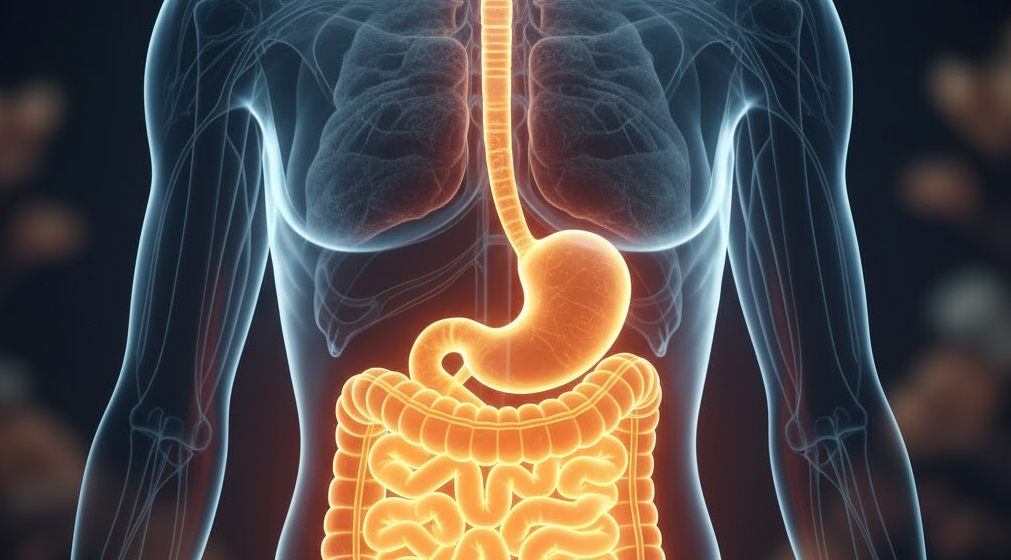
There are several effective ways to support digestion and reduce bloating from sprouted seeds naturally. One of the most reliable methods is the use of digestive enzyme supplements, which help your body break down complex carbohydrates, proteins, and fibers before they reach the large intestine. Enzymes such as amylase, protease, lipase, and lactase play an important role in easing the digestive process and minimizing fermentation. For people with low stomach acid, betaine HCL can help restore acidity levels, allowing proteins and fibers to digest more efficiently. By enhancing nutrient absorption, these supplements reduce pressure on the gut and prevent gas buildup.
Equally important are probiotics and prebiotics, which nourish and balance the intestinal microbiome. A healthy balance of gut bacteria helps suppress gas-producing strains and strengthens the intestinal lining, improving tolerance to fiber-rich foods like sprouts. Probiotic-rich foods — such as kefir, sauerkraut, miso, and kimchi — can be a gentle way to introduce beneficial microbes. Prebiotics like inulin, chicory root, or green bananas feed those bacteria, promoting a long-term, stable environment that supports efficient digestion and reduced bloating.
Consistency is the foundation of success. Digestive enzymes and probiotics are most effective when taken regularly and combined with a balanced, fiber-conscious diet. Gradually building up gut tolerance through these aids prevents over-reliance on medication and creates a natural balance over time. If discomfort persists despite all these strategies, it’s advisable to consult a healthcare professional or nutrition expert to check for FODMAP intolerance, SIBO, or hidden digestive deficiencies. With careful monitoring and small adjustments, anyone can enjoy sprouts as part of a balanced, gut-friendly lifestyle.
- Use digestive enzymes before or during meals with sprouts.
- Take probiotics daily for gut balance and long-term relief.
- Drink herbal teas like ginger, fennel, or peppermint after eating.
Final Thoughts on “How to avoid bloating from sprouted seeds and sprouts?”
Avoiding bloating from sprouted seeds and sprouts doesn’t mean giving up on them — it’s about understanding your body and supporting it through balance and consistency. Sprouts are an exceptional source of enzymes, amino acids, vitamins, and minerals that can transform your diet when used wisely. The key lies in mindful preparation, portion control, and gradual adaptation of your digestive system. By combining simple habits like soaking, rinsing, and lightly cooking, anyone can enjoy the powerful nutrition of sprouts without the discomfort that sometimes accompanies them.
For those who experience bloating despite these precautions, taking a deeper look at digestive health is essential. The gut is a complex ecosystem, and when it’s out of balance, even the healthiest foods can cause reactions. Introducing digestive enzymes, probiotics, and gentle herbal teas can restore harmony, making sprouts easier to digest over time. Paying attention to food combinations — for instance, pairing sprouts with easily digestible vegetables and healthy fats instead of heavy grains — can also significantly reduce gas and bloating. The more balanced and varied the diet, the better your body will adapt to the natural enzymes in sprouts.
Long-term success depends on consistency and awareness. Supporting the gut through stress management, hydration, and adequate rest strengthens its ability to process nutrient-dense foods like sprouted seeds. Over time, your body learns to handle fiber more efficiently, leading to less fermentation and more comfort. Listening to internal signals, adjusting portion sizes, and maintaining digestive support will help sustain these results. With a bit of patience, sprouts can become not just a healthy addition to your meals, but a daily staple that energizes and nourishes without discomfort.
- Combine sprouts with healthy fats and light proteins for balance.
- Use digestive aids like enzymes or probiotics regularly.
- Practice mindful eating and stress control to enhance gut comfort.