

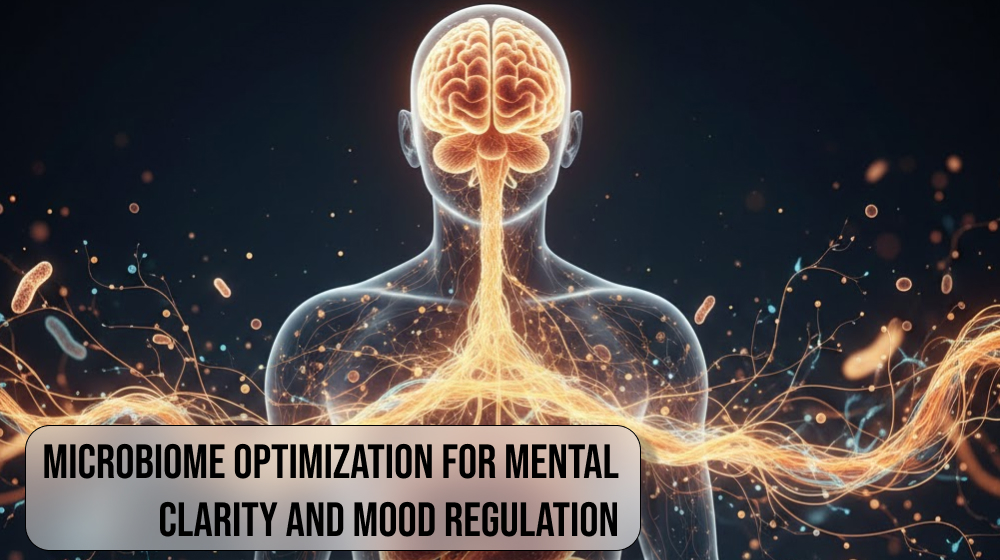
Microbiome Optimization for Mental Clarity and Mood Regulation. The gut microbiome plays a central role in overall health, but its influence extends beyond digestion. Recent research shows that the microbiome significantly impacts cognitive function, emotional balance, and stress resilience. A diverse and well-balanced microbiome produces metabolites that communicate directly with the brain through the gut-brain axis, modulating neurotransmitter activity and systemic inflammation. Optimizing the microbiome is emerging as a key strategy in biochemistry-driven cognitive enhancement and mood regulation.
The mechanisms underlying this influence include:
- Production of neuroactive compounds such as serotonin, dopamine, and GABA precursors
- Regulation of systemic and neuroinflammation via short-chain fatty acids (SCFAs)
- Communication with the vagus nerve to modulate stress response

Disruption of microbial balance, often caused by poor diet, chronic stress, antibiotics, or environmental toxins, can contribute to brain fog, mood swings, and heightened anxiety. Conversely, supporting beneficial gut flora enhances cognitive clarity, emotional stability, and learning capacity. Effective microbiome optimization requires an integrative approach that combines dietary interventions, targeted supplementation, and lifestyle adjustments to create a stable and diverse microbial ecosystem.
Understanding this connection reframes mental performance: brain health is not only a matter of neurons and neurotransmitters but also the microbial environment in which these systems operate. By actively managing the gut microbiome, it is possible to influence neurotransmitter synthesis, stress resilience, and mental clarity, creating a foundation for sustainable cognitive enhancement and emotional well-being.

Dietary Foundations for Microbiome Health
Nutrition is the primary driver of microbiome diversity and functionality. Diet shapes which microbial species thrive in the gut, influencing the production of metabolites that directly affect brain function. Fiber-rich foods, fermented products, and polyphenol-rich plants support beneficial bacteria, while processed foods, excessive sugar, and artificial additives promote dysbiosis.
Key dietary strategies include:
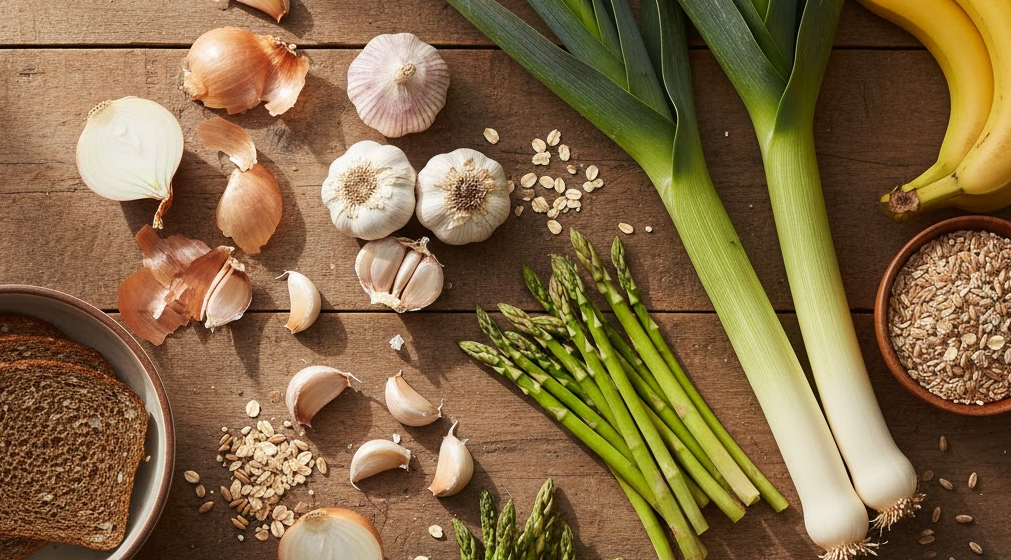
- Prebiotic foods: garlic, onions, leeks, asparagus to feed beneficial microbes
- Probiotic-rich foods: yogurt, kefir, kimchi, sauerkraut to introduce live bacteria
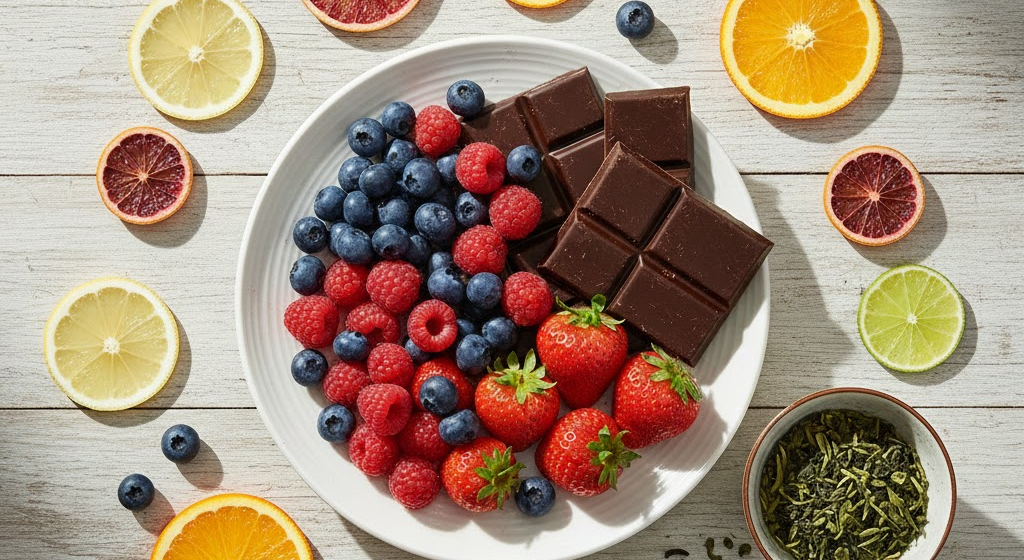
- Polyphenol sources: berries, dark chocolate, green tea for microbial growth support
Prebiotics provide fermentable fibers that beneficial bacteria convert into SCFAs, which reduce inflammation and enhance blood-brain barrier integrity. Probiotic foods supply live microorganisms that can colonize the gut temporarily, supporting neurotransmitter production and immune regulation. Polyphenols act as fuel for beneficial bacteria while also offering antioxidant protection.
Maintaining a balanced microbiome-friendly diet requires consistent inclusion of these elements. Small, repeated dietary changes are more effective than sporadic supplementation. Over time, a microbiome optimized through proper nutrition supports sustained mental clarity, emotional regulation, and cognitive resilience, creating a stable foundation for advanced biochemistry-based interventions.

Probiotics for Cognitive and Emotional Support
Probiotics are live microorganisms that, when administered in adequate amounts, confer measurable health benefits, including support for the gut-brain axis. Specific strains have been associated with improvements in stress response, mood regulation, and even cognitive performance. These effects are mediated through microbial production of neuroactive compounds, reduction of systemic inflammation, and modulation of HPA-axis activity.
Three probiotic strategies for cognitive optimization include:
- Lactobacillus strains: support GABA synthesis, reducing anxiety and enhancing relaxation
- Bifidobacterium strains: improve short-chain fatty acid production and cognitive flexibility
- Multi-strain formulations: increase microbial diversity and resilience, enhancing overall gut-brain signaling
Clinical research indicates that supplementation with targeted probiotics can reduce cortisol levels, improve working memory, and alleviate mild depressive symptoms. The effects are subtle but measurable, emphasizing the importance of consistency and correct strain selection. Probiotics act synergistically with diet and lifestyle interventions to reinforce a healthy microbial ecosystem.
Probiotics are most effective when paired with prebiotics and a nutrient-rich diet. Regular intake supports stable colonization, metabolic signaling, and neurotransmitter balance. Through probiotic supplementation, the microbiome becomes a tool for enhancing emotional resilience, mental clarity, and adaptive cognitive function, creating a physiological environment conducive to sustained performance.
Prebiotics and Microbial Fuel
Prebiotics are non-digestible fibers that selectively nourish beneficial gut bacteria, promoting their growth and metabolic activity. They are crucial for producing short-chain fatty acids (SCFAs) like butyrate, propionate, and acetate, which reduce systemic inflammation and positively influence neurotransmitter synthesis. Prebiotics act as the fuel that allows probiotics and resident microbes to perform optimally.
Prebiotic strategies for microbiome optimization include:
- Inulin-rich foods: chicory root, Jerusalem artichoke to increase bifidobacteria populations
- Fructooligosaccharides (FOS): found in onions and leeks to enhance SCFA production
- Galactooligosaccharides (GOS): support lactobacilli growth and anti-inflammatory pathways
SCFAs produced by prebiotic fermentation strengthen the gut lining, reduce endotoxin leakage, and regulate the HPA-axis, which influences stress and mood. They also modulate brain-derived neurotrophic factor (BDNF), enhancing neural plasticity and learning potential. Prebiotics improve both the structural and functional integrity of the microbiome, creating a foundation for neurotransmitter balance and cognitive clarity.
Regular inclusion of prebiotic foods fosters resilience within the microbial ecosystem. Over time, optimized SCFA production contributes to better attention, reduced anxiety, and improved emotional stability. Prebiotics, when combined with probiotics, form the cornerstone of a microbiome-centered approach to mental performance and mood regulation.
Polyphenols and Microbial Interactions
Polyphenols are plant-derived compounds with antioxidant and anti-inflammatory properties that also act as selective modulators of the gut microbiome. They are metabolized by gut bacteria into bioactive compounds that influence neurotransmitter production, reduce oxidative stress, and support neuronal function. Polyphenols create a feedback loop: they nourish beneficial microbes while those microbes enhance polyphenol bioavailability.
Key polyphenol strategies include:
- Flavonoid-rich fruits: berries, apples, and citrus for microbial growth and antioxidant activity
- Catechins in green tea: support bifidobacteria and reduce stress-induced inflammation
- Dark chocolate polyphenols: enhance microbial diversity and cognitive resilience
By promoting beneficial bacteria, polyphenols indirectly increase the production of SCFAs and neurotransmitter precursors. They also help maintain a balanced inflammatory environment, which is essential for stable mood and mental clarity. The synergy between polyphenols and the microbiome highlights the importance of integrating dietary plant compounds into cognitive enhancement strategies.
Consistent polyphenol intake fosters microbial diversity, supporting robust gut-brain communication. Over weeks and months, this contributes to improved attention, memory retention, and emotional regulation. Polyphenols are therefore a dietary tool for microbiome optimization targeting mental clarity and mood stability.
Lifestyle Factors Affecting the Microbiome
The gut microbiome is highly sensitive to lifestyle choices, and its composition can fluctuate daily depending on sleep, stress, physical activity, and environmental exposures. While diet is a primary driver of microbial diversity, neglecting lifestyle factors can significantly undermine even the best supplementation or nutritional strategies. A healthy microbiome requires consistent support from daily routines that reduce inflammation, stabilize circadian rhythms, and provide opportunities for beneficial microbial growth. Lifestyle adjustments act as multipliers, enhancing the effect of dietary and probiotic interventions while protecting the gut from dysbiosis caused by chronic stress or poor sleep.
Three critical lifestyle factors for microbiome optimization include:
- Regular physical activity: Engaging in aerobic exercise, resistance training, or even brisk walking supports microbial diversity, increases short-chain fatty acid (SCFA) production, and improves gut motility. Exercise also enhances systemic circulation, allowing microbial metabolites to reach the brain more efficiently and influence cognitive function and mood.
- Effective stress management: Chronic psychological stress elevates cortisol levels, which disrupts gut barrier integrity and reduces populations of beneficial bacteria. Incorporating mindfulness practices, meditation, controlled breathing, and biofeedback techniques reduces sympathetic nervous system overactivation, stabilizes the gut environment, and promotes healthy neurotransmitter signaling.
- Consistent sleep patterns: Sleep quality and circadian rhythm alignment are essential for microbiome balance. Irregular sleep schedules or sleep deprivation alter microbial composition, reduce SCFA production, and impair the gut-brain axis. Maintaining regular sleep times, creating a dark and cool sleep environment, and minimizing blue-light exposure in the evening enhance both microbial diversity and brain function.
Other lifestyle factors also contribute, including limiting unnecessary antibiotic use, reducing exposure to environmental toxins, and maintaining moderate alcohol consumption. Incorporating these habits consistently fosters a resilient and metabolically active gut microbiome, which in turn strengthens cognitive clarity, emotional stability, and stress resilience. Over time, lifestyle optimization transforms the microbiome into a stable foundation for mental performance and mood regulation, ensuring that dietary interventions and supplements can work at their full potential.

Final Thoughts: Microbiome Optimization for Mental Clarity and Mood Regulation
Optimizing the microbiome for mental clarity and mood regulation is a transformative approach in modern biohacking. Unlike interventions that focus solely on brain chemistry or supplements, microbiome optimization targets the root of cognitive and emotional resilience: the trillions of microorganisms that influence neurotransmitter production, systemic inflammation, and stress response. By supporting a diverse, balanced microbial ecosystem, it is possible to enhance attention, memory, and emotional stability in a sustainable way.
A comprehensive microbiome strategy relies on three interconnected pillars:
- Nutrition and supplementation: prebiotics, probiotics, and polyphenol-rich foods provide the substrates and live microorganisms necessary for optimal gut-brain signaling.
- Lifestyle alignment: regular exercise, effective stress management, and consistent sleep routines protect microbial balance and enhance cognitive function.
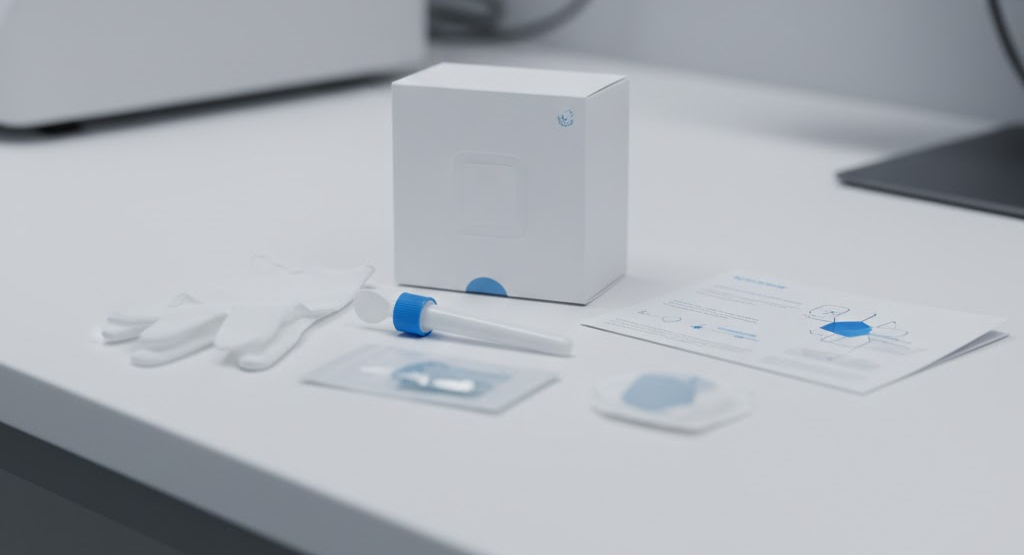
- Personalized monitoring and adaptation: microbiome testing allows for targeted interventions, ensuring that dietary and lifestyle changes address individual microbial gaps and support mental performance.
Consistency and personalization are key. While single interventions can offer short-term improvements, the most profound and lasting benefits come from integrating dietary, lifestyle, and monitoring strategies into a long-term routine. Regular assessment and gradual adjustments allow the microbiome to adapt, ensuring that neurotransmitter production, short-chain fatty acid synthesis, and gut-brain communication remain optimized.
When applied systematically, microbiome optimization acts as a foundational enhancer for cognition and mood. It reduces brain fog, improves focus, stabilizes emotions, and strengthens resilience under stress. Importantly, this approach supports sustainable mental performance without reliance on stimulants or extreme interventions. By prioritizing gut health, the microbiome becomes a powerful ally in achieving long-term cognitive clarity, emotional balance, and overall mental well-being.