
Within every one of our cells lies a fundamental component crucial for life and cellular repair. This is NAD+ (nicotinamide adenine dinucleotide)—a molecule without which many key processes would simply grind to a halt. Think of it as a master key, opening doors to energy production, DNA repair, and overall cellular health. It’s truly ubiquitous, involved in generating the energy for our every movement and thought, as well as in the complex mechanisms that fix damaged genetic structures. However, as the years go by, the amount of NAD+ metabolism in our bodies steadily declines. This isn’t just a sign of natural aging; it’s an active driver of the process, significantly impacting how our cells function and regenerate.

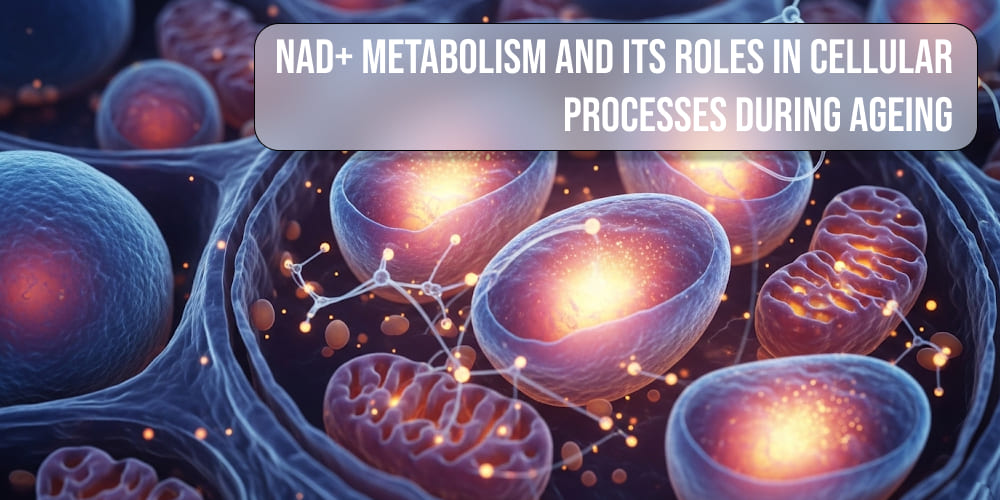
How does this vital molecule appear and disappear? Its NAD+ metabolism involves a complex dance of synthesis and breakdown pathways that constantly maintain its balance within the cell. There are two main ways it’s produced: one starts from tryptophan (an amino acid precursor), and the other, more crucial for us, is the “salvage pathway.” Here, the cell cleverly recycles used NAD+ components to create new ones. The efficiency of these pathways directly determines how much NAD+ is available for all vital enzymes, akin to having enough fuel for the cell’s essential processes. Understanding these roles in cellular processes during ageing is key to promoting healthy longevity.
- NAD+ metabolism naturally declines with age, impacting cellular functions.
- NAD+ is critical for metabolism and energy transfer.
- It is a vital component for the function of enzymes like sirtuins.
NAD+ and Energy: Fueling Our Cells for Healthy Aging
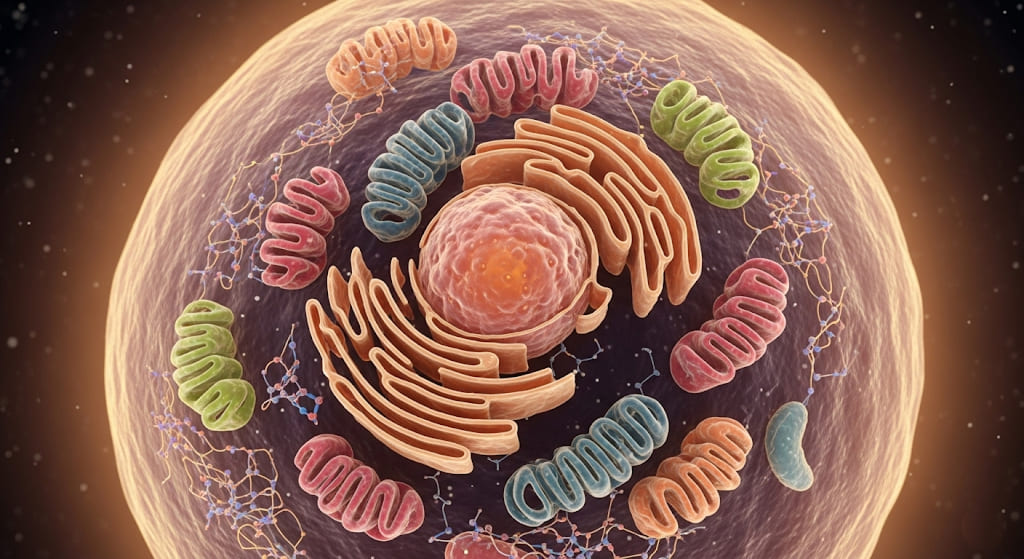
Imagine our cells as tiny power plants, with mitochondria as their generators. In this scenario, NAD+ acts as the primary conductor of energy, ferrying electrons during cellular respiration to produce ATP, our main energy currency. When NAD+ levels are low, these generators falter, energy production drops, and this immediately manifests: we feel fatigued, our endurance decreases, and our cognitive sharpness diminishes. This highlights a crucial aspect of NAD+ metabolism and its roles in cellular processes during ageing.
Aging, in large part, is linked to mitochondria becoming less efficient due to NAD+ deficiency. They produce less energy, and cells lose their youthful vigor. By maintaining or even increasing NAD+ levels, we can give a significant boost to our mitochondria, helping them operate almost as they did when we were younger. This isn’t just about daily energy; it directly impacts our cells’ ability to function optimally and remain youthful for much longer. Understanding NAD+ metabolism is essential for optimizing these roles in cellular processes during ageing.
- Restoring NAD+ metabolism helps to re-energize cellular “power plants.”
- NAD+ is absolutely essential for efficient energy production within mitochondria.
- Its deficiency leads to cellular energy starvation.
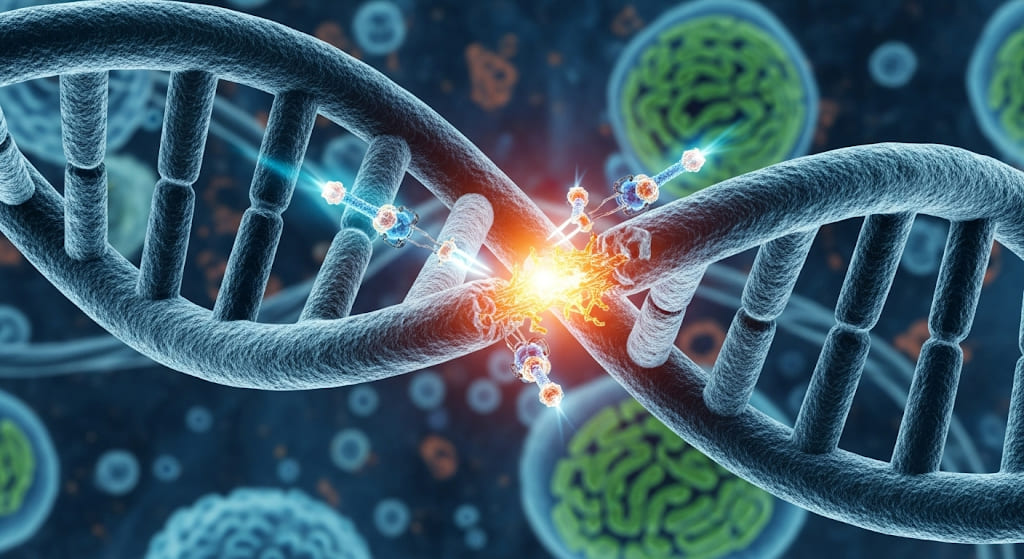
NAD+ and DNA Repair: The Invisible Guardian of Our Genetic Code
Our DNA isn’t just a set of instructions; it’s a vital library that must be meticulously protected. Every day, it sustains hundreds of thousands of damages—from sunlight exposure to internal metabolic processes. This is where NAD+ comes to the rescue, acting as a crucial component in the cellular repair system. It fuels enzymes like PARP (poly-ADP-ribose polymerase), which literally scan the DNA, detect damage, and initiate the repair process, ensuring the stability of our genetic code.
Unfortunately, as we age and NAD+ metabolism declines, the efficiency of these repair teams diminishes. Damage begins to accumulate, leading to mutations and cellular malfunctions, which in turn accelerate aging and increase the risk of various diseases. This is why maintaining sufficient NAD+ levels isn’t just an option; it’s a strategic approach to preserving our DNA’s health. We provide cells with the necessary resources to fight for their integrity, directly influencing our longevity.
- Sufficient NAD+ metabolism helps maintain genetic stability and youthful cellular function.
- NAD+ is critically important for the function of enzymes that repair damaged DNA.
- Declining NAD+ metabolism weakens the natural defense mechanisms of the genome.
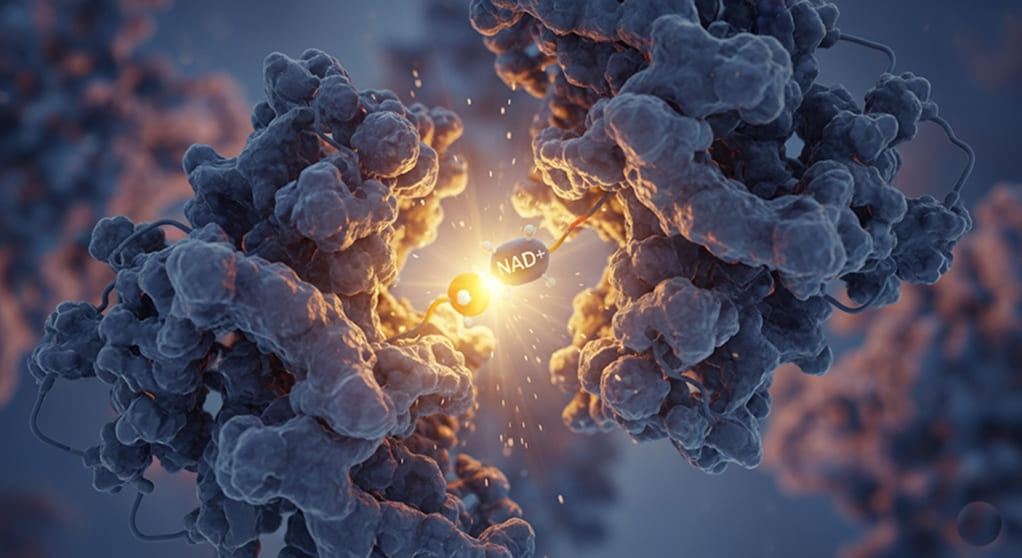
Sirtuins and NAD+: Activating the Longevity Genes
Within us are special proteins often referred to as “longevity genes”—these are sirtuins. They control a multitude of cellular processes, from metabolism to stress response. But here’s the catch: sirtuins can’t work alone; they need a partner, and that partner is NAD+. Without NAD+, sirtuins literally “sleep” and cannot perform their functions in regulating our cells, making NAD+ metabolism an indispensable element in the complex mechanisms that determine our lifespan and the quality of our aging.
Activating sirtuins through NAD+ metabolism triggers a cascade of positive changes, much like those observed with caloric restriction—a known method to extend life in many organisms. For instance, sirtuins can improve insulin sensitivity, reduce inflammation, and even enhance the function of our mitochondria. As we age, and NAD+ metabolism declines, sirtuins become less active, which, like falling dominoes, accelerates the aging process. Therefore, by increasing the availability of NAD+, we can “awaken” these longevity genes, potentially slowing down aging at the deepest, cellular level.
- Insufficient NAD+ metabolism weakens sirtuin protective functions, accelerating cellular decline.
- Sirtuins, our “longevity genes,” are directly dependent on NAD+ for their activation.
- NAD+ metabolism allows sirtuins to regulate metabolism and slow down aging.
NAD+ and Inflammation Regulation: A Shield Against “Inflammaging”
Increasingly, we hear about “chronic inflammation” or “inflammaging”—an invisible fire that smolders within us as we age, contributing to the development of numerous age-related diseases: from heart problems to diabetes and neurodegenerative disorders. Here, NAD+ acts as a peacemaker, capable of quieting this fire. It influences various signaling pathways linked to inflammation, including those regulated by the familiar sirtuins, and also modulates the function of our immune cells.
Unfortunately, as we age, NAD+ metabolism declines, and this shield against inflammation weakens. Some research even indicates that low NAD+ levels can activate the NF-κB pathway, known as a central regulator of inflammatory responses in the body. Maintaining adequate NAD+ metabolism can help us reduce systemic inflammation, thereby potentially slowing the progression of many age-related diseases and improving overall well-being. This opens exciting prospects for combating aging through optimizing NAD+ metabolism and its specific roles in cellular processes during ageing.
- Maintaining robust NAD+ metabolism can help mitigate inflammatory responses in the body.
- NAD+ actively participates in regulating inflammatory processes.
- Its deficiency is linked to increased chronic, age-related inflammation.
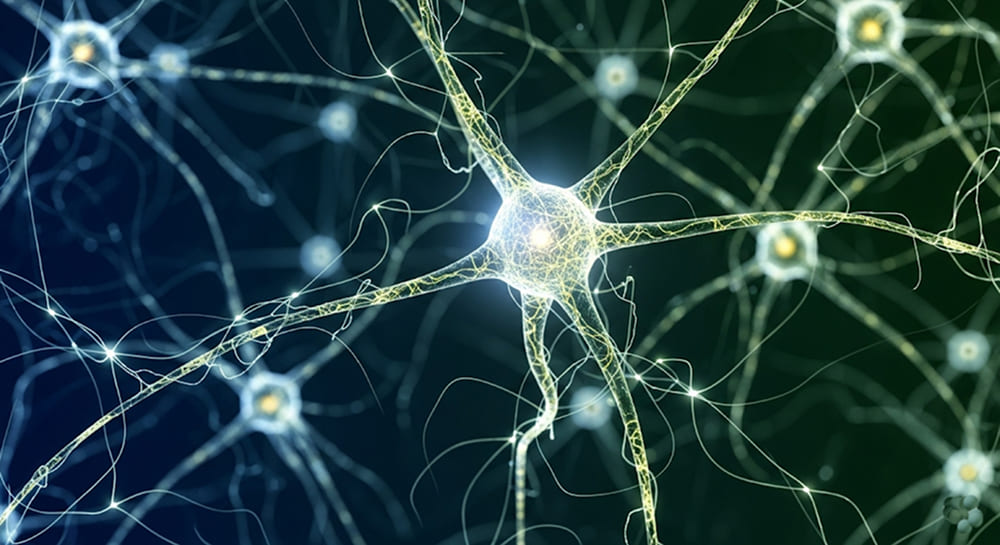
NAD+ and Neuroprotection: Supporting Brain Health in Aging
The brain, being a highly energy-demanding organ, is particularly sensitive to changes in energy metabolism and the accumulation of damage. NAD+ plays a critical role in cellular processes during ageing, particularly in maintaining neuron health and function. It contributes to the integrity of mitochondria in nerve cells, regulates neurotransmission, and protects neurons from oxidative stress and inflammation. Declining NAD+ metabolism in the brain with age is linked to the development of neurodegenerative diseases such as Alzheimer’s and Parkinson’s.
Research shows that maintaining or increasing NAD+ metabolism can have neuroprotective effects. For instance, it can improve synaptic plasticity (the brain’s ability to learn), reduce the aggregation of amyloid-beta and tau proteins (hallmarks of Alzheimer’s disease), and enhance cognitive functions in models of aging and neurodegeneration. The potential of NAD+ to slow the progression or even prevent these devastating diseases makes it a subject of intense research.
- NAD+ is vital for the health and normal functioning of neurons.
- Its decline is associated with the development of neurodegenerative diseases.
NAD+ and Muscles: Combating Age-Related Weakness
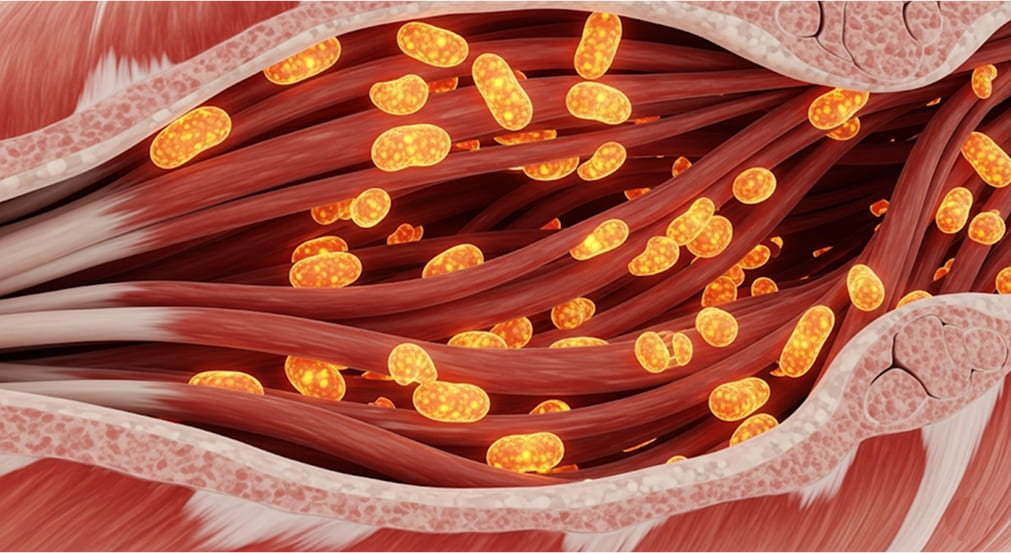
Sarcopenia, or age-related loss of muscle mass and strength, is a common condition that significantly impairs the quality of life for older adults and increases the risk of falls and disability. NAD+ plays a crucial role in cellular processes during ageing, particularly in maintaining muscle health and function. It’s essential for mitochondrial biogenesis in muscle cells, which ensures sufficient energy production for muscle contraction. Furthermore, NAD+ metabolism influences the activity of sirtuins, which regulate muscle growth and repair processes.
Declining NAD+ metabolism with age contributes to the development of sarcopenia. Reduced NAD+ availability leads to impaired mitochondrial function in muscles, decreased energy production, and a reduced ability of muscles to adapt and recover after exertion. Studies indicate that increasing NAD+ levels can improve muscle function, enhance endurance, and even slow down muscle loss in aging animals. This points to the potential of strategies aimed at boosting NAD+ metabolism to combat sarcopenia and maintain physical activity in older age, highlighting its significant roles in cellular processes during ageing.
- NAD+ is critical for energy metabolism in muscle cells.
- Its decline contributes to age-related muscle loss (sarcopenia).
- Enhancing NAD+ metabolism can improve muscle function and slow sarcopenia.
Strategies for Maintaining and Boosting NAD+ Levels
Given the central role in cellular processes during ageing that NAD+ metabolism plays, developing strategies to maintain or increase its levels has become a priority in biohacking and longevity medicine. Several approaches exist, each with its unique characteristics and mechanisms of action. These strategies aim to optimize NAD+ synthesis pathways and reduce its degradation, to maximize the availability of this vital molecule for cellular processes.
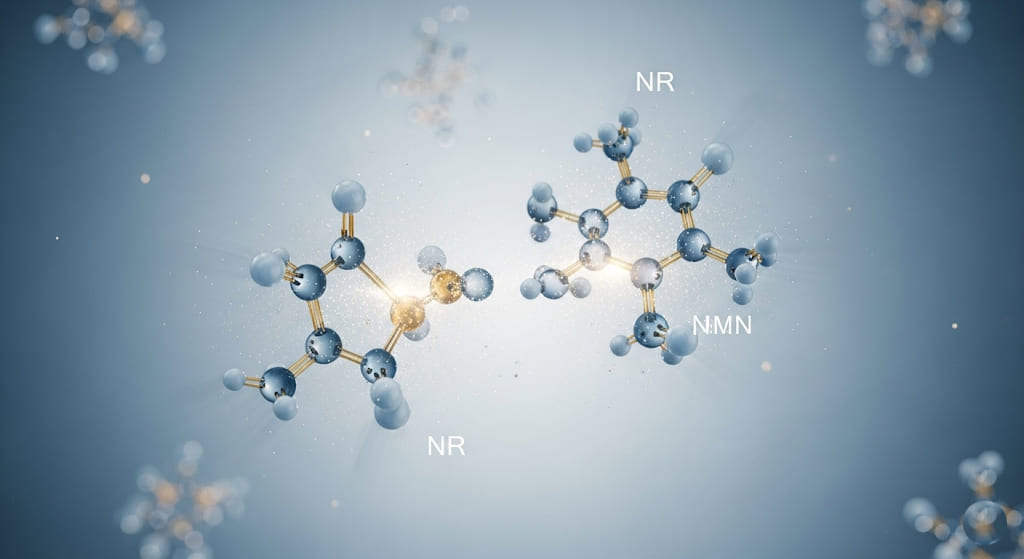
The most studied approaches involve using NAD+ precursors, such as nicotinamide riboside (NR) and nicotinamide mononucleotide (NMN). These compounds are readily absorbed by cells and serve as building blocks for NAD+ synthesis. Additionally, certain lifestyle modifications, such as regular physical exercise, caloric restriction, and intermittent fasting, can also contribute to increased NAD+ levels by activating sirtuins and improving cellular metabolism. Combining these approaches can create a synergistic effect, promoting more effective health maintenance and slowing the aging process, thereby optimizing NAD+ metabolism for healthy roles in cellular processes during ageing.
- Utilizing precursors like NR and NMN can elevate NAD+ levels.
- Regular physical exercise contributes to NAD+ metabolism and synthesis.
- Caloric restriction and intermittent fasting can enhance NAD+ metabolism.