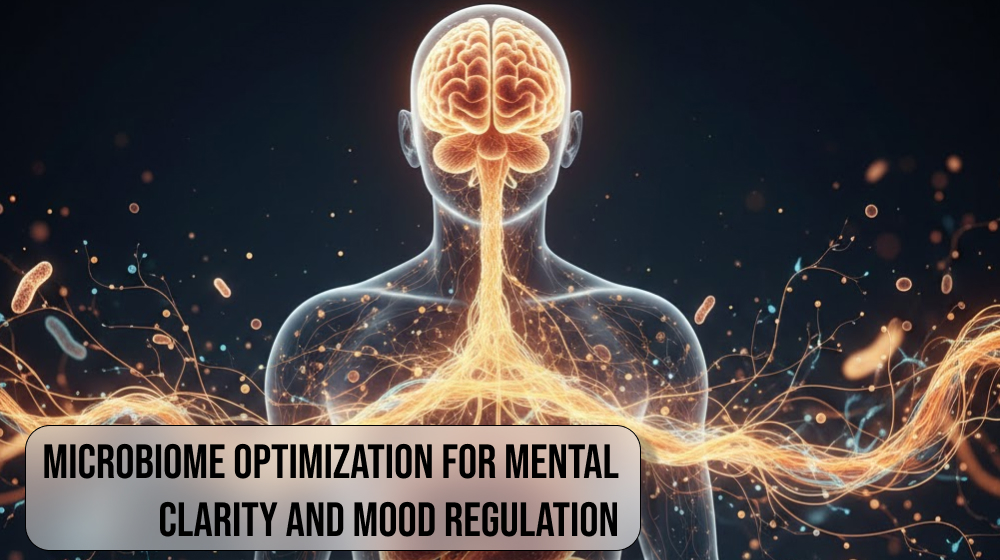

Nootropics & Neuro-Optimization. Nootropics, often referred to as “smart drugs” or cognitive enhancers, are compounds designed to improve brain function. They work by supporting memory, attention, mental clarity, and learning capacity. The appeal of nootropics lies in their potential to optimize neurochemistry, enhance neurotransmitter balance, and improve cognitive resilience. While some nootropics are naturally occurring, such as L-theanine, bacopa monnieri, or omega-3 fatty acids, others are synthetic compounds designed to target specific neurological pathways. Understanding their mechanisms helps individuals choose compounds that align with personal cognitive goals.
The effects of nootropics are often linked to neurotransmitter modulation, improved cerebral blood flow, and neuroprotection. For instance, compounds like citicoline provide precursors for acetylcholine synthesis, boosting memory and learning. Adaptogens such as rhodiola rosea reduce cognitive fatigue by regulating stress hormones, while antioxidants like astaxanthin protect neurons from oxidative stress. Nootropics can also influence synaptic plasticity, allowing the brain to adapt and form new neural connections more efficiently. Key strategies for selecting and using nootropics include:
- Identifying cognitive goals: memory, focus, stress resilience, or creativity
- Understanding mechanisms: neurotransmitter support, neuroprotection, or circulation enhancement
- Starting with low doses: assessing tolerance and effectiveness
When used responsibly, nootropics can enhance mental performance, support long-term brain health, and contribute to overall neuro-optimization strategies.

How Nootropics Influence Neuroplasticity
Neuroplasticity is the brain’s ability to reorganize itself, forming new neural connections in response to learning or environmental stimuli. Nootropics can support this process by enhancing synaptic efficiency and promoting the growth of dendritic spines. Compounds such as bacopa monnieri and lion’s mane mushroom stimulate neurotrophic factors like BDNF (brain-derived neurotrophic factor), which encourages neuron growth, communication, and repair. Increased neuroplasticity improves memory retention, learning speed, and adaptive problem-solving skills.
In addition to biochemical support, lifestyle factors amplify nootropic benefits. Cognitive training, mindfulness practices, and physical exercise synergize with nootropics to strengthen neural networks. For example, pairing omega-3 fatty acids with mental exercises enhances synapse formation more than either approach alone. Key approaches include:
- Supporting BDNF production with specific nootropics and regular exercise
- Combining mental training with neuro-enhancing compounds for synaptic strengthening
- Prioritizing sleep to consolidate new neural pathways
By integrating nootropics with targeted activities, individuals can enhance neuroplasticity, improve cognitive adaptability, and maintain robust mental performance across life stages.

Cognitive Focus and Attention Enhancement
One of the most sought-after effects of nootropics is the improvement of focus and attention. Compounds such as L-theanine combined with caffeine promote alertness while reducing jitteriness, optimizing the brain’s ability to maintain sustained attention. Other nootropics, like rhodiola and phenylpiracetam, enhance mental clarity under stress or fatigue. The mechanism often involves the modulation of dopamine and norepinephrine pathways, which are critical for attention, motivation, and executive function.
Nootropics are most effective when paired with supporting habits. Short, high-intensity mental tasks or “focus sprints” combined with a nootropic protocol can train the brain to enter a state of sustained concentration more efficiently. Environmental factors, including natural light exposure, minimal distractions, and structured breaks, further amplify the cognitive benefits. Key strategies for attention optimization include:
- Stacking compounds thoughtfully: pairing complementary nootropics for synergistic effects
- Structuring tasks: aligning nootropic intake with periods of high cognitive demand
- Minimizing distractions: optimizing workspace and reducing digital interruptions
These strategies help maximize the effect of nootropics on attention, improving productivity and cognitive endurance.

Memory Enhancement and Recall
Nootropics can significantly influence memory formation and recall by supporting neurotransmitters like acetylcholine and enhancing hippocampal function. Choline donors, such as alpha-GPC or citicoline, provide essential building blocks for acetylcholine, a key neurotransmitter for learning and memory. Compounds like bacopa monnieri enhance memory retention and cognitive consolidation through antioxidant and neuroprotective mechanisms.
Long-term memory improvements are enhanced when nootropic use is combined with lifestyle practices. Techniques such as spaced repetition, active recall, and adequate sleep amplify synaptic plasticity, allowing the brain to store and retrieve information more efficiently. Key strategies for memory enhancement include:
- Supplementing with choline donors to support acetylcholine synthesis
- Incorporating neuroprotective antioxidants to prevent oxidative damage to neurons
- Aligning memory training with rest and sleep to consolidate learning
This combined approach supports both short-term memory efficiency and long-term cognitive resilience.

Stress Resilience and Mental Clarity
Cognitive performance is heavily influenced by stress levels and mental fatigue. Chronic stress triggers the release of cortisol and other stress hormones that interfere with neurotransmitter balance, impair memory consolidation, reduce attention span, and contribute to mental exhaustion. Over time, elevated stress levels can compromise neuroplasticity, making the brain less adaptable and reducing overall cognitive efficiency. Nootropics, particularly adaptogenic compounds, can help buffer these effects by modulating the hypothalamic-pituitary-adrenal (HPA) axis, lowering cortisol levels during stressful periods, and improving mental clarity even in high-pressure situations.
Adaptogens such as rhodiola rosea, ashwagandha, and eleuthero enhance resilience by promoting neurochemical balance and protecting neurons from oxidative damage. These compounds improve focus, sustain energy, and reduce the cognitive decline that often accompanies prolonged stress. L-theanine, commonly found in tea, works synergistically with mild stimulants like caffeine to promote calm alertness, reducing anxiety while enhancing attention. Combining nootropics with behavioral interventions amplifies the benefits. Practices such as mindfulness meditation, controlled breathing exercises, and brief cognitive challenges train the brain to maintain focus and composure under pressure. Environmental strategies, including limiting exposure to high-intensity digital stimuli, organizing workspaces, and maintaining structured routines, further support cognitive resilience.
Key strategies for enhancing stress resilience and mental clarity include:
- Incorporating adaptogenic nootropics to modulate cortisol and support neuronal health
- Practicing mindfulness, meditation, or breathwork to reduce cognitive fatigue
- Integrating structured mental challenges that stimulate focus, learning, and problem-solving
By combining nootropic support with lifestyle, mindfulness, and environmental optimization, individuals can sustain mental clarity, improve attention under pressure, reduce the impact of chronic stress, and strengthen long-term cognitive resilience. This integrated approach ensures that the brain remains adaptable, sharp, and efficient even in demanding situations, forming a foundational pillar for ongoing neuro-optimization.
Nutritional and Lifestyle Strategies for Neuro-Optimization
While nootropics can enhance cognitive function, their effectiveness is significantly amplified when paired with brain-supportive nutrition and lifestyle habits. The brain consumes roughly 20% of the body’s energy, making nutrient supply crucial for neurotransmitter synthesis, synaptic signaling, and overall neuroplasticity. Omega-3 fatty acids from fatty fish, flaxseeds, or walnuts support cell membrane integrity and facilitate neurotransmission. Antioxidant-rich foods such as berries, dark chocolate, and green tea neutralize oxidative stress that can impair neurons, while B vitamins and magnesium serve as essential cofactors for energy metabolism and neurotransmitter production.
Lifestyle habits reinforce these nutritional effects. Adequate sleep consolidates memory, supports synaptic pruning, and enhances attention. Regular physical activity, including both aerobic exercise and resistance training, increases cerebral blood flow, stimulates neurotrophic factors like BDNF, and improves neurotransmitter balance. Mindfulness practices, meditation, and stress reduction techniques further protect the brain from cortisol-related damage and optimize cognitive function. Timing meals and nootropic intake strategically—such as consuming cholinergic precursors before learning or focus-intensive tasks—can further boost neuroplasticity and attention. Key strategies include:
- Eating nutrient-dense, antioxidant-rich foods to support neurotransmitters and protect neurons
- Maintaining consistent sleep and exercise routines to enhance BDNF and cognitive resilience
- Aligning nootropic intake with learning or focus periods to optimize memory consolidation and attention
Integrating nutrition, exercise, and mindful routines creates a synergistic foundation that enhances the effects of nootropics, supports long-term brain health, and maximizes neuro-optimization.

Tracking and Optimizing Cognitive Performance
Measuring and tracking cognitive performance is essential for achieving effective neuro-optimization. While subjective feelings of focus and mental clarity provide some insight, objective tracking tools allow for precise adjustments and evidence-based optimization. Digital cognitive tests, wearable EEG devices, attention tracking apps, and even reaction time assessments provide measurable data on memory, focus, processing speed, and mental fatigue. By comparing these metrics before and after nootropic use, individuals can identify which compounds, combinations, or routines provide the greatest cognitive benefit.
Data-driven optimization also includes lifestyle and behavioral adjustments. For example, monitoring sleep quality with wearables can reveal patterns affecting attention and memory. Physical activity tracking helps correlate exercise routines with improved cognitive performance and neuroplasticity. By tracking the timing of nootropic intake alongside cognitive testing, one can fine-tune dosage schedules for maximal attention, memory retention, and mental clarity. Key strategies for tracking and optimization include:
- Using cognitive tracking tools to measure memory, focus, and mental performance
- Aligning nootropic use with individual performance data to optimize efficacy
- Implementing lifestyle interventions such as exercise, sleep, and stress management based on tracking feedback
This approach ensures that neuro-optimization is personalized, evidence-based, and sustainable, allowing for measurable improvements in cognitive performance while reducing risks associated with trial-and-error supplementation.

Final Thoughts on “Nootropics & Neuro-Optimization”
Nootropics and neuro-optimization are powerful tools for enhancing mental performance, cognitive resilience, and long-term brain health. While individual compounds can modulate neurotransmitters, support neuroplasticity, and improve stress resilience, their effects are most pronounced when combined with foundational lifestyle practices. Nutrition, sleep, exercise, mindfulness, and strategic cognitive challenges form the cornerstone of sustainable brain optimization. By tracking cognitive performance and aligning nootropic use with individual needs, one can ensure a safe and effective enhancement strategy.
Thoughtful integration of these elements promotes focus, memory, attention, and mental clarity, while protecting neurons and supporting adaptive brain function across life stages. Neuro-optimization is not about a single supplement or quick fix—it is a holistic approach that blends compounds, lifestyle habits, and measurable outcomes to unlock the brain’s full potential. With consistent application of nootropics, combined with supportive lifestyle strategies, individuals can achieve enhanced cognitive performance, greater mental resilience, and long-term neurological health, empowering both daily productivity and lifelong brain vitality.