

In today’s fast-paced world, where the demands on our mental performance are constantly increasing, many are searching for ways to boost their cognitive functions. Nootropics, often dubbed “smart drugs,” have become a hot topic of discussion. But among the myriad of available products, it’s crucial to understand which ones are truly effective and safe. This article aims to guide you through the world of nootropics, providing scientifically backed information on compounds that have demonstrated their efficacy in improving memory, focus, and overall mental clarity. We’ll explore their key mechanisms of action and offer practical advice to ensure you choose nootropics that really work.
The concept of “nootropic” was introduced in 1964 by Romanian chemist Corneliu Giurgea, who described an ideal nootropic as a substance that enhances cognitive abilities without sedative, stimulant, or toxic effects. Since then, research in this field has advanced significantly, identifying a range of natural and synthetic compounds that fit these criteria. It’s important to note that despite growing interest, the nootropics market is often flooded with products of questionable efficacy. Therefore, it’s critically important to base your choices on verified scientific data, not just marketing promises. This article is designed to be your trusted source of information, helping you differentiate myths from facts in the pursuit of cognitive enhancement and discover nootropics that really work.
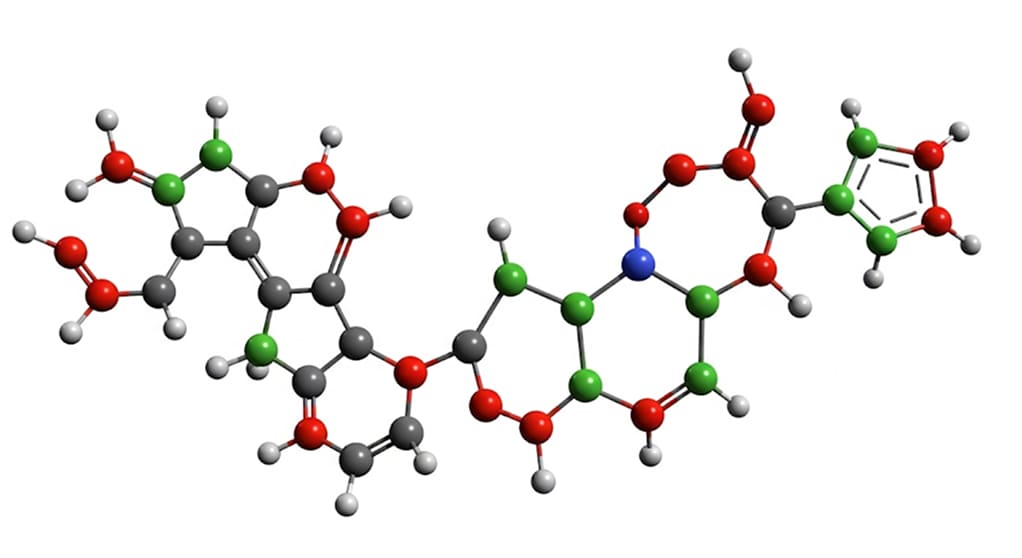
Racetams: The Classic Path to Enhanced Cognition
Racetams represent a class of synthetic compounds that are among the most studied and widely used nootropics. Their mechanism of action is linked to the modulation of the acetylcholine system in the brain, which plays a crucial role in learning and memory processes. Piracetam, the first in this class, was synthesized back in the 1960s and has since become a gold standard in nootropic pharmacology. It can improve interhemispheric communication, enhance glucose metabolism in the brain, and protect neurons from damage. The use of piracetam is often associated with improved verbal fluency, information processing speed, and the ability to memorize. Many consider piracetam to be one of the foundational nootropics that really work.
Other popular racetams, such as Aniracetam and Oxiracetam, possess similar yet unique properties. Aniracetam, for example, is known for its ability to enhance creative thinking and reduce anxiety, making it appealing for those seeking not only cognitive enhancement but also stress reduction. Oxiracetam, in turn, is often chosen for its stimulating effect, which can help boost concentration and mental energy. All racetams act by enhancing signal transmission between neurons, leading to more efficient brain function. These compounds are a cornerstone for those seeking nootropics that really work.
- Improved memory and learning capabilities.
- Enhanced focus and concentration.
- Neuroprotective effects, safeguarding brain cells.
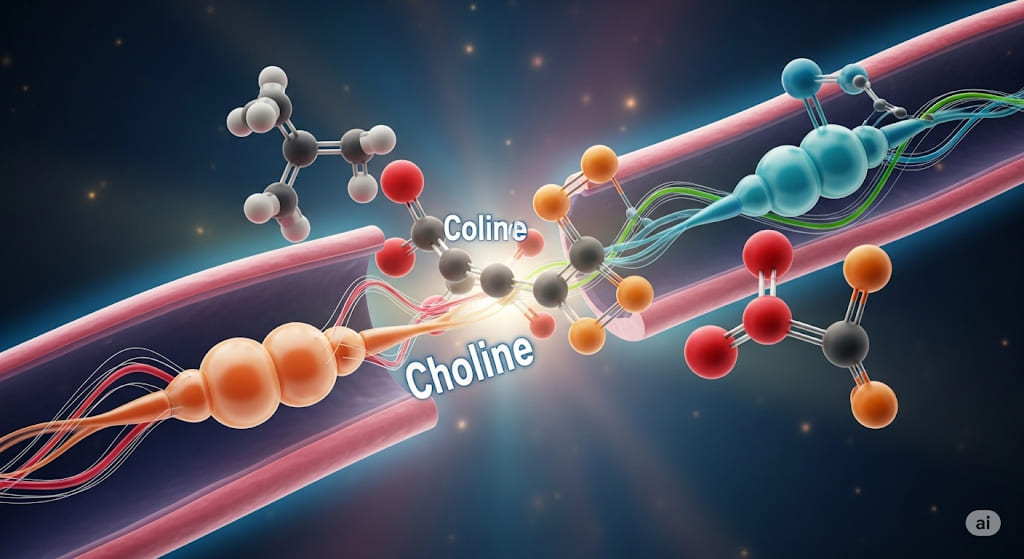
Cholinergic Compounds: Fueling Your Brain’s Performance
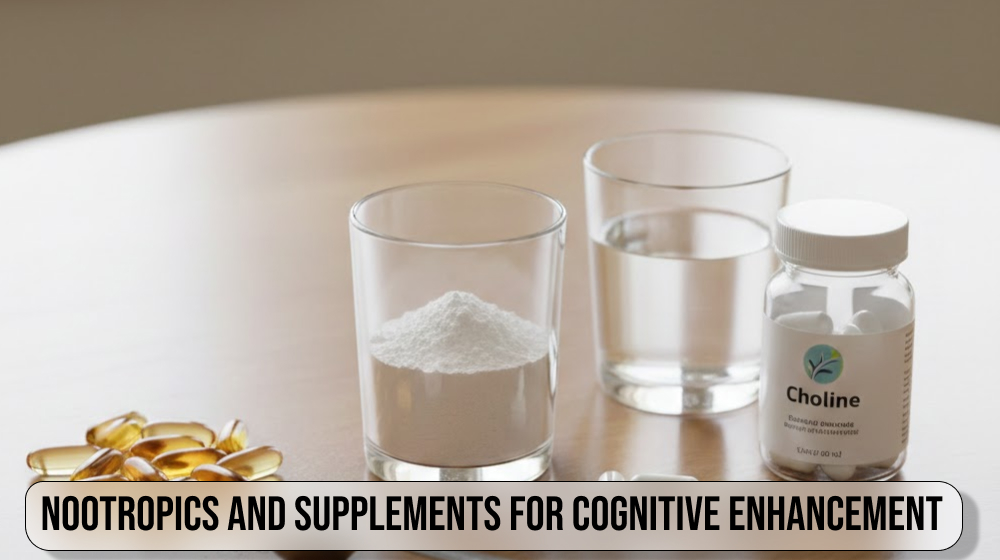
Choline is an essential precursor to acetylcholine, a neurotransmitter critically important for memory, learning, and attention. Sufficient choline levels in the body are necessary for optimal brain function, and a deficiency can lead to cognitive decline. Therefore, nootropics that increase choline levels or its derivatives are highly effective and are recognized as nootropics that really work. Among the most popular cholinergic nootropics are Alpha-GPC and Citicoline. Alpha-GPC (alpha-glycerophosphocholine) is a natural compound found in small amounts in certain foods and also synthesized in the body. It easily crosses the blood-brain barrier and is rapidly converted into acetylcholine, providing a quick and noticeable improvement in cognitive functions.
Citicoline, or CDP-choline, is another potent cholinergic compound that not only increases acetylcholine levels but also contributes to the synthesis of phospholipids, which are essential for building and repairing neuronal cell membranes. This dual action makes citicoline particularly valuable for maintaining brain health and improving its functionality. Regular intake of citicoline can help enhance attention, memory, and overall mental clarity, as well as provide neuroprotective benefits. Many users report that combining racetams with cholinergic compounds significantly amplifies the nootropic effects, cementing their status as nootropics that really work.
- Increases acetylcholine levels in the brain.
- Supports the health of neuronal cell membranes.
- Improves attention and concentration.

Natural Adaptogens: Nature’s Wisdom for Mental Clarity
Adaptogens are a class of natural substances that help the body adapt to stress and maintain homeostasis. They don’t directly stimulate but rather normalize the function of various bodily systems, including the nervous system. Among the adaptogens with pronounced nootropic properties, Rhodiola Rosea, Bacopa Monnieri, and Lion’s Mane stand out as nootropics that really work. Rhodiola Rosea is known for its ability to enhance mental and physical endurance, reduce fatigue, and improve mood. It acts by modulating neurotransmitters such as serotonin, dopamine, and norepinephrine, which contributes to improved cognitive function under stress.
Bacopa Monnieri, also known as Brahmi, is an ancient Ayurvedic herb traditionally used to improve memory and learning. Research has shown that Bacopa promotes the growth of dendrites, which enhances neuronal communication. It also possesses antioxidant properties, protecting the brain from oxidative stress. The Lion’s Mane mushroom (Hericium erinaceus) is another powerful adaptogen gaining popularity due to its neuroprotective properties. It stimulates the production of Nerve Growth Factor (NGF), which plays a critical role in the growth, survival, and regeneration of neurons. This can lead to improved memory, concentration, and a reduction in neurodegenerative processes. These natural powerhouses are truly nootropics that really work.
- Enhances stress resilience and reduces fatigue.
- Improves memory and learning capabilities.
- Stimulates neuronal growth and regeneration.
Amino Acids and Derivatives: Building Blocks for Better Brains
Certain amino acids and their derivatives play vital roles in brain function and can serve as effective nootropics. L-Theanine, for example, is an amino acid found in green tea. It’s renowned for its ability to promote a state of relaxed alertness by increasing alpha brain waves, which enhances focus and reduces stress without inducing drowsiness. L-Theanine is often taken in combination with caffeine, as it mitigates caffeine’s side effects like jitters and the “caffeine crash,” while simultaneously boosting its cognitive stimulating effects. This combination is often cited as a prime example of nootropics that really work.
Creatine, widely known as a supplement for athletes, also exhibits notable nootropic properties. It plays a crucial role in cellular energy metabolism, including in neurons. Supplemental creatine can increase phosphocreatine stores in the brain, providing additional energy for demanding cognitive tasks such as memory recall and problem-solving. Finally, N-Acetyl L-Tyrosine (NALT) is a derivative of the amino acid L-tyrosine. It serves as a precursor to dopamine and norepinephrine, neurotransmitters responsible for motivation, attention, and stress response. Taking NALT can help improve cognitive function during periods of stress or mental fatigue, supporting alertness and concentration. These amino acid-based compounds are key among nootropics that really work.
- Improves focus and reduces stress (L-Theanine).
- Increases brain energy reserves (Creatine).
- Supports motivation and concentration (NALT).
Peptide Nootropics: The Future of Cognitive Enhancement
Peptide nootropics represent a relatively new and promising class of compounds with the ability to modulate various processes in the brain. They differ from traditional nootropics in that they consist of short chains of amino acids and often exhibit high specificity of action. One of the most well-known peptide nootropics is Semax, developed in Russia. Semax is a synthetic analog of an adrenocorticotropic hormone fragment and is known for its ability to improve memory, attention, and information processing speed. Its action is linked to the modulation of neurotransmitter levels and the enhancement of neuroplasticity. Semax is rapidly gaining recognition as one of the nootropics that really work.
Another notable peptide is Cerebrolysin, a complex of peptides derived from pig brains. Cerebrolysin is widely used in clinical practice for the treatment of various neurological conditions, including stroke and dementia, due to its neuroprotective and neurotrophic properties. It supports neuronal survival, stimulates their growth, and improves synaptic plasticity, which in turn positively impacts cognitive functions. While peptide nootropics often require injection or specific administration methods, their potential in cognitive enhancement and neuroprotection makes them a subject of active research and development, solidifying their place as nootropics that really work.
- Enhances memory and information processing speed (Semax).
- Provides powerful neuroprotective and neurotrophic actions (Cerebrolysin).
- Shows great potential for treating neurological disorders.
- NAD+ metabolism and its roles in cellular processes during ageing
- Biomarkers of aging: what to track and how to influence
- What doctors and scientists say about liposomal technologies
Combined Nootropic Strategies: Synergy for Your Brain
The effectiveness of nootropics is often amplified when they are used in combination, a practice known as “stacking.” The idea is to combine different nootropics that act through distinct mechanisms to achieve a synergistic effect. For example, a popular combination is a racetam (e.g., Piracetam or Aniracetam) with a cholinergic source (e.g., Alpha-GPC or Citicoline). Racetams increase the brain’s demand for acetylcholine, and adding choline ensures sufficient “building blocks” for this neurotransmitter, preventing potential brain fog or headaches associated with choline depletion. This strategic pairing is a prime example of how to make nootropics that really work even better.
Another effective strategy is to combine adaptogens with stronger nootropics. For instance, taking Rhodiola Rosea alongside a stimulant like modafinil (while not a pure nootropic, it’s used for alertness) can help mitigate potential side effects of the stimulant and provide a more balanced state of wakefulness and concentration. It’s important to note that when creating your own nootropic stack, you must thoroughly research the interactions of each component and start with low dosages, gradually increasing them to assess your individual response. Responsible stacking helps unlock the full potential of nootropics that really work.
- Amplifies nootropic effects through synergy.
- Helps prevent or mitigate side effects.
- Optimizes cognitive functions for specific tasks.

Important Considerations for Nootropic Use: Safety First
When using nootropics, as with any supplement, it’s crucial to adhere to principles of safety and common sense. Always start with the minimum effective dose and gradually increase it only if necessary and safe. It’s vital to thoroughly research each nootropic, its mechanisms of action, potential side effects, and contraindications. Consulting a doctor or a qualified biohacking specialist before beginning any nootropic regimen is mandatory, especially if you have chronic health conditions or are taking other medications. Self-medication can lead to undesirable outcomes. Understanding safety is key to ensuring you are taking nootropics that really work for you.
Beyond nootropic intake, don’t forget the fundamental aspects of a healthy lifestyle that form the bedrock for optimal brain function. Sufficient sleep (7-9 hours per night), a balanced diet rich in omega-3 fatty acids, antioxidants, and vitamins, regular physical activity, and stress reduction techniques (meditation, yoga) play an equally, if not more, important role in enhancing cognitive functions. Nootropics are tools for optimization, not magic pills that replace a healthy lifestyle. Approach the matter holistically, and your brain will thank you. Ultimately, true cognitive enhancement comes from a combination of smart choices, including well-researched nootropics that really work.
- Begin with minimal doses and exercise caution.
- Always consult a doctor or qualified professional.
- Combine nootropic intake with a healthy lifestyle.