
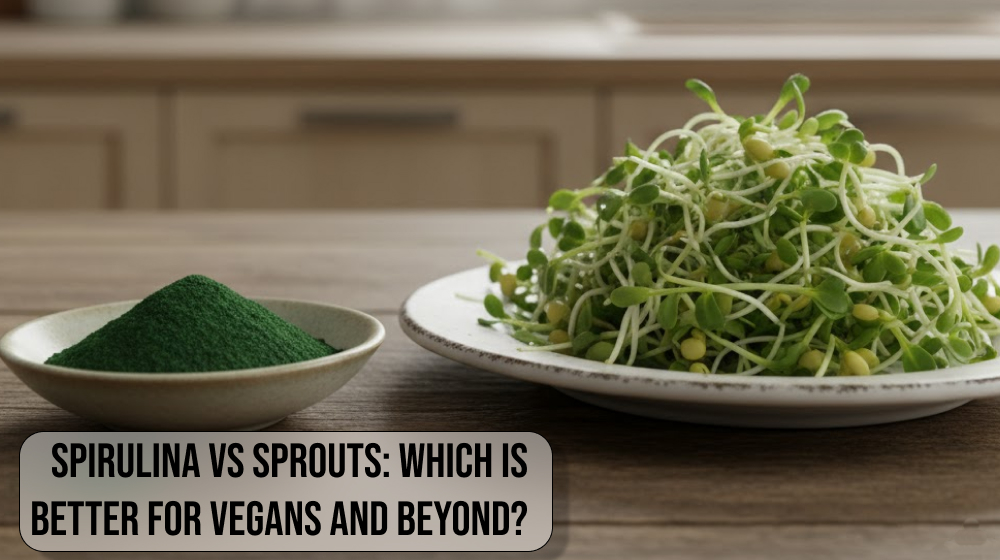
Spirulina vs sprouts: which is better for vegans and beyond? Spirulina is a blue-green microalgae that has gained popularity as a superfood due to its exceptionally high nutrient content. It provides a complete spectrum of essential amino acids, iron, B vitamins, and antioxidants such as phycocyanin, making it an ideal choice for vegans who may lack sufficient protein sources from animal products. Spirulina is highly digestible, which allows the body to efficiently absorb its nutrients, and it can easily be added to smoothies, juices, energy bars, or shakes. Its convenience and nutritional density make it a staple for those looking to support energy, immunity, and overall wellness.
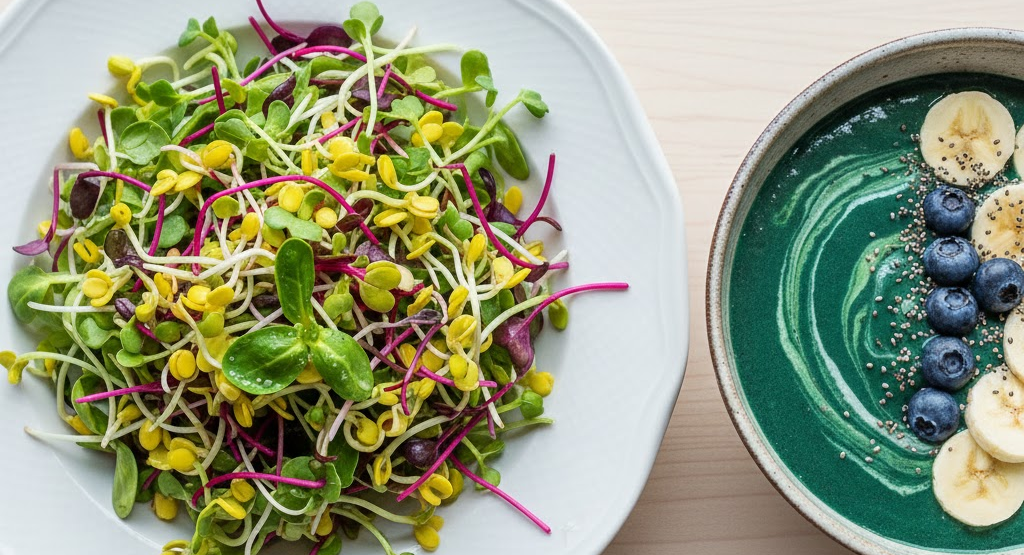
On the other hand, sprouts are young seedlings of grains, legumes, or seeds that are packed with vitamins, minerals, and digestive enzymes. These enzymes aid nutrient absorption and improve digestion, making sprouts a valuable addition to a plant-based diet. Sprouts are often eaten fresh in salads, sandwiches, or blended into smoothies. Although they contain less protein than spirulina, they provide a diverse array of micronutrients and are easy to grow at home, ensuring freshness and accessibility.
When comparing spirulina and sprouts, the choice largely depends on dietary goals: spirulina excels as a protein and antioxidant source, while sprouts are better for digestion, detoxification, and vitamin intake. Combining both can deliver a broader range of nutrients for vegans and health-conscious individuals.
Nutritional Value of Spirulina
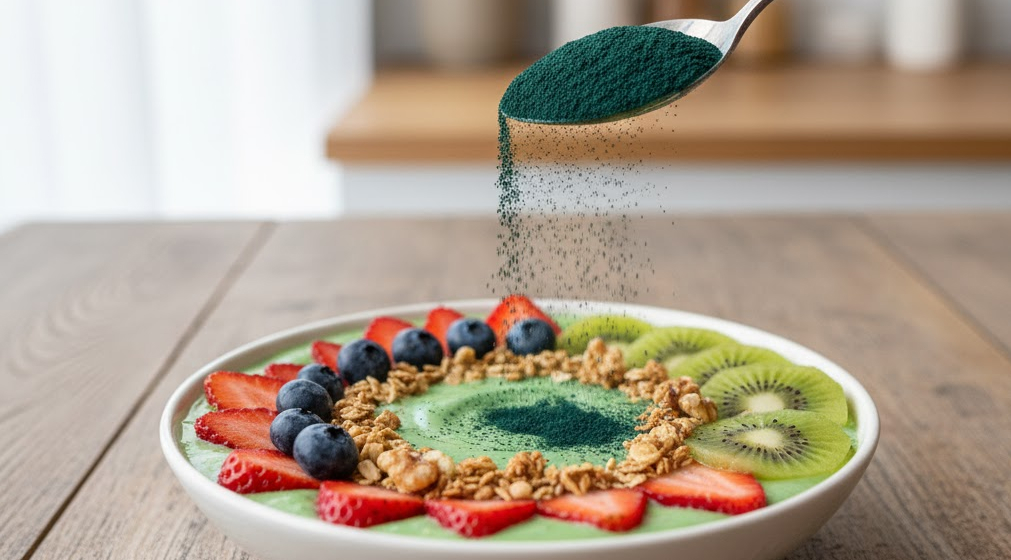
Spirulina is recognized as one of the most nutrient-dense superfoods available, offering an impressive concentration of plant-based nutrients that support overall health. Up to 60–70% of spirulina’s dry weight consists of easily digestible protein, making it one of the highest plant-based protein sources. It contains all essential amino acids, including lysine and methionine, which are often limited in vegan diets. Additionally, spirulina provides significant amounts of iron, magnesium, calcium, and zinc, which are critical for energy production, bone health, and enzymatic functions in the body. Regular consumption of spirulina can help prevent nutrient deficiencies common in strict plant-based diets and enhance physical performance and recovery.
Beyond protein and minerals, spirulina is loaded with antioxidants that combat oxidative stress and protect cells from damage caused by free radicals. Key antioxidants such as phycocyanin and beta-carotene support immune function, reduce inflammation, and promote healthy skin, eyes, and cognitive performance. Spirulina also contains small amounts of essential fatty acids like gamma-linolenic acid (GLA), which support cardiovascular health and hormone balance. Its nutrient density makes it particularly useful for vegans, athletes, and anyone seeking to enhance their overall wellness naturally.
- High-quality, complete plant protein
- Rich in essential minerals: iron, magnesium, zinc, calcium
- Powerful antioxidants for immune and cellular support
Nutritional Value of Sprouts
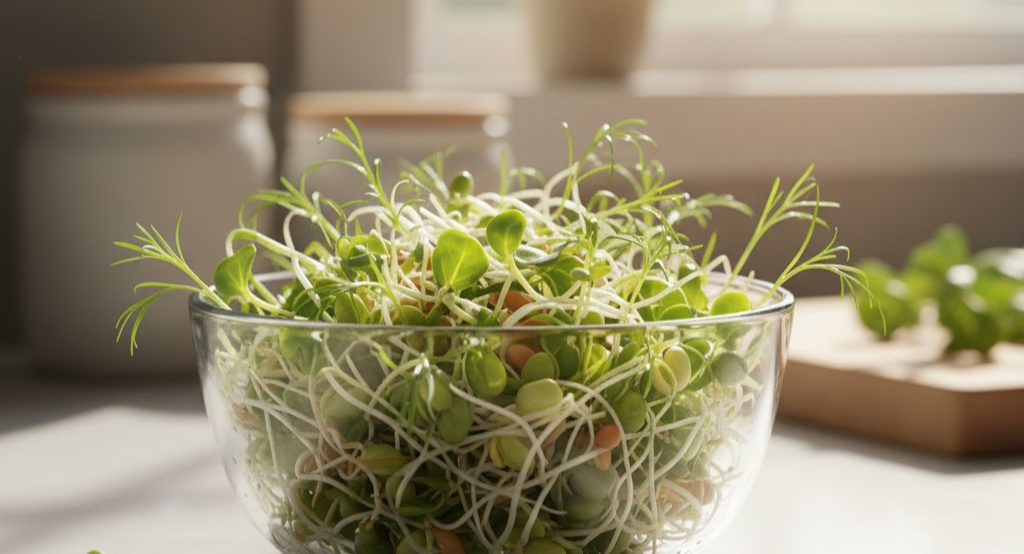
Sprouts are young, germinated plants that provide an exceptional combination of vitamins, minerals, and bioactive compounds. Although lower in protein than spirulina, they deliver a wide spectrum of nutrients in an easily digestible form. They are particularly rich in vitamins A, C, and K, which support eye health, collagen synthesis, bone health, and immune function. Minerals such as potassium, phosphorus, and magnesium contribute to heart health, electrolyte balance, and muscular function. Additionally, sprouts are abundant in phytonutrients and chlorophyll, which promote detoxification, reduce oxidative stress, and enhance liver and digestive health.
One of the most significant benefits of sprouts is the presence of enzymes that aid in breaking down complex nutrients, making vitamins and minerals easier to absorb. Sprouts from legumes, grains, and seeds also provide amino acids that may be missing in a vegan diet, complementing other protein sources. Their combination of antioxidants, vitamins, and enzymes makes sprouts an excellent choice for daily nutrition and maintaining overall vitality. Regular consumption of sprouts supports digestion, boosts energy levels, and contributes to long-term health maintenance.
Comparing Nutrient Absorption
When comparing spirulina vs sprouts, one of the most important aspects to consider is how efficiently the body can absorb and utilize nutrients from each source. Spirulina contains a highly bioavailable form of plant-based protein, delivering all essential amino acids in the correct balance for muscle maintenance, immune support, and metabolic health.
Unlike many plant foods that require extensive digestion, spirulina’s protein is almost completely absorbable — nearly 90–95% — allowing the body to use it quickly for cellular repair and energy. Its iron and B vitamins, particularly B12, are in easily digestible forms that enhance oxygen transport and cognitive performance. Additionally, spirulina’s antioxidants such as phycocyanin and beta-carotene protect cells from oxidative stress and promote faster recovery after physical or emotional strain. For athletes, vegans, and biohackers, spirulina provides immediate, efficient nutrient delivery without digestive discomfort or heavy food volume.
- Spirulina – provides nearly complete protein absorption
- Rich in B vitamins and antioxidants for optimal metabolism
- Supports recovery, muscle function, and immune response
Sprouts, on the other hand, offer a different type of bioavailability that comes from their living enzymatic activity. These enzymes break down macronutrients — carbohydrates, fats, and proteins — into simpler, more absorbable forms, which significantly enhances nutrient uptake throughout the digestive system. This enzymatic boost makes vitamins A, C, K, and minerals such as magnesium, potassium, and phosphorus more accessible to the body.
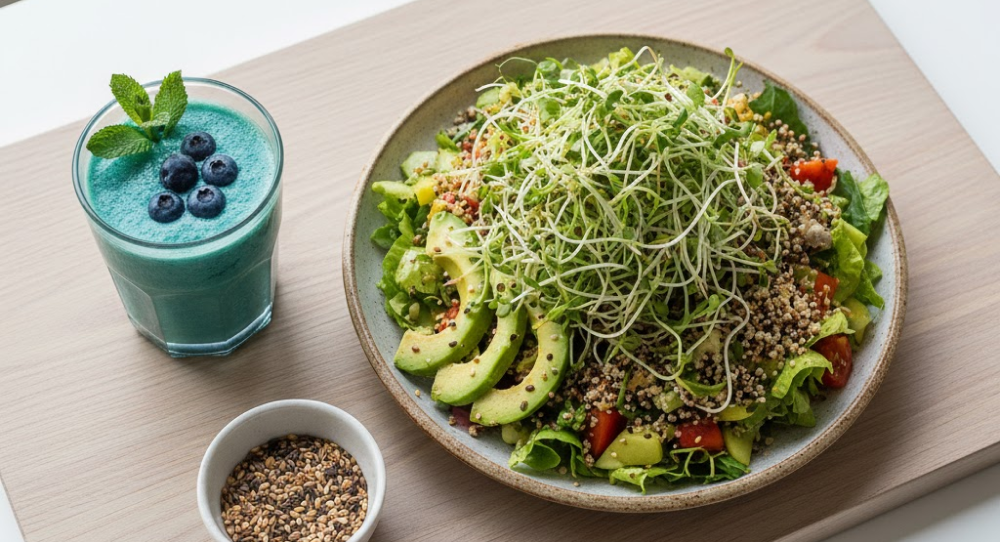
Sprouts also contain chlorophyll, which improves oxygen transport and assists in gentle detoxification, supporting liver and gut function. When spirulina and sprouts are combined, the result is a complete and synergistic nutritional profile: spirulina provides concentrated, fast-absorbing macronutrients and antioxidants, while sprouts improve digestion and absorption efficiency. This partnership is ideal for vegans, athletes, and health-focused individuals who want to maximize their nutrient intake and metabolic performance naturally.
Benefits for Vegans
For vegans, spirulina serves as a key source of plant-based protein and essential B vitamins, especially B12, which is challenging to obtain from non-animal foods. Regular consumption supports energy levels, cognitive performance, and immune system function, addressing common deficiencies in plant-based diets. Spirulina’s antioxidants and anti-inflammatory compounds further enhance overall wellness and recovery from physical or mental stress.
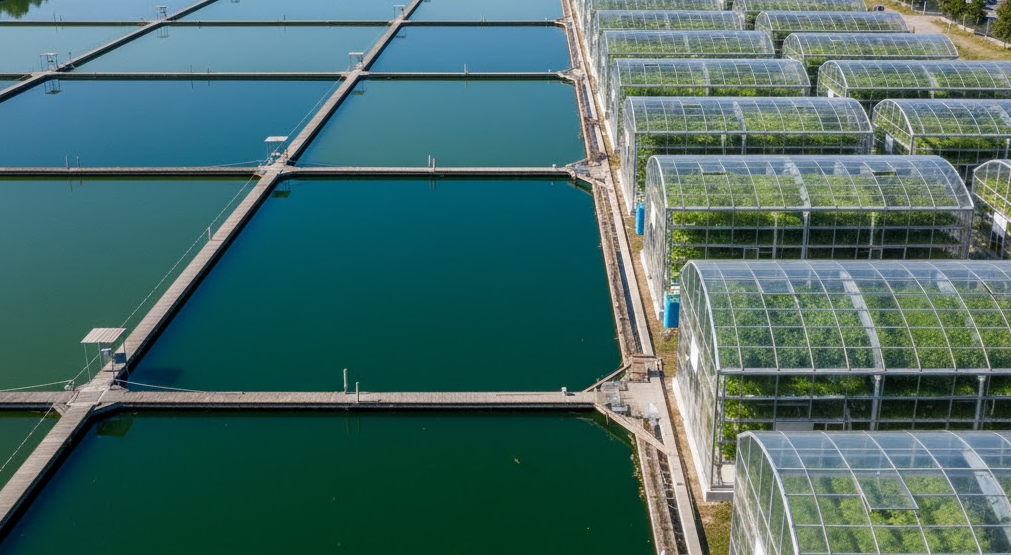
Sprouts complement spirulina by providing fresh vitamins, minerals, and bioactive enzymes that improve digestion and nutrient absorption. Together, spirulina and sprouts provide a comprehensive nutrient profile that supports lean muscle maintenance, energy, immunity, and digestive health. This combination ensures vegans can maintain optimal health without relying on animal-derived products.
Ease of Use and Accessibility
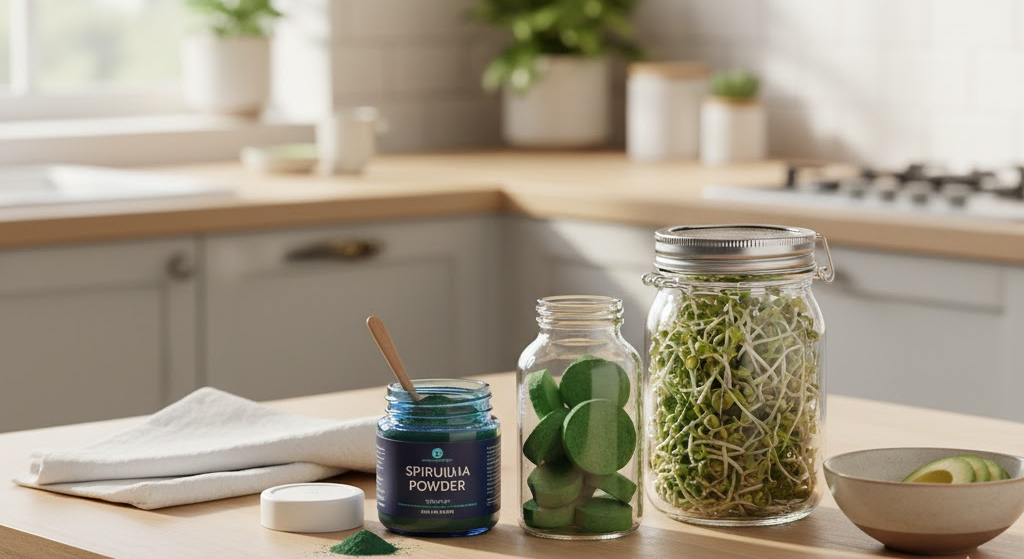
Spirulina is an exceptionally convenient and practical superfood for daily consumption, especially for busy individuals or anyone seeking a fast, nutrient-dense option. It is available in powder, tablet, or capsule forms, which allows effortless incorporation into a variety of meals and drinks. The powdered form can be added to smoothies, juices, yogurt, soups, or salads without significantly altering flavor, while tablets and capsules provide a quick and precise way to consume a recommended dose.
Another major advantage is the long shelf life of spirulina when stored correctly, which preserves its protein content, essential minerals, vitamins, and antioxidants over time. This makes spirulina an ideal choice for vegans, athletes, or anyone looking to maintain a consistent source of plant-based protein, vitamins, and micronutrients year-round. Its convenience and versatility mean it can fit seamlessly into a modern lifestyle, delivering concentrated nutrition without requiring cooking or preparation, which is a significant advantage for those balancing work, training, or other daily commitments.
Sprouts, in contrast, require more attention and fresh consumption to maximize nutritional benefits. Growing sprouts at home or buying fresh sprouts from reliable sources provides access to live enzymes, vitamins, and minerals, but they require proper handling, regular maintenance, and short-term storage for peak freshness. Despite the extra effort, sprouts are highly nutrient-dense and enzymatically active, aiding digestion, nutrient absorption, and overall energy.
For health-conscious individuals who prioritize organic and fresh foods, sprouts offer a unique advantage: they deliver nutrients in their most natural and biologically available form. Combining spirulina and sprouts creates a powerful nutritional synergy, offering both convenience and freshness. This combination is ideal for vegans, athletes, and wellness enthusiasts, enabling an easy, nutrient-complete, plant-based diet without compromising either practicality or nutritional quality.
Final Thoughts on “Spirulina vs Sprouts: Which Is Better for Vegans and Beyond?“
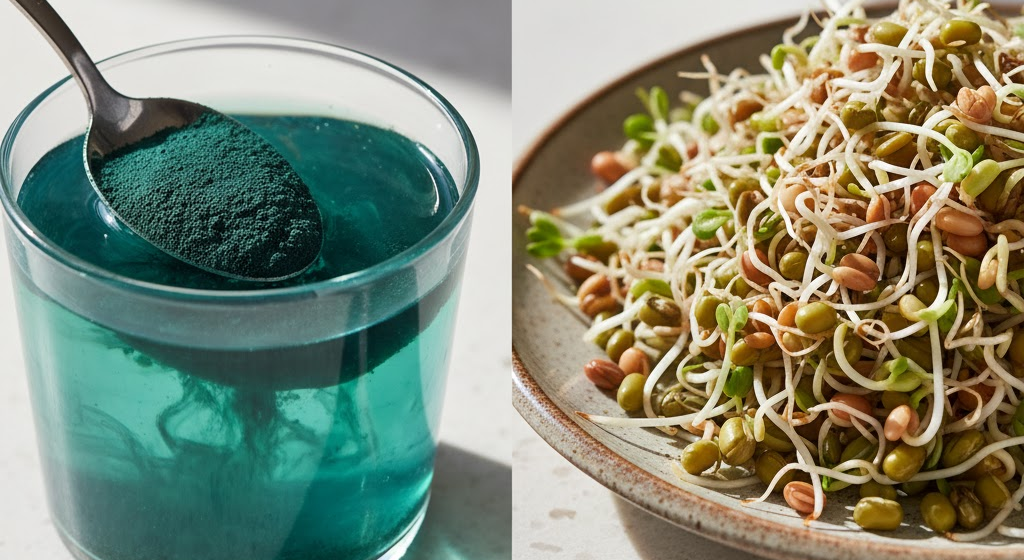
In the ongoing debate of spirulina vs sprouts, there isn’t a single winner — rather, both play unique and complementary roles in supporting vegan nutrition and overall wellness. Spirulina stands out as a nutrient powerhouse, offering an unparalleled concentration of plant-based protein, iron, B vitamins, and antioxidants in a compact form. It provides immediate nourishment with superior bioavailability, making it ideal for people who lead active lifestyles or need rapid nutrient replenishment. Its ability to strengthen immunity, support energy metabolism, and promote cellular recovery makes spirulina a favorite among biohackers, athletes, and plant-based eaters seeking efficient, high-impact nutrition.
Sprouts, in contrast, represent the vitality of fresh, living foods. Their enzymatic richness, fiber, and chlorophyll content make them an excellent ally for digestion, detoxification, and gut health. They bring balance to a plant-based diet by providing freshness, hydration, and active enzymes that improve nutrient absorption. While spirulina delivers dense nutrition in a spoonful, sprouts contribute diversity, texture, and vitality to meals, connecting people to food in its most natural and regenerative form.
- Spirulina – ideal for high-density, quick nutrition
- Sprouts – perfect for digestion, detox, and daily freshness
- Together – they form a complete plant-based synergy
Ultimately, the smartest approach isn’t to choose between them but to combine both. Spirulina and sprouts complement each other perfectly — one offering concentrated strength, the other living vitality — creating a sustainable foundation for long-term health, energy, and mindful plant-based living.