
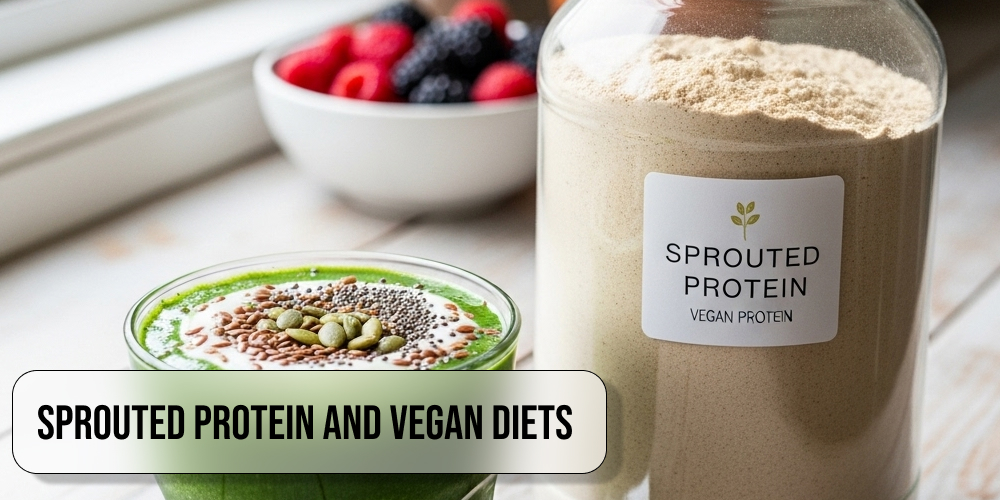
Vegan diets require special attention to protein sources, as traditional animal products are completely excluded. In this context, sprouted protein—derived from sprouted grains and legumes—has gained significant attention. During sprouting, enzymes are activated, anti-nutrients are broken down, and amino acid content increases, making the protein more bioavailable. For people who avoid meat and dairy, this is a real breakthrough, as the body receives not only a complete protein complex but also an additional set of vitamins and minerals.
Moreover, sprouted protein has a milder taste and better digestibility compared to regular protein powders. Vegans appreciate it for its ease on the stomach, absence of bloating, and overall comfort. This product is highly versatile: it can be added to smoothies, porridge, baked goods, and protein shakes. Thus, sprouted protein becomes not just a replacement, but an enhanced option for complete plant-based nutrition.
Benefits:
- High amino acid bioavailability
- Easy digestion without heaviness
- Additional vitamins and minerals from sprouts
Sprouted Protein and Amino Acid Profile
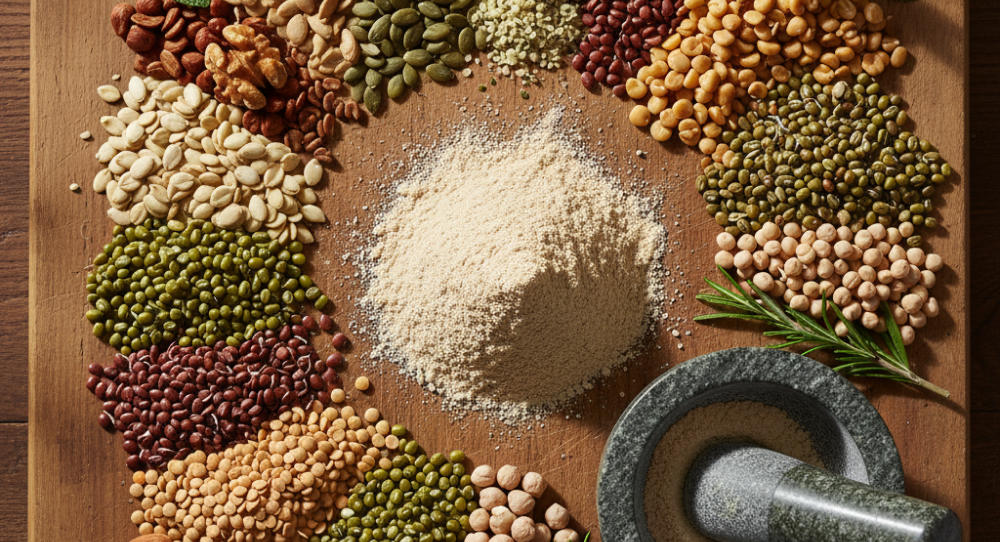
The main purpose of protein in a vegan diet is to provide the body with all essential amino acids. However, standard plant-based sources often lack certain amino acids. Sprouted protein solves this problem: after sprouting, the amino acid profile becomes richer. For example, lysine and methionine levels increase during enzyme activation, which are often deficient in plant-based diets.
This makes sprouted protein a valuable alternative to animal proteins. It helps form complete protein chains, supporting muscle growth, tissue repair, and overall health. For vegans who lead active lifestyles or exercise regularly, this is particularly important. Sprouting also reduces phytic acid content—substances that interfere with mineral absorption—ensuring the body gets more benefit from each serving.
Key Points:
- Balanced amino acid composition
- Reduced nutrient deficiencies
- Enhanced protein absorption efficiency

Sprouted Protein in Vegan Sports Nutrition
Many vegan athletes face the challenge of finding a protein that digests easily and doesn’t cause discomfort. Sprouted protein addresses this perfectly. Thanks to its high bioavailability, amino acids are quickly delivered to muscles, aiding recovery after workouts. This is especially crucial for strength and endurance training, where protein requirements are higher.
Sprouted protein also shortens recovery time. It doesn’t overload the digestive system, allowing the body to focus on tissue regeneration. This makes it competitive even against whey protein, traditionally used in sports. For vegans, sprouted protein is not a compromise but a complete solution for athletic nutrition.
Why Athletes Choose It:
- Rapid amino acid delivery to muscles
- Digestive-friendly
- Suitable for vegan and gluten-free diets

Gut-Friendly Benefits of Sprouted Pea Protein
One of the main advantages of sprouted protein for vegans is its positive impact on the digestive system. Traditional soy or pea protein powders can often cause bloating, gas, and heaviness. Sprouting reduces anti-nutrients and makes the protein easier to digest, which is particularly important for those with sensitive stomachs.
Sprouted protein not only provides protein but also supports gut microbiome balance. Thanks to enzymatic activity from the sprouting process, it promotes gentle digestion. This makes it suitable even for people with chronic digestive issues who struggle with conventional protein powders.
Gut Health Benefits:
- Minimal bloating and gas
- Supports gut microbiome balance
- Suitable for sensitive stomachs
Energy and Satiety Support
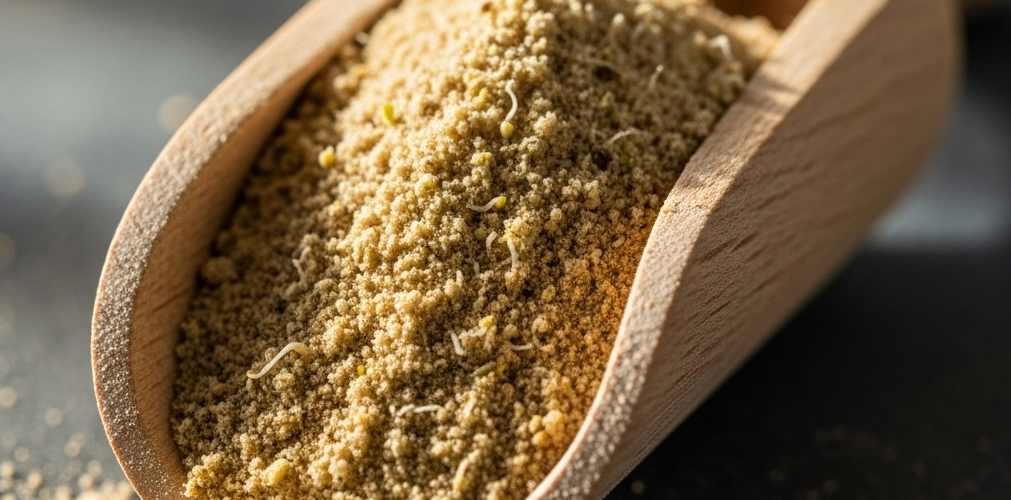
Sprouted pea protein is not just about gut health—it also plays a crucial role in maintaining energy levels throughout the day. Because of its high bioavailability, the body can efficiently absorb amino acids and other nutrients, providing sustained energy without sudden spikes or crashes often associated with carbohydrate-heavy snacks. This makes sprouted protein an excellent choice for vegans looking to stay productive at work, school, or during workouts.
Additionally, sprouted protein contributes to satiety, helping individuals feel fuller for longer periods. Its protein-rich content slows down digestion, which can prevent overeating and support weight management goals. For those following a vegan diet, incorporating sprouted pea protein into meals or smoothies ensures that energy needs are met without relying on processed or high-sugar foods, making it a practical, healthy, and natural solution for maintaining steady energy throughout the day.
Key Benefits:
- Provides sustained energy without sugar crashes
- Supports feelings of fullness and satiety
- Suitable for active vegan lifestyles
Versatile Use in Vegan Meals
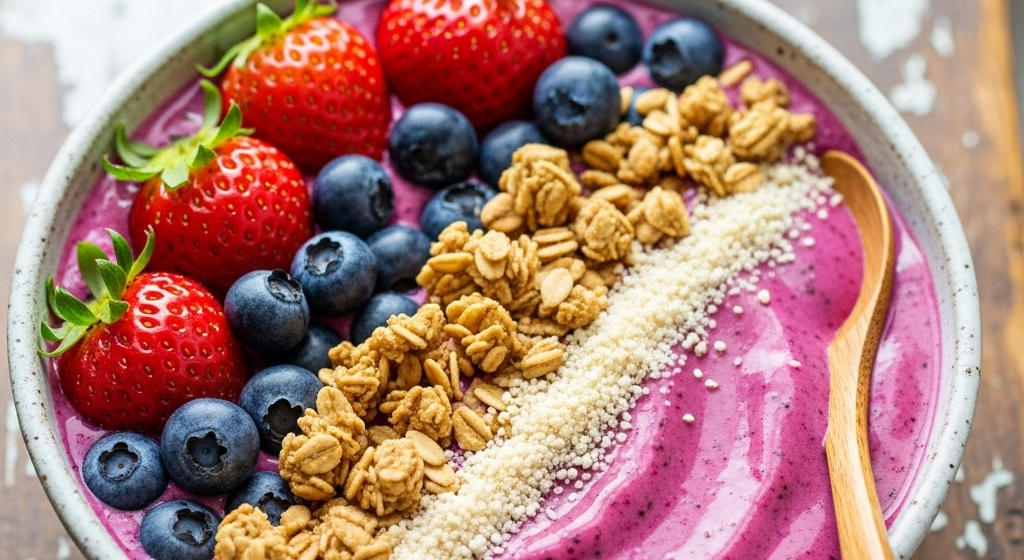
One of the reasons sprouted protein has gained popularity among vegans is its versatility in meal preparation. Unlike some protein powders that have strong flavors or gritty textures, sprouted pea protein has a mild, slightly nutty taste that blends easily into smoothies, soups, baked goods, or even protein bars. This flexibility makes it easy to integrate into a variety of meals without altering the overall flavor profile.
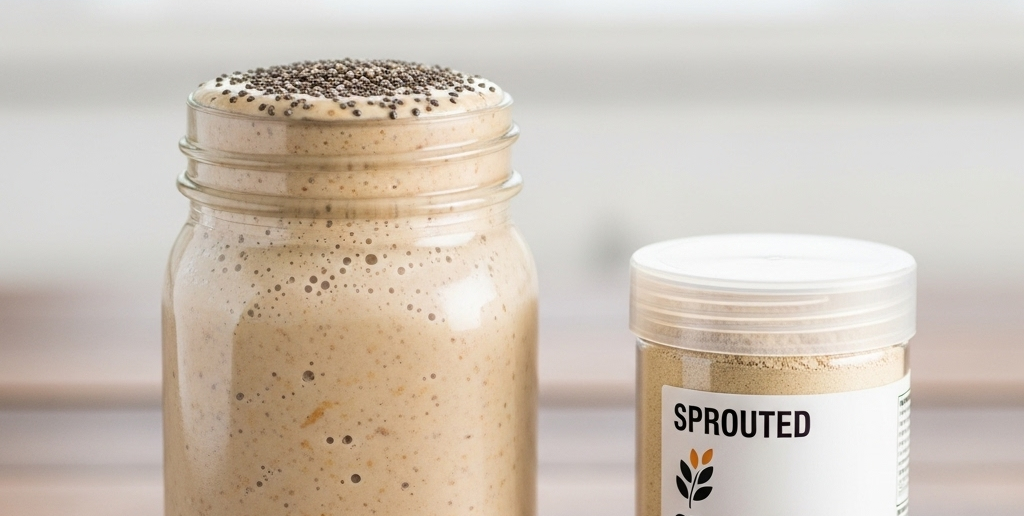
Sprouted protein can also be used as a base for functional drinks, such as protein shakes or post-workout smoothies, providing both nutritional support and digestive comfort. Its texture and solubility ensure a smooth consistency, whether mixed with water, plant-based milk, or other ingredients. For vegans seeking convenient ways to increase daily protein intake, sprouted pea protein is an excellent ingredient that enhances both nutrition and enjoyment in meals.
Key Benefits:
- Blends easily into a variety of dishes and drinks
- Mild taste suitable for diverse recipes
- Convenient way to boost daily protein intake
Enhanced Nutrient Absorption
Another significant advantage of sprouted protein for vegans is its ability to improve nutrient absorption. During the sprouting process, enzymes break down compounds like phytic acid, which are naturally found in seeds and legumes and can inhibit the absorption of essential minerals such as iron, zinc, and magnesium. By reducing these anti-nutrients, sprouted protein allows the body to access a higher percentage of vitamins and minerals, making every serving more nutritionally effective.
This enhanced bioavailability makes sprouted pea protein especially valuable for individuals on a vegan diet, where plant-based sources of certain nutrients can be less readily absorbed than their animal-based counterparts. Consuming sprouted protein regularly helps bridge nutritional gaps, supporting overall health, bone strength, and energy metabolism. Its combination of high-quality protein and improved mineral absorption makes it an essential component of a well-rounded vegan diet.
Key Benefits:
- Reduces anti-nutrients that block mineral absorption
- Improves uptake of iron, zinc, and magnesium
- Supports overall nutritional balance

Final Thoughts
Incorporating sprouted protein into a vegan diet offers a host of benefits that go beyond just protein content. Unlike traditional plant-based protein powders, sprouted protein undergoes a natural process that enhances nutrient availability and digestibility, making it a superior choice for those seeking optimal health. By germinating seeds or legumes before processing them into protein powder, sprouted protein improves the bioavailability of amino acids, ensuring that the body can more efficiently utilize the building blocks necessary for muscle repair, immune function, and overall metabolic health. This makes it an essential dietary addition for vegans who may otherwise struggle to obtain complete proteins from plant-based sources.
One of the standout features of sprouted protein is its gentle effect on the digestive system. Traditional protein powders, especially those derived from legumes, can sometimes cause bloating, gas, or discomfort due to the presence of anti-nutrients and complex carbohydrates. Sprouting helps break down these compounds, resulting in a protein that is much easier to digest. For vegans, this means they can enjoy high-quality protein without the digestive stress often associated with plant-based powders. The smooth digestion also contributes to a steady release of energy, avoiding the blood sugar spikes and crashes that can occur with some other protein sources.
Another compelling advantage of sprouted protein is its contribution to micronutrient intake. Sprouting increases the availability of minerals such as iron, magnesium, zinc, and calcium, all of which are vital for energy production, bone health, and immune support. In a vegan diet, where these nutrients may be less bioavailable from unprocessed plant sources, sprouted protein serves as a functional superfood, providing both macronutrients and essential vitamins and minerals in a single, convenient serving. Its incorporation into smoothies, shakes, or baking recipes allows vegans to seamlessly enhance their nutrient intake without dramatically altering their meals.
From a lifestyle perspective, sprouted protein aligns perfectly with modern functional nutrition trends. It is versatile, easy to integrate into a variety of recipes, and supports both active and sedentary lifestyles by offering complete protein alongside bioavailable minerals. Whether used as a post-workout recovery supplement, a meal replacement, or simply as an addition to breakfast smoothies, sprouted protein ensures that vegans can meet their daily protein needs while also supporting gut health, energy metabolism, and overall wellbeing.
In summary, sprouted protein offers multiple advantages over traditional plant-based proteins. Its enhanced digestibility, increased nutrient absorption, and comprehensive amino acid profile make it a highly functional food that addresses common nutritional gaps in vegan diets. By choosing sprouted protein, vegans can enjoy a protein source that supports muscle health, energy levels, and micronutrient intake, all while being gentle on the digestive system. Incorporating it into daily nutrition routines can provide long-term benefits, from improved athletic performance to enhanced overall wellness.
Key Takeaways:
- Sprouted protein offers enhanced digestibility and nutrient absorption
- Supports complete amino acid intake for muscle and metabolic health
- Provides bioavailable minerals crucial for bone and immune health