
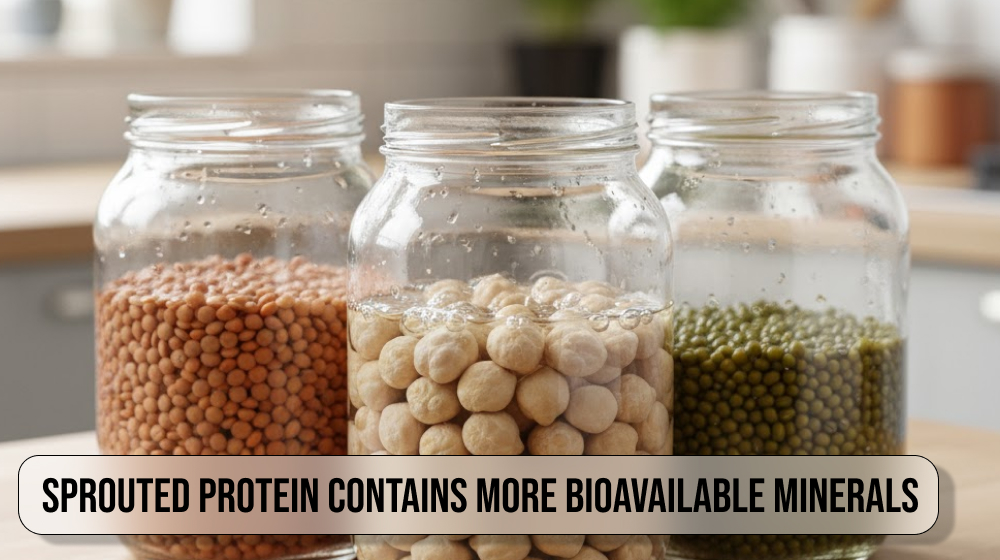
Sprouted protein refers to the protein derived from grains, legumes, or seeds that have undergone germination — a natural process where the seed begins to grow under controlled moisture and temperature. During this phase, enzymes activate and start breaking down complex compounds into simpler, more digestible forms. The most significant transformation is the release of bound minerals, making them easier for the body to absorb. That’s why sprouted protein contains more bioavailable minerals compared to raw or heavily processed sources.
As the seed sprouts, natural enzymes dismantle phytates — compounds that lock up essential minerals and prevent their absorption. Once these barriers are broken down, key minerals like iron, zinc, calcium, and magnesium become more soluble and ready for uptake in the digestive tract. In short, sprouting increases the nutritional potency of plant-based proteins by making minerals “active,” or available for metabolic use. This explains why sprouted protein plays a central role in biohacking and modern nutrition.
- Main mechanism: Reduction of phytates that inhibit mineral absorption.
- Key minerals improved: Iron, zinc, calcium, and magnesium.
- Result: Higher solubility and enhanced mineral bioavailability.
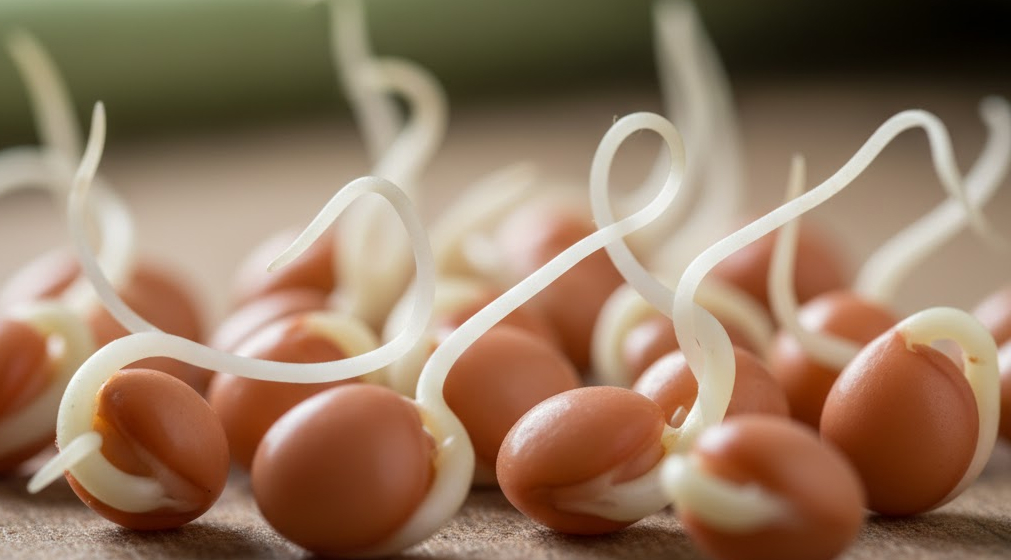
Phytate Reduction — The Core Mechanism Behind Mineral Availability
Phytates, or phytic acid, naturally occur in seeds and grains as storage molecules for phosphorus. However, they also bind tightly to metal ions like iron and zinc, forming insoluble complexes that the body can’t digest. During sprouting, the enzyme phytase becomes active and breaks down these phytates. The result is simple but powerful — previously “locked” minerals are freed and can now be absorbed efficiently. Think of phytates as “locks” and sprouting as the biological “key” that opens them.
Alongside phytate breakdown, germination slightly alters seed structure, softening fiber and making internal nutrients more accessible. This not only improves mineral absorption but also enhances protein digestibility, since the same enzymatic activity reduces anti-nutrients that interfere with digestion. For anyone focused on optimizing nutrition naturally, sprouted protein offers an evidence-based way to unlock more minerals without supplementation.

The Role of Organic Acids and Vitamin C in Absorption
When seeds germinate, they begin producing organic acids (like citric and malic acid) and sometimes even vitamin C. These compounds act as chelators — they form soluble complexes with minerals that pass easily through intestinal walls. This is particularly crucial for iron, which becomes more bioavailable when bound to acids or reduced by ascorbic acid (vitamin C). In this way, sprouted protein not only frees minerals from inhibitors but also supports their transport into the bloodstream.
Additionally, partial protein hydrolysis occurs during sprouting, releasing peptides and amino acids that can bind minerals into forms the body recognizes. The effect is cumulative — fewer inhibitors plus more carriers equals better mineral absorption. Studies consistently show that sprouted grains and legumes provide higher bioavailability of iron, zinc, and calcium compared to their raw counterparts.
- Organic acids and vitamin C act as natural mineral enhancers.
- Peptides from protein hydrolysis help transport minerals effectively.
- Cumulative effect: Strong synergy that boosts mineral absorption.
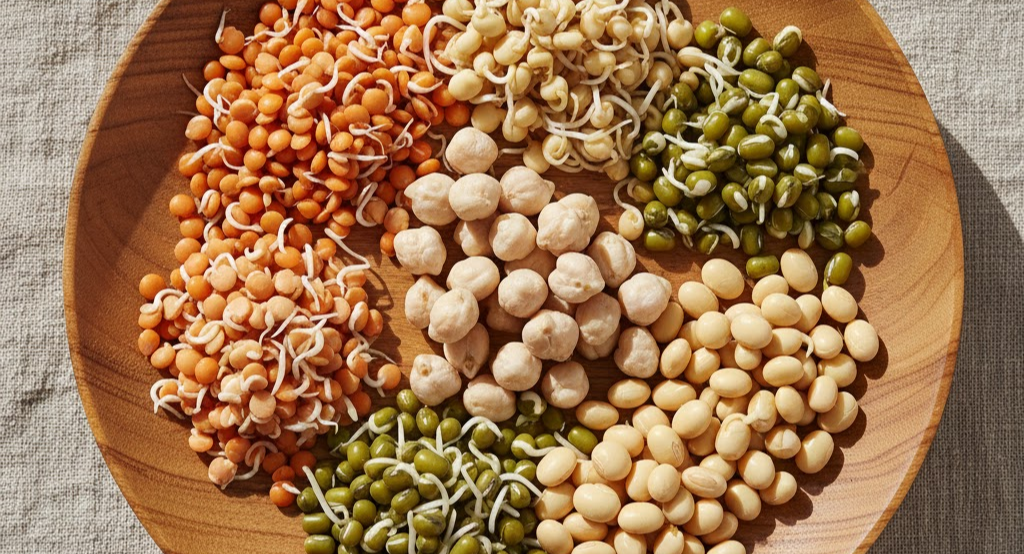
Which Seeds and Legumes Deliver the Strongest Effect
Not all seeds and legumes deliver the same boost in mineral bioavailability during sprouting. The difference lies in their natural phytate levels, mineral composition, and enzyme potential. Legumes such as lentils, chickpeas, soybeans, and mung beans demonstrate the most significant improvements after germination because they start with high phytate content — giving the phytase enzyme more to break down. Once the phytates are degraded, minerals like iron, zinc, magnesium, and calcium become more soluble and accessible. Among these, mung beans and lentils stand out for their fast sprouting time and balanced nutrient profile, making them top choices for those seeking both digestible protein and bioavailable minerals.
Whole grains, including wheat, rye, barley, and oats, also benefit from sprouting, though their improvements vary depending on grain structure and mineral density. Sprouting reduces fiber rigidity and increases the activity of amylase and protease enzymes, improving both mineral absorption and protein digestibility. Pseudograins like quinoa, buckwheat, and amaranth already contain fewer anti-nutrients, but even they show noticeable improvements in mineral bioavailability after sprouting — especially in terms of iron and magnesium. The overall takeaway: the denser and more complex the seed, the greater the benefit sprouting can deliver in releasing locked nutrients.
However, it’s important to remember that sprouting does not increase the total amount of minerals — it simply enhances their bioavailability. Seeds that are already rich in minerals will offer the greatest overall benefit once sprouted, while those naturally lower in micronutrients will still improve but to a lesser extent. For optimal nutrition, combine different sprouted sources — for example, mix lentil sprouts with sprouted quinoa or oats — and pair them with foods high in vitamin C to further enhance iron absorption.
Improved Digestion and the Role of Enzymatic Activity
One of the most overlooked advantages of sprouted protein is its effect on digestion. During germination, the seed’s natural enzymes become active and begin breaking down complex molecules into simpler, more bioavailable components. This includes protease activation, which starts the partial hydrolysis of proteins into small peptides and free amino acids. As a result, the digestive system has to do less work — the proteins in sprouted legumes and grains are easier to break down and absorb. This not only improves amino acid uptake but also enhances the way minerals bind and travel through the intestinal wall, since these peptides can carry essential nutrients like iron and zinc across cell membranes.
Another important change is the reduction of anti-nutrients such as protease inhibitors and oligosaccharides, which can cause bloating, discomfort, and reduced protein utilization. As these compounds break down, the body experiences smoother digestion and better tolerance to legumes, which are often criticized for causing gas. Sprouting effectively “pre-digests” the seed — it converts resistant starches and fibers into more manageable forms, improves gut comfort, and increases the efficiency of nutrient extraction. For many people, this means they can enjoy plant-based proteins more regularly without digestive issues, leading to consistent mineral intake and better overall nutritional balance.
Additionally, the enzymatic transformation during sprouting boosts the activity of amylases and lipases, enzymes that break down carbohydrates and fats. This makes sprouted foods not only richer in bioavailable minerals but also more balanced for the digestive system as a whole. In biohacking and performance nutrition, this is key: a food that digests easily and delivers minerals efficiently supports sustained energy, muscle recovery, and gut health.
- What changes: Reduction of anti-nutrients and better protein breakdown.
- Digestive benefits: Less bloating, improved comfort, and enhanced absorption.
- Overall impact: A smoother digestive process and steady mineral availability.
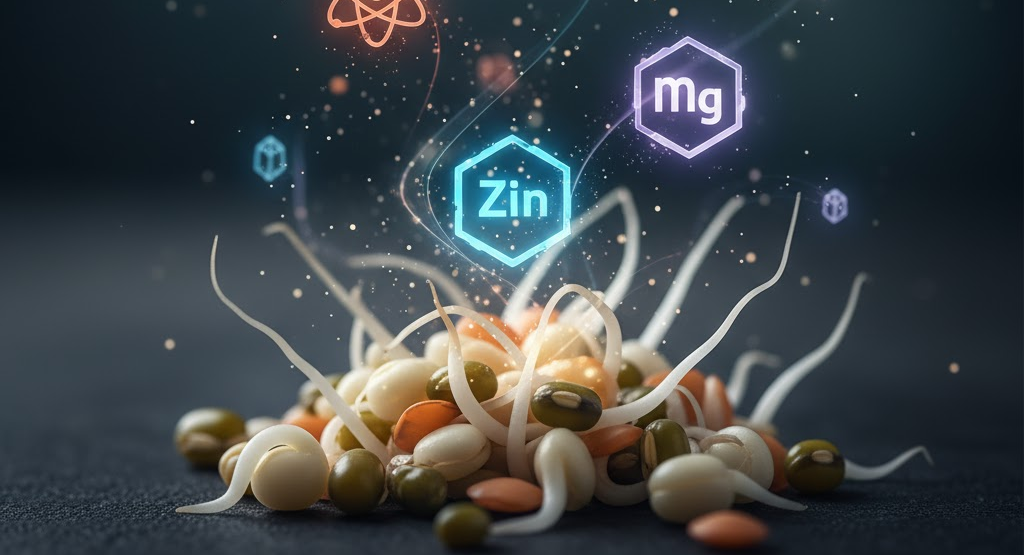
How to Properly Sprout Seeds for Maximum Minerals
To unlock the full mineral potential of sprouted protein, it’s essential to follow a few precise yet simple steps. Start by choosing raw, untreated seeds or legumes — heat-treated or roasted ones won’t sprout. Rinse them well and soak in clean, filtered water for 8–12 hours. This hydration phase activates enzymes like phytase, which later break down phytates and release bound minerals such as iron, zinc, and magnesium. After soaking, drain the seeds and place them in a sprouting jar or tray with good airflow. Keep the temperature steady — around 20–25°C (68–77°F) — and rinse them two to three times daily to prevent bacterial growth and maintain moisture.
Most grains and legumes reach their nutritional peak after 24–72 hours of sprouting. At this point, the seeds contain more bioavailable minerals, peptides, and organic acids, which improve digestion and absorption. Avoid over-sprouting, as excessive growth can deplete nutrients and increase spoilage risk. The sprouts should be short, fresh-smelling, and crisp — any sour odor or slimy texture indicates contamination. Once ready, store the sprouts in the refrigerator and consume within 2–3 days for maximum nutritional benefit.
For those who prefer convenience, sprouted protein powders are a safe and consistent option, as they’re made under controlled conditions that maximize mineral content while ensuring safety. Whether done at home or purchased ready-made, the goal is the same — to reduce phytates, increase enzymatic activity, and create a plant protein rich in accessible minerals that support overall vitality and efficient nutrient absorption.
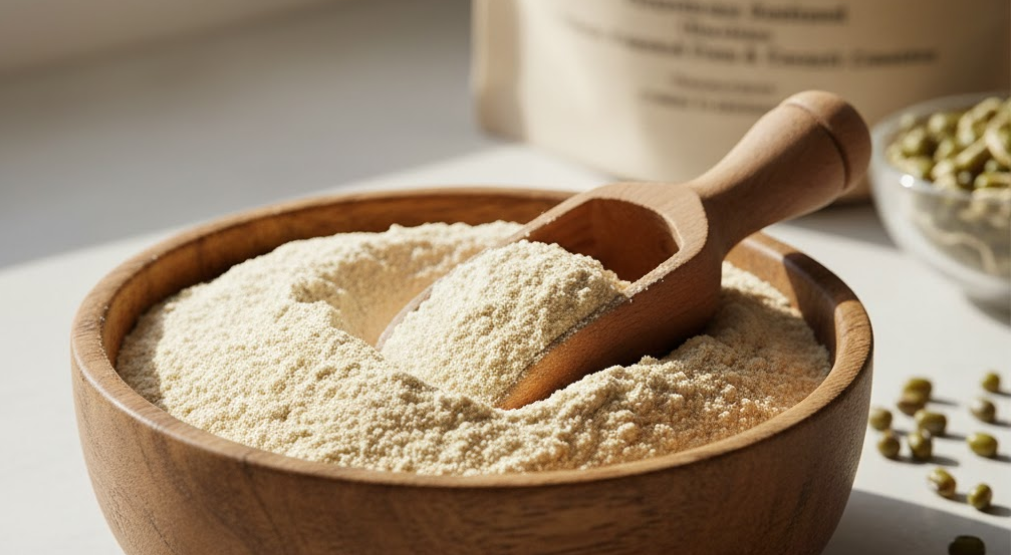
Final Thoughts on Sprouted protein contains more bioavailable minerals
The science behind sprouted protein shows how a simple natural process — germination — can dramatically enhance the nutritional power of plant foods. By reducing phytates and activating key enzymes like phytase, sprouting transforms dormant seeds into living, nutrient-rich sources of bioavailable minerals and easily digestible protein. It’s not about increasing the quantity of minerals, but improving their quality — making iron, zinc, calcium, and magnesium far more accessible to the body. This natural biochemical shift is what makes sprouted protein such an important element in both biohacking nutrition and modern plant-based diets.
For those focused on improving energy levels, recovery, and overall cellular health, sprouted foods offer a clean and efficient path. The synergy of enhanced enzyme activity, reduced anti-nutrients, and increased organic acids ensures that your body can extract more from what you eat. That means better mineral absorption, improved gut comfort, and optimized protein utilization — all of which support metabolic efficiency and long-term well-being. Compared to conventional protein powders or processed plant products, sprouted protein stands out as a whole-food option that nourishes more effectively and supports natural body functions without additives.
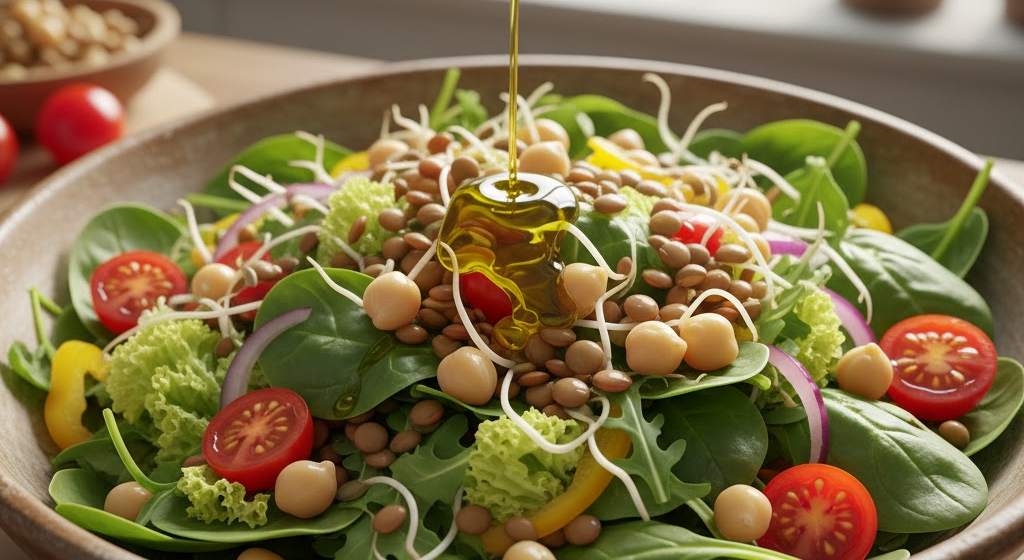
From a practical standpoint, incorporating sprouted foods doesn’t require complex routines. A handful of sprouted lentils in a salad, sprouted oats for breakfast, or a sprouted protein shake post-workout can make a noticeable difference in nutrient availability and digestive comfort. Even commercial sprouted protein powders retain many of these benefits, offering convenience for those with busy schedules. The key is consistency — regularly consuming sprouted foods ensures steady mineral intake and supports the balance between energy production, muscle recovery, and immune function.
In the broader context of nutrition and biohacking, sprouted protein represents the intersection of simplicity and efficiency. It’s a form of nutritional optimization that doesn’t rely on synthetic fortification or supplementation, but rather on the body’s ability to utilize what nature provides — when properly prepared. As more research highlights the metabolic and cellular advantages of sprouted foods, it becomes clear that this ancient practice aligns perfectly with modern wellness goals.
To summarize, sprouted protein contains more bioavailable minerals because germination fundamentally changes the structure and chemistry of the seed. It reduces what blocks absorption, enhances what supports it, and delivers nutrients in forms your body can actually use. In an age where nutrient density matters more than ever, sprouted foods offer a smart, natural, and sustainable way to elevate both performance and health — one seed at a time.
- Key takeaway: Sprouting transforms minerals into bioavailable forms.
- Main benefit: Better digestion, higher nutrient efficiency, improved well-being.
- Simple truth: Sprouted protein is one of the most natural ways to nourish smarter.