
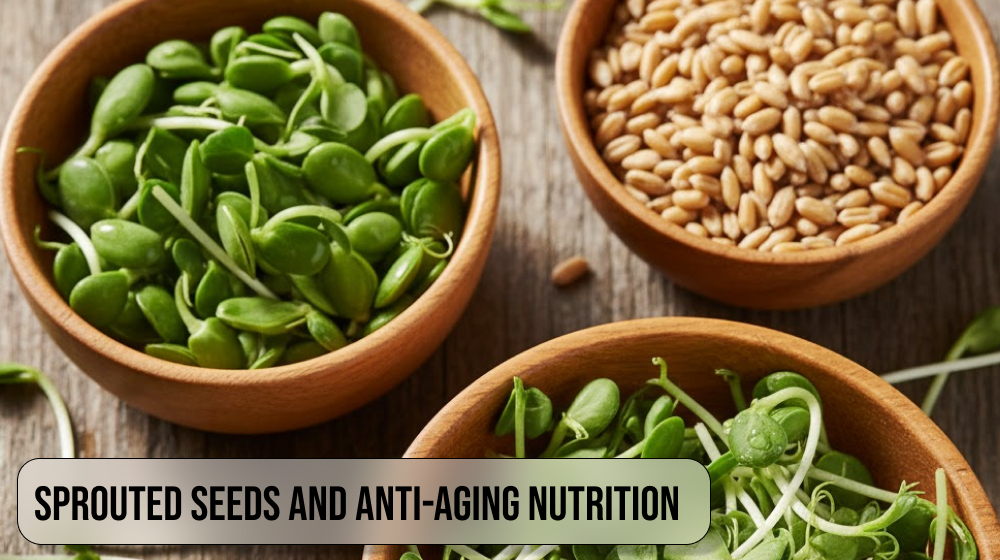
Sprouted Seeds and Anti-Aging Nutrition. Sprouted protein is a type of protein derived from seeds that have started to germinate, such as peas, lentils, wheat, and sunflower seeds. During sprouting, the structure of protein molecules changes, making them easier to digest and absorb. At the same time, enzymes naturally present in the seeds are activated, which helps break down amino acids into forms that the body can efficiently use.
This increased bioavailability is crucial for anti-aging nutrition because protein is the foundation for cellular repair, collagen production, and maintaining muscle mass, all of which tend to decline with age. Without sufficient high-quality protein, the body struggles to regenerate skin cells, maintain elasticity, and preserve strength in muscles and joints, which are key factors in maintaining a youthful body.
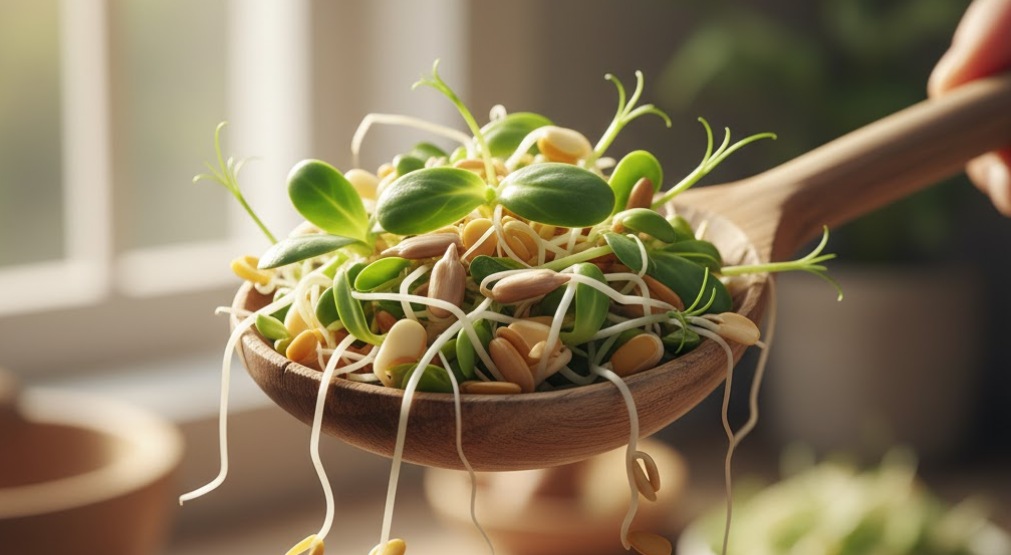
Regular consumption of sprouted protein not only supplies essential amino acids but also provides a wide range of micronutrients, including B vitamins, magnesium, and zinc, which play active roles in cellular repair and metabolic functions. These nutrients are particularly important for skin health, hair health, and nail strength, as they support collagen and keratin synthesis and reduce the visible signs of aging. Sprouted protein is also naturally easier for the digestive system to process compared to standard dry protein powders or whole seeds, minimizing digestive stress while maximizing nutrient absorption. Including sprouted protein in a daily diet can therefore contribute to sustained energy, improved tissue regeneration, and overall cellular health.
- Pea sprouted protein — supports collagen synthesis, strengthens joints, and maintains muscle mass.
- Sprouted wheat protein — provides essential amino acids for skin health and hair health.
- Sprouted sunflower protein — rich in antioxidants and minerals, promoting cellular repair and vitality.
Biological Value of Sprouted Seeds for the Body
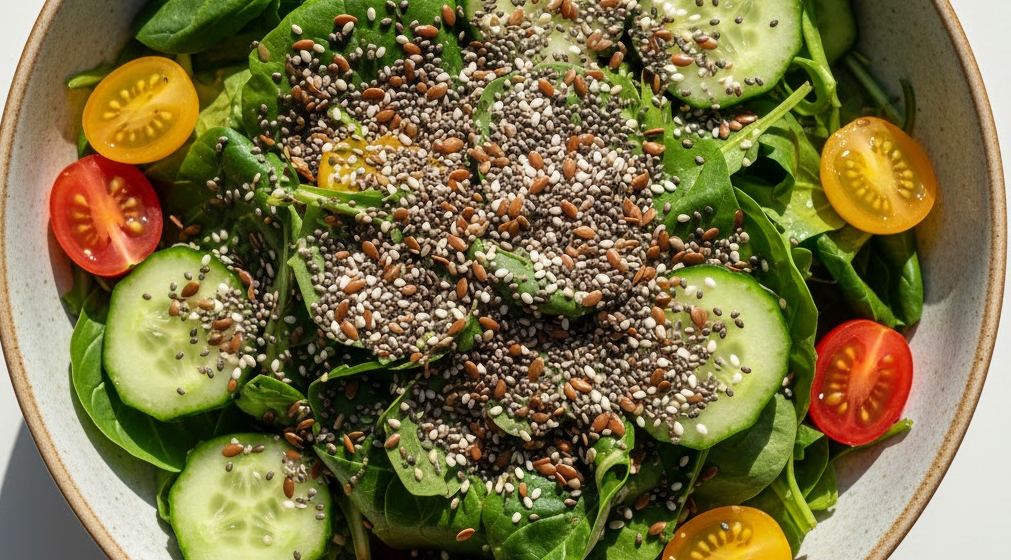
Sprouted seeds are much more than just a source of vitamins and minerals. The germination process activates natural enzymes that significantly enhance the body’s ability to absorb proteins and complex carbohydrates. This improved bioavailability ensures that nutrients are more efficiently delivered to cells, supporting metabolic balance, digestive health, and a robust immune system. Additionally, sprouted seeds typically contain higher amounts of protein than their unsprouted counterparts, making them an excellent foundation for plant-based diets or any anti-aging nutrition plan aimed at maintaining muscle mass, supporting cellular repair, and promoting overall vitality.
The benefits of sprouted seeds become even more pronounced with consistent consumption. They provide a steady supply of energy, improve resilience to physical and mental stress, and enhance nervous system function. These factors are closely linked to the aging process because chronic stress and nutrient deficiencies accelerate cellular damage and visibly affect the skin health, hair health, and overall appearance. By including sprouted seeds in the diet, the body receives essential nutrients that support collagen production, maintain organ function, and encourage the regeneration of tissues, making them a powerful tool for anyone focused on slowing down age-related changes.
Antioxidants in Sprouted Seeds and Aging Prevention
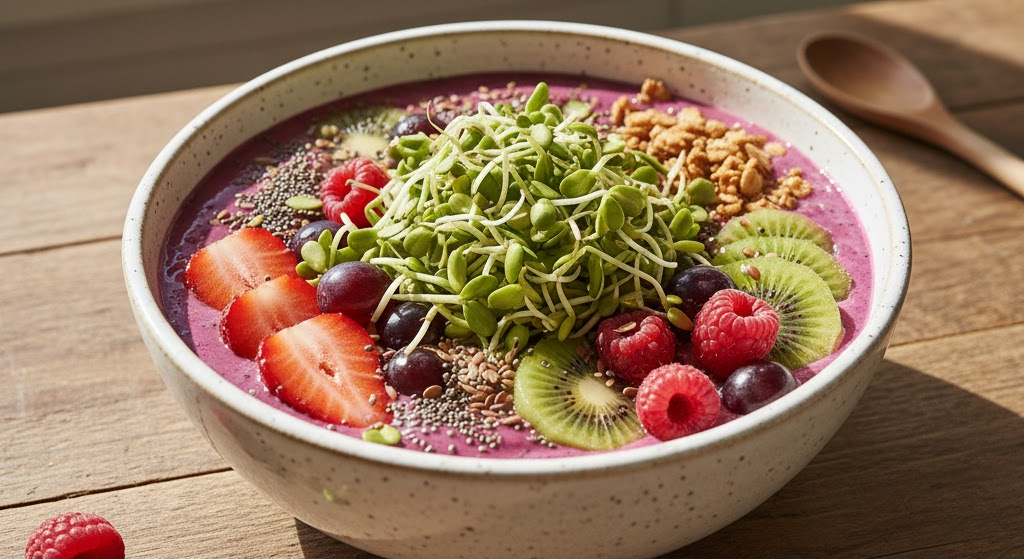
A cornerstone of any anti-aging nutrition plan is sufficient intake of antioxidants, which protect the body from oxidative stress caused by free radicals. Sprouted seeds are particularly rich in antioxidants because the sprouting process boosts levels of vitamin C, vitamin E, and a variety of flavonoids and polyphenols. These compounds neutralize free radicals, reducing cellular damage that can lead to wrinkles, loss of skin health, and a decline in overall cellular function. Regular consumption of sprouted seeds helps maintain a proper balance between free radicals and antioxidants, which is essential for slowing down the aging process at a cellular level.
The modern lifestyle exposes the body to numerous stressors, including environmental pollution, UV radiation, and dietary deficiencies, all of which increase oxidative stress. By adding sprouted seeds to the diet, the body is better equipped to neutralize harmful molecules and repair tissues more efficiently. This translates not only into improved skin health and reduced visible signs of aging but also into enhanced organ function, better cardiovascular health, and overall increased vitality. Sprouted seeds, therefore, act as both a preventative and restorative component in an anti-aging nutrition strategy.
- Sunflower seeds — rich in selenium, which protects cells from oxidative damage.
- Flax seeds — contain lignans with strong antioxidant properties that help preserve cellular repair.
- Wheat — increases glutathione levels, the body’s natural master antioxidant, supporting detoxification and cellular repair.
Effects of Sprouted Seeds on Skin Health and Hair Health
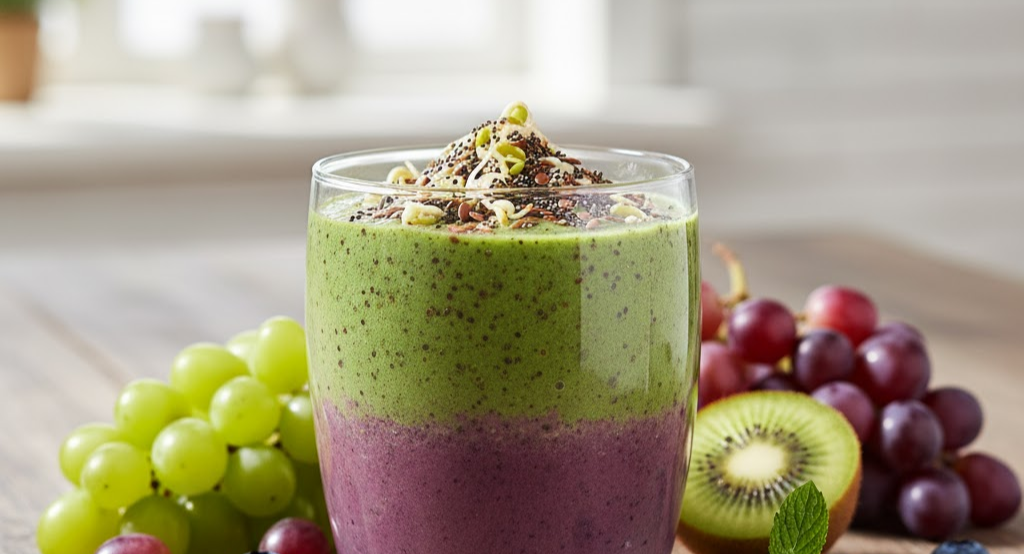
Sprouted seeds have a direct and profound impact on skin health and hair health. They contain high levels of B vitamins, vitamin E, magnesium, and zinc, all of which play essential roles in maintaining healthy hair follicles, stimulating hair growth, and promoting skin elasticity. Additionally, the bioactive compounds present in sprouted seeds help stimulate collagen synthesis, which is a key factor in preventing wrinkles, fine lines, and skin sagging. These nutrients also help retain moisture in the skin, improving overall texture, softness, and radiance.
Another advantage of sprouted seeds is their digestibility. Unlike some other protein sources, they are gentle on the digestive system, which ensures that essential nutrients reach the bloodstream efficiently and are readily available for cellular repair and regeneration. Including even small amounts of sprouted seeds in the daily diet can significantly improve hair health, nail durability, and skin health, creating a noticeable effect of natural rejuvenation over time.
Sprouted Seeds and Cardiovascular Health
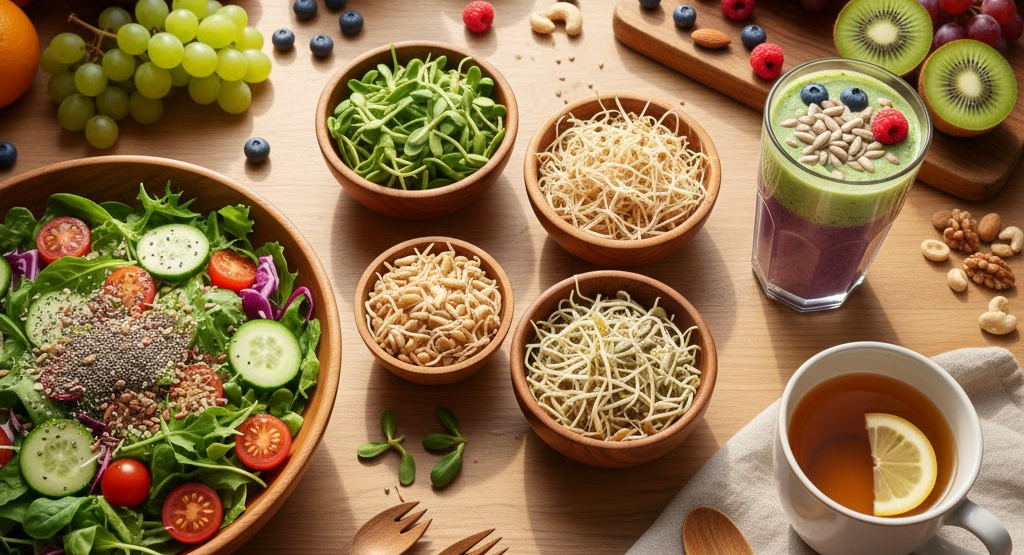
Anti-aging nutrition is not limited to external beauty; it also focuses on maintaining the health of vital organs. Sprouted seeds offer significant benefits for cardiovascular health. They are naturally rich in magnesium, potassium, and omega-3 fatty acids, which help regulate blood pressure, improve blood vessel elasticity, and reduce the risk of atherosclerosis and plaque buildup. These nutrients are essential for maintaining a healthy circulatory system, which in turn ensures that oxygen and nutrients are efficiently delivered to all tissues.
Additionally, the phytonutrients and antioxidants found in sprouted seeds help reduce inflammation, support healthy cholesterol levels, and optimize lipid metabolism. This protective effect is critical for slowing the aging process at a systemic level, as a well-functioning cardiovascular system directly impacts energy levels, organ health, and cellular repair. Incorporating sprouted seeds into a regular diet can strengthen heart health, improve endurance, and enhance overall vitality, making them a cornerstone of any anti-aging nutrition plan.
- Sunflower seeds — reduce LDL cholesterol and support vascular health.
- Flax seeds — improve arterial elasticity and strengthen cardiovascular health.
- Sesame — decreases vascular inflammation and enhances blood flow.
How to Properly Consume Sprouted Seeds
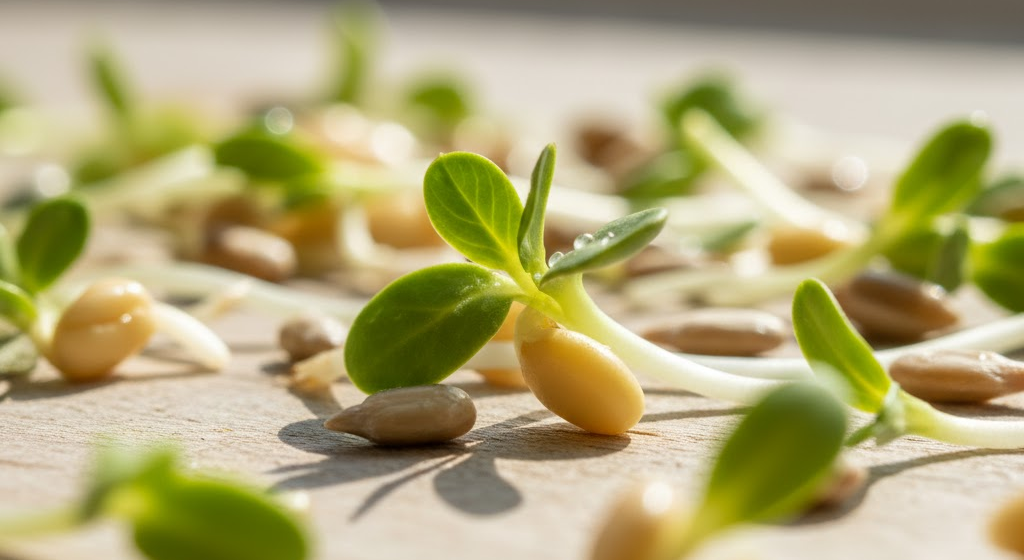
To maximize their nutritional benefits, sprouted seeds should be consumed fresh. They can be added to salads, blended into smoothies, mixed into yogurts, or incorporated into porridge. Eating them raw or lightly prepared ensures that the delicate enzymes, vitamins, and antioxidants are preserved. Prolonged heat exposure can destroy these valuable nutrients, so careful preparation and storage are essential. Sprouted seeds should ideally be kept in the refrigerator and used within a few days after sprouting to maintain peak freshness and potency.
Consistency in consumption is crucial for anti-aging nutrition benefits. Eating several portions of sprouted seeds each week ensures that the body receives a steady supply of amino acids, vitamins, minerals, and antioxidants, which support cellular repair, maintain energy levels, and slow visible signs of aging. Sprouted seeds are also highly versatile and can be combined with other nutrient-dense foods to create balanced, high-protein, high-fiber meals that promote long-term health and vitality.
Final Thoughts on Sprouted Seeds and Anti-Aging Nutrition
In conclusion, sprouted seeds and sprouted protein are indispensable components of a well-rounded anti-aging nutrition strategy. Their unique combination of easily digestible protein, essential vitamins, minerals, and antioxidants makes them one of the most effective natural tools to slow down the visible and cellular signs of aging. Regular consumption of sprouted seeds not only supports muscle mass and cellular repair but also strengthens the immune system, improves cardiovascular health, and enhances overall energy levels. The bioactive compounds in these seeds help stimulate collagen production, maintain skin health, and support hair health, offering a holistic approach to preserving youth and vitality from the inside out.
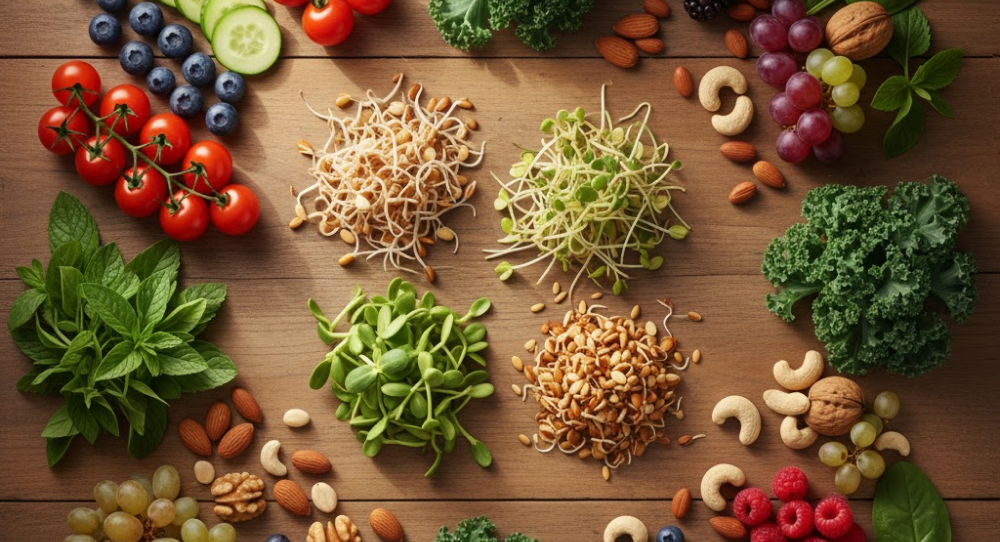
Unlike conventional protein sources, sprouted protein provides superior digestibility and nutrient absorption, which is especially important for those following plant-based diets or seeking functional foods for longevity. Incorporating sprouted seeds into everyday meals is simple and versatile: they can be added to smoothies, salads, yogurts, porridges, or even consumed as snacks. This flexibility makes it easier to maintain a consistent intake of vital nutrients, ensuring that the body receives continuous support for cellular repair, metabolic balance, and antioxidant protection.
The anti-aging benefits of sprouted seeds extend beyond just skin and hair. By reducing oxidative stress through potent antioxidants and supporting cardiovascular health, these seeds play a crucial role in maintaining long-term wellness. They also provide essential minerals such as magnesium, zinc, and selenium, which are necessary for enzymatic reactions, detoxification, and overall cellular health. For those seeking a natural, science-backed approach to longevity, sprouted seeds and sprouted protein offer a convenient, effective, and nutrient-dense solution.
Incorporating sprouted seeds consistently into a diet promotes sustained energy, improved muscle mass, and enhanced resilience against the physical and environmental stressors that accelerate aging. Whether consumed alone or combined with other nutrient-rich foods, sprouted seeds deliver the essential building blocks for a healthier, more youthful body. For anyone committed to optimizing anti-aging nutrition, maintaining skin health, and supporting cellular repair, sprouted seeds are a foundational, non-negotiable addition to a modern, health-conscious lifestyle.