

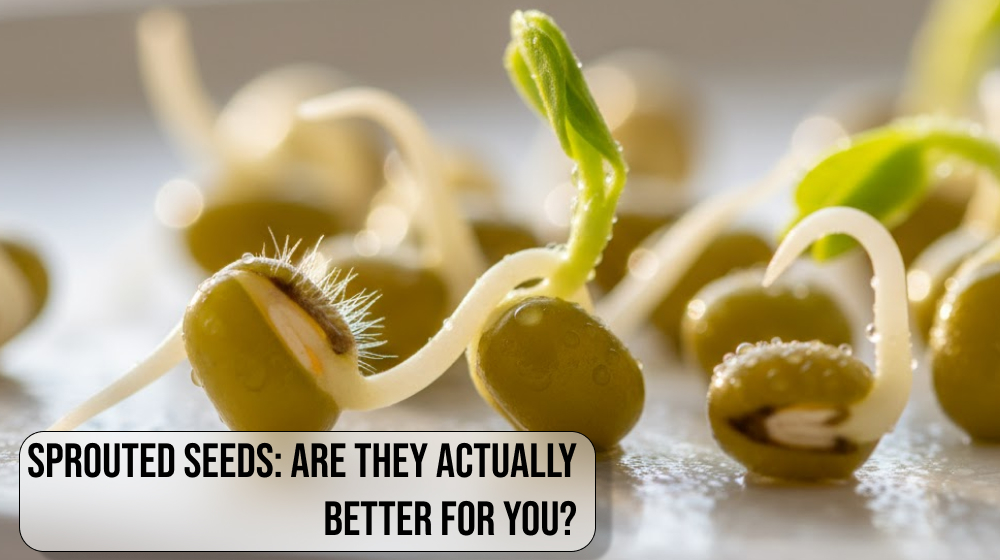
Sprouted Seeds: Are They Actually Better for You? Sprouted seeds are gaining attention because they represent a naturally enhanced version of foods people already consume — grains, legumes, nuts, and various edible seeds. When a seed transitions from its dormant stage into active growth, it undergoes sweeping biochemical changes that shift its nutritional profile. Enzymes awaken, structural components soften, antinutrients begin to break down, and new vitamins emerge as the seed prepares itself for growth.
This transformation is precisely why sprouted seeds benefits have become a trending topic within biochemistry, nutrition science, and the biohacking community. Instead of functioning merely as compact nutrient storage, sprouted seeds become active biological systems rich in accessible micronutrients and bioactive compounds. Understanding these shifts allows consumers to make informed decisions instead of relying on marketing hype.

At the same time, sprouted seeds offer a sensory and functional upgrade that appeals to people striving for more nutritious everyday meals. Their lighter texture, increased sweetness, enhanced digestibility, and fresher aroma make them easy to integrate into salads, grain bowls, sandwiches, smoothies, and even warm dishes added at the end of cooking. Yet despite their popularity, misconceptions persist about what sprouting truly changes and what claims are overstated. The goal of this article is to break down the science behind sprouted seeds, explain real benefits step by step, and highlight how they fit into a modern, health-focused lifestyle.
- transformation from dormant storage to active nutritional system
- increased micronutrient accessibility during sprouting
- relevant both for taste and functional nutrition
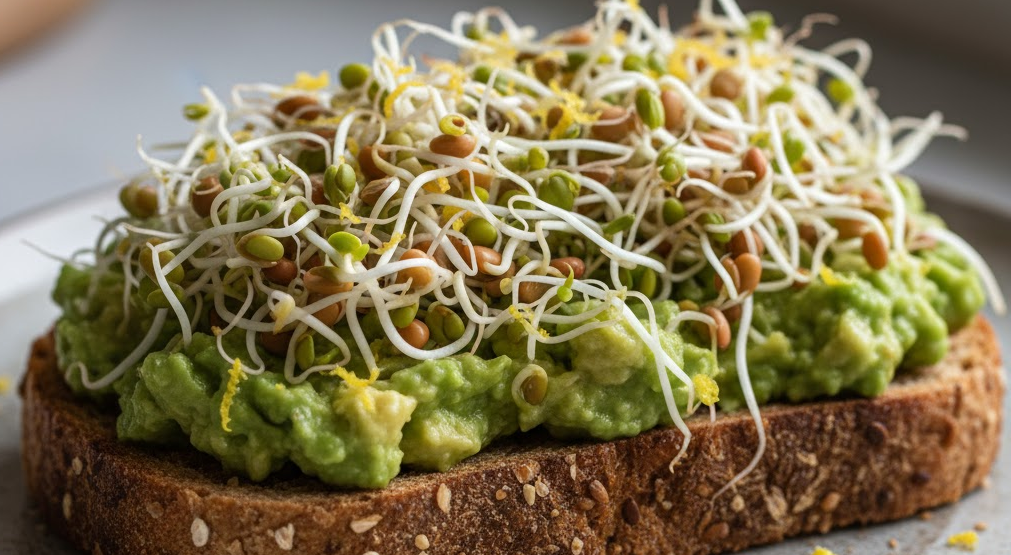
Biochemical Changes That Make Sprouted Seeds Stand Out
During the sprouting process, several powerful enzymatic reactions activate simultaneously. Amylase breaks down complex starches into simpler sugars, protease begins dismantling long protein chains into more accessible amino acids, and phytase reduces phytates—compounds that bind minerals and reduce their absorption. This enzymatic cascade is what makes sprouted seeds nutrition fundamentally different from unsprouted seeds. Minerals like iron, magnesium, and zinc become easier to absorb, and the seed becomes metabolically “alive,” preparing for plant growth by producing more vitamins, antioxidants, and enzymes beneficial to human digestion.
Sprouting also enhances phenolic content and antioxidant activity, which can support cellular protection and reduce oxidative stress when eaten as part of a diverse diet. The concentration of vitamins—particularly vitamin C and select B-vitamins—may increase depending on variety and sprouting duration. However, benefits vary widely between species: broccoli, radish, and alfalfa sprouts show large biochemical boosts, while others change more subtly. Still, on average, sprouted versions of seeds provide more accessible nutrition and a softer, more digestible structure, making them appealing for both everyday cooking and targeted dietary strategies.
Digestibility and Absorption: Why Many Prefer Sprouted Seeds
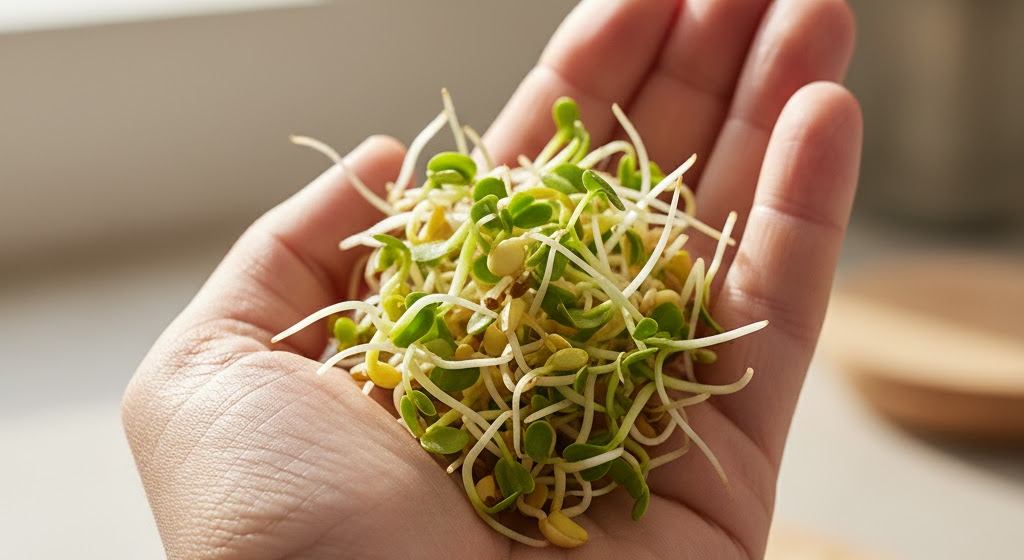
A major reason people gravitate toward sprouted seeds is the noticeable improvement in digestive comfort. When starches and proteins partially break down, the digestive system has less mechanical and enzymatic work to do. As a result, sprouted legumes and grains often cause significantly less gas, heaviness, or sluggishness compared to their unsprouted forms. Many individuals with sensitive digestion find that sprouted seeds digestion feels smoother because the seed’s internal structure has already been partially processed through natural enzymatic action. This is especially relevant for those who find traditional legumes difficult to tolerate.
It is important to understand that sprouting improves digestibility but does not neutralize allergens. Sprouted wheat still contains gluten, sprouted soy is still soy, and sprouted peanuts remain peanuts. The advantage comes from improved biochemical accessibility—not from eliminating allergenic proteins. That said, many people experience steadier blood sugar, less bloating, and better nutrient absorption when including sprouted options. These benefits make sprouted seeds a valuable addition to balanced meals aimed at improving comfort and metabolic stability.
- reduced digestive strain through partial breakdown
- less bloating compared to regular legumes and grains
- improved absorption of minerals and amino acids
Nutritional Value: What Actually Increases in Sprouted Seeds
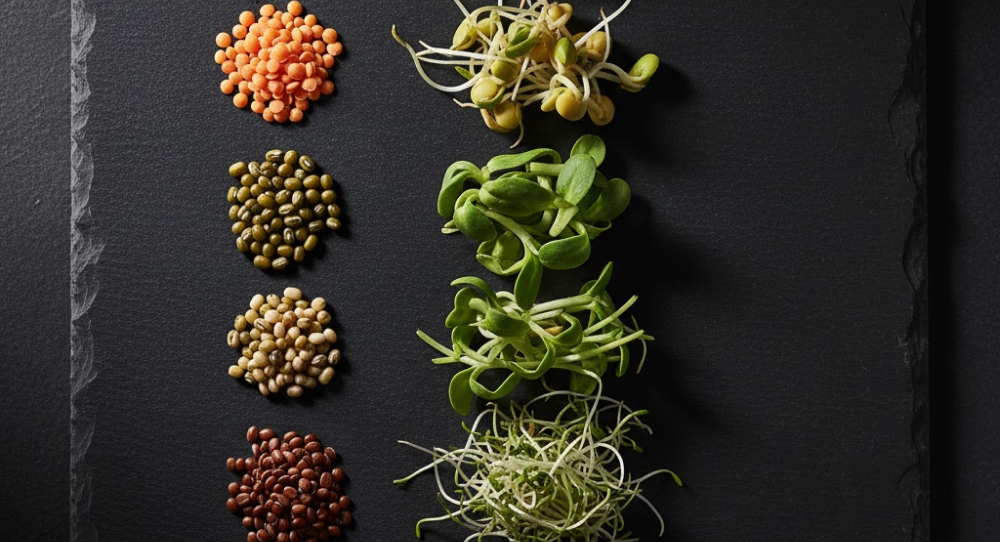
While sprouted seeds are widely promoted as more nutrient-rich, it is their bioavailability that typically shows the biggest improvement. Vitamins like B2, B5, B6, and especially vitamin C can increase during sprouting because the seed begins producing components essential for early plant growth. Antioxidants, flavonoids, and phenolic compounds also rise, enhancing the food’s natural protective qualities. Still, the absolute quantity of vitamins may remain modest compared to fruits and vegetables, so sprouted seeds should complement—rather than replace—other nutrient sources.
However, for minerals such as iron, zinc, and magnesium, sprouted seeds often deliver a meaningful advantage: reductions in phytates allow the body to absorb these minerals more effectively. The protein profile also shifts slightly, making amino acids easier to access. Therefore, sprouted seeds nutrition represents a functional improvement in how nutrients are delivered and absorbed rather than a dramatic jump in total nutrient numbers. This makes sprouted seeds particularly valuable for individuals aiming to optimize micronutrient intake through natural foods.

Safety Considerations: Why Sprouted Seeds Require Care
Despite their nutritional appeal, sprouted seeds come with legitimate safety concerns due to the warm, humid environment required for germination. The same conditions that encourage sprouting can also allow harmful bacteria—such as Salmonella, Listeria, and E. coli—to grow if hygiene is insufficient. This risk is especially relevant when sprouting at home, where sterilization and microbial testing are not routine. For individuals with compromised immune systems, eating raw sprouts may pose a real hazard.
The good news is that these risks are manageable with proper handling. Sprouted seeds should be rinsed several times per day, grown in clean containers, and refrigerated immediately after reaching the desired length. Some varieties—particularly sprouted beans—may be safer when lightly cooked. Commercial producers that follow strict microbial testing significantly reduce contamination risks. By respecting basic safety principles, consumers can enjoy the full range of sprouted seeds benefits without worry.
- ideal conditions for bacterial growth without hygiene
- refrigeration and frequent rinsing improve safety
- cooking certain sprouted legumes reduces risk further
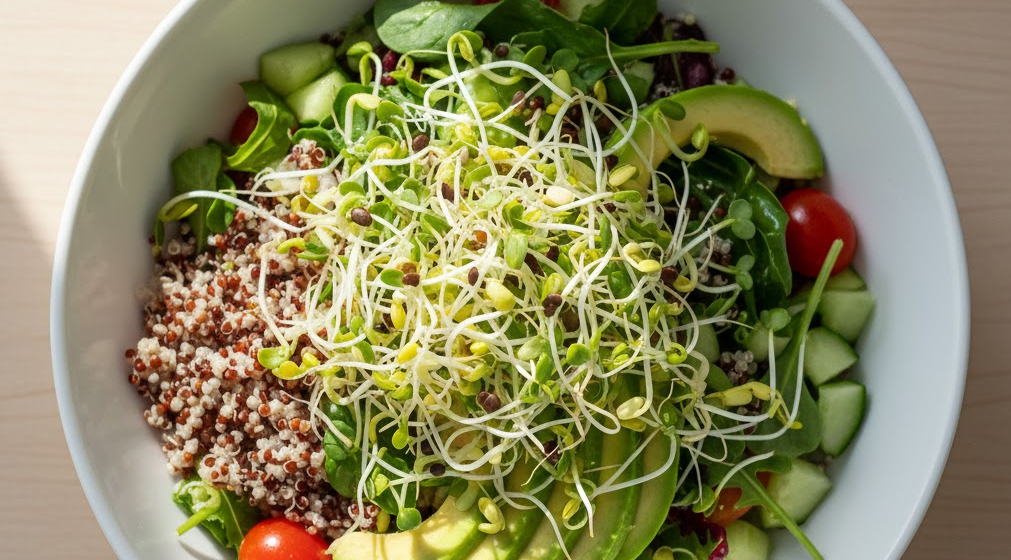
Weight Management and Satiety: The Subtle Power of Sprouted Seeds
Sprouted seeds play a meaningful role in weight control because they naturally shift how the body responds to food during and after meals. Their structure—lighter, enzyme-activated, partially broken down—allows them to move through the digestive system more efficiently while still offering substantial nutritional density. This combination often leads to a smoother metabolic response, helping avoid the energy dips that trigger cravings.
When included in meals, sprouted seeds enhance texture, provide slow-release nutrients, and contribute to steady satiety without adding unnecessary calories. Their activated enzymes support more efficient digestion, which prevents the heavy, sluggish feeling common after dense, unsprouted grains and legumes. As a result, people aiming for a balanced eating pattern often find that sprouted seeds help them maintain consistent eating habits without the constant feeling of restriction.
Yet sprouted seeds work not by “melting fat,” but by improving the quality of food intake and stabilizing appetite signals. The fiber and bioactive components formed during sprouting support digestive smoothness, which in turn helps maintain balanced hunger–fullness cycles. When the digestive system is under less strain, the body sends clearer satiety signals, reducing the likelihood of overeating or snacking out of discomfort. Combined with their mild flavor and versatility, sprouted seeds can seamlessly increase meal volume without increasing calorie density. This makes them especially valuable in weight-management strategies that rely on satisfaction rather than strict limitation.

Final Thought on “Sprouted Seeds: Are They Actually Better for You?”
In a wellness world overflowing with trends, shortcuts, and quick fixes, sprouted seeds stand out as one of the rare habits that deliver steady, meaningful results without demanding a complete lifestyle overhaul. Their impact on weight management is not loud or dramatic — it’s subtle, consistent, and rooted in real physiological shifts rather than hype. What makes sprouted seeds so powerful is the way they work on multiple levels at once: they curb appetite naturally, support balanced blood sugar, enhance nutrient absorption, and promote a sense of fullness that helps you stay in control of your eating rather than battling against it. This quiet synergy creates the kind of long-term sustainability that most diets and intense regimens fail to achieve.
Another advantage of incorporating sprouted seeds into your routine is how effortlessly they fit into everyday meals. You don’t need to count portions, restrict food groups, or calculate anything. A spoonful added to breakfast, a sprinkle on your salad, or a mix stirred into a smoothie is enough to tap into their benefits. And because sprouting unlocks enzymes and reduces antinutrients, your body can actually use more of the vitamins, minerals, and amino acids inside the seeds — meaning you get more nourishment per bite. In a culture that often encourages constant snacking and oversized portions, the natural satiety from sprouted seeds becomes a gentle but effective guide back to mindful, responsive eating.
Most importantly, sprouted seeds shift the focus toward nourishment instead of deprivation. Weight management becomes less about what you remove from your life and more about what you add to it. It’s a mindset that feels better, works better, and lasts longer. Over time, the cumulative effect of these tiny nutritional powerhouses begins to shape your habits, energy levels, and appetite cues — not through force, but through balance. And that is the true, understated strength of sprouted seeds: small, simple choices creating meaningful, lasting change.