

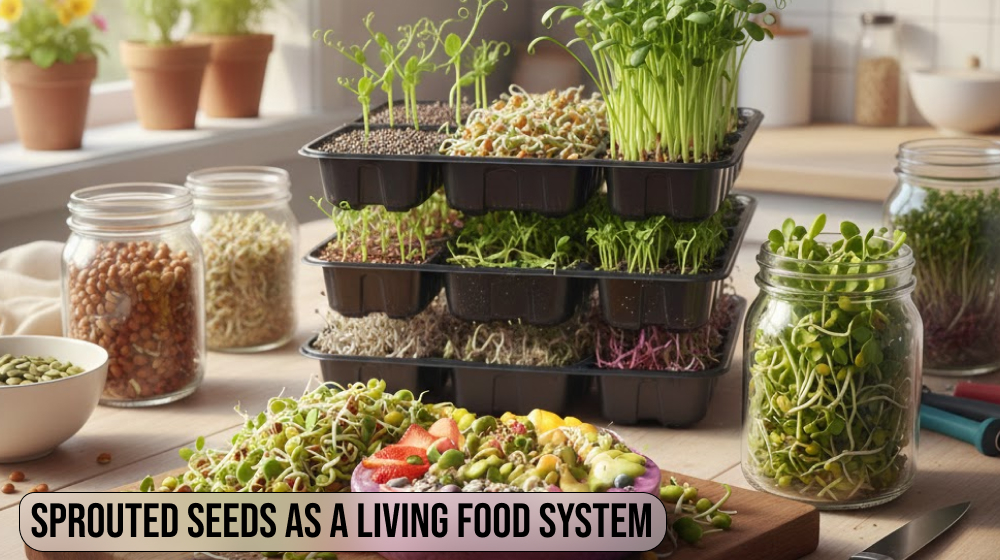
Sprouted Seeds as a Living Food System represents an innovative approach to nutrition where sprouted seeds, legumes, and grains are considered dynamic, biologically active entities rather than inert food. When seeds begin to germinate, they shift from a dormant storage state into an active growth phase, during which cellular processes accelerate, enzymes become functional, and metabolic pathways are activated. This transition transforms the seed into a living, nutrient-dense system capable of interacting with human physiology in ways that dry, dormant seeds cannot. For biohackers and health-conscious individuals, Sprouted Seeds as a Living Food System is not just a source of calories, but a functional tool to optimize metabolism, enhance nutrient absorption, and support cellular health.
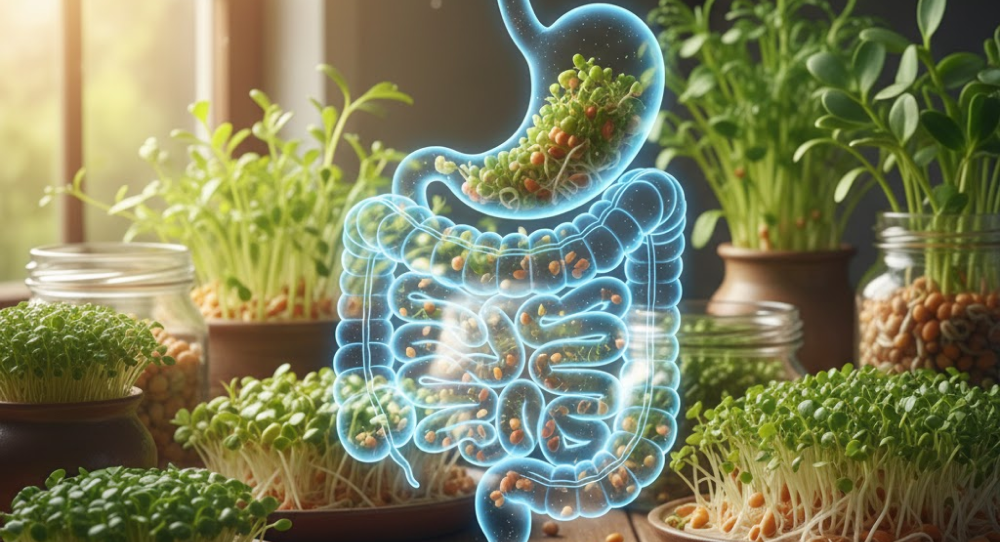
From a functional nutrition perspective, the concept emphasizes metabolic compatibility rather than simple macronutrient counting. The pre-activation of enzymes and nutrients in sprouted seeds reduces the digestive workload, ensures faster assimilation of proteins, carbohydrates, and fats, and provides bioavailable micronutrients that are crucial for energy production, mental clarity, and long-term metabolic balance. By integrating Sprouted Seeds as a Living Food System into daily nutrition, individuals can experience improved resilience, better gut function, and consistent energy levels. This approach aligns with biohacking principles of efficiency and functionality, allowing food to actively contribute to optimal physiological performance rather than merely serving as fuel.
- transition from dormant to biologically active nutrition
- alignment with human enzymatic and metabolic processes
- foundation for functional and adaptive eating strategies

The Biochemistry of Sprouting: How Seeds Become Living Systems
The biochemical transformation that occurs during sprouting is complex and highly orchestrated. Enzymes such as amylase begin converting starch into simple sugars, while proteases break down storage proteins into free amino acids, and lipases release fatty acids from seed lipids. This cascade of enzymatic activity ensures that Sprouted Seeds as a Living Food System provides nutrients in forms that are immediately usable by the human body. Unlike raw or dry seeds, sprouted seeds require significantly less digestive effort, enabling efficient nutrient uptake and minimizing energy expenditure during digestion.
Moreover, sprouting enhances the concentration of vitamins, minerals, and phytochemicals. For example, B vitamins, vitamin C, and antioxidants such as polyphenols are naturally amplified during germination. This makes Sprouted Seeds as a Living Food System particularly effective in supporting metabolic health, reducing oxidative stress, and enhancing cellular repair. For biohackers, this process represents a bridge between raw plant biology and human nutritional requirements, allowing for maximum nutrient extraction with minimal digestive strain. By consuming sprouted seeds, the body gains access to a dynamic nutrient matrix designed by nature to optimize energy metabolism, cognitive function, and overall physiological resilience.

Nutrient Absorption and Bioavailability Advantages
A major advantage of Sprouted Seeds as a Living Food System is its ability to improve the bioavailability of essential minerals. In unsprouted seeds, minerals such as iron, magnesium, zinc, and calcium are often bound to antinutritional factors like phytic acid, which inhibit absorption in the gastrointestinal tract. Through the sprouting process, these antinutrients are partially or fully degraded, freeing minerals and allowing the body to assimilate them efficiently. This natural enhancement makes sprouted seeds an ideal component for long-term nutrient optimization and mineral balance.
For biohackers and health-conscious individuals, mineral bioavailability is critical because deficiencies in iron, magnesium, or zinc can impair cognitive function, energy metabolism, and muscular performance. By incorporating Sprouted Seeds as a Living Food System into daily nutrition, individuals not only gain enhanced absorption of these minerals but also receive a synergistic blend of amino acids, vitamins, and antioxidants that support systemic health. This integrated nutritional profile reduces the need for supplementation, promotes enzymatic efficiency, and optimizes metabolic pathways, making sprouted seeds a foundational element of functional nutrition and long-term health strategies.
- breakdown of mineral-binding compounds
- improved efficiency of nutrient uptake
- support for systemic mineral balance
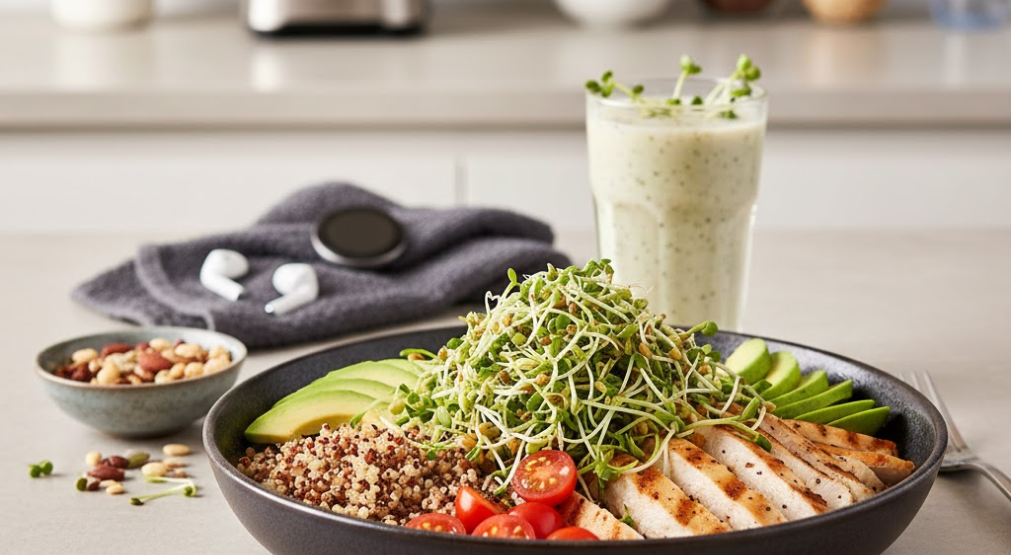
Sprouted Seeds as a Living Food System and Gut Microbiome Health
Sprouted Seeds as a Living Food System has a profound impact on the gut microbiome. The combination of soluble fibers, natural enzymes, and prebiotic compounds present in sprouted seeds provides nourishment for beneficial bacteria, promoting microbial diversity and gut health. Unlike highly processed fibers or artificial prebiotics, sprouted seeds deliver these compounds in their natural form, supporting a healthy balance of gut flora without irritation or digestive discomfort.
The gut microbiome is directly linked to immune regulation, inflammation control, neurotransmitter production, and nutrient absorption. By feeding beneficial microbes, Sprouted Seeds as a Living Food System enhances these critical functions, contributing to mental clarity, emotional stability, and systemic resilience. For biohackers and health enthusiasts, regular consumption of sprouted seeds supports the gut-brain axis, reduces low-grade inflammation, and improves digestive efficiency. Integrating sprouted seeds into meals can be an effective long-term strategy for maintaining microbial balance, preventing dysbiosis, and supporting overall metabolic and immune health.
Energy Stability and Recovery Support
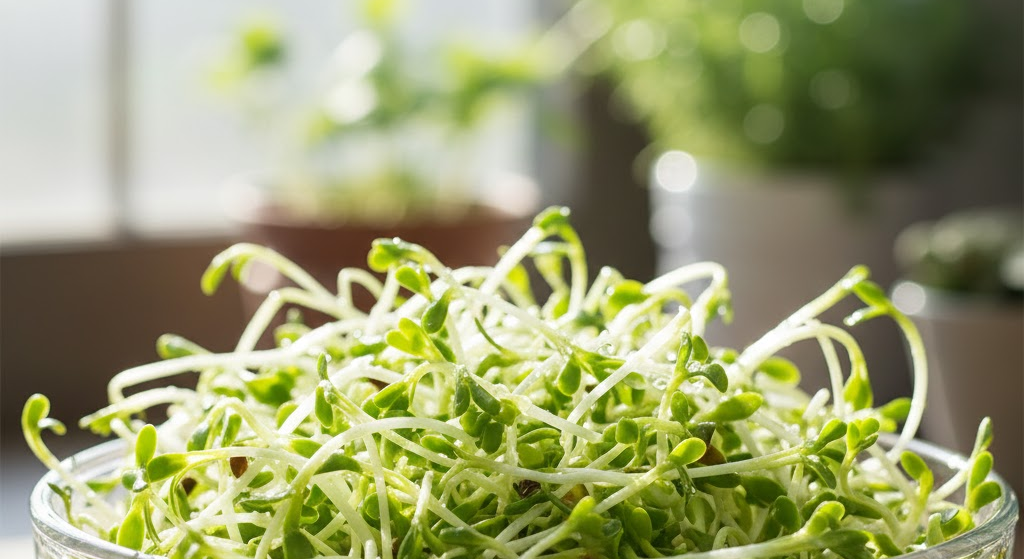
One of the most compelling benefits of Sprouted Seeds as a Living Food System is its capacity to provide stable and sustained energy. During sprouting, carbohydrates are partially broken down into simpler sugars, which leads to a gradual release of glucose into the bloodstream. This avoids the sharp spikes and crashes associated with refined carbohydrates, supporting consistent energy levels throughout the day. For cognitively demanding work, high-intensity training, or prolonged physical activity, this stable energy profile is invaluable.
In addition to energy stabilization, sprouted seeds supply essential amino acids, trace minerals, and enzymes that contribute to muscle repair and tissue recovery. Unlike processed protein sources or sugary recovery foods, Sprouted Seeds as a Living Food System supports anabolic processes without overstressing the digestive system or triggering inflammatory responses. This combination of slow energy release, nutrient density, and digestive compatibility makes sprouted seeds an indispensable tool in biohacking protocols focused on optimizing physical performance, cognitive function, and recovery efficiency. Incorporating sprouted seeds into meals can help maintain focus, stamina, and resilience over extended periods of activity.
- stabilization of blood glucose levels
- support for muscle and tissue repair
- reduced metabolic stress after exertion

Immune Modulation and Antioxidant Capacity
Sprouting dramatically enhances the antioxidant and immune-supporting properties of seeds, making Sprouted Seeds as a Living Food System an exceptionally functional food for long-term health optimization. During germination, the levels of polyphenols, flavonoids, carotenoids, and other phytonutrients increase significantly, giving the sprouted seed a much higher capacity to neutralize free radicals compared to its unsprouted counterpart.
Free radicals, which are produced naturally during metabolism but also introduced via environmental stressors such as pollution, UV exposure, and processed foods, can damage cells, DNA, and proteins. By consuming sprouted seeds regularly, the body receives a concentrated supply of natural antioxidants that help mitigate oxidative stress, reduce cellular damage, and support longevity. This antioxidant boost also contributes to reducing chronic low-grade inflammation, which is a major driver of age-related diseases, metabolic dysfunction, and compromised immune function.
Beyond antioxidants, Sprouted Seeds as a Living Food System provides a rich source of micronutrients such as vitamins A, C, E, zinc, selenium, and magnesium, all of which are essential for proper immune function. Germination activates these nutrients and improves their bioavailability, ensuring that the body can effectively utilize them for immune cell production, signaling, and regulation. Furthermore, sprouted seeds contain bioactive compounds and signaling molecules that help modulate the immune system, enhancing its ability to respond appropriately to pathogens without overreacting and causing inflammation. This balancing effect is crucial for individuals seeking long-term immune resilience and overall systemic health.

Final Thoughts “Sprouted Seeds as a Living Food System”
Sprouted Seeds as a Living Food System represents more than just a dietary choice; it is a scientifically grounded approach to nutrition, longevity, and biohacking. By transforming dormant seeds into metabolically active, nutrient-dense living foods, sprouting unlocks the full potential of grains, legumes, and seeds, making them highly bioavailable, enzyme-rich, and digestively efficient. This living food system provides the body with a synergistic blend of vitamins, minerals, amino acids, antioxidants, and bioactive compounds, all of which support energy metabolism, cognitive function, immune resilience, and long-term cellular health.
The unique biochemical changes that occur during germination make Sprouted Seeds as a Living Food System superior to conventional dry seeds. Enzymes pre-digest macronutrients, antinutrients like phytic acid are neutralized, and antioxidant levels increase dramatically. The result is a food that actively supports gut microbiome health, stabilizes blood sugar, reduces oxidative stress, and strengthens the body’s adaptive immune responses. For biohackers, athletes, or anyone committed to optimizing health, sprouted seeds offer a practical, sustainable, and highly efficient way to enhance nutritional intake while reducing metabolic load.
Incorporating Sprouted Seeds as a Living Food System into daily nutrition is simple, flexible, and adaptable to various diets. From smoothies and salads to soups and main dishes, sprouted seeds can be integrated without major lifestyle changes, making them an ideal long-term strategy for sustainable health optimization. Ultimately, sprouted seeds are not a temporary trend or supplement—they are a foundational element of functional nutrition that delivers cumulative benefits for energy, immunity, recovery, and longevity. Choosing sprouted seeds is choosing a living, proactive approach to nourishment that aligns with both human biology and modern biohacking principles.
- supports digestion and metabolic efficiency
- strengthens immunity and antioxidant defenses
- sustainable, versatile, and bioactive nutrition