

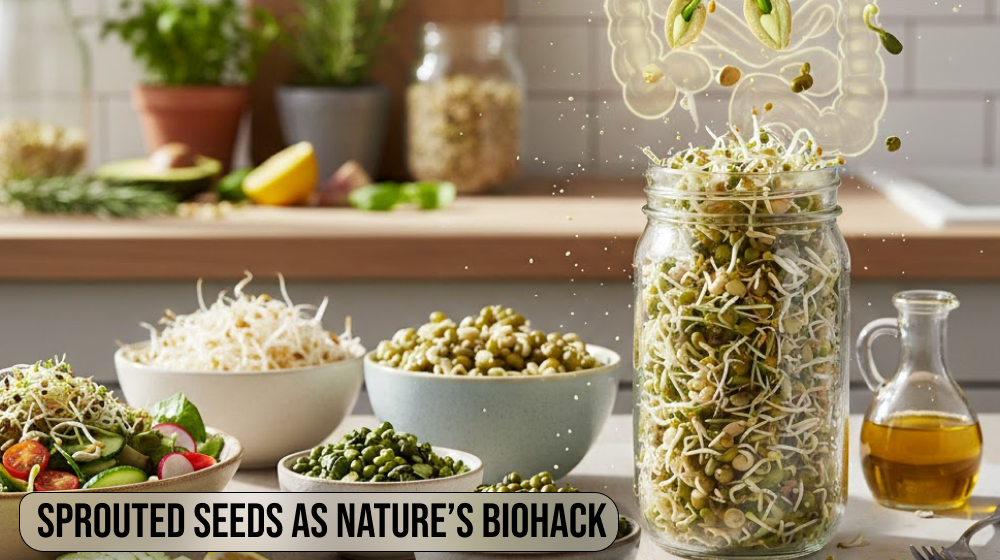
Sprouted Seeds as Nature’s Biohack represent one of the most effective and natural ways to enhance the nutritional value of seeds while improving digestibility and bioavailability. When seeds such as lentils, mung beans, alfalfa, broccoli, sunflower, and pumpkin begin to sprout, internal enzymatic activity increases dramatically, anti-nutrients like phytates are reduced, and vitamins, minerals, and antioxidants become more accessible to the human body.
This transformation is a natural, science-backed form of biohacking, turning ordinary seeds into a powerful, nutrient-dense addition to daily meals. Unlike processed supplements or highly technical functional foods, sprouted seeds offer a simple, practical, and affordable method to maximize nutrient intake without compromising natural food integrity. For those searching for benefits of sprouted seeds or looking to understand Sprouted Seeds as Nature’s Biohack, sprouting provides tangible, measurable advantages that go far beyond marketing claims or health fads.
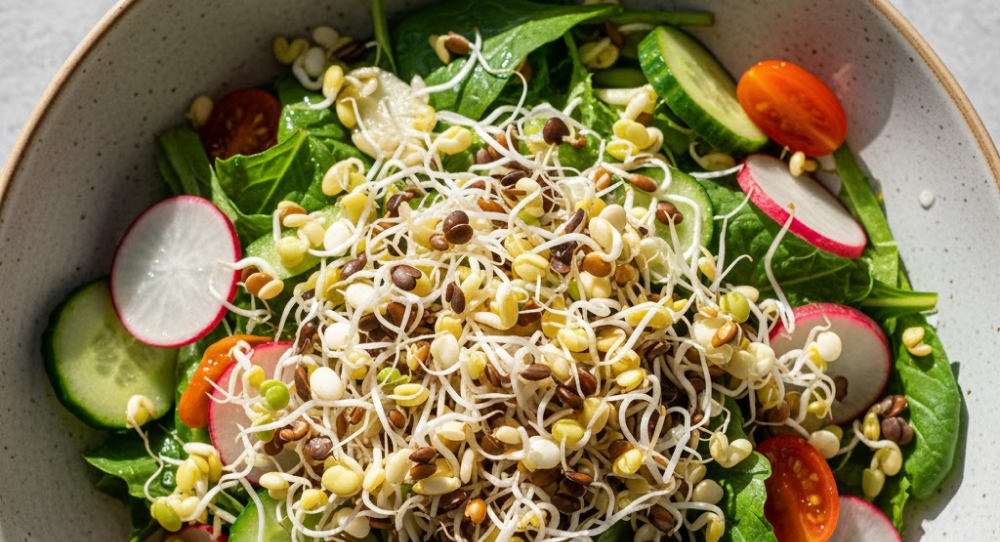
The real strength of sprouted seeds lies not only in their enhanced nutrient profile but also in their adaptability. They can be seamlessly integrated into salads, smoothies, bowls, sandwiches, and even light cooking recipes, making them ideal for everyday use. Popular search queries like how to sprout seeds at home, sprouted seeds recipes, and how to use sprouted seeds reflect this practical interest. Beyond nutrient density, sprouting reduces the workload on the digestive system, softens fiber, and activates enzymes that facilitate nutrient absorption.
Step-by-step, the seed undergoes a transformation: proteins and carbohydrates partially break down, fibers become easier to digest, vitamins and antioxidants increase in concentration, and overall bioavailability improves. Explaining these changes clearly helps readers grasp the real-life impact of sprouted seeds, showing that Sprouted Seeds as Nature’s Biohack is more than a trend—it is a natural, effective method to enhance daily nutrition.
- Key benefits: increased vitamin and mineral absorption, improved digestive comfort, higher enzyme activity.
- SEO targets: Sprouted Seeds as Nature’s Biohack, benefits of sprouted seeds, nutritional value of sprouted seeds.
- Focus: simple, practical, evidence-based explanation of the biological process of sprouting.
Biochemical Changes During Sprouting
The process of sprouting activates complex biochemical transformations within the seed, making sprouted seeds a true tool for natural biohacking. When seeds absorb water and start germination, enzymes like amylase, protease, and phytase awaken, breaking down complex carbohydrates and proteins into simpler, more digestible forms. Anti-nutrients such as phytates, which normally inhibit mineral absorption, are reduced, enhancing the availability of iron, zinc, magnesium, and other essential nutrients. Vitamins such as B-complex, C, and certain antioxidants increase significantly during sprouting. These scientific changes are why queries like benefits of sprouted seeds and nutritional value of sprouted seeds are among the most searched in wellness and nutrition forums, as people seek effective ways to maximize nutrient intake from natural foods.
Different seeds exhibit unique biochemical profiles. Legumes like lentils and mung beans gain improved protein digestibility, while cruciferous seeds such as broccoli increase sulforaphane content, a potent antioxidant with health-promoting properties. Seeds like sunflower and pumpkin retain healthy fats but become softer and more palatable after sprouting. Understanding these nuances allows users to select best seeds for sprouting according to personal goals—whether increasing protein intake, supporting antioxidants, or enhancing digestive ease. Clearly explaining these processes not only educates readers but also improves SEO, aligning the content with searches for scientific yet practical insights into Sprouted Seeds as Nature’s Biohack.
Digestive Benefits and Gut Support
One of the key advantages of sprouted seeds is their positive impact on digestion. The enzymatic breakdown of carbohydrates and proteins during germination reduces the workload on the digestive system, making sprouts easier to tolerate than dry or cooked seeds. This is a major reason why searches like sprouted seeds digestion and benefits of sprouted seeds are highly popular among wellness-conscious users. Fiber becomes softer and more soluble, which not only aids in smooth bowel movement but also supports nutrient absorption in the intestines. Enzymes naturally present in sprouts further assist in pre-digestion, optimizing the body’s ability to utilize the increased vitamin and mineral content.
Beyond digestion, sprouted seeds provide subtle prebiotic benefits. Compounds in sprouts encourage the growth of beneficial gut bacteria, promoting a balanced microbiome that indirectly supports immune function. For biohackers and health-focused individuals, this combination of improved digestion and microbiome support makes Sprouted Seeds as Nature’s Biohack a natural strategy to enhance overall health. Gradually introducing sprouts into the diet allows users to monitor individual tolerance and minimize digestive discomfort, which is particularly important for legumes or larger seeds.
- Easier digestion through enzymatic breakdown.
- Prebiotic support for gut microbiome.
- Gradual introduction ensures comfort and tolerance.
Selecting the Best Seeds for Sprouting
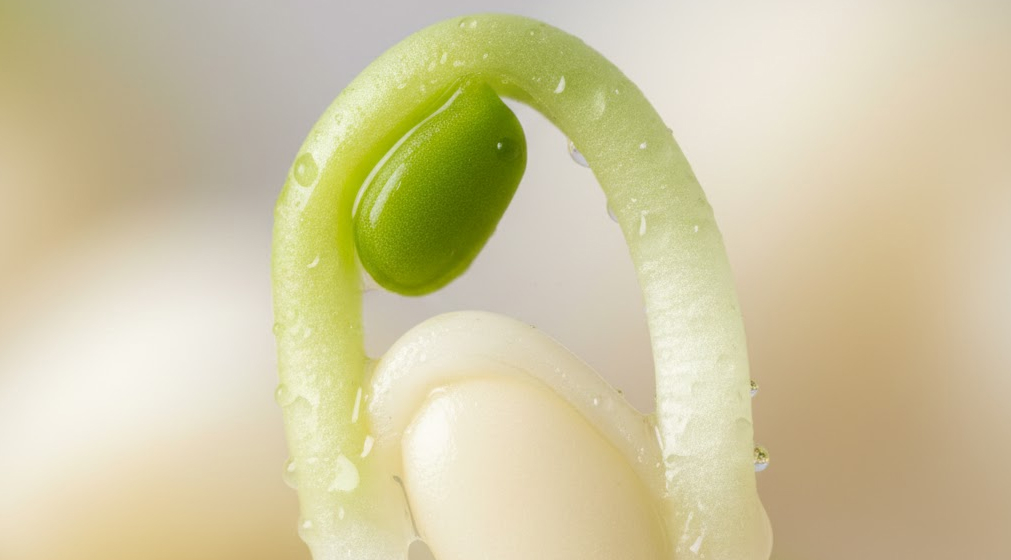
Choosing the right seeds is crucial for maximizing the benefits of sprouted seeds and ensuring sprouted seeds safety. Seeds labeled specifically “for sprouting” are usually raw, organic, and untreated, which preserves their viability and reduces the risk of microbial contamination. Freshness is key: older seeds often sprout inconsistently or fail entirely. Popular options include alfalfa, broccoli, mung beans, lentils, radish seeds, sunflower seeds, and pumpkin seeds, each offering unique nutritional profiles. These details align perfectly with SEO queries such as best seeds for sprouting, Sprouted Seeds as Nature’s Biohack, and how to choose seeds for sprouting.
Visual inspection is another important step. Seeds should be clean, intact, free of mold or discoloration, and stored in a cool, dry place before sprouting. Organic certification is a strong indicator of quality, ensuring that seeds have not been exposed to pesticides or chemical treatments that could concentrate during sprouting. Clear, practical guidance like this empowers readers to make informed decisions and safely start their sprouting journey while naturally boosting search relevance.
How to Sprout Seeds at Home Safely
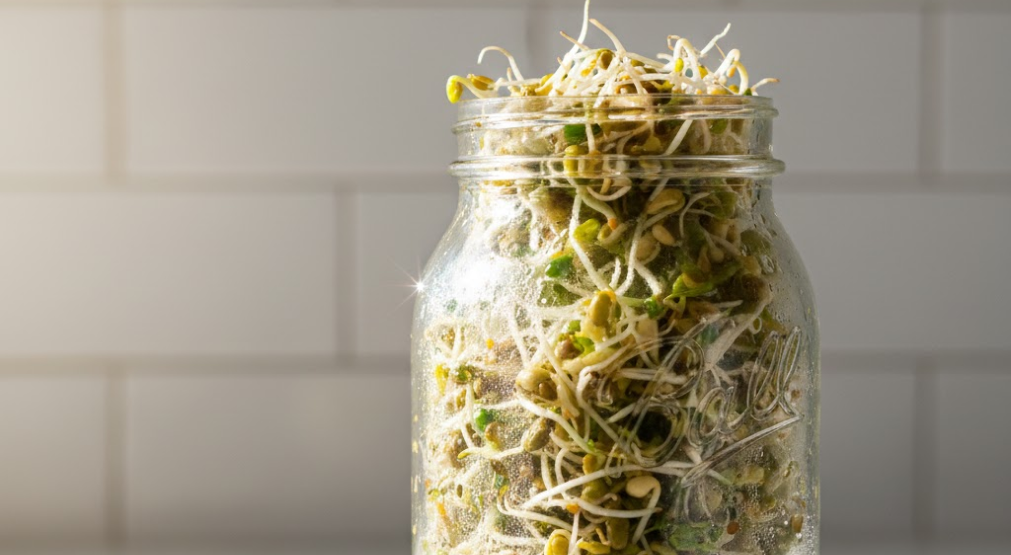
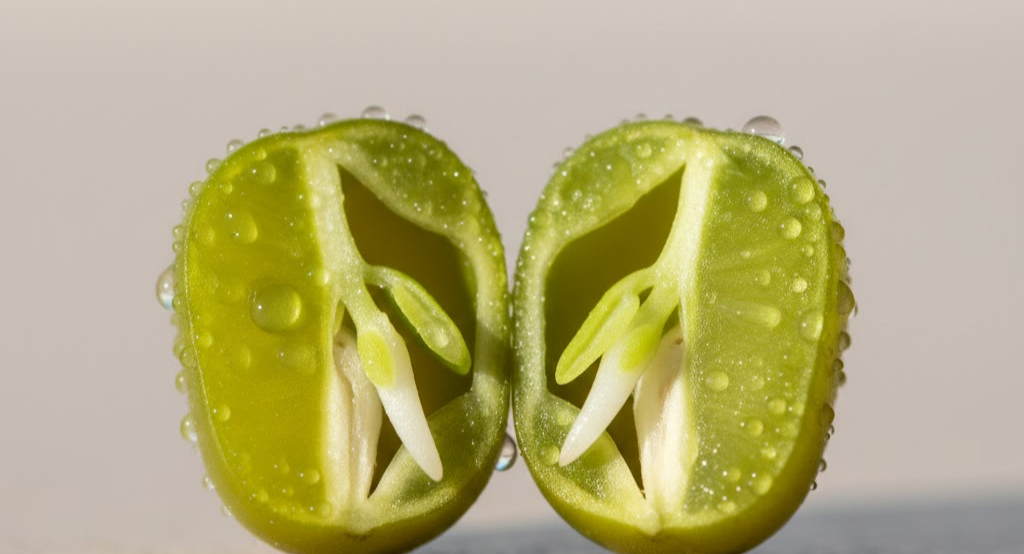
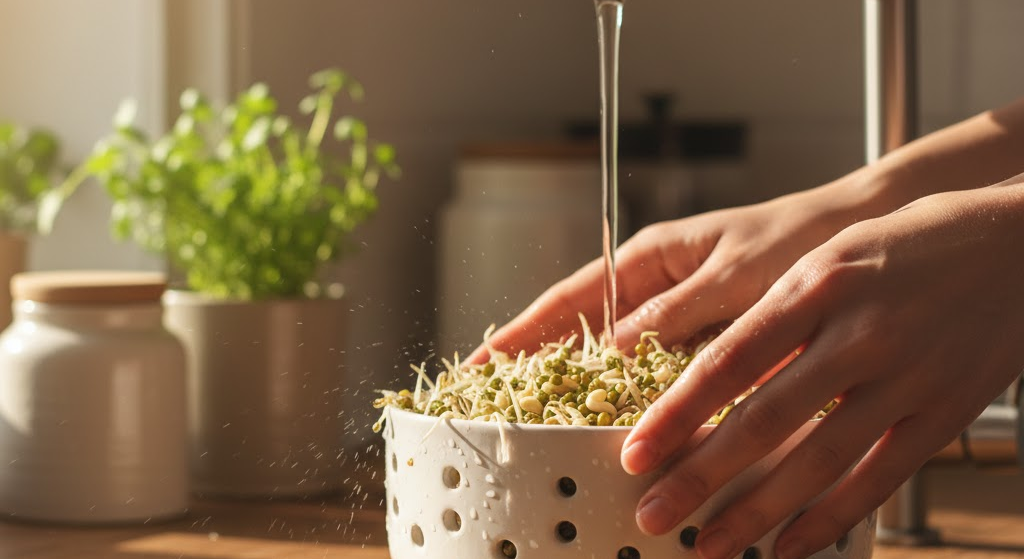
For readers searching how to sprout seeds at home or sprouted seeds safety, clear step-by-step instructions are essential. The process involves soaking seeds in clean water, draining them, placing them in a breathable container such as a sprouting jar or tray, and rinsing 2–3 times per day until small sprouts appear. The germination period varies: alfalfa and broccoli usually sprout within 1–2 days, whereas legumes like lentils and mung beans may take 2–4 days. Proper hydration, airflow, and gentle handling are key to successful germination.
Safety considerations are critical. Sprouts are often eaten raw, so hygiene is non-negotiable: clean containers, filtered water, and refrigeration of finished sprouts are mandatory. Starting with small batches reduces waste and helps users monitor digestive tolerance. Providing this type of guidance aligns perfectly with how to sprout seeds at home, sprouted seeds recipes, and Sprouted Seeds as Nature’s Biohack, ensuring the content is both actionable and SEO-friendly.
- Steps: soak, drain, rinse regularly, ventilate.
- Sprouting time: 1–4 days depending on seed type.
- Safety: clean tools, filtered water, refrigerate finished sprouts.
Culinary Applications and Flavor Pairings
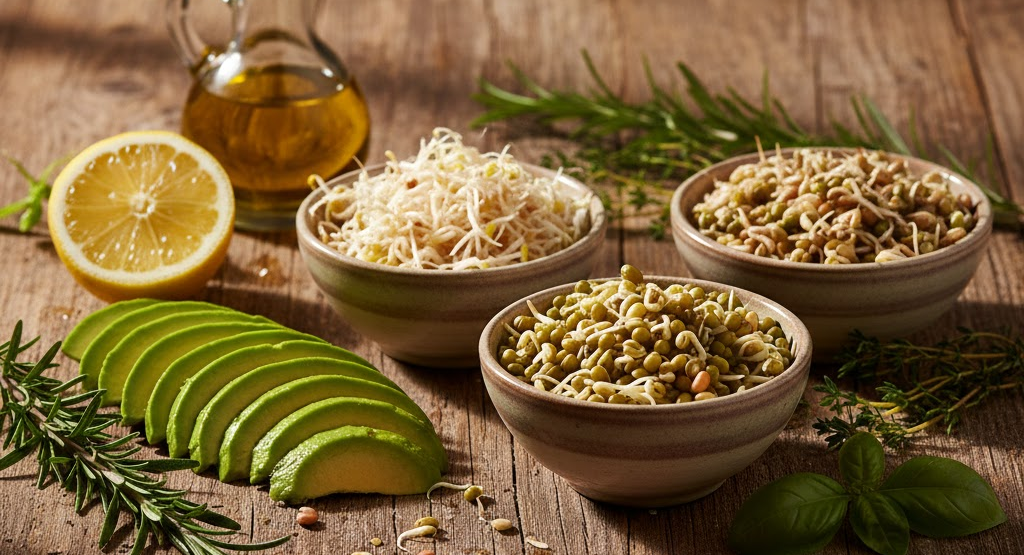
Sprouted seeds are versatile ingredients for a wide variety of dishes. They can be added to salads, smoothies, bowls, sandwiches, soups, and even light sautés. Their fresh, crisp texture complements vegetables, fruits, avocado, citrus dressings, and fermented foods. This makes them ideal for searches like sprouted seeds recipes, how to use sprouted seeds, and Sprouted Seeds as Nature’s Biohack. The nutritional benefits are preserved when sprouts are added at the end of cooking or eaten raw, maintaining vitamins, minerals, and enzymes.
Beyond basic nutrition, sprouted seeds enhance flavor and mouthfeel. Crunchy alfalfa or radish sprouts add zest, while softer sunflower or mung bean sprouts provide smooth textures for blending. Incorporating sprouts into daily meals is simple, yet it significantly increases dietary variety and nutrient density. This practical, user-friendly approach helps readers implement natural biohacking strategies through diet.
Final Thoughts: Sprouted Seeds as Nature’s Biohack
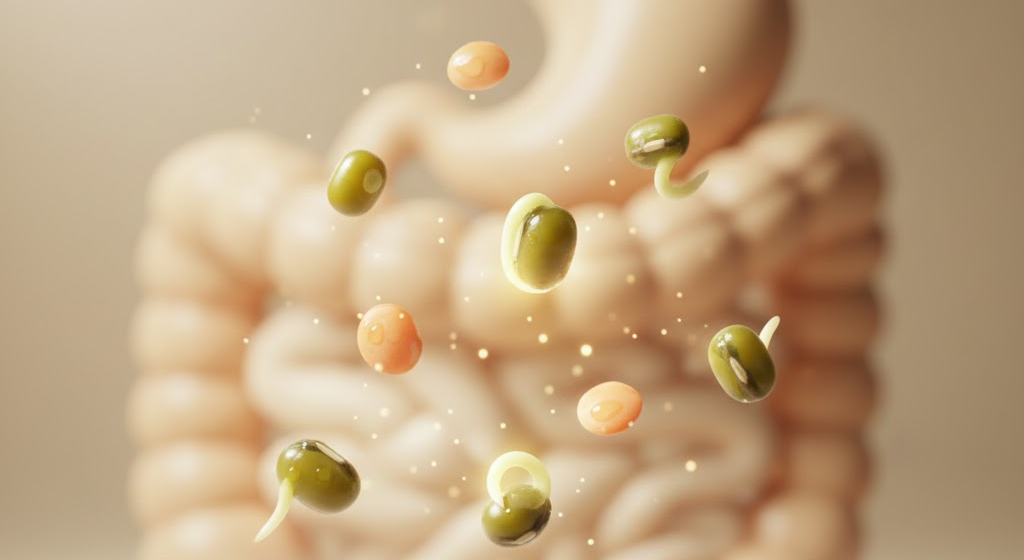
Sprouted Seeds as Nature’s Biohack are more than just a wellness trend—they represent a scientifically supported, practical way to enhance everyday nutrition naturally. Through the process of sprouting, seeds unlock their full nutritional value, activating enzymes, increasing vitamins and antioxidants, and reducing anti-nutrients such as phytates. These transformations make nutrients more bioavailable and easier to digest, which is why so many health-conscious readers search for benefits of sprouted seeds, sprouted seeds digestion, and how to use sprouted seeds. Sprouts are not a quick fix or a gimmick—they are a natural, evidence-based tool for improving dietary quality and supporting overall well-being.
The beauty of sprouted seeds lies in their versatility. They can be seamlessly integrated into salads, smoothies, sandwiches, bowls, and light-cooked dishes, offering both texture and flavor while amplifying nutrient density. Queries like sprouted seeds recipes, how to sprout seeds at home, and Sprouted Seeds as Nature’s Biohack reflect the practical interest in applying these simple superfoods to daily routines. By following safe and hygienic sprouting methods, users can enjoy maximum health benefits while minimizing risks, making sprouts accessible to almost anyone looking to optimize nutrition naturally.
In conclusion, incorporating sprouted seeds into a daily diet is a realistic, effective, and enjoyable biohacking strategy. They provide higher nutrient absorption, improved digestive comfort, and a functional boost to plant-based and omnivorous diets alike. For readers and biohackers alike, Sprouted Seeds as Nature’s Biohack are a sustainable, science-backed approach to enhancing wellness, supporting digestion, and adding versatility and vibrancy to everyday meals.
- Unlock natural vitamins and antioxidants.
- Improve digestion and nutrient bioavailability.
- Integrate easily into a variety of meals for daily health.