

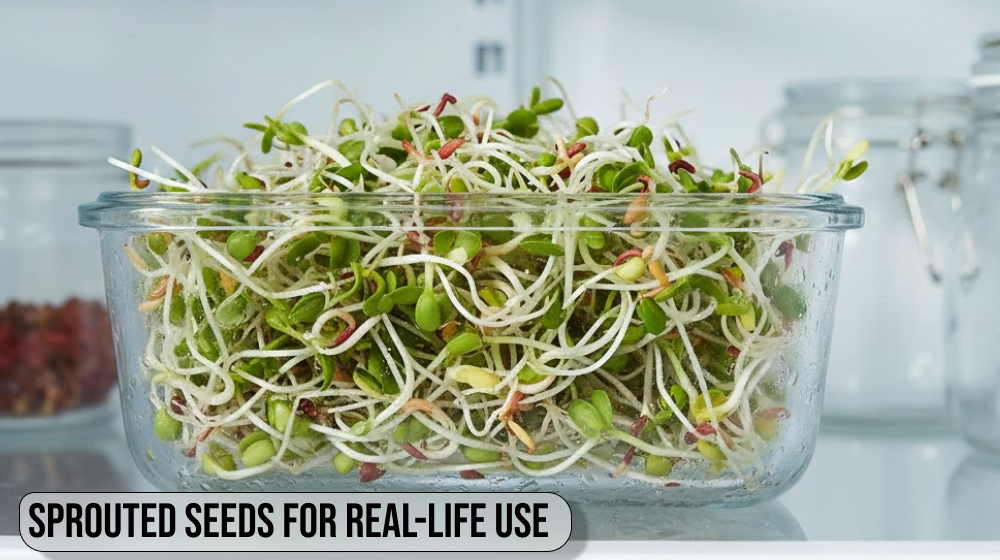
Sprouted Seeds for Real-Life Use. Sprouted seeds are seeds that have just begun to germinate, entering the earliest stage of plant development when internal nutrients activate and become far more accessible to the body. During sprouting, enzymes awaken, complex compounds break down, and vitamins significantly increase. Because of this, sprouted seeds offer a higher concentration of bioavailable nutrients than dry grains or seeds. This makes them a powerful addition to everyday meals for anyone seeking simple, real-life strategies to improve nutritional balance without complicated diets. Adding a handful of sprouted seeds to salads, smoothies, warm dishes, or snacks allows you to naturally strengthen your intake of essential vitamins, minerals, amino acids, and plant-based enzymes.
Another important feature of sprouted seeds is their convenience: they require little space, minimal equipment, and just a few minutes of daily maintenance. Their mild flavor and fresh texture fit easily into different eating patterns, whether someone prefers a high-protein lifestyle, clean-eating approach, or balanced mixed diet. They are also versatile enough for both home use and office-friendly meal prep. The core advantages include:
- Enhanced nutrient absorption due to activated vitamins and reduced antinutrients.
- Increased natural enzymes, improving digestion and energy metabolism.
- Universal culinary value, allowing sprouted seeds to be added to hot and cold dishes effortlessly.
Nutritional Value of Sprouted Seeds: What Nutrients Actually Work
The sprouting process changes the internal chemistry of a seed, making sprouted seeds richer in essential amino acids, antioxidants, vitamins B and C, and minerals such as magnesium, zinc, and iron. Unlike non-sprouted seeds, sprouted varieties offer improved digestibility, meaning the body requires less effort to break them down and extract nutrients. For people looking to elevate the nutrient density of their meals, sprouted seeds provide a concentrated boost without increasing calorie intake too much. Their fiber content also supports blood sugar balance and appetite control, which is helpful for maintaining energy levels throughout the day.
Sprouted seeds are especially beneficial for those who want to support muscle recovery, cognitive performance, or metabolic health. The reduction of phytates during sprouting allows minerals to be better absorbed, while the increase in antioxidants supports cellular protection.
Choosing the Best Seeds for Sprouting Based on Your Goals
Selecting the right sprouted seeds is not just a matter of taste — it directly affects the nutritional profile, texture, and practicality of daily use. Different seeds behave differently during sprouting: some develop tender, mild sprouts, while others produce crisp, peppery shoots packed with antioxidants.
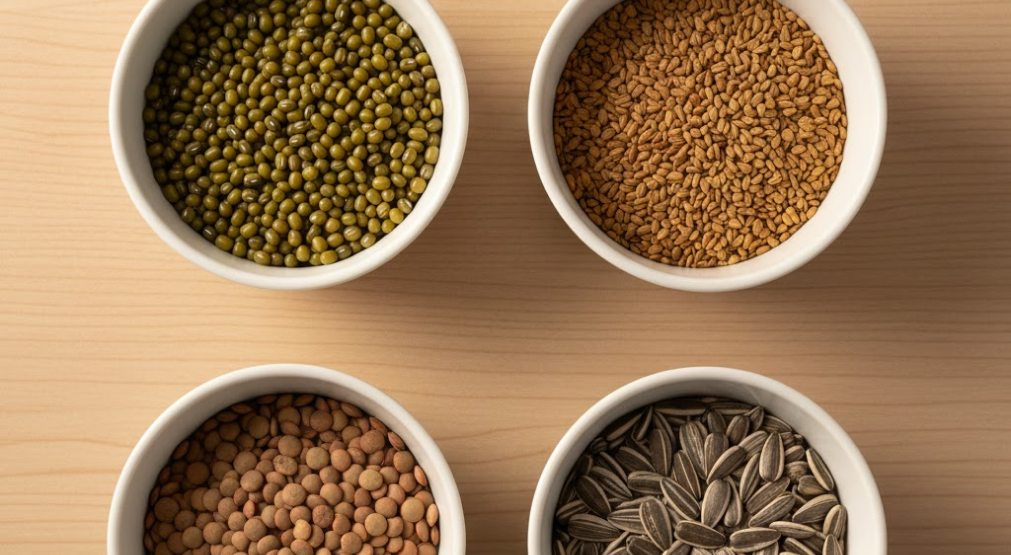
For example, sunflower and pumpkin seeds offer a naturally nutty flavor and create substantial sprouts that pair well with salads, bowls, and savory snacks. In contrast, broccoli, radish, and mustard seeds develop sharper, more aromatic sprouts rich in compounds like sulforaphane, which supports antioxidant defense and cellular resilience. Legumes such as lentils, chickpeas, mung beans, and adzuki beans produce hearty, protein-rich sprouts suitable for warm dishes, making them ideal for those who prioritize muscle recovery, metabolic balance, or plant-based protein intake.
A practical approach is to maintain a small rotation of 2–4 seed varieties, each serving a specific nutritional purpose. This prevents monotony and ensures consistent intake of different micronutrients. Texture and water absorption also play a role: smaller seeds like sesame, alfalfa, flax, or chia require more attention because they form gel-like coatings when soaked, demanding precise handling to avoid clumping. Larger seeds, especially beans and grains, are far more forgiving and are often recommended for beginners. When evaluating which seeds to include in your sprouting routine, it helps to focus on:
- Your nutritional priorities, such as high protein (mung beans, lentils) or high antioxidant content (broccoli, radish).
- Ease of sprouting, since larger seeds sprout predictably, while smaller ones require more control of moisture and airflow.
- Culinary usage, choosing seeds that match preferred dishes — crunchy toppings, smoothie ingredients, or warm stir-fry components.
How to Sprout Seeds at Home: A Safe and Clear Step-by-Step Method
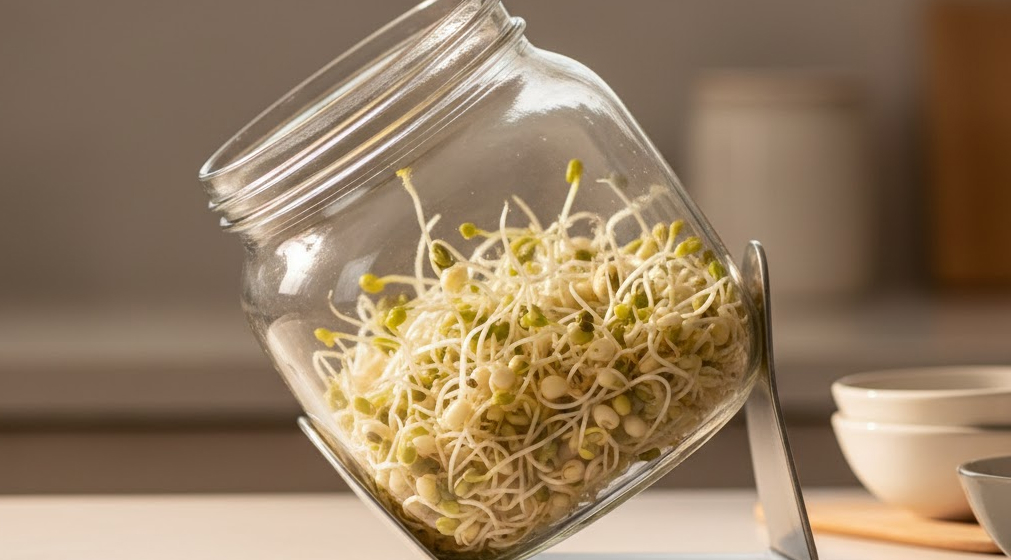
Sprouting at home is simple when following a structured, clean process. All sprouting seeds go through hydration, activation, and growth stages, absorbing water and waking internal enzymes that generate the nutrient-dense sprouted seeds people rely on for everyday nutrition. Begin by rinsing the seeds thoroughly and soaking them for several hours; this softens their outer layer and triggers natural germination. After soaking, drain well and place the seeds into a clean sprouting jar, tray, or mesh container—tilted to allow airflow and prevent moisture accumulation. Rinse the seeds twice daily to maintain optimal hydration without creating stagnant water, which is the main risk factor for spoilage.
Timing varies: legumes usually sprout in 24–48 hours, while small seeds take 3–5 days. Throughout the process, the seeds should smell fresh and clean; any sour odor indicates contamination. When the sprouts reach the desired length, refrigeration slows their growth and preserves texture. Clean containers, proper airflow, and consistent rinsing ensure safe and reliable production of high-quality sprouted seeds.
Safety and Storage Rules: Reducing Risks When Using Sprouted Seeds
Because sprouted seeds develop in warm, moist environments—ideal for both enzymatic activity and bacteria—safety practices must be consistent. Clean water, sanitized containers, and proper airflow form the foundation of safe sprouting. Rinse containers well before each use, and store both seeds and sprouts in a dry, cool place until needed. Once sprouts are ready, refrigeration is essential for preventing bacterial growth and extending freshness. Fresh sprouted seeds should have a crisp texture, bright color, and a neutral grassy scent. Any sliminess, darkening, or sour smell means they should be discarded immediately.
Individuals with sensitive digestion or weaker immune systems may prefer lightly cooked sprouted seeds, especially sprouted legumes, to reduce microbial risk while keeping nutritional benefits intact. Quick blanching, steaming, or pan-heating preserves most of the vitamins and amino acids. To maintain maximum quality, follow these rules:
- Refrigerate sprouts immediately, keeping them in airtight or breathable containers.
- Check appearance and smell daily, ensuring sprouts remain crisp and clean.
- Apply heat treatment when needed, especially for legume-based sprouted seeds.
Culinary Uses: Simple Ways to Add Sprouted Seeds to Daily Meals
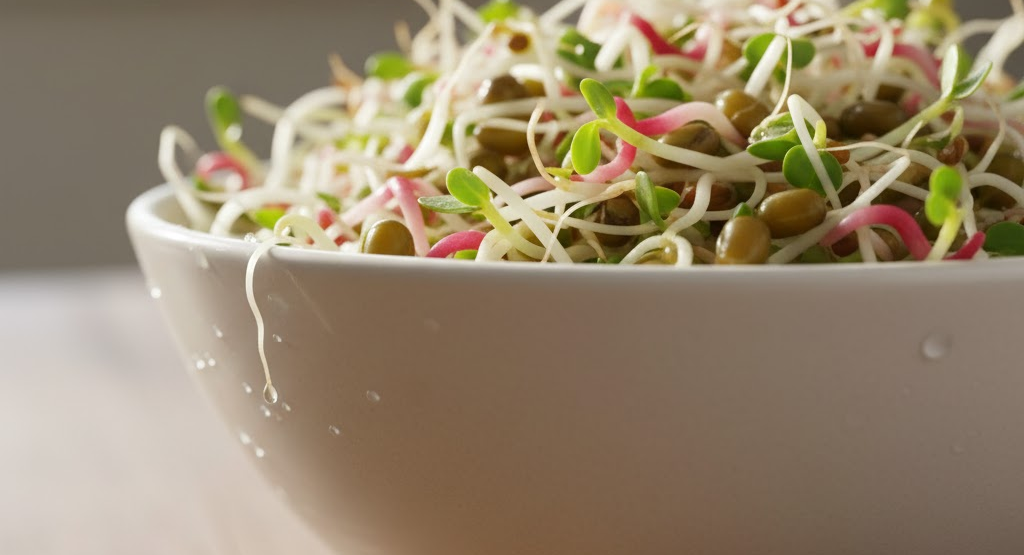
Adding sprouted seeds to daily meals is one of the easiest ways to enhance nutrition without changing familiar eating habits. Thanks to their mild flavor and delicate texture, sprouted seeds blend seamlessly into sweet and savory dishes, making them a versatile option for beginners and experienced health-focused eaters alike. Their naturally elevated content of vitamins, enzymes, and phytonutrients turns even simple plates into more functional foods.
By incorporating sprouted grain bowls, sprouted seed salads, or high-nutrition toppings, it becomes possible to increase overall nutrient density without relying on supplements or complicated meal plans. This approach suits both minimalistic cooks and those who prefer structured meal prep. Most importantly, sprouted seeds require no special culinary background — they complement everyday staples like eggs, yogurt, soups, sandwiches, pasta, and smoothies.
Another advantage is how sprouted seeds can adjust the balance of flavors, textures, and macros in daily recipes. They add light crunch, mild nuttiness, and a fresh, clean aroma that pairs well with vegetables, proteins, and grains. For people seeking practical ways to boost micronutrients, integrating easy sprouted seed recipes can support energy, digestion, and satiety throughout the day.
Their versatility allows them to replace more processed toppings such as croutons or packaged granola, bringing a cleaner profile to homemade dishes. By keeping a small container of fresh sprouted seeds in the fridge, it’s possible to enrich meals instantly — from breakfast to late-night snacks — while maintaining a natural, whole-food-focused approach. This makes sprouted seeds a reliable tool for anyone exploring sustainable daily nutrition.
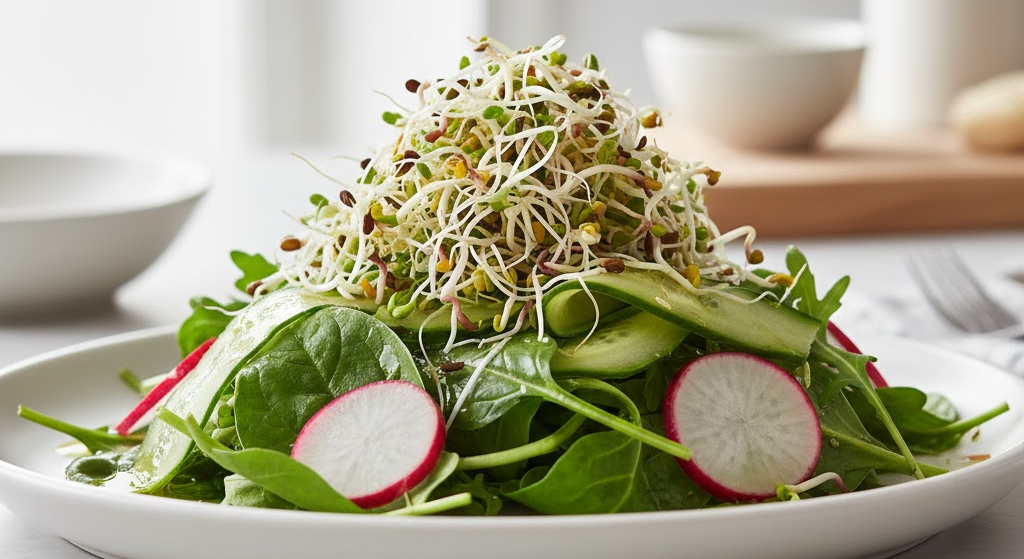
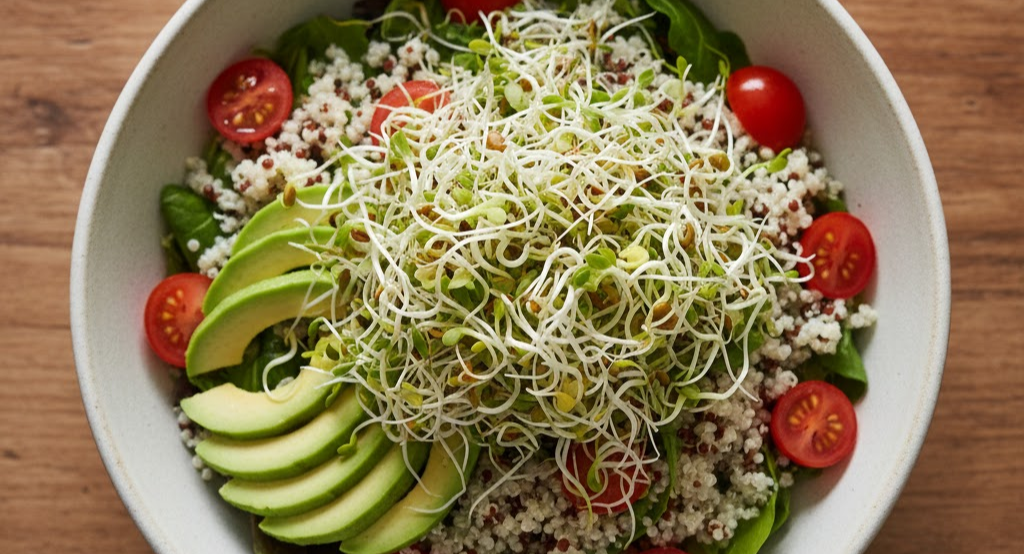
- Add sprouted seeds to salads, bowls, and wraps to increase crunch and micronutrient density.
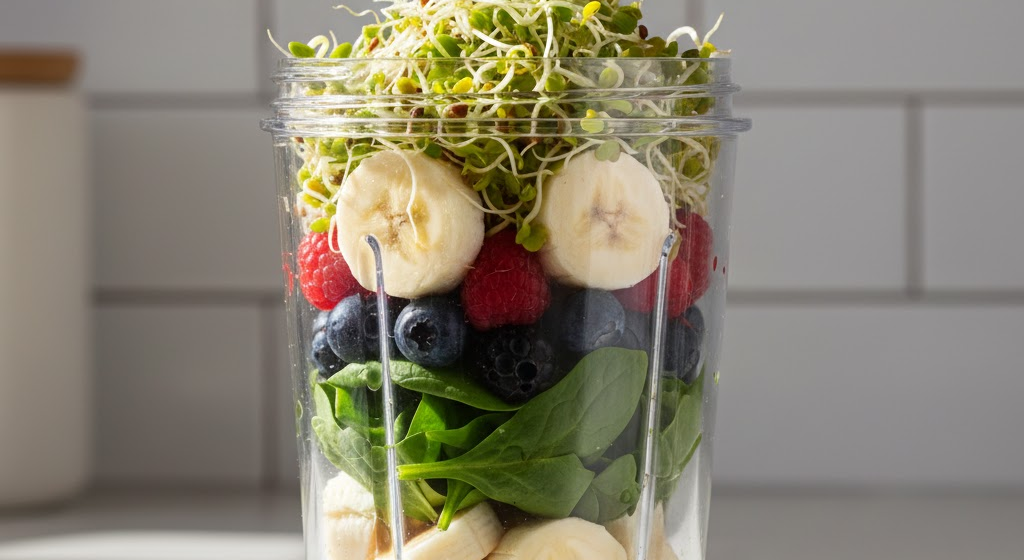
- Blend sprouted seeds into smoothies or creamy dressings for a mild flavor boost and smoother digestion.
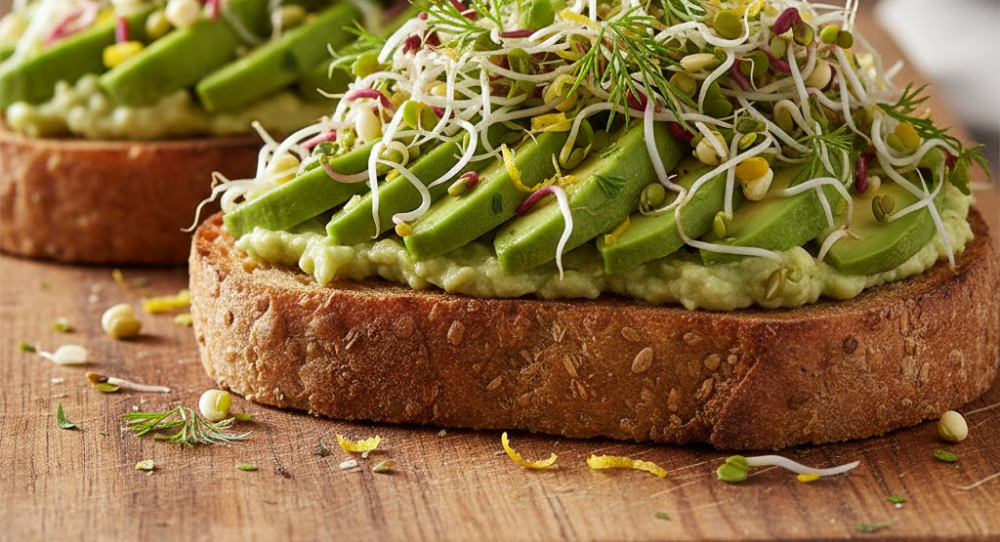
- Use sprouted seeds as topping for soups, avocado toast, eggs, or yogurt for effortless daily meal enrichment.
Final Thoughts on “Sprouted Seeds for Real-Life Use”
Integrating sprouted seeds into everyday nutrition is one of the simplest ways to support long-term wellbeing without restructuring the entire diet. Their natural concentration of enzymes, vitamins, antioxidants, and easily digestible plant proteins makes them a practical tool for anyone focused on sustainable health habits. Because sprouted seeds pair well with familiar foods and require almost no preparation, they fit equally well into busy schedules and mindful cooking routines.
Whether the goal is improving energy, supporting digestion, or enriching meals with cleaner nutrient sources, sprouted seeds offer a balanced, accessible solution. Their ability to elevate ordinary dishes — from breakfast staples to evening meals — helps maintain consistent nutrient intake throughout the day without relying on complex recipes. This makes them a valuable component of real-life healthy eating, suitable for beginners and experienced biohackers alike.
Beyond nutrition, the appeal of sprouted seeds lies in their flexibility and adaptability. They blend into smoothies, sit comfortably on top of savory meals, and can even be incorporated into homemade snacks, providing both flavor and functional benefits. For those building long-term eating routines, sprouted seeds support a whole-food, minimally processed approach that aligns with modern wellness priorities. Their freshness encourages mindful eating, while their nutrient density reinforces daily balance. By keeping a steady supply at home, it becomes easier to make healthier choices automatically, without additional planning or effort. Ultimately, sprouted seeds prove that meaningful upgrades to nutrition don’t require complexity — only consistency and simple, thoughtful additions to the foods already enjoyed every day.