
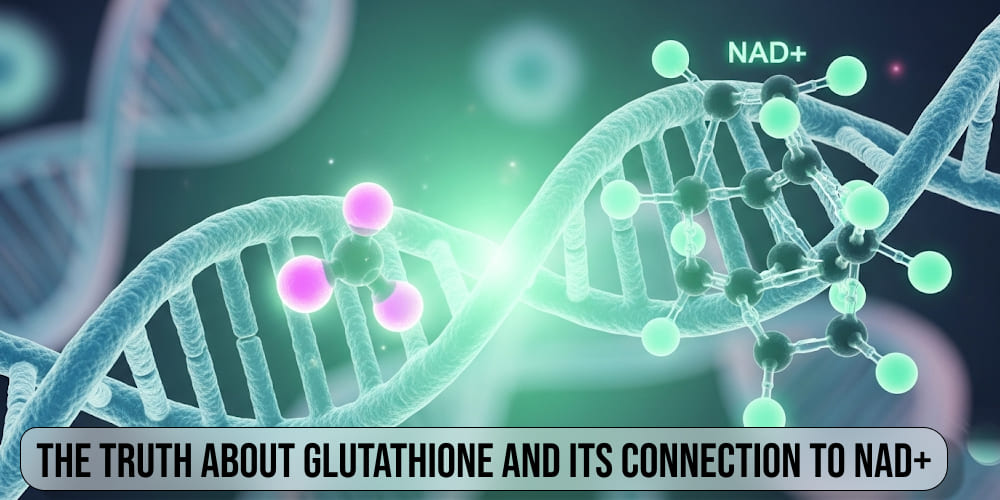
Glutathione and nicotinamide adenine dinucleotide (NAD+) are two fundamental molecules that play a crucial role in maintaining health and slowing down the aging process. Their interconnectedness and synergistic action are of immense importance for cellular functioning and overall well-being. Understanding the mechanisms of their work and interaction allows for a deeper appreciation of biohacking principles and the optimization of the body’s internal resources.
NAD+ participates in hundreds of metabolic reactions, acting as a coenzyme necessary for energy production in mitochondria, repairing damaged DNA, and supporting the functions of sirtuins—proteins that regulate cellular aging. On the other hand, glutathione is one of the most powerful antioxidants produced by the body and plays a central role in detoxification and protecting cells from oxidative stress. Their combined action creates a powerful shield against negative environmental factors and internal imbalances, making them indispensable for maintaining optimal health.
- NAD+ powers cellular energy processes.
- Glutathione neutralizes free radicals and toxins.
- The combined work of these molecules supports cellular integrity and longevity.
Glutathione: The Master Detox Molecule
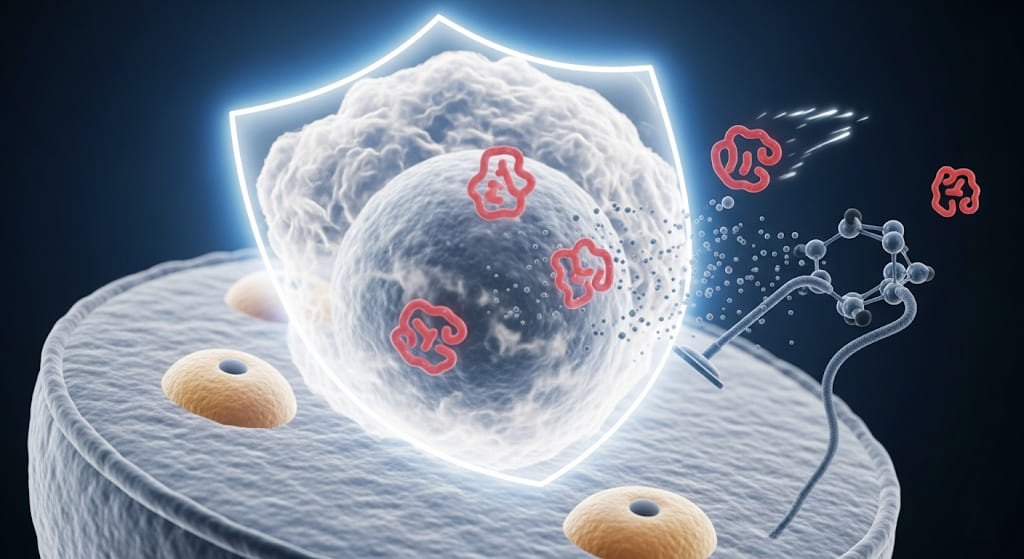
Glutathione, often called the “master antioxidant,” is a tripeptide composed of three amino acids: cysteine, glutamic acid, and glycine. Its unique structure allows it to effectively neutralize free radicals, which damage cells and contribute to the development of chronic diseases. The formation of free radicals is a natural byproduct of metabolic processes, but their excess leads to a condition known as oxidative stress, which accelerates aging and promotes the development of numerous pathologies.
Beyond its antioxidant function, glutathione plays a critical role in the body’s detoxification processes. It binds to toxins, heavy metals, and xenobiotics (foreign substances), converting them into water-soluble compounds that can then be eliminated from the body via the kidneys or bile. This process is crucial for protecting the liver and other organs from damage. Maintaining adequate glutathione levels is essential for the effective functioning of the immune system and fighting infections, as it supports the function of immune cells.
- Glutathione is a powerful antioxidant that protects cells from damage.
- It participates in detoxification, neutralizing toxins and heavy metals.
- It supports the immune system, strengthening the body’s protective functions.
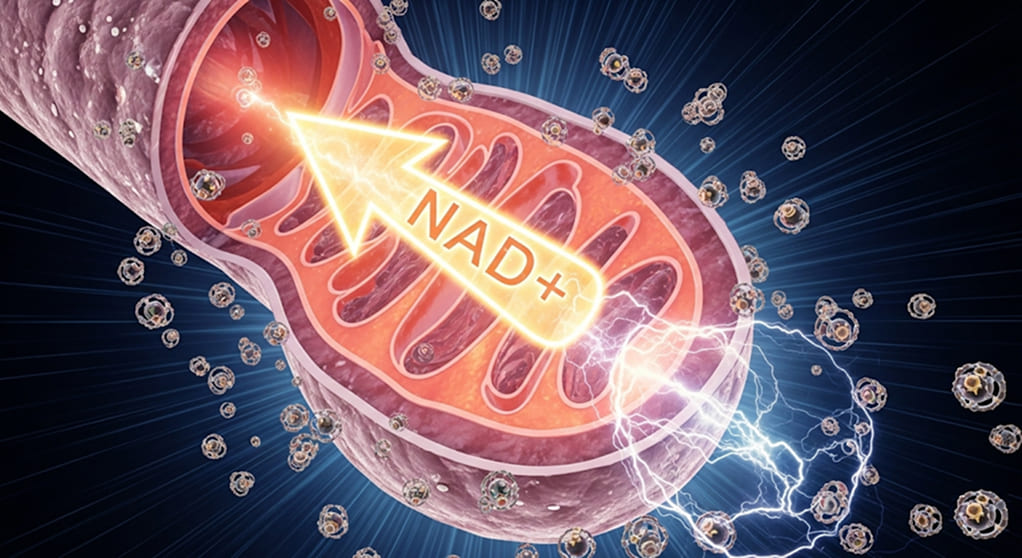
NAD+: Fuel for Cellular Processes
Nicotinamide adenine dinucleotide (NAD+) is a coenzyme present in every cell of our body and plays a central role in cellular metabolism. It is essential for thousands of biochemical reactions, primarily related to energy production. NAD+ is involved in the process of converting nutrients into cellular energy in mitochondria, making it critically important for maintaining vital functions. With age, NAD+ levels in the body gradually decline, which is linked to a slowdown in metabolism and an acceleration of aging processes.
In addition to its role in energy production, NAD+ is a key factor in activating sirtuins, a group of proteins that regulate cellular processes, including DNA repair, inflammatory responses, and the cell cycle. Sirtuins, often called “longevity proteins,” use NAD+ as a substrate for their activity, highlighting the importance of maintaining sufficient NAD+ levels for supporting cellular health and longevity. A deficiency in NAD+ can lead to impaired critical functions, contributing to the development of age-related diseases.
- NAD+ is indispensable for cellular energy production.
- It activates sirtuins, regulating cellular aging and DNA repair.
- Declining NAD+ levels with age are linked to accelerated aging.
The Interconnection of Glutathione and NAD+: Synergy for Longevity
The relationship between glutathione and NAD+ is deep and multifaceted; they work in close synergy to maintain cellular homeostasis. Although their functions differ—glutathione is primarily an antioxidant and detoxifier, while NAD+ is involved in energy metabolism and gene regulation—they mutually support each other. For example, maintaining high glutathione levels helps reduce oxidative stress, which, in turn, can deplete NAD+ reserves. Oxidative damage can directly affect enzymes that utilize NAD+, reducing their efficiency.
Conversely, NAD+ participates in the energy production necessary for glutathione synthesis and maintaining its active form. Enzymes responsible for regenerating glutathione from its oxidized form (GSSG) back to its reduced form (GSH) require energy, which comes from NAD+-dependent processes. Thus, sufficient NAD+ levels are critical for maintaining the pool of active glutathione in cells. This interdependence highlights that optimizing one of these compounds often leads to an improvement in the status of the other, creating a powerful synergistic effect for cell protection and slowing aging.
- Glutathione reduces oxidative stress, which depletes NAD+.
- NAD+ provides energy for glutathione synthesis and regeneration.
- Their synergy enhances cell protection and promotes longevity.
How Oxidative Stress Affects NAD+ and Glutathione Levels
Oxidative stress is a condition where there is an imbalance between the formation of free radicals and the body’s ability to neutralize them. This imbalance leads to damage to cellular components, including DNA, proteins, and lipids. Free radicals can directly damage enzymes involved in the synthesis of NAD+ and glutathione, as well as those that use these molecules in their work. For instance, peroxynitrite, a highly reactive free radical, can inactivate NAD+-dependent enzymes, leading to a reduction in NAD+ levels.
Elevated levels of oxidative stress also deplete reserves of reduced glutathione (GSH), converting it into its oxidized form (GSSG). Although the body is capable of restoring GSSG back to GSH, this process requires energy and depends on the activity of NADP-dependent enzymes (reduced NADP is a related NAD+ coenzyme). If oxidative stress is too severe or prolonged, the glutathione regeneration systems can become overwhelmed, leading to a chronic GSH deficiency. This creates a vicious cycle where decreased glutathione exacerbates oxidative stress, which in turn further depletes both glutathione and NAD+.
- Free radicals damage enzymes related to NAD+ and glutathione.
- Oxidative stress depletes reserves of reduced glutathione (GSH).
- Chronic oxidative stress creates a vicious cycle of depletion for both molecules.
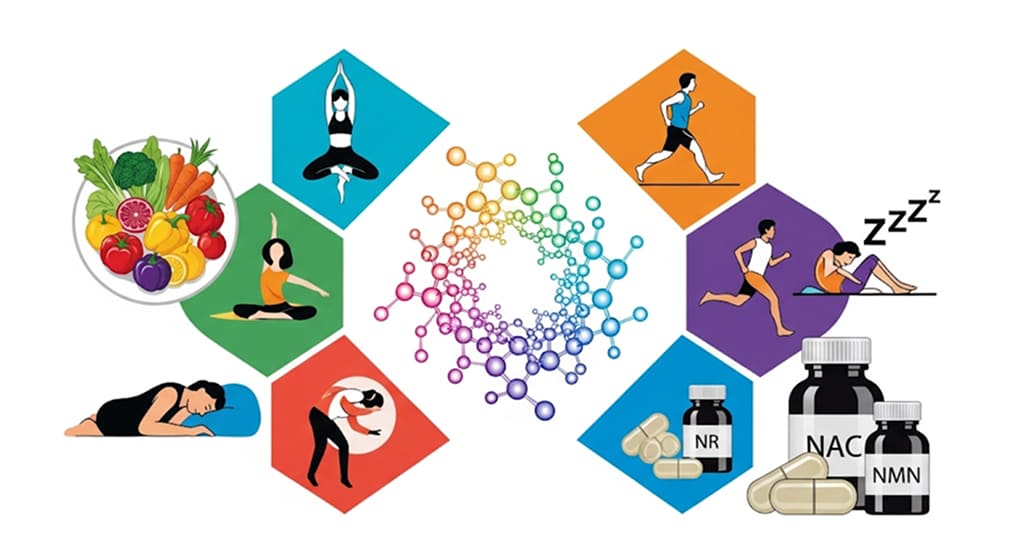
Maintaining Optimal NAD+ and Glutathione Levels
Maintaining optimal NAD+ and glutathione levels is a key aspect of biohacking strategies aimed at improving health and slowing aging. Several approaches exist to increase the levels of these vital molecules. One of the most effective ways to boost glutathione levels is to provide the body with sufficient building blocks for its synthesis, particularly N-acetylcysteine (NAC), which is a precursor to cysteine. A diet rich in sulfur-containing foods, such as garlic, onions, and cruciferous vegetables, also promotes natural glutathione synthesis.
To increase NAD+ levels, NAD+ precursors such as nicotinamide riboside (NR) and nicotinamide mononucleotide (NMN) are actively researched and utilized. These compounds can enter cells and efficiently convert into NAD+, bypassing limiting synthesis steps. Beyond supplements, certain lifestyle changes can also positively impact the levels of both molecules. Regular exercise, caloric restriction (or intermittent fasting), and adequate sleep promote the activation of pathways that support the synthesis and regeneration of both NAD+ and glutathione, creating a comprehensive approach to optimizing their levels.
- NAC and sulfur-rich foods support glutathione synthesis.
- NR and NMN are effective NAD+ precursors.
- A healthy lifestyle, including exercise and proper nutrition, helps boost both molecules.

Clinical Applications and Future Prospects
Research into glutathione and NAD+ opens up broad perspectives for clinical application in the prevention and treatment of various diseases. Glutathione is actively studied in the context of neurodegenerative disorders, such as Parkinson’s and Alzheimer’s disease, due to its ability to protect neurons from oxidative damage. It also finds use in treating liver diseases, chronic inflammatory conditions, and supporting the immune system. Administering glutathione in intravenous injections or liposomal forms can increase its bioavailability, especially in cases of severe deficiency.
In turn, NAD+ research focuses on its potential in combating age-related diseases such as type 2 diabetes, cardiovascular diseases, and metabolic syndrome. NAD+ precursors show promising results in preclinical and early clinical trials, improving metabolic parameters, muscle function, and cognitive abilities. Combined approaches aimed at simultaneously optimizing glutathione and NAD+ may provide an even more powerful therapeutic effect, creating synergy in the fight against cellular aging and a wide range of pathologies.
- Glutathione is used in the therapy of neurodegenerative and liver diseases.
- NAD+ is being studied to combat age-related diseases and metabolic disorders.
- Combined strategies for optimizing both molecules open new horizons in medicine.
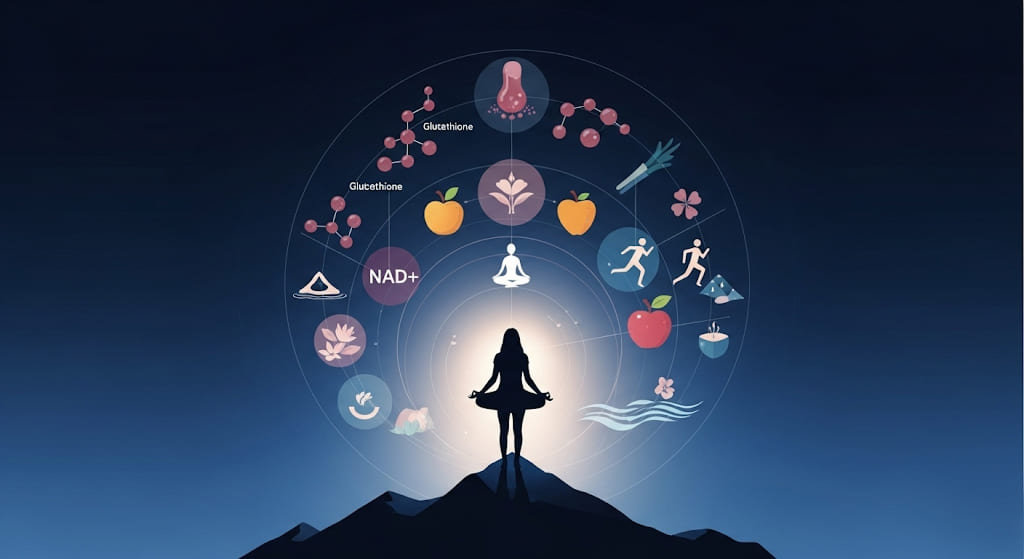
Conclusion: An Integrated Approach to Health
Glutathione and NAD+ represent two pillars of cellular health and longevity. Their unique functions—antioxidant protection and detoxification for glutathione, and energy metabolism and gene regulation for NAD+—make them indispensable for maintaining optimal bodily function. However, their true power lies in their interconnectedness: they mutually support and enhance each other, creating a powerful synergistic network that protects cells from damage and slows down the aging process.
Understanding this interconnection allows us to apply an integrated approach to biohacking. Instead of focusing solely on one molecule, strategies aimed at optimizing both can yield significantly greater effects. This includes not only targeted supplements but also lifestyle changes: a healthy diet, regular physical activity, stress management, and adequate sleep. Ultimately, boosting glutathione and NAD+ levels isn’t just about fighting aging; it’s an investment in a more energetic, healthy, and fulfilling life, based on a deep understanding of cellular processes.
- Glutathione and NAD+ are key elements of cellular health.
- Their synergistic interaction provides powerful protection against aging and disease.
- An integrated approach to their optimization includes diet, supplements, and a healthy lifestyle.