
In an era where the pursuit of longevity and improved quality of life isn’t just a trend but a conscious necessity, biohacking offers a deep dive into the intricacies of our bodies. At the heart of this fascinating journey lies a molecule essential for life itself: nicotinamide adenine dinucleotide, or NAD+. This isn’t merely a complex name; it’s the true conductor of the cellular orchestra, orchestrating energy metabolism, repairing damaged DNA, and even fine-tuning our biological clocks. Unfortunately, with age, and under the relentless pressure of stress and less-than-ideal lifestyles, NAD+ levels in the body inevitably decline, manifesting as a loss of energy, a general feeling of unwellness, and accelerated cellular aging.

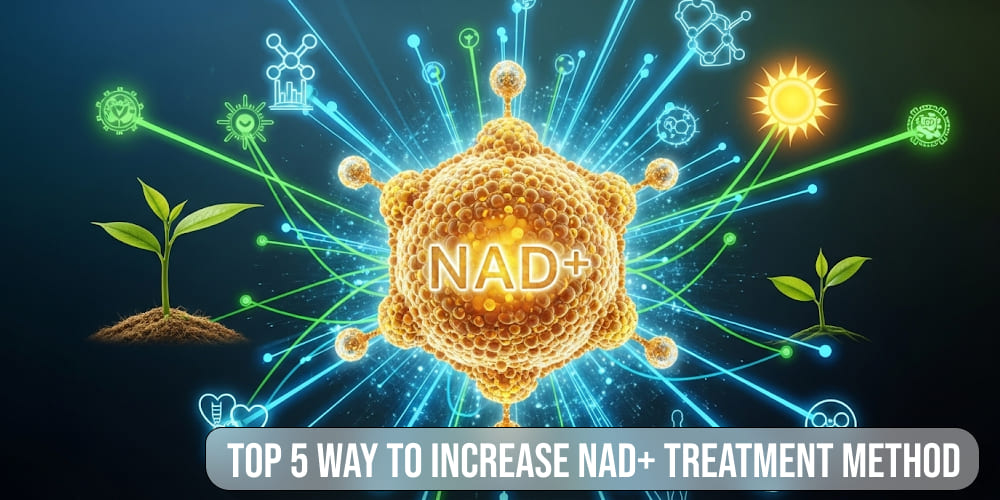
That’s precisely why finding effective ways to increase NAD+ has become a pivotal goal for biohackers and specialists in preventive medicine. Several paths lead to this objective, each with its unique characteristics. It’s crucial to understand that a real breakthrough is achieved not by using these methods in isolation, but by weaving them into a coherent, comprehensive strategy. Of course, individual physiological differences must always be considered, and consulting experts before implementing any new regimen is always advisable. Let’s explore the scientifically backed and practically proven methods that can help you revitalize your cells and potentially slow down the relentless march of time.
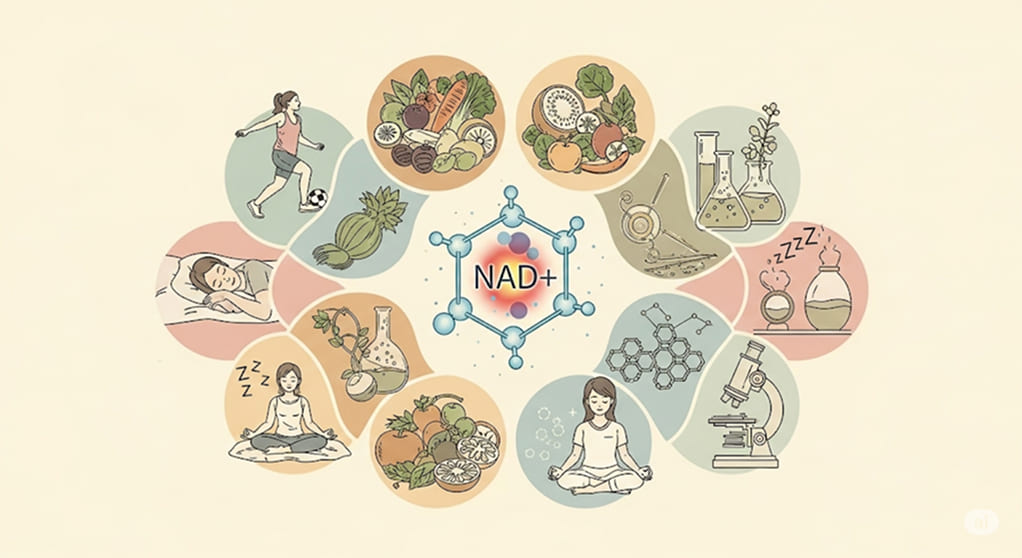
1. Oral NAD+ Precursors: Small Helpers with Big Impact
Perhaps the most accessible and extensively researched method to increase NAD+ levels is through the oral intake of its precursors, such as nicotinamide riboside (NR) and nicotinamide mononucleotide (NMN). Think of these as the “building blocks” from which the body efficiently synthesizes the NAD+ it needs. Research indicates that both NR and NMN can significantly elevate NAD+ concentrations in various tissues – from the brain to muscles and the liver. This directly leads to improved cellular metabolism, a noticeable surge in energy, and an acceleration of regenerative processes at a profound level. The choice between NR and NMN often comes down to personal preference and availability, as both demonstrate impressive results, though their absorption and utilization mechanisms might slightly differ.
However, as with any supplement, there are nuances. The efficacy of NR and NMN can vary depending on the specific dosage and an individual’s bioavailability. To maximize benefits, it’s wise to choose products from reputable brands that provide third-party lab testing to confirm the purity and quality of their supplements. And, of course, remember the importance of consulting a specialist, as even seemingly benign aids can interact with other medications or trigger individual reactions. A healthcare professional can guide you on the best approach to increase NAD+ safely.
- These substances act as “bricks” for the rapid and efficient synthesis of NAD+ within cells, helping to increase NAD+.
- Regular intake can enhance mental clarity, physical endurance, and overall well-being.
- Always consult your doctor to determine the ideal dosage and ensure there are no contraindications.
2. Intravenous NAD+ Infusion: Express Energy Delivery
When it comes to the fastest and most direct way to saturate the body with NAD+, intravenous (IV) infusion takes center stage. This is like express delivery directly into the bloodstream, bypassing all the digestive system’s obstacles. This method allows for significantly higher NAD+ concentrations in the blood within a very short time compared to any oral supplements. IV infusions are often chosen by those seeking a rapid restoration of energy potential, a quick boost in cognitive function, or robust support to combat chronic fatigue. This approach is highly valued for its ability to exert a swift and profound impact on cellular metabolism and regenerative processes, making it an effective way to increase NAD+ quickly.
However, as you might expect, such a powerful method demands appropriate handling. Intravenous NAD+ administration must be performed exclusively under strict medical supervision, in a clinic setting, by qualified personnel, and adhering to all sterile protocols. The duration and frequency of infusions are tailored individually, based on specific treatment goals, the patient’s overall health, and their response to therapy. Although this method is more invasive and often more expensive, for individuals with a marked NAD+ deficiency or those requiring a rapid and intensive “reboot,” it can prove truly life-changing.
- NAD+ infusions provide maximum bioavailability and immediate elevation of NAD+ levels in the body, ensuring a rapid increase NAD+.
- It’s an ideal choice for those needing swift energy restoration and mental clarity after exhaustion.
- The procedure requires strict medical supervision and is performed only in specialized clinics, prioritizing safety.
3. Physical Exercise: Nature’s NAD+ Stimulant
The most natural, accessible, and arguably most enjoyable way to increase NAD+ levels in the body is through regular physical exercise. When we challenge our muscles, especially during high-intensity interval training (HIIT) or strength training, cells receive a signal to actively produce more mitochondria—the true “powerhouses” of our cells. The more mitochondria we have, the greater the demand for NAD+, as it is a crucial component in cellular respiration and the production of adenosine triphosphate (ATP)—the primary energy currency of every single one of our cells. Activating these metabolic pathways, linked to energy generation, naturally leads to an increase NAD+ synthesis and utilization.
Beyond its direct influence on NAD+ levels, physical activity offers a multitude of other benefits: it improves cellular insulin sensitivity, reduces systemic inflammation, and generally promotes overall body health. All of this indirectly, but very effectively, supports optimal coenzyme levels. For the best results, it’s recommended to combine various types of activity—cardio for endurance and strength training for muscle mass. The key is to exercise regularly and with moderate intensity, avoiding overexertion, and instead, steadily and consistently working to increase NAD+ levels.
- Movement stimulates cells to produce more mitochondria, which require NAD+ for energy production, leading to an increase NAD+.
- Regular workouts enhance metabolism and boost overall health and well-being.
- Combining cardiovascular and strength training provides the most comprehensive and effective results.

4. Caloric Restriction and Intermittent Fasting: Metabolic Reboot
Caloric restriction and intermittent fasting (IF) are not just trendy diets but powerful strategies proven to significantly increase NAD+ levels and activate sirtuins—special proteins that directly depend on NAD+ and play a vital role in cellular health and the aging process. When the body experiences a slight energy deficit, it “switches” into survival mode, beginning to utilize internal reserves more efficiently and stimulating metabolic pathways where NAD+ is simply indispensable. Specifically, AMP-activated protein kinase (AMPK) is activated, which, in turn, signals for increased NAD+ synthesis and boosts the activity of sirtuins, responsible for cellular repair and protection.
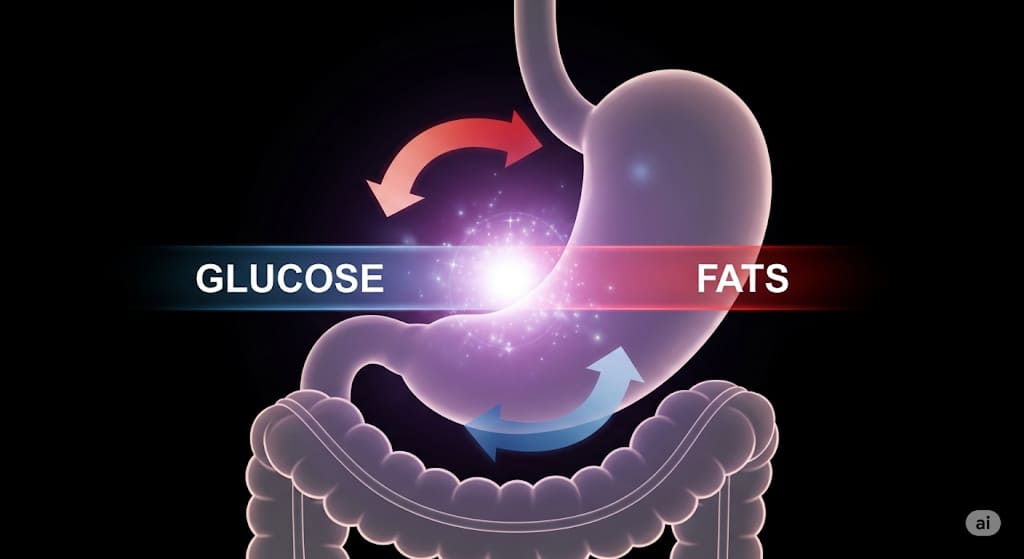
Intermittent fasting, whether through daily short eating “windows” (like the popular 16/8 schedule) or longer weekly cycles, allows the body to achieve greater “metabolic flexibility.” This means it learns to efficiently switch between burning glucose and fats for energy. This process not only optimizes resource utilization but also promotes cellular renewal and autophagy—a unique process of cellular “self-cleaning” where damaged components are removed. All these vital processes rely on NAD+. Implementing these dietary approaches should be gradual, with careful attention to your body’s signals, ensuring a sustainable increase NAD+.
- These approaches activate the body’s internal mechanisms, stimulating NAD+ production and contributing to an increase NAD+.
- They enhance metabolic flexibility and trigger processes of cellular renewal and cleansing.
- Intermittent fasting and caloric restriction should be introduced gradually and mindfully.
5. Healthy Sleep and Stress Management: The Foundation of Longevity
Often underestimated, yet absolutely critically important for maintaining optimal NAD+ levels, are quality sleep and effective stress management. Chronic sleep deprivation and constant nervous tension exert a destructive impact on cellular metabolism and inevitably lead to the depletion of precious NAD+ reserves. It is during sleep that our body activates its most intensive recovery processes, including the crucial repair of DNA. Insufficient sleep disrupts these processes, increases oxidative stress, and significantly elevates the demand for NAD+, rapidly depleting its reserves and impairing normal cellular function.
Stress, in turn, triggers the release of cortisol and other stress hormones that can negatively affect mitochondrial function and increase cells’ metabolic demands, thereby rapidly consuming NAD+. Relaxation practices such as meditation, yoga, deep breathing exercises, and, of course, sufficient and truly restorative sleep, help lower stress levels, optimize hormonal balance, and create ideal conditions for sustaining high NAD+ levels in the long term. These methods are not merely supplementary; they are the fundamental bedrock for overall health and well-being, paving the way to increase NAD+ naturally.
- Lack of sleep and chronic stress deplete NAD+ reserves, hindering cellular recovery and preventing an increase NAD+.
- Quality, deep sleep is key to effective cellular recovery and maintaining optimal NAD+ levels.
- Stress management techniques help reduce NAD+ consumption and preserve its optimal levels under pressure.

6. Dietary Factors and Their Contribution to NAD+ Levels
While the majority of NAD+ is synthesized by the body itself, certain food products and nutrients play a significant role in maintaining its healthy levels and enhancing its efficient utilization. Foods rich in B vitamins, especially niacin (vitamin B3), are crucial “building blocks” for NAD+ synthesis in the body. Include lean meats, fish (salmon, tuna), poultry, as well as nuts, seeds, whole grains, and some types of mushrooms in your diet. A varied and balanced diet, rich in essential micronutrients, establishes a strong foundation for effective NAD+ production and overall cellular health, helping to increase NAD+ through natural means.
Beyond vitamins, other compounds can indirectly influence NAD+ levels. For instance, resveratrol, found in red wine, dark chocolate, and certain berries, and pterostilbene from blueberries, are known for their ability to activate sirtuins. These proteins are directly dependent on NAD+ and play a role in cellular longevity. While the contribution of these substances to a direct increase NAD+ might be less pronounced than specialized supplements, they are a valuable part of a comprehensive healthy lifestyle strategy.
- Foods rich in niacin (vitamin B3) provide the body with necessary precursors for NAD+ synthesis.
- Certain plant compounds, like resveratrol, support the activity of NAD+-dependent sirtuins.
- A healthy, balanced diet is an indispensable foundation for optimizing NAD+ levels.

7. Cold Exposure (Cryotherapy): Awakening Inner Powers
Cold exposure, or cryotherapy, is rapidly gaining popularity in the biohacking world due to its remarkable ability to stimulate a range of physiological processes, including those that influence NAD+ levels. Brief yet intense and controlled exposure to low temperatures—whether through cold showers, ice baths, or sessions in special cryochambers—activates our brown adipose tissue (BAT). This tissue plays a key role in thermoregulation and metabolism, and its activation leads to a significant increase in energy expenditure and changes in metabolic pathways, which, in turn, can indirectly affect NAD+ levels by stimulating its production and more efficient utilization, thereby contributing to an increase NAD+.
Research indicates that cold stress can enhance mitochondrial biogenesis, meaning the creation of new mitochondria, and improve their function. And, as we already know, optimal mitochondrial function requires sufficient NAD+. Furthermore, cold exposure triggers adaptive responses in the body, including the activation of sirtuins and other NAD+-dependent mechanisms, contributing to cellular protection and slowing down aging. This method not only potentially leads to an increase NAD+ but also improves stress adaptation, reduces inflammation, and strengthens the immune system.
- Cold stimulates brown adipose tissue activity, indirectly increasing the demand for and production of NAD+.
- Cryotherapy promotes the creation of new mitochondria and improves existing ones, which consume NAD+.
- Begin cold exposure gradually, increasing exposure time as your body adapts.
8. Holistic Approach: The Future of NAD+ Optimization
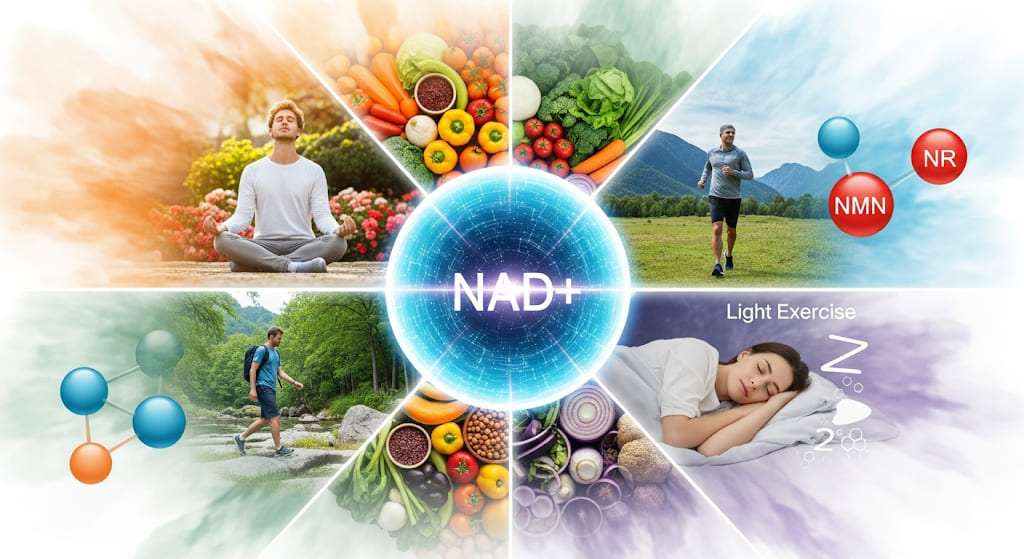
A deep understanding of NAD+‘s role in cellular health and aging opens up truly exciting prospects in biohacking and preventive medicine. Each of the methods discussed—from oral supplements to intravenous infusions, from physical activity and dietary strategies to healthy sleep and cold exposure—offers a unique key to optimizing the levels of this vital coenzyme. However, the most powerful and lasting results are achieved through a holistic approach, where these methods are not merely used but harmoniously combined, creating a potent synergistic effect. This allows for comprehensive improvement in cellular metabolism and overall bodily rejuvenation, leading to a sustained increase NAD+.
It’s crucial to remember that any significant lifestyle changes or supplement intake should be carefully considered and, ideally, discussed with a qualified specialist, especially if you have chronic health conditions. An individualized approach to NAD+ optimization, taking into account each person’s unique needs and characteristics, will yield the best and safest results. Our understanding of NAD+ and its role is continually deepening thanks to new research, and this promises exciting new avenues for maintaining health and extending an active lifespan.
What are your thoughts on integrating several of these approaches to maximize their combined effect and truly increase NAD+?