
What Are Protein Drinks, and why are they so popular in today’s health-conscious world? At their core, protein drinks are liquid supplements designed to boost your daily protein intake. They usually come in powdered or ready-to-drink (RTD) forms and are widely used by athletes, fitness enthusiasts, and busy professionals. Their convenience makes them ideal for people who don’t always have time for a balanced meal but still want to support muscle health, metabolism, and energy levels.
Protein is essential for maintaining muscle tissue, supporting immune function, and producing enzymes and hormones. Without adequate protein, recovery from exercise or injury slows down, and you may experience fatigue or muscle loss. While food sources like meat, fish, eggs, and legumes are ideal, protein drinks can fill nutritional gaps when whole foods aren’t accessible.
Still, many wonder: Do I really need protein drinks? The answer depends on your lifestyle, activity level, and dietary habits. For someone consuming enough protein through food, the extra may be unnecessary. But if you’re trying to gain muscle, lose fat while preserving lean mass, or manage a busy schedule, protein drinks can be extremely effective.
- Useful for those with increased needs or limited time for full meals
- Protein drinks are liquid supplements that increase daily protein intake
- Essential for muscle repair, immune health, and hormonal balance

Types of Protein Drinks and Their Differences
If you’ve ever wondered What Are Protein Drinks made from, the answer varies depending on the source. The most common types include whey, casein, soy, pea, rice, and collagen protein. Each has unique benefits. Whey protein, derived from milk, is fast-digesting and rich in essential amino acids, making it perfect for post-workout recovery. Casein digests more slowly, releasing amino acids gradually over time, ideal before bed.
Plant-based protein drinks, including pea, hemp, and brown rice, are gaining popularity among vegans and those with lactose intolerance. While some plant proteins are incomplete on their own, many manufacturers now combine multiple sources to deliver a full amino acid profile. Collagen protein, on the other hand, supports joint and skin health rather than muscle building.
Understanding what protein drinks are helps users make informed choices. It’s not just about picking a brand — it’s about matching the formula to your goals, dietary restrictions, and absorption preferences. Athletes may prefer fast-acting whey, while those looking for skin and joint support might choose collagen.
- Whey and casein are dairy-based proteins with fast and slow absorption
- Plant-based proteins offer alternatives for vegans and allergy-sensitive users
- Collagen supports joint and skin health more than muscle growth
When Do You Actually Need Protein Drinks?
Now that we’ve defined What Are Protein Drinks, the next question is when are they truly necessary? If your regular diet already includes sufficient protein from whole foods, you may not need to supplement. However, for people with higher physical demands — such as athletes, bodybuilders, or those working long hours — protein drinks offer a convenient, quick solution.
During calorie-restricted diets or weight-cutting phases, protein drinks become especially useful. They allow you to maintain muscle mass while losing fat, thanks to their high protein-to-calorie ratio. Similarly, older adults or individuals recovering from illness often experience reduced appetite, and liquid nutrition can help bridge the gap without feeling overly full.
Another scenario where protein drinks shine is during travel or hectic workdays. Skipping meals becomes more common under stress, and having a protein shake can help stabilize energy and prevent overeating later. As such, protein drinks become both a nutritional tool and a lifestyle solution.
- Protein drinks help during cutting, recovery, or high activity
- They’re ideal for people with reduced appetite or restricted eating windows
- Great for meal-skipping situations and on-the-go nutrition

How to Choose the Right Protein Drink for Your Needs
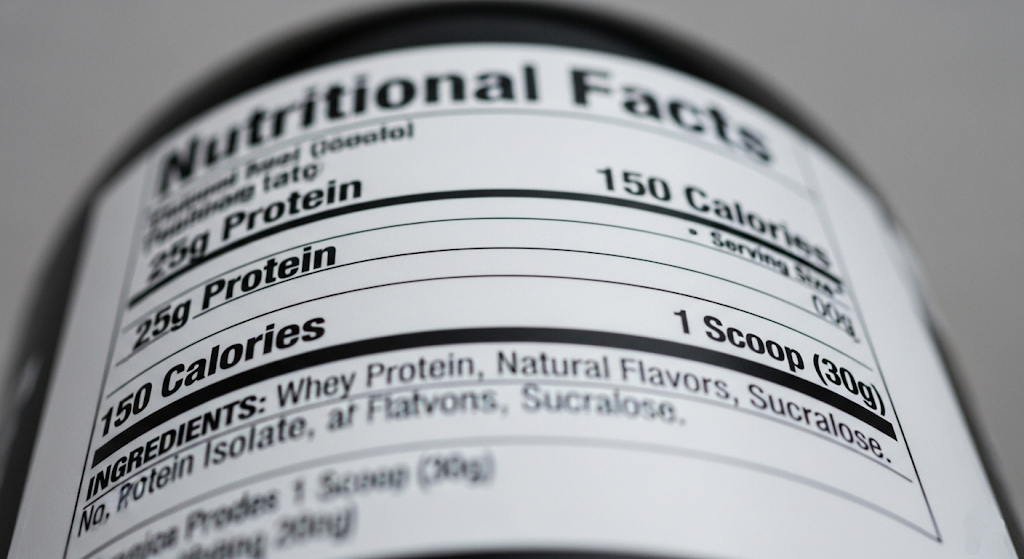
Understanding What Are Protein Drinks is only the first step; choosing the right one requires attention to ingredients, digestibility, and purpose. Not all protein drinks are created equal — some contain added sugars, fillers, or artificial flavors that may counteract your health goals. Reading labels carefully can help you avoid unnecessary additives.
For those with lactose intolerance or dairy allergies, plant-based protein drinks are the best option. Additionally, if muscle gain is your goal, opt for protein drinks with a high concentration of branched-chain amino acids (BCAAs), crucial for muscle synthesis. On the other hand, collagen protein drinks target skin, hair, and joint health rather than muscle recovery.
Price and convenience also matter. Ready-to-drink protein shakes offer immediate consumption but often cost more, while powders allow for customization but require mixing. Knowing what protein drinks are and aligning them with your goals can save money and optimize results.
- Check ingredients for added sugars and fillers
- Choose plant-based options if allergic or vegan
- Match protein type to your health and fitness goals

Potential Benefits and Risks of Protein Drinks
When exploring What Are Protein Drinks, it’s important to weigh both their potential benefits and risks. Protein drinks are widely recognized for their convenience and ability to deliver a concentrated source of high-quality protein. They can help with muscle recovery after workouts, support muscle growth, and improve overall nutrition, especially for those with busy lifestyles or increased protein needs. Many people find that incorporating protein shakes simplifies meeting daily protein requirements, which is vital for muscle maintenance, immune function, and overall health.
However, like any supplement, protein drinks come with some risks if used improperly. Overconsumption can lead to digestive issues such as bloating, gas, or constipation. Excessive protein intake might also strain the kidneys over time, particularly for individuals with pre-existing kidney conditions. Another risk involves reliance on protein drinks as a meal replacement without considering balanced nutrition, potentially leading to nutrient deficiencies.
Understanding What Are Protein Drinks means recognizing that while they offer practical benefits, they should complement a well-rounded diet rather than replace whole foods. Choosing high-quality products with minimal additives and consulting a healthcare professional can help maximize benefits and minimize risks.
- Protein drinks support muscle recovery and growth.
- Overuse may cause digestive discomfort and kidney strain.
- Should complement, not replace, balanced meals.

Protein Drinks and Their Role in Weight Management
Understanding What Are Protein Drinks includes recognizing their potential benefits in weight management. Protein drinks can be powerful allies for those aiming to lose, maintain, or even gain weight in a controlled manner. One of the key reasons protein drinks support weight management is their ability to promote satiety — the feeling of fullness. Consuming a protein-rich drink between meals can reduce overall calorie intake by curbing hunger and preventing overeating. This makes protein shakes a practical option for people who struggle with constant snacking or controlling portion sizes.
Moreover, protein drinks help preserve lean muscle mass during calorie restriction. When dieting, the body may break down muscle for energy, but adequate protein intake through shakes can minimize this effect. Maintaining muscle mass is essential because it supports a higher metabolic rate, helping to burn more calories even at rest. This is especially important for effective and sustainable weight loss.
Additionally, some protein drinks come formulated with low sugar and fat content, making them convenient, nutritious options for people focused on their weight goals. Knowing What Are Protein Drinks and how they function can help individuals incorporate them wisely into their diet plans.
- Protein drinks increase feelings of fullness.
- Help maintain lean muscle during weight loss.
- Provide low-calorie, nutrient-rich alternatives to snacks.

Common Myths and Misconceptions About Protein Drinks
When exploring What Are Protein Drinks, many myths and misconceptions often cloud the true benefits and appropriate use of these supplements. One of the most common myths is that protein drinks are only for bodybuilders or athletes. In reality, anyone seeking to meet their daily protein needs, improve recovery, or support a balanced diet can benefit from them. Protein drinks are not exclusive to fitness enthusiasts; they can serve a wide range of lifestyles.
Another misconception is that consuming too much protein from drinks will automatically lead to muscle gain. Muscle growth requires not only adequate protein but also proper training and overall nutrition. Simply drinking protein shakes without exercise will not magically build muscle. Understanding What Are Protein Drinks includes knowing they are supplements to a healthy lifestyle, not miracle solutions.
Some people worry that protein drinks might harm the kidneys or cause weight gain. For healthy individuals, moderate protein intake from shakes is safe and unlikely to cause harm. Weight gain depends on overall calorie balance, not just protein consumption. Another myth is that protein drinks can replace all meals. This is incorrect; whole foods provide essential vitamins, minerals, and fiber that protein shakes cannot fully replace.
Knowing the facts about What Are Protein Drinks helps clear these misunderstandings and enables informed, balanced use of protein supplements.
Dispelling these myths helps people make informed decisions and use protein drinks effectively as part of a balanced lifestyle.
- Protein alone doesn’t build muscle; exercise is essential
- Suitable for all ages and activity levels, not just bodybuilders
- Modern plant proteins offer complete amino acid profiles
Final Thoughts on What Are Protein Drinks and Their Role in Your Nutrition
Understanding What Are Protein Drinks is essential for anyone looking to improve their nutrition and fitness in today’s fast-paced world. These drinks provide a convenient and efficient way to increase daily protein intake, which is vital for muscle repair, growth, and overall health. Whether you’re an athlete, busy professional, or simply someone seeking better dietary balance, protein drinks can fill the gaps where whole foods might not be practical.
There is a wide variety of protein drinks available, including whey, casein, and plant-based options like pea or rice protein. Each type serves different purposes and dietary needs. Whey is fast-absorbing and great for post-workout recovery, while casein offers a slow, sustained release of amino acids. Plant-based proteins cater to vegans and those with lactose intolerance, often providing extra fiber and nutrients. Knowing What Are Protein Drinks helps you choose the best option tailored to your lifestyle and goals.
However, it’s important to remember that protein drinks should supplement, not replace, whole foods. Relying solely on shakes can lead to missing out on important vitamins, minerals, and fiber found in natural foods. Excessive protein without balance may also cause digestive or kidney issues. Therefore, use protein drinks thoughtfully within a balanced diet.
Protein drinks also support weight management by promoting fullness and helping preserve muscle during fat loss. When combined with a healthy eating plan and exercise, they become powerful tools for achieving and maintaining fitness.
In conclusion, understanding What Are Protein Drinks enables you to use them effectively and safely. With the right choices and balanced use, protein drinks can be a valuable addition to your nutrition, helping you reach your health and fitness goals with ease.
Key takeaways:
- Convenient and efficient protein source for busy lifestyles
- Wide variety to fit dietary preferences and goals
- Best used as supplements alongside whole foods