


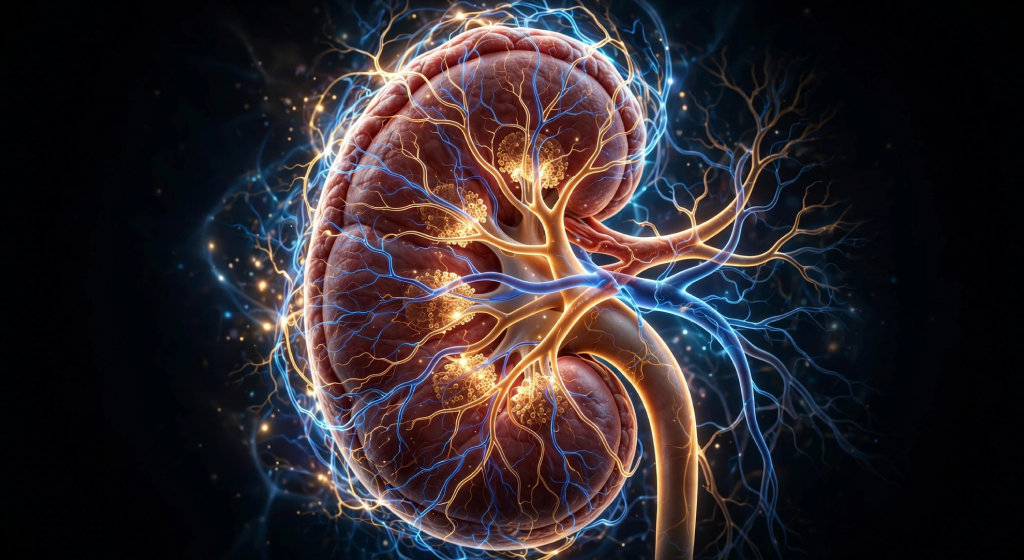
Vitamin K and Kidney Health. When exploring advanced strategies for maintaining optimal organ function, the profound connection between Vitamin K and kidney health frequently emerges as a cornerstone of modern functional nutrition. The kidneys act as the body’s sophisticated filtration system, constantly balancing essential minerals and removing metabolic waste from the bloodstream. However, for this intricate system to operate at peak efficiency over a lifetime, the vascular networks supplying blood to the renal tissues must remain entirely clear of rigid obstructions.
This is exactly where highly bioavailable Vitamin K steps in, acting as a highly specialized traffic director for circulating minerals. Unlike generic vitamins that simply act as cofactors for basic metabolic processes, this specific nutrient actively dictates where calcium belongs and, more importantly, where it should never accumulate. Many individuals focus heavily on hydration and avoiding toxins, but protecting the delicate microvascular structures within the kidneys requires highly targeted and intelligent nutritional intervention.
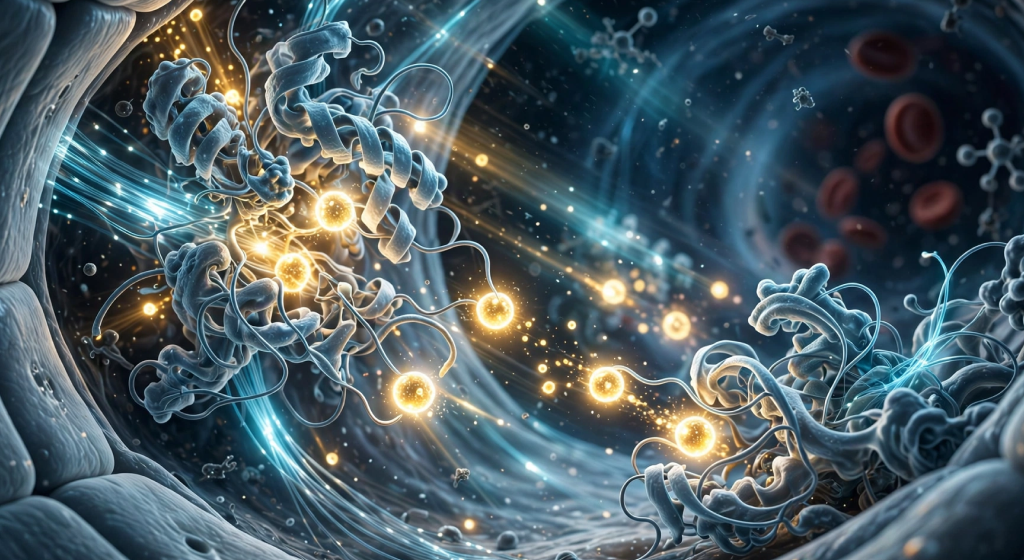
Taking a deeper dive into cellular mechanics reveals that maintaining long-term renal vitality depends heavily on preserving the flexibility of blood vessels. When the body lacks adequate levels of specific fat-soluble vitamins, calcium tends to deposit indiscriminately along vascular walls instead of being routed into the skeletal system. This phenomenon, known as vascular calcification, poses a severe threat to renal function because the kidneys rely on millions of microscopic blood vessels to filter toxins effectively.
A continuous, highly bioavailable supply of this critical nutrient ensures that these delicate pathways remain pliable and free from mineralized plaque over decades of heavy physiological use. By prioritizing micronutrient bioavailability, individuals can establish a robust biological defense mechanism that actively shields the entire renal system from age-related degradation and cumulative mineral stress.
- The preservation of essential microvascular flexibility within renal tissues relies heavily on targeted, proactive nutritional strategies.
- Preventing indiscriminate calcium deposition ensures that microscopic filtration pathways remain completely unobstructed over long periods of time.
- Highly bioavailable fat-soluble vitamins serve as primary biological traffic directors for optimal systemic mineral distribution.
The Biological Mechanism Preventing Harmful Calcium Buildup
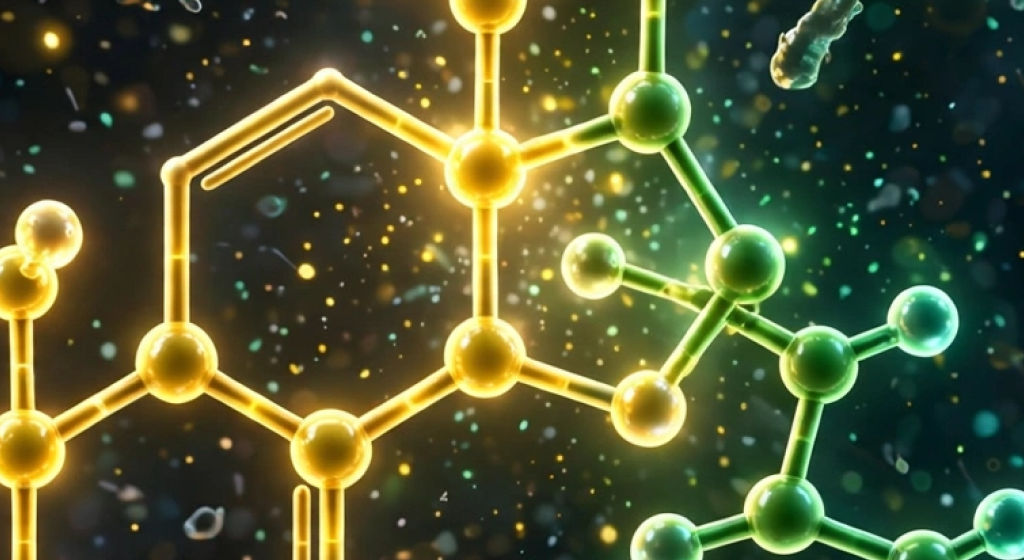
To truly appreciate how this essential nutrient supports optimal kidney health, it is necessary to examine the specific proteins it activates within the human body. The fundamental biological mechanism revolves around a unique compound known as Matrix Gla Protein, or MGP, which functions as a potent, naturally occurring inhibitor of soft tissue calcification. In its inactive state, MGP circulating through the bloodstream remains entirely ineffective at preventing minerals from binding to vascular walls and delicate organ tissues.
However, the introduction of adequate Vitamin K2 triggers a vital chemical transformation called carboxylation, fundamentally altering the protein’s structural geometry and unlocking its powerful calcium-binding capabilities. Once fully activated, these specialized proteins relentlessly patrol the circulatory system, specifically targeting and removing rogue calcium ions before they can crystallize within the delicate renal arteries. This continuous biological housekeeping process is absolutely non-negotiable for anyone serious about maintaining peak metabolic performance and avoiding chronic renal stress.
Furthermore, the sheer volume of blood filtered by the kidneys every single hour means that even minor instances of vascular stiffness can drastically reduce overall filtration efficiency. When calcification occurs in the renal arteries, the cardiovascular system must pump significantly harder to force blood through narrowed, rigid vessels, leading to localized high blood pressure that damages the sensitive nephrons.
By ensuring a steady, daily supply of this activated protein, the body maintains the structural integrity and youthful elasticity of the entire renal vascular network. Implementing a functional nutrition protocol focused directly on this specific biological mechanism effectively halts the silent progression of arterial stiffening before it causes permanent harm. This proactive approach perfectly illustrates the core philosophy of modern wellness: optimizing biological pathways at the cellular level before cumulative damage ever has a chance to manifest into a tangible functional decline.
- The structural activation of Matrix Gla Protein serves as the primary defense mechanism against vascular mineral accumulation.
- Continuous biochemical carboxylation of specific proteins guarantees that rogue calcium ions are swiftly neutralized and safely redirected.
- Preserving arterial elasticity prevents dangerous localized blood pressure spikes that can severely damage microscopic nephron units.
Exploring the Critical Synergy Between D3 and K2
No comprehensive discussion regarding mineral metabolism is truly complete without exploring the profound D3 and K2 synergy that heavily dictates overall physiological balance. While Vitamin D3 is widely recognized for its incredible ability to dramatically increase calcium absorption from the digestive tract into the bloodstream, it completely lacks the inherent biological intelligence to guide those minerals to their proper anatomical destinations. Without the complementary action of its crucial partner, this increased calcium load can quickly become a significant metabolic liability, settling into renal tissues and actively promoting the formation of dangerous calcium oxalate crystals.
Therefore, optimizing micronutrient bioavailability requires pairing these two fat-soluble vitamins in a precise, biologically appropriate ratio to ensure that enhanced absorption translates directly into structural support rather than dangerous soft-tissue accumulation. This incredibly synergistic relationship represents a true masterclass in biological coordination, perfectly highlighting why isolated supplementation often falls remarkably short of producing optimal physiological outcomes.
For individuals dedicated to preserving and enhancing their long-term kidney health through strategic nutritional interventions, understanding this metabolic partnership changes the entire approach to daily supplementation. When these two powerful vitamins operate in perfect tandem, they create a highly efficient, closed-loop biological system for systemic calcium management. The first vitamin aggressively pulls essential minerals from food sources, while the second vitamin simultaneously activates the necessary proteins to sweep those newly absorbed minerals directly into bone mass and far away from the delicate renal filtration units.
This elegant biological interplay drastically reduces the physical workload on the kidneys, which otherwise would be forcefully required to excrete excess circulating calcium, thereby increasing the massive risk of stone formation and cellular stress. Embracing this highly targeted biohacking strategy ensures that every single microgram of absorbed calcium is utilized efficiently, protecting the entire renal system from unnecessary metabolic burdens.
- Combining specific fat-soluble vitamins creates an intelligent biological framework for perfect systemic mineral distribution and cellular utilization.
- Precise nutritional pairing prevents enhanced calcium absorption from rapidly transforming into a dangerous liability for the renal system.
- An efficient closed-loop calcium management protocol drastically reduces the daily metabolic workload on highly delicate filtration units.

The Impact of Cellular Energy and Mitochondrial Health
Beyond the well-documented and widely discussed realm of calcium management, recent clinical advancements in nutritional science reveal fascinating connections between fat-soluble vitamins, mitochondrial health, and overall renal resilience. The kidneys are incredibly energy-intensive organs, ranking second only to the heart in terms of daily resting metabolic rate and total oxygen consumption. This massive, unyielding energy demand requires healthy, highly efficient mitochondria to continuously generate the immense volumes of ATP necessary for active filtration, critical electrolyte balancing, and continuous waste excretion.
Emerging evidence suggests that specific, highly targeted forms of bioactive Vitamin K2 can effectively bypass traditional electron transport chain defects, acting as a unique mitochondrial electron carrier that beautifully restores cellular energy production in distressed biological tissues. By directly and aggressively supporting the fundamental energetic infrastructure of the cell, this powerful nutrient safely allows the kidneys to maintain their rigorous metabolic pace without constantly succumbing to oxidative stress or eventual cellular exhaustion.
Maintaining robust, uninterrupted energy production within all renal tissues is absolutely critical for long-term physiological health, as a gradual decline in mitochondrial efficiency is a primary driver of structural tissue degradation and systemic aging. When kidney cells experience severe energy deficits, their vital ability to actively pump essential electrolytes and efficiently filter out harmful metabolic byproducts becomes severely compromised, ultimately leading to a cascading failure of internal homeostasis. Introducing a highly structured nutritional protocol that prominently includes elements capable of successfully rescuing mitochondrial function provides a profoundly protective effect against these predictable age-related energy slumps.
This advanced therapeutic approach moves far beyond simply providing the basic building blocks of health; it directly optimizes the microscopic molecular engines that physically drive renal function day and night. By actively supporting both vascular clarity and cellular energy metabolism simultaneously, individuals can easily foster a highly resilient renal environment capable of withstanding the intense metabolic challenges of modern life.
- High-energy organs require continuous, incredibly efficient ATP generation to sustain complex filtration and delicate electrolyte balancing mechanisms.
- Specialized electron-carrying nutrients can successfully rescue mitochondrial function and strongly protect cellular infrastructure from dangerous oxidative stress.
- Optimizing the biological cellular energy grid fundamentally prevents the gradual decline in internal homeostasis associated with metabolic aging.

Maximizing Micronutrient Bioavailability and Absorption
Even the most brilliantly conceptualized and intelligently designed nutritional regimen is rendered completely useless if the body cannot successfully absorb and distribute the intended compounds, making micronutrient bioavailability a critical factor in achieving optimal, lasting results. Fat-soluble nutrients, including all available therapeutic forms of Vitamin K, require a very specific and highly optimized digestive environment to successfully cross the intestinal barrier and enter the broader systemic circulation. To successfully maximize the deep absorption of these absolutely essential molecules, they must be consistently consumed alongside healthy, high-quality dietary fats, which naturally stimulate the vital release of bile acids necessary for proper lipid emulsification and micelle formation within the gut microbiome.
Furthermore, successfully utilizing advanced molecular delivery systems, such as advanced liposomal encapsulation or actively consuming the nutrient in its most biologically active menaquinone-7 format, can exponentially increase the total amount of the active compound that actually reaches the distant renal tissues. Mastering these complex absorption mechanics is entirely essential for anyone enthusiastically looking to build a highly effective, completely waste-free nutritional protocol.
The physical journey of a molecular compound from the dark digestive tract to the highly intricate microscopic vessels of the kidneys is heavily fraught with numerous biological obstacles that can rapidly degrade its therapeutic potential. Many well-intentioned individuals completely fail to see desired improvements in their overall kidney health simply because they are actively utilizing cheap, poorly designed synthetic forms of vitamins that the human body significantly struggles to properly recognize and utilize efficiently.
By prioritizing strictly naturally derived, highly bioavailable biological compounds that inherently boast highly extended half-lives in the human bloodstream, you effectively ensure a wonderfully steady, completely uninterrupted systemic supply of activated proteins to permanently protect the vascular network. This strategic, highly calculated focus on true absorption efficiency strongly guarantees that the entire renal system readily receives the constant, heavy nutritional support it fundamentally requires to wonderfully maintain clear, flexible filtration pathways day after day. A meticulously engineered, carefully planned approach to oral supplementation completely eliminates the standard guesswork, permanently transforming passive daily ingestion into active, highly targeted biological enhancement.
- Dietary fats are absolutely mandatory for the successful physical emulsification and deep intestinal absorption of crucial fat-soluble compounds.
- Advanced molecular biological delivery systems significantly increase the exact volume of active therapeutic nutrients that reach targeted organ tissues.
- Utilizing naturally biologically identical nutrient structures effectively prevents rapid internal degradation and maintains highly steady circulating blood levels.
Dietary Strategies for Comprehensive Renal Support
Transitioning from theoretical biochemistry to practical daily habits requires a clear understanding of the most potent natural sources for enhancing overall Vitamin K intake. While leafy green vegetables provide an abundance of phylloquinone for basic blood coagulation, the true champions of renal vascular protection are fermented foods and high-quality animal products rich in menaquinones. Traditional Japanese natto contains high concentrations of the highly sought-after MK-7 variant, which boasts an exceptionally long half-life in the human body.
For those building a robust functional nutrition diet, incorporating organic, pasture-raised egg yolks, aged hard cheeses, and grass-fed butter can drastically improve the daily intake of these calcium-directing nutrients. Diversifying these dietary inputs ensures that the body always has ready access to the specific compounds required to keep the kidneys functioning optimally without unnecessary stress.
Structuring a daily diet around these nutrient-dense foods not only provides the raw materials for vascular protection but also supports the intricate balance of the human gut microbiome. A healthy, optimized digestive tract can naturally synthesize small amounts of these critical fat-soluble vitamins, adding another layer of metabolic resilience to the body’s internal defense systems. However, relying solely on natural internal synthesis is rarely sufficient to achieve the therapeutic concentrations needed to actively prevent vascular stiffness in the renal arteries.
By consciously curating a dietary routine that consistently features these bioactive powerhouses, individuals can lay a rock-solid foundation for lifelong kidney health and optimal systemic mineral balance. This proactive, food-first approach perfectly complements targeted supplementation, creating a comprehensive biological shield for the delicate internal filtration network.
- Fermented nutritional sources provide unparalleled physiological concentrations of biologically active variants with naturally extended half-lives.
- Diversifying dietary intake with high-quality, pasture-raised animal fats ensures a broad spectrum of essential calcium-directing compounds.
- A strategically curated food-first approach establishes a strong dietary foundation for effortlessly maintaining lifelong vascular resilience.
Frequently Asked Questions About Vitamin K and Kidney Health
How does Vitamin K specifically improve overall kidney health? Highly bioavailable Vitamin K actively prevents dangerous vascular calcification. It acts as a biological traffic director, ensuring calcium goes straight to your bones instead of clogging the delicate microscopic filtration pathways inside your kidneys.
Why is the D3 and K2 synergy so important for systemic mineral balance? Vitamin D3 efficiently increases calcium absorption, but it needs a guide. The essential D3 and K2 synergy ensures that this newly absorbed calcium doesn’t settle into soft renal tissues, significantly lowering the daily metabolic workload on the kidneys and reducing the risk of crystal formation.
Can a standard modern diet provide enough active nutrients for optimal renal support? Usually, no. Standard Western diets lack the concentrated menaquinones necessary for profound renal vascular protection. To successfully achieve true micronutrient bioavailability, you must purposefully integrate specific sources like traditional fermented natto, aged hard cheeses, or high-quality supplements—which you can easily explore right in our store catalog.
Does increasing fat-soluble vitamin intake pose any risks to cellular energy? Not at all. When properly balanced, these specific nutritional compounds fiercely support mitochondrial health. They naturally promote highly efficient cellular energy production, allowing highly active renal tissues to comfortably maintain their demanding filtration pace without oxidative stress.
How quickly can biohacking strategies impact long-term vascular resilience? While localized cellular energy can improve quite rapidly, actively maximizing true kidney health is a long-term commitment. Consistently maintaining a targeted biohacking strategy over several months ensures active proteins have enough time to continuously clear rogue minerals from the bloodstream and build a resilient renal architecture.