
How to Absorb Vitamin K. When exploring the landscape of functional nutrition, discovering exactly How to Absorb Vitamin K remains a fundamental pillar of advanced cellular health and overall wellness. This incredibly powerful nutrient exists primarily in two distinct forms: phylloquinone, widely known throughout the scientific community as vitamin K1, and menaquinone, recognized by nutrition experts as vitamin K2. Simply swallowing premium supplements or eating nutrient-dense foods never automatically guarantees that the human body will actually utilize these complex compounds effectively. The biological journey from the digestive tract directly into the bloodstream requires highly specific physiological conditions and intelligent dietary combinations.
Without establishing the correct chemical environment within the gut, these valuable molecules pass completely through the gastrointestinal system without ever delivering their profound systemic benefits. Optimizing vitamin K absorption directly influences essential biological processes, ranging from healthy blood coagulation to advanced cardiovascular longevity. True wellness moves beyond simply counting milligrams on a nutrition label and focuses deeply on the precise physiological pathways that dictate cellular delivery. By intentionally creating the ideal internal digestive landscape, proactive individuals can effectively maximize the physiological yield of every single meal.
- Proper nutritional assimilation forcefully directs circulating calcium away from delicate arterial walls and channels it securely into the skeletal system where it belongs.
- Optimal cellular uptake comprehensively supports mitochondrial function, encouraging steady and reliable energy production during physically demanding daily tasks.
- Effective peripheral tissue distribution guarantees that the complex protein structures responsible for blood clotting function flawlessly during critical tissue repair.
The Crucial Role of Dietary Lipids in Assimilation
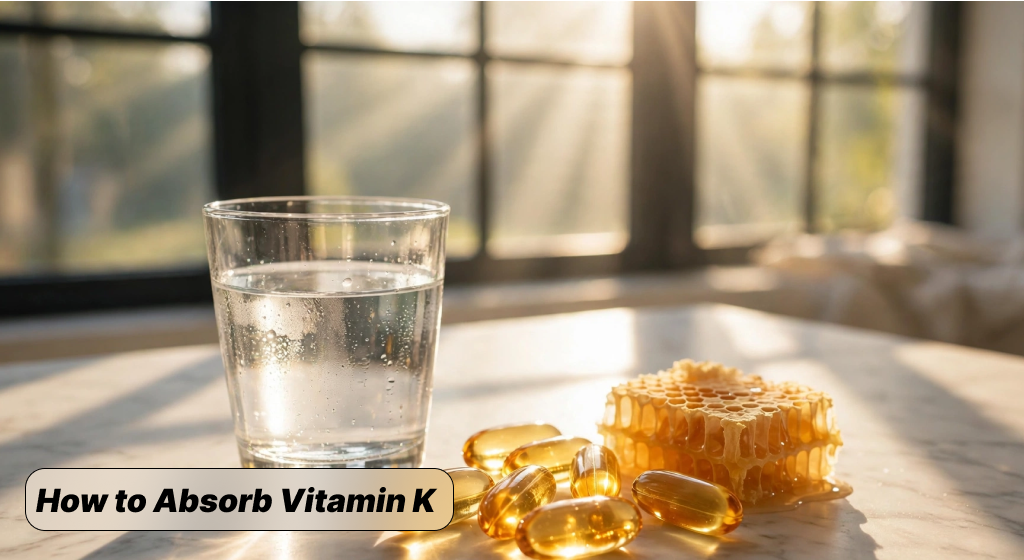
Mastering the science of How to Absorb Vitamin K requires a clear, step-by-step understanding of its lipid-dependent nature. This complex molecule securely belongs to the specialized family of fat-soluble vitamins, meaning it operates quite differently from water-soluble alternatives like vitamin C. Unlike reactive nutrients that easily pass through the intestinal lining with water, this specific compound demands a dedicated, fat-based transport mechanism to bridge the gap between the stomach and the bloodstream. Consuming a massive bowl of raw spinach entirely fat-free means the tightly packed phylloquinone remains permanently locked within the plant’s tough matrix.
The physical presence of dietary lipids immediately triggers the gallbladder to release essential digestive fluids, initiating a beautiful emulsification process that breaks down large fat globules into microscopic droplets. These tiny lipid spheres act as biological ferry boats, safely capturing the targeted nutrient molecules and carrying them across the watery environment of the gut wall. To consistently optimize vitamin K bioavailability, incorporating high-quality, unrefined fats into every relevant meal is an absolutely mandatory practice for long-term health.
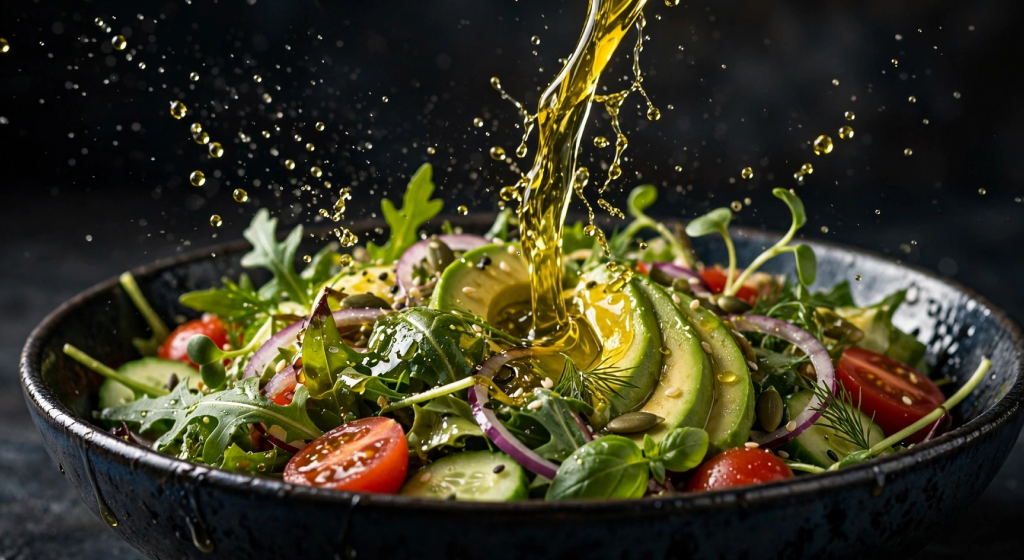
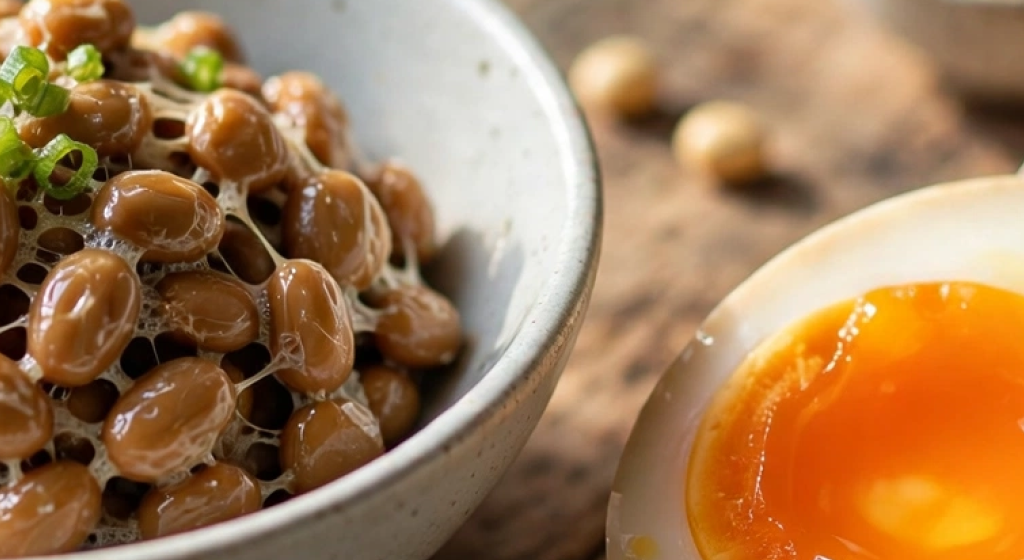
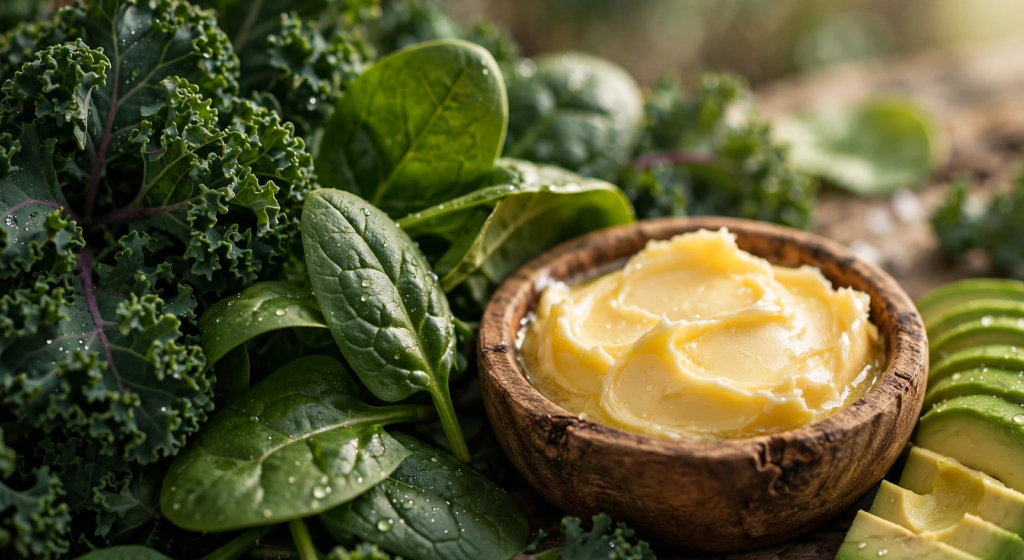
- Pouring cold-pressed extra virgin olive oil over raw salads provides healthy monounsaturated fats that rapidly enhance the extraction of crucial nutrients from leafy greens.
- Consuming high-quality, grass-fed butter delivers an ideal matrix of short-chain fatty acids that naturally escort menaquinone directly into systemic blood circulation.
- Adding fresh avocado slices to a meal offers a fantastic whole-food lipid source that effectively creates the optimal micelle formations required for intestinal absorption.
Navigating Plant Extracts and Fermented Sources
Successfully achieving peak cellular health involves making a clear scientific distinction between the primary environmental sources of this nutrient. The compound known as vitamin K1 forms the core biochemical backbone of photosynthesis in healthy leafy greens like Swiss chard, dense collard greens, and raw broccoli. Because of this, the nutrient is physically trapped deeply inside rigid plant cell walls made of cellulose. The human digestive tract must work incredibly hard to chemically break down this resistant fibrous material, which naturally results in a significantly lower overall biological uptake rate compared to other food sources.
Conversely, the highly sought-after vitamin K2 exists in structurally different molecular variations, such as the highly stable MK-7 form derived directly from traditional fermented foods. These specific menaquinone forms generally demonstrate far superior vitamin K bioavailability precisely because they are not physically bound within rigid plant structures. They also naturally coexist alongside the exact essential lipids required for immediate digestive processing and rapid transport into the bloodstream, making them incredibly efficient for daily dietary planning.
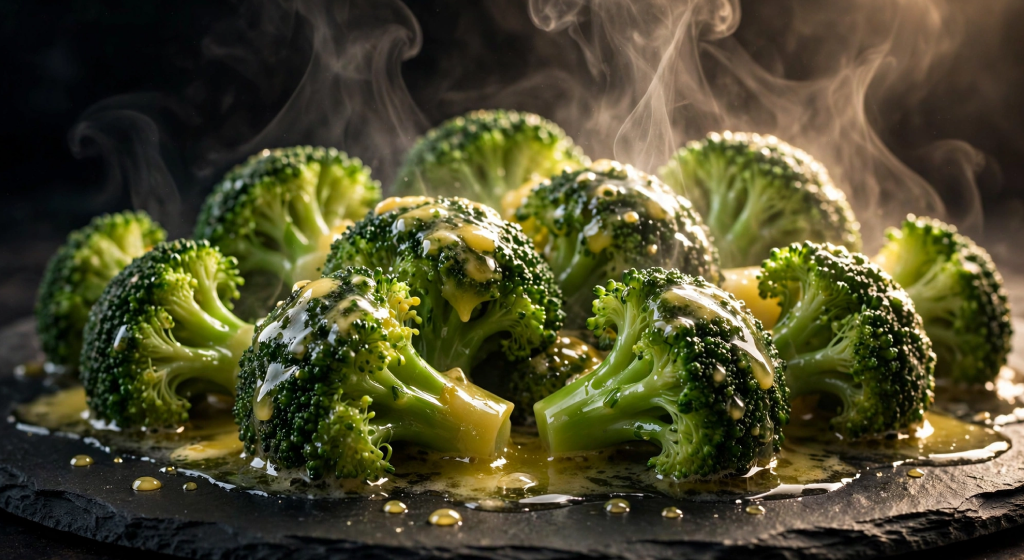
- Lightly steaming tough leafy greens actively breaks down rigid cellulose walls, successfully releasing deeply trapped phylloquinone for much easier and faster digestive access.
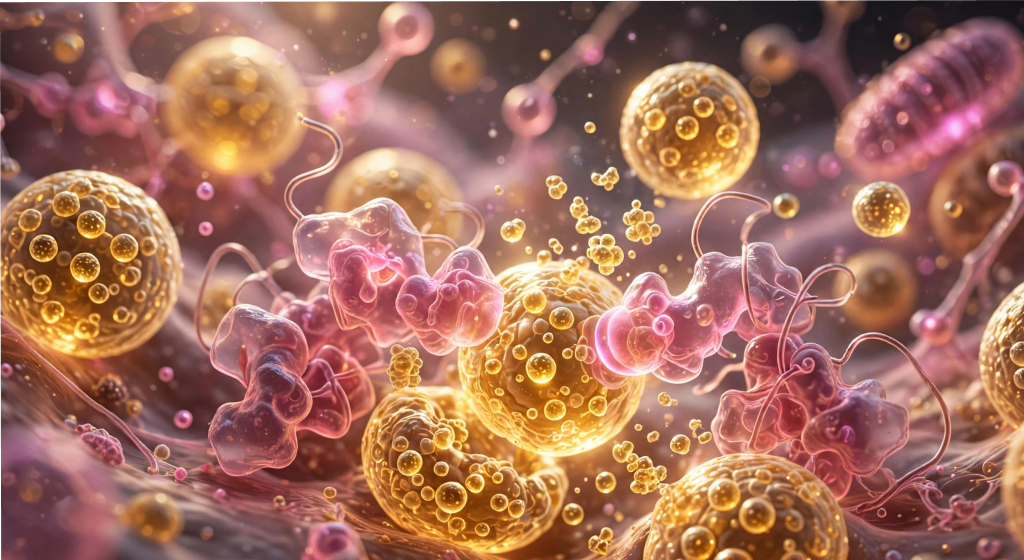
- Incorporating traditional fermented foods like authentic Japanese natto reliably provides the highly stable MK-7 form, which remains biologically active in the bloodstream for several days.
- Consuming nutrient-dense egg yolks sourced directly from pasture-raised hens delivers a highly bioavailable dose of MK-4 naturally pre-packaged within a beautifully balanced phospholipid matrix.
The Mechanics of Bile Production and Enzymes
To comprehensively comprehend exactly How to Absorb Vitamin K, one must look deep into the mechanical processes continuously occurring within the upper gastrointestinal tract. Once these crucial fat-soluble vitamins enter the small intestine, the body orchestrates a synchronized release of essential digestive fluids. The liver continuously manufactures highly potent bile acids, which are then stored and heavily concentrated within the gallbladder. When a lipid-rich meal finally enters the system, it triggers a forceful release of these bile salts directly into the active digestive pathway to begin the unlocking process.
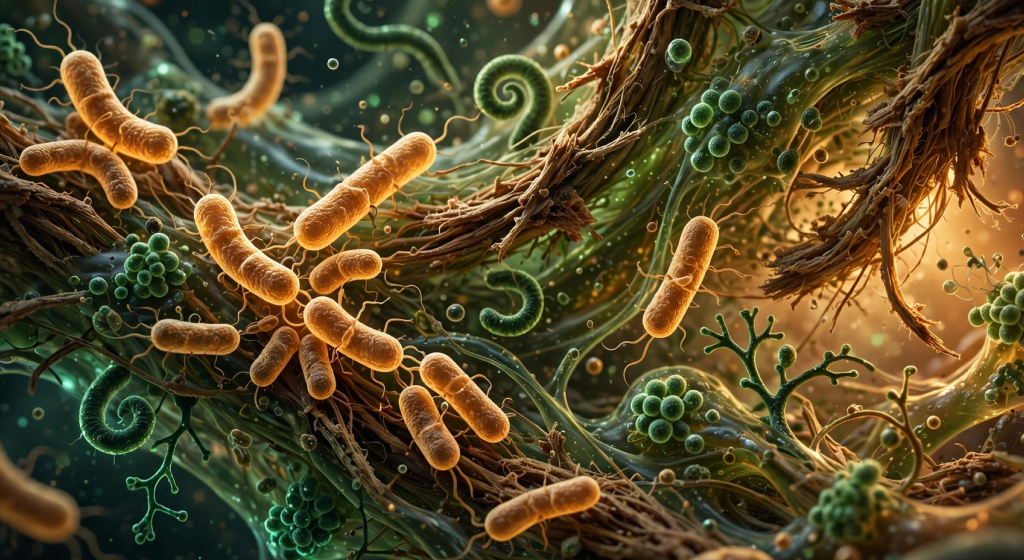
Simultaneously, the highly responsive pancreas secretes specialized lipolytic enzymes perfectly designed to chemically dismantle complex fat structures into manageable fatty acids. When concentrated bile salts and pancreatic enzymes collide with digested food, they rapidly form microscopic structural spheres known as micelles. These micelles completely surround the valuable nutrient molecules, allowing them to glide smoothly right through the highly watery mucosal layer lining the intestinal walls. A sudden disruption anywhere within this enzymatic cascade severely compromises overall vitamin K absorption, regardless of diet quality.
- Maintaining adequate hydration throughout the day ensures that essential bile acids remain highly fluid and concentrated, actively preventing sluggish digestion and poor nutrient extraction.
- Consuming powerful bitter herbs naturally and gently stimulates the liver and gallbladder, directly promoting a robust release of the bile necessary for proper micelle formation.
- Achieving optimized stomach acid levels properly signals the pancreas to release crucial fat-digesting enzymes exactly when the food mass eventually enters the small intestine.
The Influence of the Gut Microbiome on Synthesis
Deeply exploring human digestion inevitably leads to the complex living ecosystem residing within the lower digestive tract. The highly active colon plays a surprisingly dynamic role in nutrient synthesis, as certain beneficial bacterial strains forming the gut microbiome possess the unique genetic machinery required to synthesize highly usable forms of vitamin K2. These microscopic allies actively and continuously convert raw plant-based precursors directly into valuable menaquinones, effectively providing the host body with an internal, highly reliable slow-release source of this crucial structural nutrient.
This natural internal bacterial synthesis effectively acts as a brilliant biological backup system. However, a highly inflamed or irritated intestinal lining instantly creates a massive physical barrier that drastically reduces total overall vitamin K bioavailability. If the sensitive internal microbial environment becomes compromised by unmanaged stress or excessive sugar intake, the natural internal production of these crucial molecules inevitably drops. Protecting the delicate internal microbial environment guarantees that internally synthesized nutrients can successfully cross directly into systemic blood circulation.
- Constantly maintaining a highly diverse population of beneficial gut bacteria through massive daily prebiotic fiber consumption directly fuels internal microbial production of essential menaquinones.
- Strictly avoiding unnecessary broad-spectrum antibiotics powerfully protects the delicate bacterial colonies directly responsible for consistently synthesizing these highly vital structural compounds within the colon.
- Strategically incorporating scientifically backed probiotic foods helps cultivate an ideal intestinal pH, naturally encouraging the rapid proliferation of highly specialized, nutrient-producing microorganisms.
Synergistic Actions with Structural Nutrients
A highly critical component of functional nutrition involves thoroughly understanding the profound synergistic relationship between essential fat-soluble compounds. In the advanced realm of wellness, the powerful partnership between menaquinone and vitamin D3 dictates major physiological functions and longevity markers. When the body achieves an optimal, highly elevated vitamin D3 status, it immediately increases the internal production of specific calcium-binding proteins like osteocalcin. These specialized proteins are designed to transport heavy minerals safely throughout the body’s vascular network.
However, these newly created proteins remain completely dormant, inactive, and biologically useless until they are properly activated by a steady supply of vitamin K2. This highly complex biochemical dependency essentially means that successfully optimizing vitamin K absorption directly influences how the body routes structural minerals. Perfectly balancing the intake ratios of both compounds absolutely ensures long-term skeletal strength and supreme vascular elasticity, ensuring that calcium builds strong bones rather than causing dangerous internal calcification.
- Taking these highly synergistic nutrients simultaneously alongside a high-quality fat source significantly amplifies their combined physiological impact on overall, long-term bone mineral density.
- Guaranteeing proper molecular activation ensures that circulating calcium is forcefully directed into the skeletal matrix rather than being dangerously deposited inside delicate arterial walls.
- Perfectly balancing the intake of both crucial fat-soluble compounds prevents the dangerous calcification of sensitive soft tissues, ensuring optimal cardiovascular health and sustained vascular flexibility.
Frequently Asked Questions About How to Absorb Vitamin K
- How to Absorb Vitamin K effectively from daily meals? Always consume these essential fat-soluble vitamins alongside a high-quality lipid source, such as cold-pressed olive oil or avocado, to stimulate the bile production strictly required for proper cellular uptake.
- Which specific molecular form offers the best overall vitamin K bioavailability? The fermented menaquinone form, specifically vitamin K2 as MK-7, demonstrates vastly superior biological stability and remains active in the human bloodstream significantly longer than plant-based phylloquinone.
- What is the most highly recommended supplement combination for cardiovascular health? Pairing your daily menaquinone intake directly with vitamin D3 safely amplifies the biological activation of calcium-binding proteins, effectively routing heavy minerals away from delicate arteries and directly into the skeletal system.
- Can food preparation methods actually improve vitamin K absorption from raw vegetables? Yes, lightly steaming or gently sautéing fibrous leafy greens effectively breaks down the rigid plant cellulose walls, successfully releasing the trapped nutrients for much easier digestive access.
- How can you ensure you are choosing the correct formulations for your biohacking routine? For optimal physiological results and advanced lipid-based support, consistently select premium, science-backed supplements directly from the store catalog to effectively streamline your daily functional nutrition protocol.